Source Color Code Sensor for Plastic Film, Paper, and Packaging
Compare 30 Color Code Sensor options from verified suppliers. These devices detect transparent plastic film and reflective paper with blue or white light sources, offering switching or analog output signals for industrial applications; compare the available evidence and request quotations based on your requirements.
Key considerations
Products List


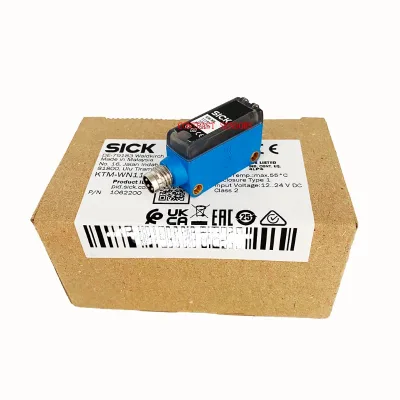


$30.00 - $60.00
MOQ: 10 Pieces


Comprehensive Sourcing Guide
Color Code Sensor Sourcing Guide
Procuring color code sensors requires a nuanced understanding of optical detection principles, as these devices distinguish materials based on spectral reflectance rather than simple presence. Buyers must recognize that the market offers diverse technologies, including reflective panel and diffuse reflection types, each suited for specific industrial environments. The core challenge lies in matching the sensor’s light source—such as blue or white light—to the target material’s optical properties. Transparent plastic films and reflective papers often demand specialized wavelengths to ensure accurate differentiation, making the selection of the correct sensor type critical for operational success.
Furthermore, the procurement process involves navigating a wide array of product specifications, from detection distances ranging between 3 to 18 millimeters to varying output signal types like switching or analog signals. Sourcing teams must verify whether the sensor supports customization, as many industrial applications require tailored dimensions or mounting configurations. Understanding the distinction between non-customized standard models and partially supported custom solutions is essential for aligning inventory with production line requirements. This guide provides a structured approach to evaluating these technical and commercial variables to secure reliable components.
Product Scope and Observed Listing Signals
The current market landscape for color code sensors reveals a significant diversity in product listings, with observed prices ranging from $0.8 to $99,999 and minimum order quantities (MOQs) spanning from 1 to 1,000 units. This wide variance indicates a mix of standard off-the-shelf components and specialized industrial solutions, necessitating careful scrutiny of listing details. Buyers should note that some listings reference specific models like the KSC-008 or U501-A, while others may use generic descriptors or reference competitor brands such as Japan Keyence. This inconsistency highlights the importance of verifying the actual manufacturer and model number before placing any orders to avoid receiving incompatible or mislabeled products.
Additionally, product attributes vary considerably, with some items described as having IP ratings made of plastic, while others specify steel construction or specific dimensions like 100mm x 70mm x 60mm. The origin of these sensors also differs, with listings indicating production in both China and Japan, which can impact quality expectations and supply chain logistics. Packaging methods range from standard carton boxes to original export packaging, suggesting varying levels of care in handling and protection during transit. Procurement specialists must cross-reference these observed signals with their technical requirements to ensure that the selected sensor meets the physical and environmental demands of their specific application.
Technical Specifications to Verify
When evaluating color code sensors, the detection distance and light source are primary technical factors that must be verified against application needs. Sensors with a detection range of 3 to 18 millimeters are suitable for close-range identification tasks, but buyers must confirm if the specific model supports the required range for their setup. The light source, whether blue or white, plays a crucial role in distinguishing colors, particularly on reflective or transparent materials. It is essential to specify the required light type during procurement, as mismatched wavelengths can lead to false readings or failure to detect subtle color differences in high-speed production environments.
Output signal type is another critical specification, with options including switching and analog signals. Switching types provide binary on/off outputs, ideal for simple presence detection, while analog types offer continuous data for more complex color grading or intensity measurements. Buyers should also check the dimension and mounting requirements, as sensors with dimensions like 100mm x 70mm x 60mm may not fit all standard enclosures. Additionally, verifying the production process, such as normal wirewound construction, can provide insights into the durability and reliability of the internal components, ensuring the sensor can withstand the operational stresses of continuous industrial use.
Compliance and Safety Documentation
Compliance documentation is a vital component of the sourcing process, ensuring that color code sensors meet international safety and environmental standards. Buyers should request certificates such as ISO, GS, RoHS, and CE, which indicate adherence to quality management, safety, and environmental regulations. These certifications are particularly important for products intended for use in regulated industries or exported to markets with strict compliance requirements. Verifying the validity of these documents directly with the supplier or through independent testing agencies can mitigate risks associated with non-compliant products that may face regulatory hurdles or safety incidents.
In addition to certifications, buyers must assess the product condition and usage specifications to ensure suitability for their operational context. Most listed sensors are described as new, but it is crucial to confirm that they are intended for industrial applications rather than consumer electronics like telephones or laptops. Some listings may ambiguously reference usage in servers or workstations, which could indicate a mismatch between the product’s design and the buyer’s needs. Ensuring that the sensor is designed for industrial-grade environments, with appropriate material grades and protection ratings, is essential for long-term reliability and performance in demanding manufacturing settings.
Cost Drivers and Commercial Terms
The cost of color code sensors is influenced by several factors, including customization options, material quality, and order volume. While some suppliers offer partial customization support, fully customized sensors typically incur higher costs due to the additional engineering and production efforts required. Buyers should evaluate whether standard models, such as the KSC-008, meet their needs before pursuing custom solutions to optimize costs. Minimum order quantities also play a significant role, with some suppliers requiring as few as one piece, while others may have higher thresholds, affecting inventory management and cash flow planning for procurement teams.
Delivery methods and lead times are additional commercial considerations that impact the total cost of ownership. Suppliers may offer various courier express options, including TNT, DHL, and EMS, each with different speed and cost implications. Buyers should negotiate clear delivery terms and confirm lead times to avoid production delays. Furthermore, the origin of the product, whether from China or Japan, can affect shipping costs and import duties. Understanding these commercial terms and negotiating favorable conditions can help buyers manage expenses while ensuring timely receipt of critical components for their operations.
Supplier Qualification and Quality Control
Supplier qualification is a critical step in sourcing color code sensors, requiring a thorough assessment of the supplier’s capabilities and reputation. Buyers should verify the supplier’s production processes, such as normal wirewound manufacturing, to ensure consistency and quality in their output. Checking for certifications like ISO and CE can provide additional confidence in the supplier’s commitment to quality management and safety standards. It is also advisable to request samples for testing before committing to large orders, allowing buyers to evaluate the sensor’s performance, accuracy, and durability in real-world conditions.
Quality control measures should be established to monitor the performance of incoming sensors, including regular inspections and functional testing. Buyers should define clear acceptance criteria based on technical specifications, such as detection distance and output signal type, to ensure that delivered products meet their requirements. Establishing a feedback loop with the supplier for any quality issues can help drive continuous improvement and maintain high standards. Additionally, considering the supplier’s ability to provide technical support and after-sales service is important for resolving any operational challenges that may arise during the sensor’s lifecycle.
Long-Term Procurement Checks
Long-term procurement success depends on establishing robust relationships with suppliers and implementing continuous improvement strategies. Buyers should regularly review supplier performance metrics, including delivery reliability, product quality, and responsiveness to issues, to identify areas for improvement. Maintaining open communication channels with suppliers can facilitate collaboration on product enhancements and address any emerging challenges proactively. Additionally, staying informed about technological advancements in Color Code Sensor technology can help buyers evaluate new products and upgrade their systems to maintain competitive advantage in their respective industries.
It is also essential to monitor market trends and pricing fluctuations to optimize procurement strategies over time. Buyers should diversify their supplier base to mitigate risks associated with supply chain disruptions and ensure continuity of supply. Regularly updating technical specifications and requirements based on evolving production needs can help align procurement activities with business objectives. By implementing these long-term checks and maintaining a strategic approach to sourcing, buyers can secure reliable, high-quality color code sensors that support their operational efficiency and growth.
FAQs
What is the detection distance for the Kesai KSC-008 color sensor?
The detection distance ranges from 3 to 18mm. This range allows for precise identification of transparent plastic films and reflective paper. The sensor utilizes blue and white light sources to ensure accurate color differentiation in industrial settings.
Can the Kesai color sensor be customized for specific applications?
Yes, customization is available for this product line. Buyers can request partial support for specific requirements. The sensor is designed to adapt to various industrial needs, ensuring flexibility in deployment for different production environments and material types.
What certifications does the Kesai sensor product hold?
The product holds ISO, GS, RoHS, and CE certifications. These standards ensure compliance with international safety and environmental regulations. Buyers can rely on these documented certifications for quality assurance and regulatory compliance in global supply chains.
How is the Kesai color sensor packaged for shipping?
The sensor is packaged in a carton box or standard export packaging. This method protects the device during transit. The packaging ensures the product arrives in new condition, ready for immediate installation in industrial automation systems without damage.
What is the minimum order quantity for the Kesai sensor?
The minimum order quantity is 1 piece. This low MOQ allows buyers to test the product before committing to larger orders. It supports flexible procurement strategies for small-scale projects or initial quality verification in industrial settings.
Which materials are used in the construction of the sensor?
The sensor housing is made of plastic with an IP rating. This material choice provides durability and resistance to environmental factors. The plastic construction ensures lightweight handling while maintaining structural integrity for long-term use in automated manufacturing lines.