Source Color Customized Zipper Pull for Bags Garments Shoes
Find 30 options for Color Customized Zipper Pull across materials like PVC, zinc-alloy, plastic, and nylon. Compare slider types, sizes, and customization features for bags, garments, and shoes from verified suppliers in China.
Key considerations
Products List
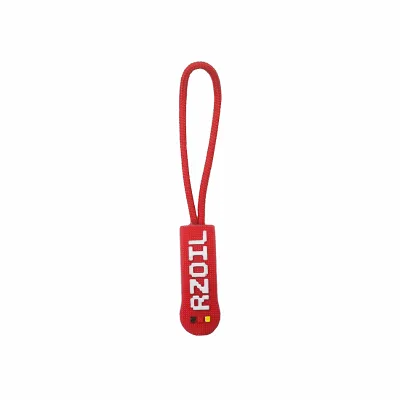


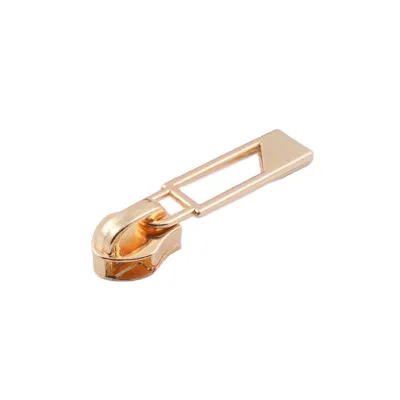
Comprehensive Sourcing Guide
Strategic Sourcing Guide for Color Customized Zipper Pulls
The global market for textile fasteners has evolved significantly, with color customized zipper pulls representing a critical component in product differentiation and brand identity. For procurement professionals, sourcing these specific hardware elements requires a nuanced understanding of material science, manufacturing capabilities, and supply chain logistics. The core keyword "Color Customized Zipper Pull" implies a demand for versatility, where the aesthetic finish must align precisely with the end-product's design language while maintaining functional integrity. This guide synthesizes observed market data and technical specifications to provide a disciplined framework for evaluating potential suppliers and managing the procurement lifecycle effectively.
Technical Specifications and Material Variability
When initiating a search for color customized zipper pulls, the first step is to define the technical parameters that govern the component's performance. The observed market data indicates a diverse range of materials, including PVC, Zinc-Alloy, Plastic, and Nylon. Each material offers distinct advantages depending on the application. For instance, Zinc-Alloy components are often associated with durability and a premium feel, suitable for high-end garments or luggage, while PVC and Plastic options provide cost-effective solutions for mass-market apparel. The material choice directly influences the customization process, as different substrates accept dyes, plating, or molding techniques in unique ways.
Size and specification are equally critical. Market observations reveal that zipper pulls are available in various models, such as "03" and "JH2282B," with standard sizes ranging from 1.35*0.4 inches to specific industry codes like 3#, 4#, 5#, and up to 8#. The slider type also varies significantly; buyers must distinguish between Non-Lock, Auto Lock, and Reversible sliders. The Auto Lock mechanism, for example, can be configured as "One Way" or "Reversible," which dictates the functionality of the zipper in applications like bags, shoes, or home textiles. Furthermore, the standard length of the zipper tape or the pull itself often adheres to specific requirements, such as 20cm or custom dimensions, necessitating precise communication with the supplier to avoid compatibility issues.
Compliance, Certification, and Quality Standards
In the B2B sector, compliance is not merely a regulatory formality but a prerequisite for market access. When sourcing color customized zipper pulls, buyers must verify that suppliers adhere to recognized international standards. Observed data points to certifications such as SGS, ISO9001: 2008, and RoHS, which are essential for ensuring that the products meet safety and environmental requirements. RoHS compliance, in particular, is vital for products destined for the European and North American markets, as it restricts the use of hazardous substances.
The production origin also plays a role in compliance verification. The supply chain for these components is heavily concentrated in specific regions of China, including Dongguan, Guangdong, Ningbo, and Zhejiang. These hubs are known for their specialized manufacturing clusters, but they also require rigorous vetting to ensure that the claimed certifications are valid and current. Buyers should request proof of certification rather than relying on supplier assertions. Additionally, the standard for the product itself, such as the 2-10cm range or specific 20cm lengths, must be validated against the buyer's internal quality control protocols. Ensuring that the supplier's quality management system aligns with ISO standards helps mitigate the risk of batch inconsistencies, which can be costly in large-scale production runs.
Cost Drivers and Economic Factors
Understanding the cost structure of color customized zipper pulls is essential for budgeting and negotiation. The observed price range in the market spans from $0.01 to $1.10 per unit, a wide variance that reflects differences in material quality, customization complexity, and order volume. The Minimum Order Quantity (MOQ) is a significant economic driver, with observed ranges extending from 500 units to as high as 1,000,000 units. For smaller buyers, an MOQ of 500 may be accessible, but larger enterprises often leverage higher volumes to secure better unit economics.
Material costs are a primary determinant of the final price. Zinc-Alloy components generally command a higher price point compared to plastic or nylon alternatives due to the raw material costs and the energy-intensive nature of metal casting. Customization adds another layer of cost; while many suppliers offer "Any Color" or "Various Colors as Required," the process of developing a custom mold or applying a specific dye batch incurs additional setup fees. The packaging method also influences the total landed cost. Options range from simple Polybag Packaging to more complex arrangements like 100PCS/Bag with 20 Bags/CTN, or 50PCS/Bags with 5000PCS/Carton. These packaging details affect shipping efficiency and warehousing requirements, which must be factored into the total cost of ownership.
Typical Applications and Functional Requirements
The versatility of color customized zipper pulls allows them to serve a broad spectrum of industries. The observed usage data highlights applications in bags, garments, shoes, and home textiles. In the garment industry, the pull must be durable enough to withstand frequent use while offering a specific aesthetic, such as a hollow logo design or a specific color match to the fabric. For luggage and bags, the strength of the component is paramount; some observed specifications indicate a strength rating of up to 60kg, ensuring that the zipper can handle heavy loads without failure.
The style of the zipper pull also varies to meet industry-specific needs. Styles such as "EU & US" or "Commercial" suggest that the design must align with regional preferences or specific commercial standards. For instance, a commercial style might prioritize robustness and ease of use for industrial applications, whereas an EU or US style might focus on aesthetic integration with fashion trends. The slider type further dictates the application; Auto Lock sliders are preferred for security-sensitive items like travel bags, while Non-Lock sliders might be suitable for decorative garments where security is less critical. Understanding these functional requirements ensures that the selected component not only looks the part but performs reliably in its intended environment.
Supplier Evaluation and Sourcing Strategy
Evaluating suppliers for color customized zipper pulls requires a multi-faceted approach that goes beyond price comparison. Buyers should assess the supplier's capability to handle customization requests, as evidenced by attributes like "Your Design Is Acceptable" and "Logo: as Your Request." The ability to accommodate custom designs is a strong indicator of a supplier's flexibility and technical proficiency. Additionally, the availability of samples is a crucial factor in the evaluation process; many suppliers offer free samples, allowing buyers to physically inspect the quality, color accuracy, and finish before committing to a large order.
Payment terms and logistics are also key evaluation criteria. Standard payment terms such as T/T (Telegraphic Transfer) and L/C (Letter of Credit) are common in the industry, offering varying levels of security for both parties. Lead times, indicated by delivery methods like DHL, should be clearly defined to ensure that the supply chain remains uninterrupted. Buyers should also verify the supplier's location, as proximity to manufacturing hubs like Dongguan or Ningbo can impact lead times and communication efficiency. A comprehensive supplier scorecard should include metrics for quality, responsiveness, customization capability, and financial stability to ensure a reliable partnership.
Quality Control and Long-Term Procurement Considerations
Implementing a robust quality control (QC) strategy is essential for maintaining product integrity in the long term. Given the wide range of specifications and materials, buyers must establish clear acceptance criteria for color matching, dimensional accuracy, and functional performance. The observed standard of "20cm" or "2-10cm as per required" must be strictly enforced during the inspection phase. Regular audits of the supplier's production line can help identify potential issues before they result in defective batches.
Long-term procurement considerations involve building a sustainable relationship with suppliers who can scale with the buyer's needs. The ability to handle large volumes, as indicated by the high-end MOQ of 1,000,000 units, suggests that suppliers must have the capacity to ramp up production quickly. Furthermore, the consistency of color and material quality over time is critical for brand reputation. Buyers should consider the environmental impact of their choices, favoring suppliers who adhere to RoHS and other environmental standards. By prioritizing suppliers with strong quality management systems and a track record of compliance, buyers can mitigate risks and ensure a steady supply of high-quality color customized zipper pulls for their products.
Comparative Analysis of Key Product Attributes
To facilitate decision-making, the following table summarizes the key attributes observed in the market, highlighting the diversity of options available to buyers.
| Attribute Category | Observed Options | Key Considerations for Buyers |
|---|---|---|
| Material | PVC, Zinc-Alloy, Plastic, Nylon | Select based on durability needs, cost constraints, and aesthetic requirements. |
| Color Customization | Yellow, Gold, Any Color, Purple, Various Colors | Verify color matching accuracy and minimum order quantities for custom shades. |
| Slider Type | Non Lock, Auto Lock (One Way/Reversible) | Choose based on security needs and functional requirements of the end product. |
| Specification/Size | 1.35*0.4", 3#, 4#, 5#, 6#, 7#, 8#, 20cm | Ensure compatibility with existing zipper tapes and hardware systems. |
| Packaging | Polybag, Polybag&Carton, 100PCS/Bag, 50PCS/Bags | Optimize for shipping efficiency and warehouse storage capabilities. |
| Origin | China (Dongguan, Ningbo, Zhejiang) | Consider logistics lead times and regional expertise in specific manufacturing clusters. |
| Certifications | SGS, ISO9001: 2008, RoHS | Mandatory for export to regulated markets; verify validity and scope. |
| MOQ Range | 500 - 1,000,000 Units | Align order volume with production capacity and budget constraints. |
This comparative analysis underscores the importance of aligning specific product attributes with the buyer's unique requirements. By carefully evaluating these factors, procurement professionals can navigate the complex landscape of color customized zipper pulls to secure high-quality components that enhance their final products.
FAQs
What materials are available for color customized zipper pulls?
Available materials include PVC, Zinc-Alloy, Plastic, and Nylon. Buyers can select based on durability needs, as Zinc-Alloy offers a premium feel while PVC and Plastic provide cost-effective solutions for mass-market apparel.
Which slider types are offered for these zipper pulls?
Options include Non Lock, Auto Lock One Way, and Reversible sliders. The Auto Lock mechanism is particularly useful for security-sensitive applications like travel bags, while Non Lock sliders suit decorative garments.
Can suppliers provide custom colors and logo designs?
Yes, customization is available with options for any color or specific designs like hollow logos. Suppliers accept requests for various colors as required, allowing buyers to match their brand identity precisely.
What certifications do these products typically meet?
Products often meet standards such as SGS, ISO9001: 2008, and RoHS. These certifications are essential for ensuring safety and environmental compliance, particularly for markets in Europe and North America.
How does the MOQ range affect procurement planning?
The Minimum Order Quantity ranges from 500 to 1,000,000 units depending on the supplier. Smaller buyers may access lower MOQs, while larger enterprises leverage higher volumes to secure better unit economics.
Where are the primary manufacturing locations for these items?
Production is concentrated in China, specifically in Dongguan, Ningbo, and Zhejiang. These hubs offer specialized manufacturing clusters, though buyers should verify lead times and logistics based on the specific origin.