Source Color Custom Plastic Masterbatch for Film, Pipe, and Injection
Source Color Custom Plastic Masterbatch from 30 verified listings. Compare specifications such as carrier types (PE, PP, HDPE), pigment content, and heat resistance for applications in blowing film, injection molding, and pipe extrusion; compare the available evidence and request quotations based on your requirements.
Key considerations
Products List






Comprehensive Sourcing Guide
Color Custom Plastic Masterbatch Sourcing Guide
Procuring Color Custom Plastic Masterbatch requires distinguishing between specific carrier polymers like PP, HDPE, and PE, as these dictate compatibility with your final resin blend. The observed market data indicates a wide variance in particle morphology, ranging from 2mm to 3mm cylindrical granules, which directly influences dispersion efficiency during extrusion. Buyers must verify that the carrier material matches the application substrate, such as PE, PP, or ABS, to prevent phase separation or mechanical failure in the finished product.
Selection also hinges on the intended processing method, whether it involves blowing film extrusion, injection molding, or general plastic raw material granule usage. The supply chain offers products with pigment contents varying between 20% and 55%, requiring precise calculation of dosage rates to achieve the target shade without compromising material integrity. Understanding these physical attributes ensures the selected masterbatch integrates seamlessly into your specific manufacturing workflow.
Product Scope and Observed Listing Signals
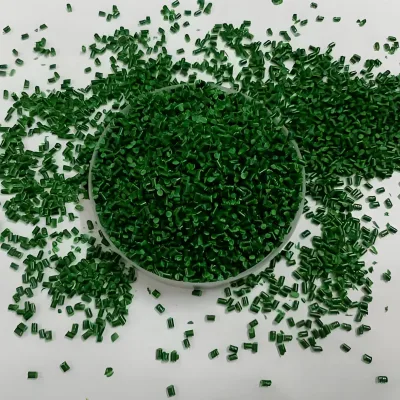
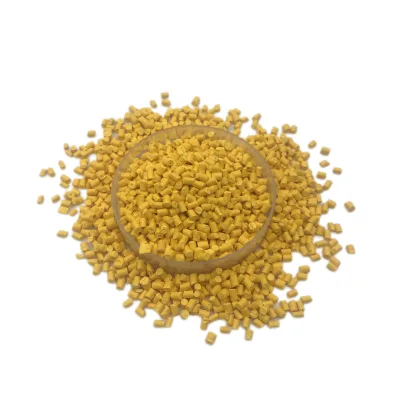
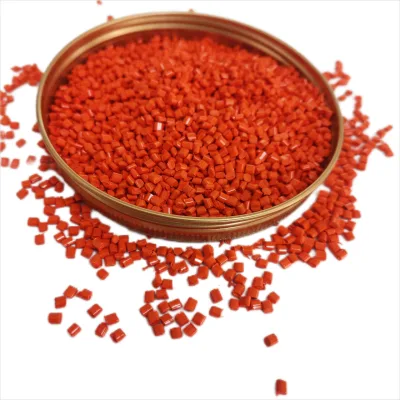
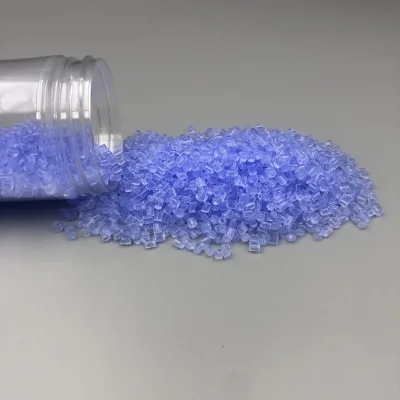
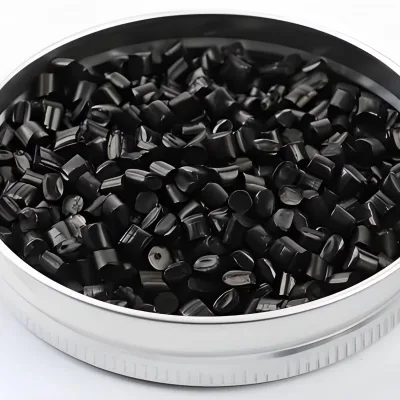
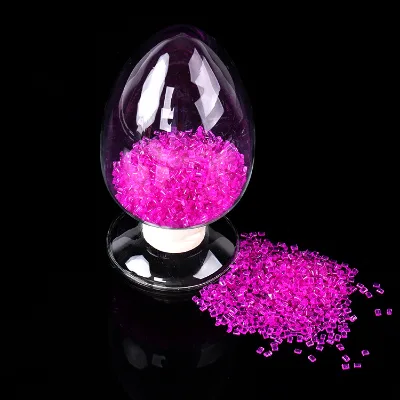
The current market listings reveal a diverse product scope where appearance is consistently described as orange or black cylindrical granules, though some entries note small granule variations. This visual diversity signals different pigment formulations and carrier blends, necessitating careful review of the product model and specific shape descriptions before placing an order. Buyers should expect to find options tailored for specialty plastics or general-purpose applications, with packaging typically standardized at 25kg bags to facilitate handling.
Listing signals also highlight the availability of customization services, allowing suppliers to adjust pigment concentrations or carrier types to meet unique client requirements. However, the observed price range spans from $0.51 to $2500, reflecting significant differences in pigment quality, concentration, and order volume. Procurement teams must correlate these price points with the specific technical needs of their project, ensuring that the lowest cost option does not compromise the required heat resistance or migration resistance properties.
Technical Specifications to Verify
Verification of technical specifications must prioritize the carrier type and particle size, as these factors govern the flow characteristics and dispersion quality within the extruder. The observed data confirms particle sizes of 2-3mm and 3mm, which are critical for preventing clogging and ensuring uniform color distribution. Buyers should explicitly request test data confirming the carrier compatibility with their base resin, whether it is PE, PP, or a blend, to avoid processing defects during production.
Heat resistance and pigment content are equally critical parameters that define the operational limits of the masterbatch. Products in the current listings demonstrate heat resistance capabilities of at least 250°C, a threshold essential for high-temperature processing environments. Additionally, the pigment content ranges from 20% to 40% or up to 55%, requiring precise dosage calculations to achieve the desired color intensity while maintaining the mechanical properties of the final plastic component.
Compliance and Safety Documentation
Compliance documentation is a non-negotiable aspect of sourcing, with CE, ISO, and RoHS certifications appearing frequently in the available product listings. These certifications indicate that the masterbatch meets specific international safety and environmental standards, which is vital for products destined for export markets or regulated industries. Buyers must request valid, up-to-date certificates for every batch to ensure that the materials do not contain restricted substances that could violate local regulations.
Beyond general certifications, specific documentation regarding migration resistance and safety for food-contact or textile applications may be required depending on the end use. The observed listings mention excellent migration resistance, but this claim must be substantiated by third-party test reports rather than supplier assertions alone. Ensuring that the supplier can provide comprehensive safety data sheets and compliance certificates protects the buyer from liability and ensures the final product remains safe for its intended application.
Cost Drivers and Commercial Terms
Cost drivers in the masterbatch market are heavily influenced by the concentration of pigments, the type of carrier resin, and the level of customization required. Higher pigment loads, such as those reaching 55%, typically command a premium price due to the increased raw material costs and specialized processing involved. Buyers should analyze the total cost of ownership, considering that a higher concentration product might reduce the overall dosage rate, potentially offsetting the higher unit price through reduced material usage.
Commercial terms such as MOQ and lead times vary significantly, with observed minimum order quantities ranging from 1 to 1000 units. The supply chain often operates on a factory-direct basis, which can reduce intermediate costs but requires careful coordination of logistics and inventory management. Procurement teams must negotiate clear terms regarding payment schedules, shipping responsibilities, and delivery timelines to ensure a steady supply that aligns with production schedules without incurring unexpected storage or rush fees.
Supplier Qualification and Quality Control
Supplier qualification should focus on the consistency of their production processes and their ability to maintain strict quality control standards. The presence of ISO9001 certification in the listings suggests a commitment to quality management systems, but buyers must verify that this certification covers the specific manufacturing lines producing their required masterbatch. Regular audits and on-site inspections are recommended to ensure that the supplier's internal controls match the claims made in their product documentation.
Quality control protocols must include rigorous testing of particle size distribution, pigment dispersion, and heat resistance for every production batch. The observed data indicates that some products have specific melt indices, such as 9 at 2.16kg/1900°C, which are critical for processing stability. Buyers should establish a clear acceptance criteria framework that includes these physical properties, ensuring that any deviation from the specified standards triggers an immediate review or rejection of the shipment.
Long-Term Procurement Checks
Long-term procurement success depends on establishing a robust relationship with suppliers who can consistently deliver high-quality masterbatch over extended periods. Buyers should implement a system for periodic performance reviews, assessing the supplier's ability to meet delivery schedules, maintain quality consistency, and respond to technical inquiries. This proactive approach helps identify potential supply chain disruptions early and allows for collaborative problem-solving before they impact production.
Continuous monitoring of market trends and technological advancements is also essential for maintaining a competitive edge in material sourcing. As new pigment technologies and carrier resins emerge, suppliers may offer improved formulations that enhance performance or reduce costs. Procurement teams should stay informed about these developments and regularly re-evaluate their current supplier base to ensure they are leveraging the latest innovations in Color Custom Plastic Masterbatch technology.
FAQs
What carrier materials are available for color masterbatch?
Common carrier materials include PP, HDPE, and PE. These carriers ensure compatibility with various application materials such as PE, PP, and ABS. Selecting the right carrier is essential for achieving optimal dispersibility and migration resistance in the final plastic product during processing.
Can I customize the pigment content in masterbatch?
Yes, customization is available for pigment content, typically ranging from 20% to 55%. This allows you to adjust the concentration to meet specific color intensity requirements. The product is designed to offer good dispersibility and excellent migration resistance for consistent results.
What is the heat resistance of this masterbatch?
The masterbatch offers high heat resistance, rated at 250°C or higher. This ensures stability during high-temperature processing methods like blowing film extrusion and injection molding. The cylindrical granule shape and 3mm particle size further support efficient melting and uniform color distribution.
Which certifications do these masterbatch products hold?
The products hold CE, ISO, and RoHS certifications, with some variants also featuring ISO9001. These certifications verify compliance with international quality and safety standards. Buyers can rely on these credentials when sourcing plastic raw material granules for regulated industries requiring strict material verification.
How is the masterbatch packaged for shipping?
The masterbatch is packaged in 25kg waterproof bags. This standard packaging protects the cylindrical granules from moisture and damage during transit. The factory-direct supply model ensures that the packaging remains intact until delivery, maintaining the product's quality and ease of handling for industrial use.
What is the typical usage percentage for masterbatch?
The typical usage percentage ranges from 0.5% to 10%, depending on the desired color depth. This flexibility allows for precise color matching in plastics and textiles. The product's good dispersibility ensures that even low concentrations achieve uniform coloration without compromising the material's physical properties.