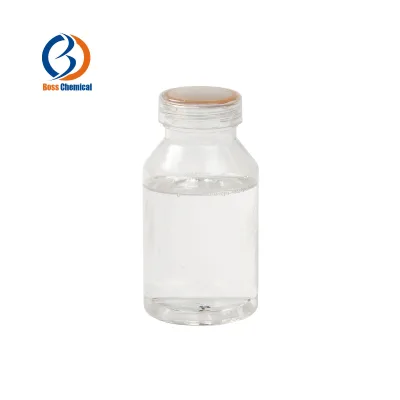
Source Colorless Liquid Methyl 2-Bromobutyrate for synthesis, intermediates, and chemical industry
Explore 30 listings for Colorless Liquid Methyl 2-Bromobutyrate suitable for synthesis material intermediates and chemical industry applications. Buyers can compare specifications, packaging options, and pricing details across verified suppliers.
Key considerations
Products List




Comprehensive Sourcing Guide
Colorless Liquid Methyl 2-Bromobutyrate Sourcing Guide
Sourcing high-purity organic intermediates requires a disciplined approach to verifying chemical identity, physical state, and supply chain reliability. The target material, identified by the CAS Registry Number 600-00-0 and molecular formula C6H11BrO2, presents specific handling and verification challenges due to its nature as a brominated ester. Buyers must navigate a market where listings often conflate similar brominated compounds, making precise identification critical before initiating any procurement activity. This guide outlines the essential verification steps, technical parameters, and commercial considerations necessary to secure a reliable supply of this synthesis material intermediate for industrial chemical applications.
The procurement landscape for this specific intermediate is characterized by a wide variance in listed specifications and packaging standards. While the core keyword defines the chemical structure, observed market data indicates that suppliers may list related compounds with overlapping physical properties, such as different boiling points or densities. Consequently, buyers must treat all listing attributes as preliminary observations rather than guaranteed specifications. The following sections provide a structured framework for validating supplier claims, ensuring that the received material meets the rigorous demands of downstream synthesis processes.
Product Scope and Observed Listing Signals
The primary product scope for methyl 2 bromobutyrate centers on its role as a synthesis material intermediate within the broader chemical industry. Market listings frequently categorize this compound under industrial quality grades, emphasizing its utility in organic synthesis rather than consumer-facing applications. Buyers should note that while the core keyword specifies a colorless liquid appearance, observed data includes variations in packaging and origin, such as products originating from Jiangsu or other Chinese manufacturing hubs. These geographic and quality indicators serve as initial filters but do not guarantee chemical purity or consistency without further verification.
Observed listing signals reveal significant diversity in how suppliers present this chemical class. Some entries reference CAS 600-00-0 with a molecular weight of 195.05, aligning with the target compound, while others may list different CAS numbers like 3196-15-4 or 2969-81-5, which represent distinct chemical entities. Additionally, synonyms such as N-Butyl Bromide or references to molecular formulas like C4H9Br appear in the broader market data, indicating potential confusion between similar brominated alkanes and esters. Buyers must carefully cross-reference the CAS number and molecular formula against their technical requirements to avoid misidentification, as these errors can lead to process failures in downstream manufacturing.
Technical Specifications to Verify
Verification of physical and chemical properties is the most critical step in the sourcing process for methyl 2 bromobutyrate. The expected density for this compound is approximately 1.329 g/mL, and the boiling point typically ranges between 161-163 °C. Buyers must request specific test reports or certificates of analysis (COA) that confirm these values, as deviations may indicate the presence of impurities or a different chemical substance entirely. The flash point is another vital safety parameter, often cited around 60 °C, which dictates storage and handling protocols. Ensuring that the supplied material matches these physical constants is essential for maintaining process safety and reaction efficiency.
Chemical purity and assay levels are equally important technical specifications that require rigorous validation. Market data suggests that assay values of 99% are common for industrial-grade intermediates, but buyers should not assume this standard applies universally without documentation. The molecular formula C6H11BrO2 must be explicitly confirmed, as similar compounds may share the same physical state but differ in chemical reactivity. Additionally, buyers should verify the packaging specifications, which may range from 200kg plastic drums to 250kg drums or IBC containers, depending on the supplier’s standard operating procedures. Consistency in packaging and labeling is crucial for traceability and inventory management in industrial settings.
Compliance and Safety Documentation
Compliance with international safety and environmental standards is non-negotiable for brominated organic compounds. Buyers must ensure that suppliers provide appropriate Safety Data Sheets (SDS) that detail the hazards associated with methyl 2 bromobutyrate, including its flammability and potential health effects. The presence of bromine introduces specific environmental considerations, and suppliers should demonstrate adherence to relevant environmental protection regulations. Documentation should clearly outline the proper disposal methods, storage conditions, and emergency response procedures to mitigate risks during transportation and handling.
Quality certifications also play a pivotal role in establishing supplier credibility. While ISO9001 certification is mentioned in some market listings, buyers should verify the validity and scope of such certifications directly with the issuing body. Certifications indicate a supplier’s commitment to quality management systems but do not guarantee the purity of individual batches. Buyers should request batch-specific test results that align with the technical specifications outlined earlier. Additionally, any claims regarding environmental protection or sustainable manufacturing practices must be substantiated with verifiable documentation, as these attributes are increasingly important for corporate sustainability reporting and regulatory compliance.
Cost Drivers and Commercial Terms
The cost of methyl 2 bromobutyrate is influenced by several factors, including raw material availability, production volume, and packaging requirements. Observed market data indicates a wide price range, reflecting the variability in supplier scale and product quality. Buyers should be cautious of prices that seem unusually low, as they may correlate with lower purity levels or inadequate quality control processes. The minimum order quantity (MOQ) is another significant commercial term, with observed ranges extending from 1kg to 1000kg. Smaller MOQs may be suitable for initial testing or small-scale production, but larger volumes often offer better unit economics.
Packaging and logistics also impact the total cost of ownership. Suppliers may offer various packaging options, such as 200kg plastic drums, 250kg drums, or 1000kg IBC containers, each with different cost implications. Buyers should consider the compatibility of packaging with their storage facilities and handling equipment. Delivery times, often cited as 3-5 days for certain suppliers, can affect inventory planning and production schedules. It is essential to clarify all commercial terms, including payment methods, shipping responsibilities, and return policies, to avoid unexpected costs or delays. Customization options for packaging or labeling may also be available, but these should be discussed and agreed upon in advance.
Supplier Qualification and Quality Control
Supplier qualification is a multi-step process that begins with a thorough review of the supplier’s technical capabilities and quality management systems. Buyers should assess the supplier’s ability to provide consistent product quality, as evidenced by their historical performance and customer feedback. The availability of customization services, such as specific packaging or labeling requirements, can be an indicator of a supplier’s flexibility and customer-centric approach. However, buyers must ensure that customization does not compromise the integrity of the product or the accuracy of the documentation.
Quality control measures implemented by the supplier are critical for ensuring product reliability. Buyers should inquire about the supplier’s testing protocols, including the frequency of batch testing and the methods used to verify purity and physical properties. The ability to provide free samples for initial evaluation is a positive sign, allowing buyers to verify the product’s quality before committing to larger orders. Additionally, suppliers should have robust traceability systems in place, enabling them to track raw materials and production processes. Buyers should request detailed information about the supplier’s quality control procedures and any third-party audits or inspections they undergo.
Long-Term Procurement Checks
Establishing a long-term procurement relationship requires ongoing monitoring and periodic re-evaluation of supplier performance. Buyers should implement a system for tracking key performance indicators, such as delivery times, product quality consistency, and responsiveness to issues. Regular audits of the supplier’s facilities and quality control processes can help identify potential risks and ensure continued compliance with agreed-upon standards. Maintaining open communication channels with the supplier is essential for addressing any emerging issues promptly and collaboratively.
Market dynamics and regulatory environments are constantly evolving, requiring buyers to stay informed about changes that may impact their supply chain. Buyers should regularly review their supplier’s certifications and compliance status to ensure they remain valid and relevant. Additionally, buyers should explore alternative suppliers to mitigate the risk of supply disruptions and maintain competitive pricing. By maintaining a proactive approach to supplier management and market monitoring, buyers can secure a reliable and cost-effective supply of methyl 2 bromobutyrate for their industrial chemical applications.
FAQs
What is the molecular formula of Colorless Liquid Methyl 2-Bromobutyrate?
The molecular formula is C5H9BrO2. This chemical structure corresponds to a specific ester intermediate used in organic synthesis. The compound has a molecular weight of approximately 195.05 g/mol. It is classified as a synthesis material intermediate for the chemical industry. Buyers should verify the exact formula against their specific process requirements to ensure compatibility.
Can I get a free sample of Colorless Liquid Methyl 2-Bromobutyrate?
Yes, a free sample is available for evaluation. This allows buyers to verify the product quality before placing a bulk order. The minimum order quantity for production is typically 1 kg. Samples help confirm the physical appearance and purity levels. This option reduces risk for new procurement relationships and ensures the material meets specific industrial standards.
What is the boiling point of Colorless Liquid Methyl 2-Bromobutyrate?
The boiling point ranges from 156 to 160 degrees Celsius. This physical property is critical for distillation and purification processes. The density is approximately 1.394 g/ml at 25 degrees Celsius. These parameters define the handling and storage conditions required. Accurate temperature control is necessary during synthesis applications involving this intermediate.
Which packaging options are available for Colorless Liquid Methyl 2-Bromobutyrate?
Packaging includes 200kg plastic drums, 25kg drums, and 1000kg IBC drums. These options cater to different volume requirements and logistical needs. The product is supplied in drum formats suitable for industrial transport. Custom packaging requests may be accommodated based on customer specifications. Proper packaging ensures the stability and safety of the chemical during shipping.
How long is the delivery time for Colorless Liquid Methyl 2-Bromobutyrate?
The standard delivery time is 3 to 5 days. This rapid turnaround supports urgent industrial synthesis needs. The product originates from Jiangsu, China, facilitating efficient logistics. Lead times may vary based on order volume and customization. Buyers should confirm specific schedules with suppliers to align with production timelines.
What certifications are provided for Colorless Liquid Methyl 2-Bromobutyrate?
ISO9001 certification is provided for quality management. This standard ensures consistent manufacturing processes and product reliability. The product is classified as industrial quality for chemical applications. Certification verification is recommended for regulated supply chains. Buyers should request current certificates to confirm compliance with their quality assurance protocols.