Source Colourful Bicycle Spoke Caps for Road, Mountain, Kids Bikes
Find 30 listings for Colourful Bicycle Spoke Caps designed for road, mountain, and kids bikes. Buyers can compare steel spokes with various lengths and surface treatments from suppliers in China offering customization options.
Key considerations
Products List








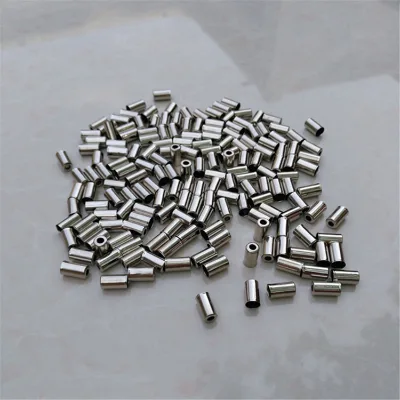
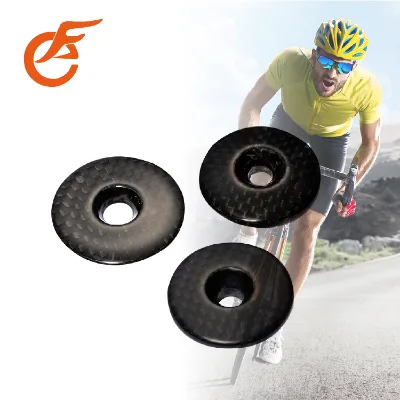


Comprehensive Sourcing Guide
Strategic Sourcing Guide for Colourful Bicycle Spoke Caps
Navigating the global market for bicycle components requires a nuanced understanding of product variations, regulatory landscapes, and supply chain dynamics. When sourcing Colourful Bicycle Spoke Caps, buyers must distinguish between generic fasteners and specialized aesthetic or functional accessories. The available data indicates a diverse product ecosystem originating primarily from China, specifically the Hebei province, which is a recognized hub for bicycle manufacturing. This guide synthesizes observed market facts to provide a disciplined framework for procurement professionals seeking to secure high-quality spoke caps while mitigating supply chain risks.
Technical Specifications and Material Composition
The foundation of any successful procurement strategy lies in a precise definition of technical specifications. For bicycle spoke caps, the primary material observed in the market is steel, which offers the necessary tensile strength to withstand the dynamic loads of cycling. However, the market also presents items made from polyester and spandex, suggesting that the term "spoke caps" may sometimes encompass related accessories like cycling caps or protective covers, or that the product data reflects a mixed catalog of bicycle-related goods. Buyers must verify the specific material composition of the target item to ensure it aligns with the intended application.
Dimensions are a critical differentiator in this category. The observed data reveals a wide spectrum of lengths, ranging from less than 60mm to over 250mm, with specific standard sizes noted between 110mm and 308mm. Some listings specify a length of 60-150mm, while others indicate custom sizing. The diameter or gauge is also significant; one observed specification is 14G, which is a common gauge for bicycle spokes. The shape is consistently reported as round, and the surface treatment varies, including polishing, anodizing, and electroplating options such as UCP, Cp, or ED. These surface treatments are essential for corrosion resistance and aesthetic appeal, particularly for "colourful" variants where the finish determines the final visual impact.
Buyers should not assume a single standard applies to all products. The data indicates that "various" standards exist, and some products are strictly "by customized." Therefore, the procurement process must begin with a clear request for technical drawings or dimension sheets that confirm the exact length, gauge, and thread compatibility required for the specific bicycle model, whether it is a mountain bike, road bike, or kids' bike.
Compliance, Certification, and Regulatory Standards
In the B2B bicycle component sector, compliance is not merely a formality but a prerequisite for market access. The observed product data lists several certifications, including BSCI, CE, ISOCE, and EEC. These acronyms represent different compliance frameworks. CE marking, for instance, is a mandatory conformity mark for products sold within the European Economic Area, indicating that the manufacturer has met EU safety, health, and environmental requirements. The presence of BSCI (Business Social Compliance Initiative) suggests that the supplier adheres to specific social standards regarding labor practices, which is increasingly important for international buyers concerned with ethical sourcing.
However, the data also lists "ISOCE," which is not a standard international certification acronym like ISO 9001. This discrepancy highlights the need for rigorous verification. Buyers must request valid, up-to-date certification documents directly from the supplier rather than relying on marketing claims. The presence of "EEC" (European Economic Community) certification further reinforces the need to verify if the product meets current EU directives, as the EEC designation is often used interchangeably with CE in older or less formal contexts.
When evaluating suppliers, buyers should verify that the certifications listed are specific to the product being purchased. A supplier may hold BSCI certification for their factory but not have specific product testing for the spoke caps. Furthermore, the data mentions "High Quality" and "100% Tested" as attributes. While these are positive indicators, they are observations rather than guaranteed performance metrics. Procurement teams should demand third-party test reports that validate the tensile strength, corrosion resistance, and colorfastness of the colourful finish, ensuring the product meets the specific safety standards of the destination market.
Cost Drivers and Pricing Dynamics
Understanding the cost structure of bicycle spoke caps is essential for budgeting and negotiation. The observed price range in the market is quite broad, spanning from $0.01 to $7.01 USD. This significant variance is likely driven by several factors, including material quality, surface treatment complexity, order volume, and customization requirements. The lower end of the spectrum likely represents bulk orders of standard, uncoated, or minimally treated steel caps, while the higher end may reflect custom colors, premium anodizing, or smaller batch sizes with intricate designs.
The Minimum Order Quantity (MOQ) is another critical cost driver. The observed MOQ range is between 2 and 1000 units. Suppliers with lower MOQs (e.g., 2 units) may charge a premium per unit to cover setup and handling costs, whereas suppliers requiring an MOQ of 1000 units can offer significantly lower unit prices due to economies of scale. Buyers must balance their inventory needs against their budget constraints. If a buyer requires a large volume of custom-colored caps, negotiating a higher MOQ to secure a lower unit price is a standard strategy. Conversely, for prototyping or small-scale repairs, a higher unit cost with a low MOQ may be necessary.
Packaging also influences cost. The data indicates options for "Standard" packaging, "Carton Box," or packaging "According to Your Need." Custom packaging solutions, such as branded boxes or specific carton dimensions (e.g., 501010 cm), will incur additional costs. Buyers should factor these logistics expenses into their total landed cost calculations, as they can significantly impact the final price per unit, especially for small orders.
Typical Applications and Product Variations
The versatility of bicycle spoke caps is evident in the diverse applications listed in the product data. These components are designed for a wide array of bicycle types, including ordinary bicycles, mountain bikes, road bikes, and kids' bikes. The data also mentions BMX usage, indicating that the product line extends to performance-oriented and recreational cycling sectors. The "colourful" aspect of the product is particularly relevant for custom builds, where riders seek to personalize their bicycles with specific color schemes or branding.
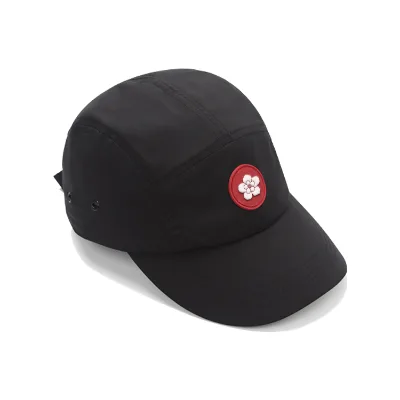
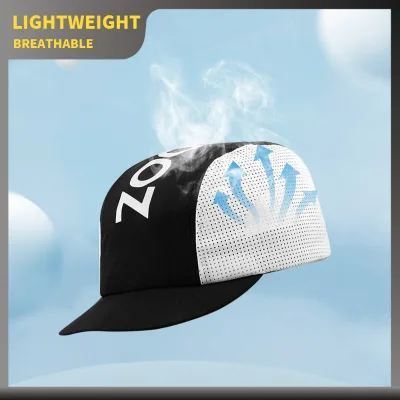
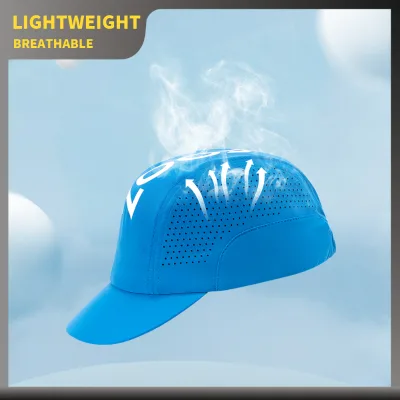
The data also includes references to "Cycling Cap" and "Cycling Cap&Hat," along with materials like polyester and spandex. This suggests that some listings under the keyword "spoke caps" may actually refer to headwear or that the supplier offers a broad range of cycling accessories. Buyers must exercise caution to ensure they are sourcing the correct component. For actual spoke caps, the application is functional (preventing spoke thread damage) and aesthetic. For cycling caps, the application is protective and aerodynamic. The distinction is vital for procurement accuracy.
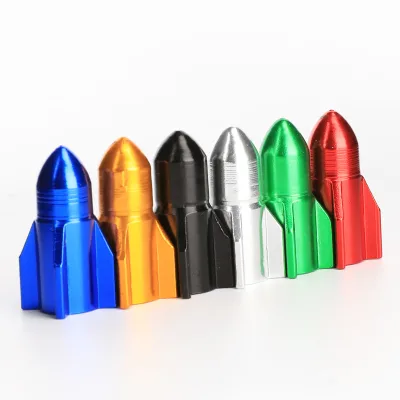
The "Patterned" attribute and "Black, Other" color options further illustrate the customization potential. Buyers looking for specific color matching or unique patterns should verify the supplier's capability to produce "Customized" items, as the data confirms that customization is available for some products but not others. The "Non-Customized" attribute in the data serves as a reminder that standard stock items are also available, which may be preferable for buyers seeking immediate delivery without the lead time associated with custom manufacturing.
Supplier Evaluation and Origin Verification
Geographic origin plays a significant role in supplier evaluation. The data consistently points to China as the primary origin, with specific mentions of Xingtai, Hebei, and general Hebei province. Xingtai is a well-known industrial city in Hebei, often referred to as the "Bicycle Capital of China," due to its high concentration of bicycle component manufacturers. Sourcing from this region can offer competitive pricing and a mature supply chain. However, buyers must verify the specific location of the factory to ensure it aligns with their logistics strategy and to assess the reliability of the local infrastructure.
When evaluating suppliers, the "Supply Type" is a key indicator. The data mentions "OEM Service," which implies that the supplier is capable of Original Equipment Manufacturing, allowing buyers to have products manufactured under their own brand. This is a crucial capability for buyers looking to create a private label. Buyers should assess the supplier's capacity for OEM services, including their ability to handle custom molds, packaging, and branding requirements.
The "Condition" of the products is listed as "New," which is standard for B2B procurement but worth confirming. Additionally, the "Quality" attribute is described as "100% Tested." While this is a strong claim, buyers should request evidence of the testing protocols used. A robust supplier evaluation process should include a review of the supplier's quality control procedures, their response to defects, and their track record in meeting delivery timelines. The "Standard or Meet Your Requirements" packaging option also indicates flexibility, which is a positive sign for a supplier's adaptability to buyer needs.
Quality Control and Long-Term Procurement Considerations
Ensuring consistent quality is paramount in long-term procurement relationships. The data highlights "High Quality" and "100% Tested" as key attributes, but these must be backed by a systematic quality control (QC) plan. Buyers should implement a QC strategy that includes pre-production sample approval, in-process inspections, and final random inspections (AQL standards). Given the variation in surface treatments like polishing and anodizing, visual inspection for color consistency and finish defects is essential.
Long-term procurement considerations also involve supply chain resilience. The "Lead Time" is not explicitly detailed in the data, but the range of MOQs and customization options suggests that lead times may vary significantly. Custom orders will naturally require more time than standard stock items. Buyers should establish clear communication channels with suppliers to monitor production schedules and anticipate potential delays. The "Standard or According to Your Need" packaging option offers flexibility, but buyers should standardize packaging requirements early to streamline logistics and reduce costs over time.
Finally, buyers should consider the scalability of the supplier. As demand grows, the supplier must be able to increase production capacity without compromising quality. The presence of multiple certifications and a diverse product range suggests that the supplier has the infrastructure to scale. However, buyers should regularly audit the supplier's performance against key metrics such as on-time delivery, defect rates, and responsiveness to changes in order specifications. By maintaining a disciplined approach to quality control and supplier evaluation, buyers can secure a reliable supply of Colourful Bicycle Spoke Caps that meet their technical and commercial requirements.
FAQs
What materials are used for Colourful Bicycle Spoke Caps?
Steel is the primary material used for these caps to ensure tensile strength. Some listings also include polyester or spandex, which may refer to related cycling accessories rather than the caps themselves.
Can I find custom sized Colourful Bicycle Spoke Caps?
Yes, customization is available for many products with lengths ranging from 60mm to over 250mm. Buyers must verify specific gauge and thread compatibility for their mountain, road, or kids bikes before ordering.
Which certifications do these spoke caps typically hold?
Common certifications include BSCI, CE, and EEC for European compliance. Some listings mention ISOCE, but buyers should request valid documents to verify specific product testing and social compliance standards.
How does the price range vary for these components?
Prices range from 0.01 to 7.01 USD depending on volume and finish. Lower costs apply to bulk standard steel caps, while higher prices reflect custom colors, anodizing, or smaller order quantities.
Where are these bicycle spoke caps primarily manufactured?
Products originate mainly from China, specifically the Hebei province and Xingtai city. This region is a recognized hub for bicycle manufacturing, offering competitive pricing and a mature supply chain.
What surface treatments are applied to these caps?
Surface treatments include polishing, anodizing, and electroplating options like UCP, Cp, or ED. These finishes provide corrosion resistance and determine the final visual impact of the colorful variants.