Source Colorless Octyl Methoxycinnamate for Sunscreens, Cosmetics, and Skincare
Find 30 listings for Colorless Octyl Methoxycinnamate to compare specifications such as purity, CAS numbers, and packaging options. Evaluate suppliers offering liquid or powder forms with various MOQs and delivery times for your chemical sourcing needs.
Key considerations
Products List


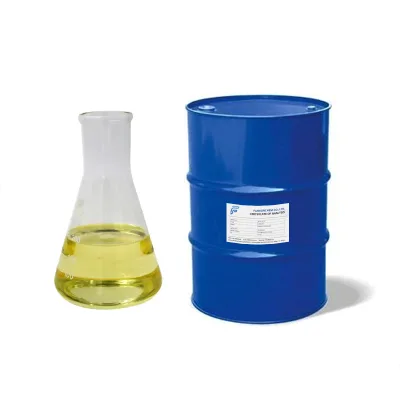


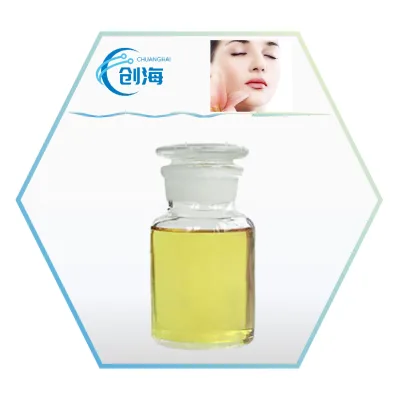
High Quality UV Absorption USP Grade Octyl 4-methoxycinnamate CAS 5466-77-3
$15.00 - $30.00
MOQ: 1 Minimum


Economical Colourless Methyl Methacrylate Liquid Chemical Reagent for Mass Production
$1400.00 - $1600.00
MOQ: 1 Tons

Economical Colourless Methyl Methacrylate Liquid Chemical Reagent From China
$1400.00 - $1600.00
MOQ: 1 Tons


Comprehensive Sourcing Guide
Colorless Octyl Methoxycinnamate Sourcing Guide
Procuring Colorless Octyl Methoxycinnamate requires a disciplined approach to distinguishing between raw chemical intermediates and finished synthesis materials, as the market often lists these under overlapping identifiers. Buyers must recognize that while the core keyword refers to a specific UV filter, the supply chain frequently categorizes it under broader headings like "Organic Chemical Material" or "Synthesis Material Intermediates." This distinction is critical because the intended application—whether for cosmetic formulation, pharmaceutical synthesis, or industrial use—dictates the necessary purity levels and packaging standards. A failure to align the product listing with the specific end-use can result in receiving materials that, while chemically similar, lack the required grade for regulatory compliance in sensitive industries.
The observed market data indicates a significant variance in product states, ranging from liquid to solid forms, which directly impacts handling and storage logistics. Some listings describe the material as a liquid with a density around 1.0 g/cm³, while others specify a solid state with a melting point near -25°C, suggesting that the physical form may depend on the specific batch or the presence of stabilizers. Buyers should verify the exact physical state against their processing equipment capabilities, as switching between liquid and solid forms may require different mixing temperatures or solvent systems. Furthermore, the availability of customization in packaging and the presence of stock items suggest that lead times can vary drastically, making it essential to confirm immediate availability versus production lead times before finalizing orders.
Product Scope and Observed Listing Signals
When evaluating product listings, buyers must scrutinize the specific model numbers and CAS identifiers to ensure they are sourcing the correct isomer and purity grade. The market data reveals multiple model references, including "CT3607," "197," and specific CAS numbers like "5466-77-3," which serves as a primary verification point for the chemical identity. It is common to see variations where the same CAS number is paired with different standard purity claims, such as 95%-105% or 99%, indicating that the "standard" listed may refer to assay ranges rather than a fixed purity threshold. Procurement teams must cross-reference these model codes with the specific CAS number to avoid confusion between different synthesis intermediates that may share similar naming conventions but possess distinct chemical properties.
The visual and physical attributes listed in product descriptions provide immediate signals about the product's condition and potential suitability for specific applications. Listings frequently describe the color as "colorless," "yellow," or "white," and the state as either "liquid" or "solid," which can be contradictory if not contextualized by temperature or formulation. For instance, a "colorless" liquid state is often preferred for cosmetic applications to ensure transparency, whereas a "yellow" or "white" powder might indicate a different grade or a raw intermediate requiring further processing. Buyers should treat these color and state observations as variable attributes rather than fixed specifications, verifying the actual sample appearance against the supplier's current stock to ensure it matches the visual requirements of the final product.
Technical Specifications to Verify
Density and boiling point are critical physical parameters that must be verified against the supplier's certificate of analysis to ensure process compatibility. The observed data points to a density of approximately 1.009 g/cm³ or a range of 1.0 ± 0.1 g/cm³, with boiling points cited as high as 405.3 ± 20.0°C at standard pressure. These values are essential for calculating dosing rates in liquid formulations and for designing distillation or evaporation processes in manufacturing. A deviation from these observed ranges could indicate the presence of impurities or a different chemical variant, so buyers should request specific test results for density and boiling point rather than relying solely on the general product description.
Purity standards and shelf life are equally vital for maintaining product consistency and ensuring long-term stability in the supply chain. The market data shows purity claims ranging from 98% to 99%, with some standards expressed as a range of 95%-105%, which requires careful interpretation regarding the acceptable assay limits. Additionally, shelf life is listed variably as 24 months or 2 years, suggesting that storage conditions play a significant role in the material's longevity. Buyers must confirm the specific storage requirements, such as keeping the material in a "cool dry place," and verify that the packaging, whether in 25kg drums or 200kg drums, is designed to maintain these conditions throughout the product's lifecycle.
Compliance and Safety Documentation
Regulatory compliance for Colorless Octyl Methoxycinnamate often hinges on the specific quality grade, such as "Industrial," "Refined," or "Synthetic Flavor," which dictates the applicable safety documentation. While the product is widely used as an organic chemical material, the intended application—whether in cosmetics, pharmaceuticals, or industrial solvents—determines the necessary safety data sheets (SDS) and regulatory certificates. Buyers should not assume that a product labeled as "Industrial" grade meets the stringent purity and safety requirements for cosmetic or pharmaceutical use, and they must explicitly request documentation that aligns with the regulatory framework of their target market.
The origin of the material, frequently listed as "China" or specifically "Shandong China," influences the type of compliance documentation available and the rigor of the quality control processes. Suppliers from this region may offer different levels of certification, and buyers must verify that the provided documentation meets international standards rather than just local requirements. It is crucial to confirm that the supplier can provide a Certificate of Analysis (CoA) that details the specific impurities and heavy metal content, as these factors are often the deciding elements in regulatory approval for sensitive applications. Without this documentation, the risk of non-compliance with international safety standards increases significantly.
Cost Drivers and Commercial Terms
The pricing structure for Colorless Octyl Methoxycinnamate is heavily influenced by the minimum order quantity (MOQ) and the packaging configuration, which can range from 1 unit to 200 units depending on the supplier. The observed MOQs vary significantly, with some listings requiring a minimum of 25kg, while others may have lower thresholds for sample orders or customized packaging. Buyers should analyze the cost per kilogram relative to the MOQ, as larger drum sizes like 200kg may offer better unit economics but require more storage capacity and capital outlay. Understanding these commercial terms is essential for optimizing inventory levels and managing cash flow, especially when dealing with fluctuating market prices.
Lead times and delivery capabilities are additional cost drivers that can impact the overall procurement strategy and supply chain resilience. The market data indicates a potential delivery time of 48 hours for stocked items, but this may not apply to all orders, particularly those requiring customization or production from scratch. Buyers must distinguish between "in stock" items and those that require production lead times, as this distinction affects the ability to respond to sudden demand spikes. Negotiating clear terms regarding delivery times and the conditions under which they apply can prevent costly delays and ensure that production schedules are not disrupted by supply chain bottlenecks.
Supplier Qualification and Quality Control
Supplier qualification should focus on their ability to provide samples and their track record in maintaining consistent quality standards across different batches. The availability of samples is a key indicator of a supplier's confidence in their product and their willingness to engage in a verification process before a large order is placed. Buyers should utilize these sample opportunities to test the physical properties, such as color, state, and purity, against their internal specifications. A supplier that readily supports sampling and provides detailed technical data is more likely to be a reliable partner for long-term procurement than one that is hesitant to share product information.
Quality control processes must be verified through the supplier's adherence to specific standards and their ability to maintain product consistency. The observed standards, such as 98% or 99% purity, should be backed by rigorous internal testing protocols and third-party verification where necessary. Buyers should inquire about the supplier's quality management systems and how they handle deviations from the stated standards, such as the 95%-105% range observed in some listings. Ensuring that the supplier has a robust quality control framework in place is essential for mitigating the risk of receiving substandard materials that could compromise the final product's performance and safety.
Long-Term Procurement Checks
Establishing a long-term procurement strategy requires regular audits of the supplier's ability to maintain consistent product specifications and delivery performance. Buyers should implement a schedule for periodic re-verification of key parameters, such as density, boiling point, and purity, to ensure that the product has not drifted from the agreed-upon standards over time. This proactive approach helps identify potential issues early, allowing for corrective actions before they impact production or product quality. Consistent monitoring of these technical specifications is crucial for maintaining the integrity of the supply chain and ensuring that the material remains suitable for its intended applications.
Supply chain resilience also depends on the supplier's ability to adapt to changing market conditions and regulatory requirements. Buyers should maintain open communication channels with suppliers to stay informed about any changes in product standards, packaging, or origin that could affect the procurement process. The ability of the supplier to offer customized packaging and adapt to specific requests is a valuable asset in a dynamic market. By fostering a collaborative relationship with suppliers and regularly reviewing their performance against key metrics, buyers can build a more resilient and efficient supply chain that can withstand future challenges and market fluctuations.
FAQs
What is the CAS number for Colorless Octyl Methoxycinnamate?
The CAS number is 5466-77-3, with 83834-59-7 also listed as a variant. This identifier confirms the chemical structure for procurement. Buyers should verify the specific CAS code with suppliers to ensure the correct intermediate is sourced for their synthesis or formulation needs.
What is the typical purity standard for this product?
Purity standards typically range from 95% to 105% or 99%, depending on the specific grade. Industrial and refined variants are available. Buyers must confirm the exact percentage with the supplier, as standards vary by manufacturer and intended application in organic chemical materials.
How is Colorless Octyl Methoxycinnamate packaged for shipment?
Packaging options include 200kg drums, 25kg drums, or customized packaging as per request. Some listings specify drum packing or bag options. Buyers should specify their preferred packaging type during inquiry to ensure compatibility with their storage facilities and handling requirements.
Can buyers request samples before placing a bulk order?
Yes, sample support is available for many suppliers. This allows buyers to verify quality, appearance, and specifications before committing to larger quantities. Buyers should contact vendors directly to arrange sample shipments and confirm any associated costs or shipping terms.
What is the typical lead time for delivery?
Delivery times can be as fast as 48 hours for stocked items. However, lead times vary based on inventory levels and order size. Buyers should confirm current stock status and production schedules with suppliers to ensure timely receipt of materials for their projects.
Where is this product typically manufactured?
Products are often manufactured in China, with specific origins noted in Shandong. Buyers should verify the exact manufacturing location with suppliers, as origin affects logistics, compliance, and sourcing strategies. Confirming the origin ensures alignment with regional trade requirements and quality expectations.