Source Commercial Birch HPL Plywood for Indoor, Outdoor, Sports
Compare 30 listings of commercial birch HPL plywood with varying ply counts, sizes, and bonding strengths. Buyers can evaluate options for indoor, outdoor, and sports applications based on formaldehyde emission standards and moisture content; compare the available evidence and request quotations based on your requirements.
Key considerations
Products List


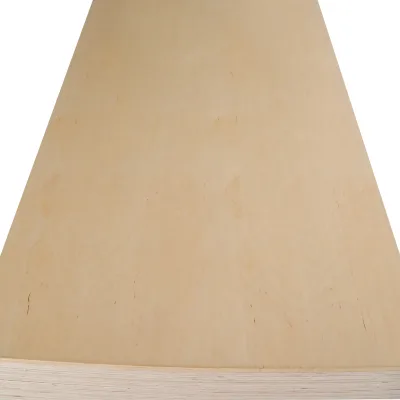
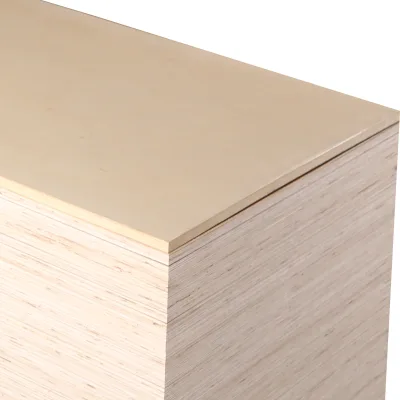
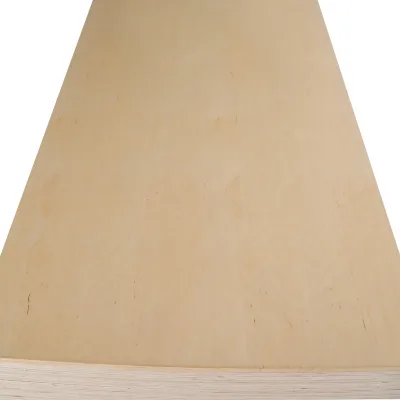


Comprehensive Sourcing Guide
Commercial Birch HPL Plywood Sourcing Guide
Sourcing commercial-grade birch plywood with High-Pressure Laminate (HPL) finishes requires a disciplined approach to material verification and supplier qualification. The market offers a diverse range of products, with observed listings indicating a price spectrum from $1 to $820 USD and minimum order quantities (MOQs) varying significantly from single units up to 5,000 pieces. Buyers must navigate this variability by focusing on specific technical attributes rather than general descriptions. The core material is often identified as birch, though some listings also reference poplar or laminate wood composites, necessitating strict verification of the actual veneer composition.
Procurement decisions should be grounded in the specific ply count and dimensional specifications relevant to the project. Available configurations include 5-ply, 7-ply, 9-ply, 12-ply, and 13-ply structures, with standard dimensions frequently cited as 1220x2440mm. Thicknesses range from 5mm to 18mm, allowing for tailored solutions in furniture, cabinetry, and interior paneling. Understanding these structural differences is critical, as ply count directly influences stability, load-bearing capacity, and surface flatness, which are paramount for high-end commercial applications where aesthetic consistency and durability are non-negotiable.
Product Scope and Observed Listing Signals
The product scope for commercial birch HPL plywood encompasses a wide array of structural and aesthetic variations. Listings indicate that materials may include birch, poplar, or hardwood veneers, with grain patterns ranging from straight to irregular. This diversity means that buyers cannot assume uniformity across all suppliers. The presence of HPL finishes suggests a focus on durability and resistance to wear, making these panels suitable for high-traffic commercial environments. However, the specific type of laminate and its bonding quality must be confirmed through sample review, as visual cues in product catalogs may not fully represent the tactile and chemical properties of the finished surface.
Functional attributes observed in the market include waterproofing, soundproofing, anti-static properties, and thermal insulation capabilities. These features expand the utility of birch plywood beyond simple structural applications, allowing for use in specialized commercial settings such as laboratories, healthcare facilities, or performance venues. Additionally, joint systems like click systems and installation methods such as glue-down are noted, indicating versatility in deployment. Buyers should align these functional claims with their specific project requirements, ensuring that the selected plywood meets the environmental and operational demands of the intended indoor or outdoor use cases.
Technical Specifications to Verify
Verification of technical specifications is the cornerstone of reliable procurement. Buyers must confirm the exact ply type, whether it is a standard 5-ply, 7-ply, or higher configuration like 9-ply or 13-ply, as this dictates the panel's rigidity and resistance to warping. The moisture content is a critical parameter, with observed ranges indicating values between 7% and 9%. Maintaining this balance is essential to prevent dimensional instability after installation. Additionally, the bonding strength should be verified, with standards such as I(NQF) or Ⅲ(Nc) serving as indicators of adhesive quality and durability under stress.
Dimensional accuracy and surface finish are equally important. Standard sizes like 1220x2440mm are common, but thicknesses vary from 5mm to 18mm, requiring precise matching to design specifications. The grain pattern, whether straight or angle grain, affects the aesthetic outcome, particularly when HPL is applied. Buyers should also inquire about the glue type, with melamine or WBP (Weather and Boil Proof) adhesives being common indicators of quality. Confirming these details ensures that the delivered product meets the structural and visual expectations of the commercial project, minimizing the risk of costly rework or material failure.
Compliance and Safety Documentation
Compliance with formaldehyde emission standards is a primary concern in commercial procurement. Observed listings reference various grades, including E1, E-Grade, and Grade One, indicating different levels of chemical emission control. Buyers must verify which standard applies to the specific product, as E1 is a common baseline for indoor air quality safety in many regions. Documentation such as test reports from accredited laboratories should be requested to confirm these claims. Without verified documentation, there is a risk of non-compliance with local building codes and health regulations, potentially leading to project delays or legal liabilities.
Additional certifications, while not explicitly confirmed in all listings, may include FSC or CE marks, suggesting adherence to sustainable forestry practices or European conformity standards. Buyers should treat these as potential attributes rather than guaranteed facts and request proof of certification from the supplier. Furthermore, understanding the origin of the product, often listed as China or specific regions like Shandong, can provide context for manufacturing practices and quality control systems. Ensuring that all safety and environmental documentation is complete and verifiable is essential for maintaining the integrity of the commercial project and protecting end-users from health hazards.
Cost Drivers and Commercial Terms
Cost structures for commercial birch HPL plywood are influenced by multiple factors, including material grade, ply count, and surface finish quality. The observed price range of $1 to $820 USD reflects significant variation based on these attributes. Higher-grade birch with superior bonding strength and specialized HPL finishes will command premium prices. Buyers should analyze the cost per square meter or per sheet to compare value across different suppliers. It is crucial to understand what is included in the quoted price, such as packaging, handling, and any applicable taxes or duties, to avoid hidden costs that can impact the overall budget.
Minimum order quantities (MOQs) also play a significant role in commercial terms, ranging from 1 to 5,000 units. Larger orders may benefit from volume discounts, but they also require careful inventory management to prevent storage issues or material degradation. Packaging methods, such as standard export packages or wood pallets, can affect shipping costs and handling requirements. Buyers should negotiate clear terms regarding delivery schedules, payment methods, and return policies. Establishing a transparent commercial agreement helps mitigate financial risks and ensures that the procurement process aligns with the project's timeline and budget constraints.
Supplier Qualification and Quality Control
Supplier qualification is a critical step in ensuring the reliability of commercial birch HPL plywood supplies. Buyers should verify the supplier's manufacturing capabilities, including whether they operate their own factory or act as a trading company. Factory-direct suppliers often provide better control over quality and pricing. Additionally, checking the supplier's history and reputation in the market can provide insights into their consistency and reliability. Requesting references or case studies from previous commercial projects can help validate their ability to deliver high-quality products on time.
Quality control processes should be rigorously evaluated. Buyers should inquire about the supplier's internal testing procedures, including checks for moisture content, bonding strength, and formaldehyde emissions. Third-party inspections may be necessary for large orders to ensure that the delivered goods match the agreed specifications. Establishing a clear communication channel with the supplier for addressing any discrepancies or defects is also essential. By prioritizing suppliers with robust quality control systems and transparent operations, buyers can reduce the risk of receiving substandard materials and ensure the success of their commercial projects.
Long-Term Procurement Checks
Long-term procurement success depends on establishing ongoing performance metrics and relationship management. Buyers should implement a system for tracking the performance of delivered materials, including any issues related to warping, delamination, or surface damage. Regular feedback loops with the supplier can help identify areas for improvement and foster a collaborative partnership. Additionally, staying informed about changes in industry standards and regulations is crucial for maintaining compliance over time. This proactive approach ensures that the procurement strategy remains aligned with evolving project requirements and market conditions.
Reviewing and updating supplier contracts periodically can help capture new opportunities for cost savings or improved service levels. Buyers should also consider diversifying their supplier base to mitigate risks associated with supply chain disruptions. Building relationships with multiple qualified suppliers can provide flexibility and resilience in the face of market volatility. By maintaining a strategic focus on quality, compliance, and supplier performance, buyers can secure a reliable supply of commercial birch HPL plywood that supports the long-term success of their projects and enhances their competitive position in the market.
FAQs
What customization options are available for commercial birch hpl plywood?
Customization is available for commercial birch hpl plywood to meet specific project needs. Buyers can request tailored specifications such as different ply counts ranging from 5 to 13 plies. The product also supports various formaldehyde emission standards including E1 and Excellent Grade options for safety compliance.
Which plywood types are offered for indoor and outdoor usage?
The product line includes 5-ply, 7-ply, 9-ply, 12-ply, and 13-ply plywood types suitable for both indoor and outdoor applications. These boards feature straight or irregular grain patterns and are constructed using birch, poplar, or hardwood materials. They are designed to withstand diverse environmental conditions while maintaining structural integrity.
How are the plywood sheets packed for standard export shipping?
Plywood sheets are packed using standard export packages, wood pallets, or pallet packing methods to ensure safe transit. The packaging is designed to protect the 1220x2440mm boards during long-distance shipping. This approach minimizes damage risks and ensures the product arrives in excellent condition for immediate commercial or household installation.
Can the plywood meet specific formaldehyde emission standards like E1?
Yes, the plywood meets formaldehyde emission standards including E1 and Excellent Grade classifications. These standards ensure low emissions suitable for indoor environments. The product also adheres to Grade One requirements, providing a safe and compliant solution for residential, commercial, and sports facility projects requiring strict air quality regulations.
What bonding strength and glue types are used in the plywood?
The plywood utilizes Melamine or WBP glue to achieve high bonding strength classified as I(NQF) or III(Nc). This ensures durability and resistance to moisture and heat. The construction supports various applications including waterproof and soundproof requirements, making it reliable for demanding commercial and outdoor structural uses.
Which specifications are available for the commercial birch hpl plywood?
Available specifications include standard sizes of 1220x2440mm with thicknesses ranging from 5mm to 18mm. Specific models like HC084 and HC are offered with varying ply counts. These dimensions accommodate diverse construction needs while maintaining the high-grade quality expected from First-Class birch and poplar wood materials.
Where are the commercial birch hpl plywood products manufactured?
The products are manufactured in China, specifically in locations such as Shouguang, Shandong. This origin ensures access to high-quality raw materials like birch and poplar. The factories are equipped to handle large orders with standard export packaging, supporting global supply chains for commercial and industrial buyers.