Source Furniture Making Block Board for Cabinets, Doors, and Shelves
Compare 30 verified listings for Furniture Making Block Board from Chinese manufacturers. Buyers can evaluate specifications like thickness, core materials, and certifications to find suitable options for cabinetry, doors, and shelving projects; compare the available evidence and request quotations based on your requirements.
Key considerations
Products List


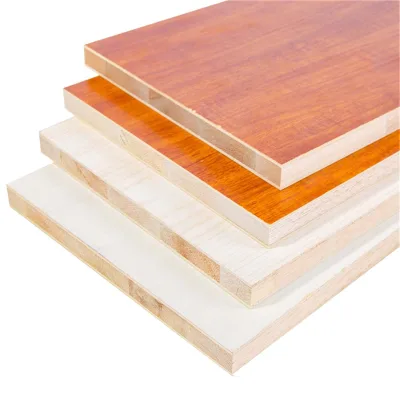
Furniture Joinery Boards Melamine Coated Woodworking Laminated Block Board
$13.00 - $16.00
MOQ: 500 Pieces


Comprehensive Sourcing Guide
Furniture Making Block Board Sourcing Guide
Procuring block board for furniture manufacturing requires a disciplined approach to verifying material integrity and structural consistency. Buyers must distinguish between solid core constructions and engineered alternatives, as the internal composition directly impacts load-bearing capacity and dimensional stability. The observed listings indicate a focus on natural bamboo and wood-based composites, which serve distinct purposes in cabinetry and paneling. Understanding the specific tree species and core material is essential before finalizing a purchase order.
The market offers a wide range of product configurations, from 3-layer structures to solid bamboo pieces. Buyers should clarify whether the supplier provides finished surfaces or raw boards requiring additional processing. The presence of certifications like CE suggests adherence to certain European safety and environmental standards, but this does not guarantee uniform quality across all batches. It is critical to request sample boards to assess surface finish, edge quality, and core density. This initial evaluation helps mitigate the risk of receiving substandard materials that could compromise the final furniture product.
Product Scope and Observed Listing Signals
The observed product scope includes both natural bamboo boards and wood-based block boards, with specific mentions of Okoume and Poplar core materials. Listings highlight dimensions such as 1220x2440mm and thicknesses ranging from 9mm to 25mm, with 18mm being a common specification. These dimensions align with standard international panel sizes, facilitating easier logistics and storage. Buyers should verify if the supplier offers custom cutting services or if all boards are supplied in standard sheet sizes.
Material composition varies significantly, with some products featuring solid bamboo cores while others use layered wood structures. The "First-Class" and "High Grade" designations suggest a tiered quality system, but these terms are not universally standardized. Buyers must request detailed material breakdowns to understand the proportion of core material versus veneer. Additionally, the availability of customization options allows for specific surface treatments or edge banding, which can reduce downstream processing costs. Clarifying these scope details early prevents mismatches between expected and delivered product specifications.
Technical Specifications to Verify
Technical verification begins with confirming the board's core structure and layer composition. For 3-layer structures, buyers should inspect the alignment of the grain direction in the core and face layers to ensure proper cross-lamination. This alignment is crucial for preventing warping and twisting during the furniture assembly process. The surface material, whether Okoume or other hardwoods, must be free from knots, splits, and discoloration. A detailed inspection of the surface finish is necessary to ensure it meets the required aesthetic standards for visible furniture components.
Dimensional accuracy is another critical technical parameter. Buyers should verify that the board thickness and panel dimensions fall within acceptable tolerances, typically measured in millimeters. Inconsistent thickness can lead to assembly issues and uneven joints in the final product. Additionally, the formaldehyde emission standards, such as E1 or E0 grades, must be confirmed through third-party testing reports. These reports provide objective data on volatile organic compound levels, ensuring the product meets health and safety regulations. Requesting these technical documents before placing a bulk order is a standard best practice.
Compliance and Safety Documentation
Compliance documentation is a non-negotiable aspect of sourcing block board for furniture, particularly for export markets. The presence of CE certification indicates that the product meets European Union safety, health, and environmental protection requirements. However, buyers should not rely solely on the certification label; they must request the specific certificate number and verify its validity with the issuing body. This step ensures that the certification is current and covers the specific product batch being purchased.
Formaldehyde emission standards are a key component of compliance, with listings referencing E-grade classifications. Buyers should ensure that the supplier provides test reports from accredited laboratories, confirming that the board meets the specified emission limits. These reports should include the testing method used, such as the chamber method or the extraction method, to ensure comparability. Additionally, any special functions claimed, such as waterproofing or wear resistance, should be supported by relevant test data. This documentation protects the buyer from potential legal liabilities and ensures the product is safe for indoor use.
Cost Drivers and Commercial Terms
The cost of Furniture Making Block Board is influenced by several factors, including material grade, thickness, and surface finish. Higher-grade materials, such as First-Class bamboo or solid wood cores, typically command a premium price compared to lower-grade alternatives. Buyers should request itemized quotes that break down the cost per square meter or per sheet, allowing for accurate budgeting. The observed price range of $6.8 to $400 reflects the diversity in product specifications, so it is essential to compare like-for-like products when evaluating offers.
Commercial terms, including minimum order quantities (MOQ) and payment structures, also impact the total cost of procurement. MOQs can range from 1 to 1000 units, depending on the supplier and product type. Buyers should negotiate terms that align with their production schedule and storage capacity. Payment terms, such as letters of credit or advance payments, should be clearly defined in the contract to mitigate financial risk. Additionally, shipping and insurance costs should be included in the total landed cost calculation to ensure a comprehensive understanding of the procurement expense.
Supplier Qualification and Quality Control
Supplier qualification involves assessing the manufacturer's production capabilities, quality management systems, and track record. Buyers should request information on the supplier's factory size, production capacity, and years of experience in the industry. A reputable supplier will have a robust quality control process, including incoming material inspection, in-process checks, and final product testing. Visiting the factory, if possible, provides valuable insights into the production environment and the supplier's commitment to quality.
Quality control measures should be documented and verifiable. Buyers should request samples of the product for pre-shipment inspection to ensure that the bulk order meets the agreed specifications. This inspection should cover surface quality, dimensional accuracy, and structural integrity. Additionally, the supplier should provide a clear return policy for defective products, outlining the process for claiming compensation or replacement. Establishing a strong relationship with the supplier based on transparency and mutual trust is essential for long-term procurement success.
Long-Term Procurement Checks
Long-term procurement requires ongoing monitoring of supplier performance and market trends. Buyers should establish key performance indicators (KPIs) to track delivery times, quality consistency, and responsiveness to issues. Regular audits of the supplier's production facilities can help identify potential risks and areas for improvement. Maintaining open communication channels with the supplier ensures that any changes in material availability or production schedules are addressed promptly.
Market trends, such as fluctuations in raw material prices and changes in regulatory requirements, should be monitored to adjust procurement strategies accordingly. Buyers should consider diversifying their supplier base to reduce dependency on a single source and mitigate supply chain risks. Additionally, exploring alternative materials or specifications can provide cost-saving opportunities without compromising product quality. By staying informed and proactive, buyers can ensure a stable and efficient supply of Furniture Making Block Board for their manufacturing operations.
FAQs
What certifications do the furniture making block boards have?
The products hold CE certification and meet EU standards for safety and quality. This ensures compliance with international regulations for indoor furniture applications. Buyers can verify these documents before placing orders to confirm the material meets required safety thresholds for export markets.
Which customization options are available for the block board?
Customization is available to meet specific buyer requirements for dimensions and finishes. Suppliers can adjust the board core structure and surface materials like Okoume or Poplar. This flexibility allows manufacturers to tailor products for unique furniture designs while maintaining high-grade quality standards.
How is the Furniture Making Block Board packed for shipping?
The boards are packed in cartons or on standard exporting pallets for protection. Some shipments use steel reinforcement to ensure strength during transit. This packaging method prevents damage and ensures the 1220x2440mm boards arrive in perfect condition for immediate processing and utilization.
Can the block board be used for indoor furniture applications?
Yes, the product is specifically designed for indoor usage in furniture and door manufacturing. It features a solid core structure with waterproof and heat insulation properties. The synchronized melamine paper finish provides a decorative surface suitable for various interior design projects.
What are the formaldehyde emission standards for this board?
The board meets First-Class formaldehyde emission standards to ensure safety. This grade indicates low emissions suitable for indoor environments where air quality is critical. Buyers can rely on these specifications for creating healthy living spaces without compromising on structural integrity.
Which material grades are used in the Furniture Making Block Board?
The product utilizes high-grade and first-class materials including bamboo, Okoume, and Poplar. These materials ensure durability and resistance to wear. The combination of a solid core and quality surface layers makes it ideal for long-lasting furniture pieces.
What is the origin location of the Furniture Making Block Board?
The products originate from China, specifically from regions like Zhejiang and Shouguang Shandong. These locations are known for producing high-quality wood and bamboo materials. Buyers can expect consistent supply from established manufacturing hubs in these areas.