Source E1 E2 Glue Okoume Plywood for Office, Construction, and Indoor Use
Compare 30 listings of E1 E2 Glue Okoume Plywood from Shandong, China. Buyers can evaluate poplar core options, formaldehyde emission standards, and sizes ranging from 3mm to 18mm for office buildings and construction projects; compare the available evidence and request quotations based on your requirements.
Key considerations
Products List
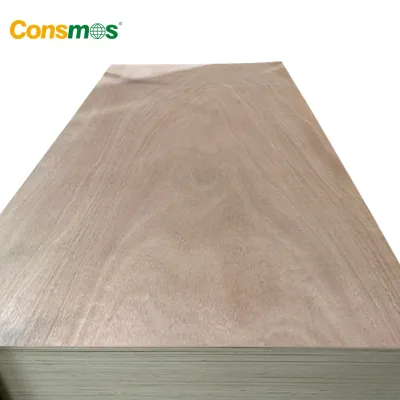
FSC CARB 3mm 9mm e1 e0 glue okoume poplar core commercial plywood price
$9.00 - $16.00
MOQ: 200 Minimum


2.7*915*2135 Okume Face Poplar Back E1 Glue Commercial Plywood for Door
$300.00 - $1500.00
MOQ: 20 CBM


Poplar Core E1 Glue Commercial Plywood with Bintangor/Okoume/Pine Face
$13.50 - $15.00
MOQ: 2000 Pieces


High Quality E0/E1/E2 Glue White Laminated Plywood Furniture Melamine Plywood
$9.00 - $25.00
MOQ: 500 Pieces


Comprehensive Sourcing Guide
E1 E2 Glue Okoume Plywood Sourcing Guide
Procuring E1 E2 Glue Okoume Plywood requires a disciplined approach to balancing formaldehyde emission standards with structural integrity. Buyers must first distinguish between the core material and the face veneer, as these components dictate both the aesthetic finish and the environmental compliance of the final panel. The core is typically constructed from poplar, which provides a stable and lightweight foundation, while the face veneer often utilizes okoume or other hardwoods like bintangor and birch to deliver a premium appearance. This combination is particularly suited for indoor applications where visual quality and low odor are paramount.
Understanding the glue classification is critical for meeting regional regulatory requirements. The E1 and E2 designations refer to formaldehyde emission levels, with E1 generally representing a stricter limit suitable for interior residential and commercial spaces. Buyers should verify that the supplier explicitly states the glue type and corresponding emission grade, as this directly impacts the product’s certification eligibility. Without clear documentation on the adhesive formulation, it is difficult to ensure that the plywood will meet safety standards for office buildings, furniture manufacturing, or interior decoration projects.
Product Scope and Observed Listing Signals
Market listings for this category reveal a wide variance in specifications, ranging from thin 3mm panels to thicker 18mm or 21mm boards. The observed price range spans from low-cost options to premium grades, reflecting differences in veneer quality, ply count, and adhesive performance. Buyers should note that the minimum order quantity (MOQ) can vary significantly, with some suppliers requiring as few as 200 pieces while others demand a full container load. This variability necessitates careful alignment of order volume with project timelines and storage capacity to avoid excessive inventory costs or production delays.
The physical dimensions of standard panels are typically 1220x2440mm, but thicknesses vary to suit different structural needs. Listings often highlight features such as double-sided decoration, which adds value for applications where both sides of the panel are visible. Additionally, the grade of the plywood, often labeled as first-class or grade one, indicates the absence of major defects in the veneer. Buyers must scrutinize these signals to ensure that the product matches their specific design requirements, particularly when sourcing for high-end commercial interiors or specialized construction projects.
Technical Specifications to Verify
Verifying the core composition and veneer type is essential for ensuring the plywood meets structural and aesthetic expectations. The core is frequently made from poplar, which offers a good strength-to-weight ratio, but buyers should confirm if other materials like birch or eucalyptus are used in specific grades. The face veneer, often okoume, provides a smooth surface ideal for painting or laminating. It is crucial to check the surface grade, such as BB/BB or BB/CC, as this determines the number and size of patches allowed, directly affecting the final appearance and suitability for visible applications.
Bonding strength and ply construction are key technical indicators of durability. The bonding strength is often classified under specific standards, such as II(Ns), which indicates the panel’s resistance to delamination under stress. Buyers should inquire about the number of plies, which can range from 3-ply to 15-ply or more, depending on the thickness. Thicker panels generally offer greater rigidity and load-bearing capacity, making them suitable for flooring or heavy-duty furniture. Confirming these details with the supplier ensures that the plywood will perform as expected in its intended application.
Compliance and Safety Documentation
Formaldehyde emission standards are a primary concern for indoor air quality and regulatory compliance. Buyers must request test reports that verify the E1 or E2 classification, as these labels are not self-regulated and require independent testing. The E1 standard is widely accepted for interior use, but specific regions may have stricter requirements. It is important to ensure that the documentation provided by the supplier is current and issued by a recognized laboratory, as outdated or internal reports may not be accepted by customs or building inspectors.
Additional certifications such as CARB, FSC, or CE may be required depending on the destination market and project specifications. These certifications indicate compliance with environmental management, sustainable forestry practices, or European safety standards. Buyers should verify the validity of these certificates and ensure they cover the specific product line being ordered. Without proper documentation, shipments may be delayed at customs or rejected by clients who require proof of compliance for green building certifications or corporate sustainability goals.
Cost Drivers and Commercial Terms
The cost of E1 E2 Glue Okoume Plywood is influenced by several factors, including the price of raw materials, adhesive quality, and manufacturing complexity. Higher-grade veneers and stricter emission standards typically command a premium price. Buyers should also consider the packaging method, as standard export packaging or wooden pallets can add to the overall cost. Understanding these drivers helps in negotiating better terms and selecting the most cost-effective option without compromising on quality or compliance.
Commercial terms such as MOQ, lead time, and payment conditions vary among suppliers. Some suppliers may offer flexible MOQs for trial orders, while others require larger volumes to achieve competitive pricing. Lead times can be affected by production schedules and shipping logistics, so it is important to plan ahead to avoid delays. Buyers should clarify all terms in writing, including warranty periods and after-sales support, to ensure a smooth procurement process and mitigate potential risks associated with supply chain disruptions.
Supplier Qualification and Quality Control
Evaluating supplier qualifications is crucial for ensuring consistent quality and reliable delivery. Buyers should verify the supplier’s production capabilities, including their factory size, equipment, and quality control processes. A reputable supplier will have a robust QC system that includes raw material inspection, in-process checks, and final product testing. Requesting samples before placing a large order allows buyers to assess the product’s quality firsthand, checking for issues such as warping, delamination, or surface defects.
Communication and responsiveness are also key indicators of supplier reliability. A good supplier will provide clear and timely responses to inquiries, offer technical support, and be transparent about any potential issues. Buyers should also check the supplier’s track record, including customer reviews and references, to gauge their reputation in the market. Establishing a strong relationship with a qualified supplier can lead to better pricing, priority service, and improved collaboration on custom projects.
Long-Term Procurement Checks
Establishing long-term procurement checks ensures that the quality and compliance of E1 E2 Glue Okoume Plywood remain consistent over time. Regular audits of supplier performance, including delivery times, product quality, and customer service, help identify any trends or issues early. Buyers should also stay updated on changes in regulatory standards and market conditions, as these can impact the availability and cost of materials. Proactive management of these factors helps maintain a stable supply chain and supports the success of ongoing projects.
Continuous improvement in procurement practices involves reviewing and refining sourcing strategies based on feedback and performance data. Buyers should consider diversifying their supplier base to reduce dependency on a single source and mitigate risks associated with supply chain disruptions. Investing in relationships with trusted suppliers and maintaining open lines of communication can lead to better collaboration and innovation. By focusing on long-term value rather than just short-term cost, buyers can build a resilient and efficient procurement process.
FAQs
What glue types are available for okoume plywood?
The available glue types include MR, E0, E1, and E2 grades. These options allow buyers to select the appropriate bonding strength and formaldehyde emission level based on specific indoor or outdoor usage requirements for commercial projects.
Which core materials are used in this plywood?
The core material is primarily Poplar, often combined with Okoume or Bintangor veneers. This construction ensures structural stability while meeting the requirements for first-class grade commercial plywood used in office buildings and general construction applications.
Can I customize the thickness and size of the boards?
Yes, customization is available for thickness ranging from 3mm to 25mm and standard sizes like 1220x2440mm. Buyers can specify dimensions such as 12mm, 15mm, or 18mm to fit their specific project needs and design styles.
What certifications does the product hold?
The product holds certifications including CARB, FSC, CE, and ISO standards. These credentials verify compliance with formaldehyde emission standards like E2 and ensure the material meets international safety and quality requirements for export markets.
How is the plywood packed for shipping?
The plywood is packed in standard export packages using wooden pallets inside containers. This method protects the boards during transit and ensures they arrive in good condition for immediate use in construction or furniture manufacturing projects.
What is the minimum order quantity for this product?
The minimum order quantity varies, with some listings starting at 200 pieces while others require one full container. Buyers should verify specific MOQ requirements with suppliers to ensure their order volume meets the manufacturer's production thresholds.
Where is the place of origin for this plywood?
The place of origin is Shandong, China. This region is known for producing high-quality plywood with various veneer options like Birch and Poplar, ensuring reliable supply chains for international buyers seeking competitive pricing and quality materials.