Source Commercial Truck DPF Cleaning Machine for Auto Shops, Fleets, and Depots
Compare 25 Commercial Truck DPF Cleaning Machine options featuring varied power ratings, filtration types, and mobility features. Buyers can evaluate models with CE and ISO certifications for automotive beauty shops, commercial fleets, and maintenance depots.
Key considerations
Products List


Truck DPF Cleaner Machine for Mobile Diesel Particulate Filter Cleaner Service
$1650.00 - $1980.00
MOQ: 1 Pieces

Commercial DPF Cleaner Aautomobile Machine DPF Filter Truck Cleaning Machine
$24800.00 - $36800.00
MOQ: 1 Pieces

Best Solution DPF Fap Cleaning Machine DPF Cleaning Machine for Truck Commercial
$8999.00 - $11999.00
MOQ: 1 Pieces

Kingkar 6.0DPF Filter Commercial Truck Cleaning Machine DPF Filter Cleaning Ovendpf Cleaning Machine
$24800.00 - $36800.00
MOQ: 1 Pieces

Kingkar Truck Washing Machine Catalyst Particl Filter Cleaningdpf Cleaning Machine
$24800.00 - $36800.00
MOQ: 1 Pieces

$24800.00 - $36800.00
MOQ: 1 Pieces

Hot Sale DPF Cleaner Machine Truck Particulate Filter Cleanerdpf Cleaning Machine Price
$9999.00 - $12999.00
MOQ: 1 Sets


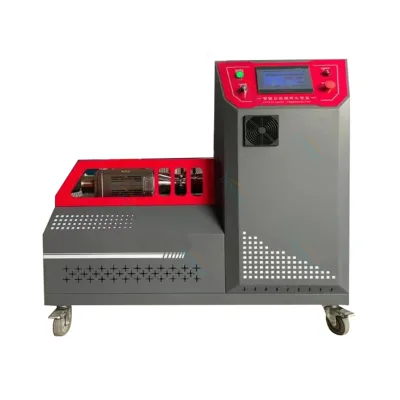

Industrial Ultrasonic Cleaner Diesel Particulate Filter Cleaning DPF Cleaner Machine
$8000.00 - $10000.00
MOQ: 1 Set


Comprehensive Sourcing Guide
Strategic Sourcing Guide for Commercial Truck DPF Cleaning Machines
Procuring a Diesel Particulate Filter (DPF) cleaning machine for commercial truck fleets requires a rigorous evaluation of technical capabilities, regulatory compliance, and operational reliability. The market offers a diverse array of units ranging from compact, electric-powered cleaners to heavy-duty, diesel-driven systems designed for high-volume automotive beauty shops and commercial garages. Buyers must navigate a complex landscape where specifications such as voltage, rated power, and filtration mechanisms vary significantly between models. This guide provides a structured approach to sourcing these critical maintenance assets, ensuring that the selected equipment aligns with the specific demands of commercial truck operations without relying on unverified claims.
Technical Specifications and Operational Capabilities
The foundation of any successful procurement decision lies in understanding the technical specifications that define the machine's performance. In the current market, units are available with varying voltage requirements, including 220V single-phase and 380V three-phase configurations. For commercial environments with heavy electrical loads, the 380V, 3-phase, 50Hz models are often preferred to ensure stable operation under continuous duty cycles. Power ratings also differ substantially; observed units range from 0.2kW for compact, mobile applications to 24kW for industrial-grade cleaning stations.
Filtration is a critical technical component. Effective DPF cleaning requires a multi-stage filtration process to capture fine soot particles and prevent re-contamination. Buyers should verify the presence of specific filtration grades, such as pre-filters and fine filter bags, which are essential for maintaining air quality and machine longevity. The structural design of the filtration system, often described as a bag filter structure, must be robust enough to handle the high-pressure water and vacuum cycles inherent in the cleaning process.
Water and air systems are equally vital. Units may feature integrated water tanks with capacities ranging from 120 liters to larger industrial volumes. The connecting pipe diameter, typically observed at 40mm, dictates the flow rate, which can reach up to 10 cubic meters per hour in high-performance models. Additionally, the working environment must be considered; equipment is generally rated for ambient temperatures between 0°C and 45°C. Buyers must ensure that the selected machine's physical dimensions, such as the standard footprint of 1100mm by 450mm or larger industrial units measuring 1400mm by 800mm, fit within their facility's spatial constraints.
Compliance and Certification Verification
Regulatory compliance is non-negotiable when sourcing industrial cleaning equipment. The primary certifications to verify are CE and ISO9001. These marks indicate that the manufacturer adheres to specific European safety standards and international quality management systems, respectively. While some listings may mention "CE, ISOStandard Component," buyers must request physical certification documents to confirm that the specific model being purchased holds valid, up-to-date status.
The certification process often extends to the materials used in construction. High-quality units typically utilize 304 Stainless Steel for components exposed to water and chemicals, ensuring resistance to corrosion and extending the service life of the machine. Other materials, such as general metal or specific plastics, may be used for structural frames or non-critical parts, but the primary cleaning chamber and water pathways should be verified for material integrity.
Buyers should also scrutinize the "Condition" and "Customized" attributes. While many machines are listed as "New," the availability of customization options allows for tailoring the unit to specific truck fleet requirements. However, any custom modifications must still meet the baseline safety certifications. The "Operation Type," whether fixed or mobile, also influences compliance, as mobile units may require additional safety features for transport and operation in dynamic environments.
Cost Drivers and Pricing Dynamics
The pricing of commercial truck DPF cleaning machines is influenced by several key factors, primarily driven by power output, filtration complexity, and mobility features. Observed price ranges in the market span from approximately $1,000 to $36,800. This wide disparity reflects the difference between basic electric units and advanced diesel-driven systems with high-power vacuum capabilities.
The drive mechanism is a significant cost driver. Units powered by diesel engines generally command a higher price point due to the complexity of the engine integration and the higher torque required for heavy-duty cleaning tasks. Conversely, electric models with 220V or 380V inputs are often more affordable but may have limitations in portability and power output. The inclusion of advanced features, such as air drying functions and high-pressure water columns, also adds to the overall cost.
Material costs play a substantial role in pricing. Machines constructed with 304 Stainless Steel are more expensive than those using standard metal or mixed materials due to the higher raw material costs and manufacturing precision required. Furthermore, the "Type" of the machine, whether it is a cylinder, mobile unit, or fixed installation, affects the price. Mobile units often require reinforced frames and specialized wheels, adding to the manufacturing expense.
Buyers should also consider the "Product Packing" and logistics costs. Units shipped in wooden boxes are common for heavy machinery, but the packaging method can influence shipping fees and potential damage during transit. While the Minimum Order Quantity (MOQ) is often listed as 1, bulk purchasing may offer negotiated pricing, though this is not guaranteed and should be verified during direct supplier negotiations.
Typical Applications and Use Cases
Commercial truck DPF cleaning machines are designed for a variety of applications, primarily within the automotive and transportation sectors. The "Application" field often specifies "Commercial" or "Automotive Beauty Shop," indicating that these units are suitable for both large fleet maintenance facilities and specialized detailing centers. The versatility of these machines allows them to handle the heavy soot accumulation found in diesel truck exhaust systems.
The "Function" of these machines typically includes micro high-pressure water cleaning and high-power vacuum extraction. This dual functionality is essential for effectively removing particulate matter without damaging the delicate structure of the DPF. The "Cleaning Process" is generally categorized as cold water cleaning, which is safe for most filter materials and prevents thermal shock that could occur with hot water systems.
For mobile operations, units with a "Mobile" type designation are ideal. These machines, often weighing between 65kg and 400kg depending on the model, can be easily transported to different locations within a depot or to remote service sites. The "Nozzle Type," such as the round water column nozzle, is designed to target specific areas of the filter for optimal cleaning efficiency.
The "Main Market" for these machines often includes regions like Southern Europe, suggesting that the equipment is well-suited for climates and regulatory environments prevalent in those areas. However, the principles of operation remain consistent globally, making these machines adaptable to various international markets provided the voltage and frequency requirements match the local infrastructure.
Supplier Evaluation and Selection Criteria
Selecting the right supplier requires a methodical approach that goes beyond the initial product listing. Buyers must evaluate the supplier's ability to provide accurate technical data and support. The "Brand Name" associated with the machine, such as "Kingkar DPF Cleaning Machine," should be cross-referenced with the manufacturer's reputation and history. However, buyers should remain cautious of generic listings that do not clearly identify the brand or origin.
The "Product Origin" is a critical factor in supplier evaluation. Most commercial DPF cleaning machines originate from China, a major hub for industrial machinery manufacturing. While this offers competitive pricing, buyers must verify the supplier's export capabilities and after-sales support network. A supplier with a strong presence in the target market can provide faster response times for technical issues and spare parts.
Buyers should also assess the supplier's commitment to quality through their "Warranty Period." A standard warranty of 1 year is common, but the terms and conditions of this warranty are crucial. Does it cover the motor, the pump, or the entire unit? Understanding the scope of the warranty helps in evaluating the supplier's confidence in their product.
Additionally, the "Customization" capability of the supplier is a key differentiator. Suppliers that offer tailored solutions can adapt the machine to specific truck models or operational workflows. However, buyers must ensure that any customization does not compromise the machine's safety certifications or structural integrity.
Quality Control and Long-Term Procurement Considerations
Quality control is paramount when investing in industrial cleaning equipment. Buyers should insist on detailed test results and performance data before finalizing a purchase. While specific test data may not always be available in public listings, suppliers should be willing to provide documentation regarding the machine's flow rate, pressure stability, and filtration efficiency.
The "Working Environment" rating is another quality indicator. Machines designed to operate in temperatures ranging from 0°C to 45°C demonstrate a level of robustness suitable for various climates. Buyers should verify that the machine's components, such as the motor and pump, are rated for continuous operation within these parameters.
Long-term procurement considerations include the availability of spare parts and the ease of maintenance. The "Structure" of the filtration system, particularly the bag filter design, should allow for easy replacement of filter bags to minimize downtime. The "Input Air Pressure" requirement, typically around 0.6MPa, should be compatible with the buyer's existing compressed air infrastructure to avoid the need for additional investments.
Finally, buyers should consider the "Net Weight" and "Weight" of the machine in the context of their facility's logistics. Heavy units, such as those weighing 400kg, may require specialized handling equipment or reinforced flooring. Lighter units, around 65kg, offer greater flexibility but may lack the power for heavy-duty applications. Balancing these factors ensures that the procurement decision supports both immediate operational needs and long-term strategic goals.
Summary of Key Specifications
To assist in the final selection process, the following table summarizes the key technical specifications observed in the market for commercial truck DPF cleaning machines. This comparison highlights the variability in power, dimensions, and features that buyers must evaluate.
| Specification Category | Model A (Compact) | Model B (Industrial) | Model C (Mobile) |
|---|---|---|---|
| Product Model | BR-SCR-B02 | BR-SCR/DPF B02 Plus | BR-DPF-MA01-CRP |
| Voltage | 380V | 380V, 3-phase, 50Hz | 220V/380V |
| Rated Power | 14kW | 24kW | 0.2kW |
| Weight | 105kg | 400kg | 65kg |
| Water Tank | 120L | N/A | N/A |
| Dimensions | 730750855mm | 14008001710mm | 1100450950mm |
| Filtration | Pre Filter | Fine Filter Bag | Bag Filter |
| Drive Type | Electric | Diesel | Electric |
| Certification | CE, ISO9001 | CE | CE |
| Warranty | 1 Year | 1 Year | 1 Year |
This table illustrates the diversity of options available. Buyers must match these specifications to their specific operational requirements, ensuring that the chosen machine provides the necessary power, capacity, and mobility for their commercial truck fleet maintenance needs. By adhering to the technical, compliance, and quality standards outlined in this guide, buyers can make informed decisions that optimize their procurement outcomes.
FAQs
What certifications do commercial truck dpf cleaning machines typically have?
Most units carry CE and ISO9001 certifications to ensure safety and quality compliance. Buyers should verify physical documents for specific models like the BR-SCR-B02 to confirm valid status before purchase.
Can these machines operate in varying temperature environments?
Yes, the equipment is generally rated for working environments between 0 and 45 degrees Celsius. This range ensures stable operation in most commercial garage settings without requiring extreme climate control.
Which voltage options are available for industrial use?
Models support both 220V single-phase and 380V three-phase, 50Hz configurations. The 380V three-phase option is preferred for heavy-duty continuous cycles in commercial automotive beauty shops.
How much does a Commercial Truck DPF Cleaning Machine cost?
Prices observed in the market range from 1000 to 36800 USD depending on power and features. Higher costs often reflect diesel drive mechanisms or advanced filtration systems compared to basic electric units.
What is the standard warranty period for these cleaning units?
The standard warranty period provided is typically one year for the entire unit. Buyers must check specific terms to see if the warranty covers critical components like the motor or pump separately.
Can buyers request customization for specific truck fleet needs?
Customization is available for many models to tailor the machine to specific operational workflows. Any custom modifications must still adhere to baseline safety certifications like CE and ISO9001.
What is the typical flow rate for high-performance models?
High-performance units can achieve a flow rate of up to 10 cubic meters per hour. This capacity is supported by connecting pipes with a diameter of 40mm for efficient water and air delivery.