Source Commercial Waterless Smart Diffuser for Hotel, Home, and Office
Source 30 Commercial Waterless Smart Diffuser models for hotel, home, and office use. Compare electric aromatherapy units with capacities from 100ml to 1200ml, varying power ratings, and noise levels to find the right fit for your space; compare the available evidence and request quotations based on your requirements.
Updated
Key considerations
Products List


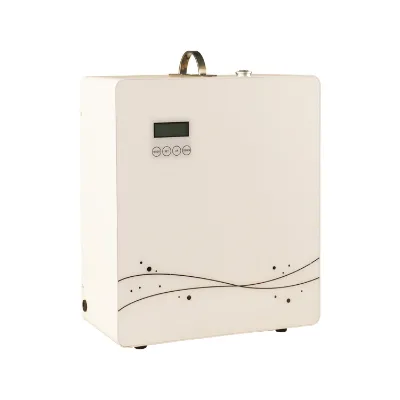
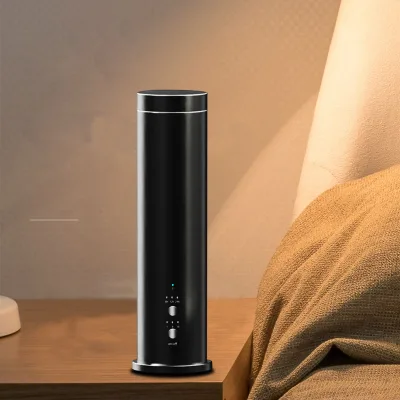
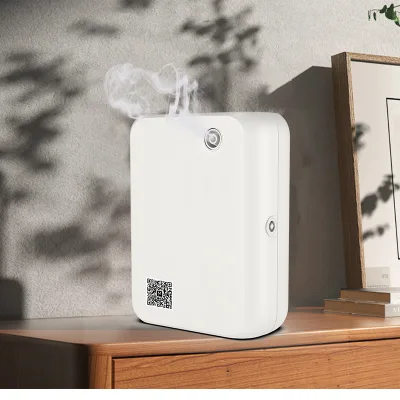


Smart Professional Waterless Nebulizing Aromatherapy Essential Oil Diffuser
$19.00 - $22.00
MOQ: 99 Pieces


500L Essential Oils Nebulizing Smart APP Control Waterless Fragrance Diffuser
$20.00 - $25.00
MOQ: 49 Pieces
Comprehensive Sourcing Guide
Commercial Waterless Smart Diffuser Sourcing Guide
Sourcing commercial waterless smart diffusers requires a careful balance between aesthetic integration and technical performance, particularly for high-traffic environments like hotels and large commercial spaces. Buyers must prioritize devices that operate without water to prevent mold growth and ensure consistent scent distribution, which is critical for maintaining brand identity in hospitality settings. The observed market data indicates a strong presence of electric models with timing functions, allowing for precise control over fragrance release schedules. This automation reduces manual labor and ensures that scent profiles are maintained consistently throughout operating hours, enhancing the overall guest experience without requiring constant staff intervention.
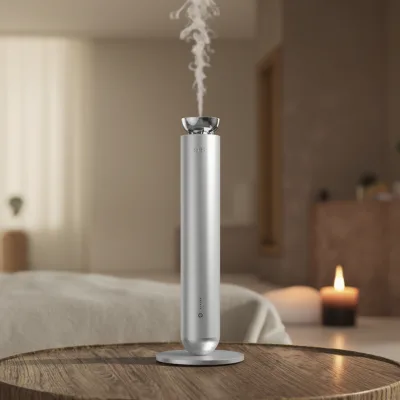
Procurement teams should also evaluate the physical footprint and installation requirements of these units, as space constraints often dictate equipment selection. The available product range includes both tabletop/portable styles and wall-mounted installations, offering flexibility for different interior design schemes. With observed capacities ranging from small personal units to large commercial tanks exceeding 1000ml, buyers can select devices that match the volume of the target area. Understanding these physical attributes is essential for planning logistics, as larger units may require different handling procedures and storage solutions during the initial delivery phase.
Product Scope and Observed Listing Signals
The current market landscape for commercial waterless diffusers features a diverse array of models with varying power consumptions and coverage areas. Observed listings highlight units with power ratings such as 20W and 28W, which are suitable for medium to large spaces, while lower wattage options like 3W and 5W cater to smaller rooms or specific accent areas. Coverage specifications range from 500-1000 cubic meters to over 5000 cubic meters, indicating that buyers must carefully match device output to room volume to avoid under-scenting or overwhelming fragrances. This variability allows for tailored solutions across different zones within a single facility, from lobbies to private suites.
Material composition and capacity are also key differentiators among the observed products. Metal and plastic constructions are prevalent, each offering distinct durability and aesthetic benefits for commercial use. Capacity observations show a wide spectrum, from standard 100-200ml reservoirs to substantial 1200ml tanks, reducing the frequency of refills in high-use areas. Additionally, features like remote control humidity management and customized logo printing suggest that these devices are designed for brand integration. Buyers should verify these specific attributes against their operational needs, as not all listed products will satisfy every requirement for a given installation site.
Technical Specifications to Verify
Voltage compatibility is a critical technical parameter that must be verified before procurement, as observed listings show variations between AC 110V/220V, AC 220V, and DC 12V systems. Mismatched voltage requirements can lead to equipment failure or safety hazards, so buyers must ensure that the selected diffusers align with the local electrical infrastructure of the installation site. Power ratings also vary, with observations noting 20W, 28W, 8W, 5W, and 3W options. Selecting the appropriate power level is essential for balancing energy efficiency with effective scent dispersion, particularly in large commercial venues where multiple units may operate simultaneously.
Noise levels and operating languages are other vital specifications that impact user experience and maintenance. Observed noise levels range from less than 38dB to 46dB, which is generally acceptable for hotel environments but requires verification for quiet zones like libraries or meditation rooms. The presence of English operating languages and timing functions simplifies user interaction and programming for international staff. Additionally, battery inclusion and warranty terms, such as the observed one-year warranty, provide insights into the device's reliability and the supplier's confidence in their product. Buyers should request detailed technical datasheets to confirm these specifications for each model under consideration.
Compliance and Safety Documentation
Regulatory compliance is non-negotiable for commercial equipment, and buyers must verify that diffusers meet relevant safety and environmental standards. Observed certifications include RoHS, which indicates compliance with restrictions on hazardous substances, a crucial factor for environmentally conscious procurement policies. However, buyers should not assume that all listed products hold this certification without explicit confirmation from the supplier. Documentation such as test reports and compliance certificates should be requested prior to placing orders to ensure that the devices meet the legal requirements of the destination market, avoiding potential customs delays or legal liabilities.
Safety features related to electrical components and material safety are also paramount. Buyers should inquire about the insulation quality of electrical parts and the flammability ratings of plastic or metal components. While specific safety test results are not provided in the observed data, suppliers should be able to provide evidence of rigorous quality control processes. Additionally, verifying the origin of the products, such as those from Guangdong, China, can help buyers assess the manufacturing standards and supply chain transparency. Ensuring that all documentation is up-to-date and verifiable protects the buyer from reputational and operational risks associated with non-compliant equipment.
Cost Drivers and Commercial Terms
Pricing for commercial waterless diffusers varies significantly based on capacity, material, and feature sets, with observed ranges spanning from $11.5 to $152.3 USD. Higher-priced units typically offer larger capacities, advanced timing functions, and premium materials like metal, which enhance durability and aesthetic appeal. Buyers should analyze the total cost of ownership, including energy consumption and maintenance requirements, rather than focusing solely on the initial purchase price. Units with higher efficiency ratings and longer lifespans may offer better value over time, despite a higher upfront cost.
Minimum Order Quantities (MOQ) and packaging details also influence commercial terms, with observed MOQs ranging from 1 to 100 units. Flexible MOQs allow buyers to test smaller batches before committing to larger orders, reducing financial risk. Packaging is typically handled in corrugated boxes, which must be evaluated for their ability to protect units during transit. Buyers should negotiate terms that include clear definitions of shipping responsibilities, return policies, and after-sales support. Understanding these commercial variables helps in budgeting accurately and ensuring a smooth procurement process from order placement to delivery.
Supplier Qualification and Quality Control
Evaluating supplier capabilities is essential for securing reliable equipment, particularly when OEM/ODM services are available for customized branding. Buyers should assess the supplier's production capacity, quality management systems, and ability to meet specific design requirements, such as logo printing or custom packaging. The availability of customized logos suggests that suppliers can tailor products to match brand identities, which is valuable for hospitality chains. However, buyers must verify the supplier's track record and references to ensure consistent quality and timely delivery.
Quality control processes should be clearly defined, including pre-shipment inspections and testing protocols. Buyers should request information on how defects are handled and what warranty terms are offered, such as the observed one-year warranty. Establishing a clear communication channel with the supplier for technical support and troubleshooting is also crucial. By conducting thorough due diligence on supplier qualifications, buyers can mitigate risks associated with product failures and ensure that the diffusers meet their operational standards. This proactive approach fosters a long-term partnership based on trust and mutual benefit.
Long-Term Procurement Checks
Sustaining a successful procurement strategy requires ongoing monitoring of product performance and supplier reliability. Buyers should establish key performance indicators (KPIs) to track issues such as noise levels, coverage consistency, and maintenance frequency. Regular feedback from end-users, such as hotel staff and guests, can provide valuable insights into the practical performance of the diffusers in real-world conditions. This feedback loop allows for continuous improvement and informed decision-making for future purchases, ensuring that the equipment continues to meet evolving operational needs.
Additionally, buyers should stay informed about technological advancements and new product releases in the commercial diffuser market. Regularly reviewing supplier catalogs and attending industry trade shows can help identify innovative solutions that offer improved efficiency or features. Maintaining a diverse supplier base can also reduce dependency on a single source and provide flexibility in case of supply chain disruptions. By prioritizing long-term relationships and continuous evaluation, buyers can ensure that their Commercial Waterless Smart Diffuser investments deliver consistent value and enhance the overall guest experience over time.
FAQs
What power type do these diffusers use?
These diffusers use electric power as their primary energy source. They operate on voltages ranging from 110 to 220 volts AC, ensuring compatibility with various electrical standards found in hotels and homes globally without requiring special adapters.
Which capacity options are available for these units?
Available capacity options include volumes greater than 200 ml, specifically 1000 ml, 1200 ml, and 400 ml oil capacity models. These sizes support coverage areas ranging from 500 to 8000 cubic meters depending on the specific model selected for your space.
Can these diffusers operate without water?
Yes, these units are designed as waterless air fresheners and aromatherapy devices. They utilize electric power to disperse scent without needing water reservoirs, making them suitable for dry environments where traditional humidifiers might not be appropriate or efficient.
How is the noise level during operation?
The noise level is kept very low, typically at or below 46 decibels, with some models operating under 38 decibels. This quiet performance ensures they do not disturb guests in hotels or residents in homes while providing continuous air freshening.
What warranty is provided for these products?
A standard one-year warranty is provided for these electric scent diffusers. This coverage protects against manufacturing defects and ensures reliability for commercial and residential users who require consistent performance over an extended period of daily operation.
Which materials are used in construction?
Construction materials include metal and plastic components to ensure durability and aesthetic appeal. The packaging is typically a corrugated box, and the units feature customized logo options via laser printing for branding purposes in commercial settings.
Can I customize the logo on the device?
Yes, customized logo options are available through laser printing services. OEM and ODM services are also available, allowing buyers to tailor the product appearance and branding to match their specific corporate identity or marketing requirements effectively.