Source Commercial Vertical Dumbbell Storage Rack for Gyms, Home, and Parks
Compare 30 Commercial Vertical Dumbbell Storage Rack options from verified suppliers. These units feature durable steel construction, adjustable weight capacities, and customizable logos for gyms, home gyms, and community parks.
Key considerations
Products List


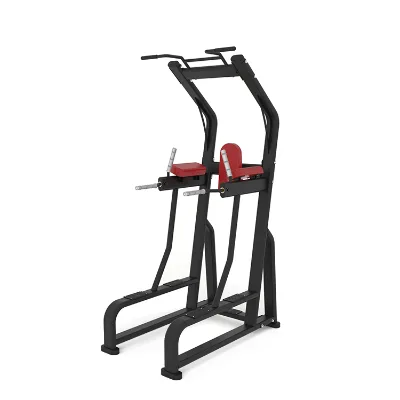


Commercial Fitness Equipment Dumbbell Rack 3 Tier Weight Lifting Storage Rack
$289.00 - $339.00
MOQ: 1 Pieces

Gym Commercial Fitness Equipment Dumbbell Storage Rack Two-Tier Dumbbell Rack
$159.00 - $209.00
MOQ: 1 Pieces


3 Tier Dumbbell Rack Wholesale, Quality Storage, Professional Fitness Equipment
$67.00 - $70.00
MOQ: 30 Pieces

Gym Use 3 Tier Dumbbell Rack Storage Rack Professional Fitness Equipment
$78.00 - $83.00
MOQ: 30 Pieces

Multi-Tier Stepped Vertical Dumbbell Tree Storage Rack for Commercial & Home Gym
$26.00 - $35.00
MOQ: 30 Pieces
Comprehensive Sourcing Guide
Strategic Sourcing Guide for Commercial Vertical Dumbbell Storage Racks
Defining Technical Specifications and Structural Integrity
When sourcing a Commercial Vertical Dumbbell Storage Rack, the primary objective is to identify equipment that balances high-capacity storage with structural stability under heavy, dynamic loads. The market offers a diverse array of configurations, ranging from compact home units to heavy-duty commercial installations. A critical observation from current product data indicates that commercial-grade racks often utilize specific steel profiles to ensure longevity. For instance, verified specifications highlight main tube dimensions such as 50x50x1.5mm or 50x70x1.5mm, which serve as fundamental indicators of load-bearing capacity. These dimensions are not merely aesthetic choices but are engineering requirements designed to prevent lateral sway when racks are fully loaded.
The physical footprint of the unit is equally vital for commercial facility planning. Available data points to significant variations in standard dimensions, with some models measuring approximately 230x55x82cm, while others are more compact at 54x48x121cm. Buyers must verify that the chosen model fits the intended floor space while allowing for safe user movement. Furthermore, the distinction between fixed and adjustable weight configurations is essential. While some units are listed with a fixed weight attribute, commercial environments often require racks capable of holding a total capacity of up to 200kg. This capacity rating must be clearly distinguished from the weight of the rack itself, which can vary significantly, with some heavy-duty models weighing as much as 129kg.
The material composition is another non-negotiable specification. The predominant material observed in high-quality units is Steel Q235, a standard structural steel known for its tensile strength and durability. In broader commercial contexts, generic steel construction is also common, but the specific grade and thickness must be confirmed. The absence of foldable mechanisms in many commercial-grade units suggests a design philosophy prioritizing permanent stability over space-saving flexibility. This "non-foldable" attribute is a key differentiator for gyms that require a permanent, immovable storage solution that will not collapse or shift during high-traffic usage.
Compliance, Certification, and Safety Standards
In the commercial sector, compliance with international safety and quality standards is a prerequisite for procurement. Buyers must rigorously verify that potential suppliers provide valid documentation for certifications such as CE and ISO. The data confirms the presence of CE certification and various ISO standards, including ISO9001, which indicates adherence to quality management systems. Additionally, some product listings reference ISORoHS compliance, suggesting that the materials used meet environmental and hazardous substance restrictions, a critical factor for indoor air quality and long-term health safety in shared gym environments.
Safety standards extend beyond simple certification labels to the actual testing and validation of the product. While specific test results are not universally listed in general product summaries, the presence of certifications like CE and ISO9001 implies that the manufacturer has undergone third-party evaluation processes. Buyers should request specific test reports that validate the load-bearing claims, particularly the 200kg capacity mentioned in certain listings. It is important to note that certification status is not uniform across all listed products; some may carry CE and ISO, while others might only list CE or ISO9001. Therefore, procurement teams must verify the specific certification suite for each model before finalizing a purchase order.
Furthermore, the application environment dictates the necessary safety features. Commercial racks intended for use in home gyms, gymnasiums, parks, and community centers must withstand varied usage patterns. The "Eco-Friendly" and "Durable" attributes observed in product descriptions align with the need for sustainable materials and long service life. However, these are qualitative claims that must be backed by the quantitative data of material thickness and certification validity. The "Stable" feature is particularly relevant for vertical racks, as instability can lead to equipment tipping and injury. Buyers should ensure that the stability claims are supported by the structural specifications, such as the base width and tube thickness, rather than relying solely on marketing terminology.
Cost Drivers and Pricing Dynamics
Understanding the cost structure of commercial vertical dumbbell racks requires an analysis of multiple variables, including material costs, manufacturing complexity, and logistics. The observed price range in the market spans from $0.84 to $445, a wide disparity that reflects differences in product scale, material quality, and included features. The lower end of this spectrum likely corresponds to smaller, lighter units or accessories, whereas the higher end represents heavy-duty, fully equipped commercial racks with significant steel content and complex assembly requirements.
Material costs are a primary driver of pricing. The use of Steel Q235 and specific tube dimensions (e.g., 50x70x1.5mm) directly impacts the raw material expense. Heavier racks, such as those weighing 129kg, inherently cost more due to the volume of steel required. Additionally, the packaging method influences the final cost. Some units are shipped in simple bubble bags and carton boxes, while others require robust wooden cases or multiple brown cartons to prevent damage during transit. The "1set/Brown Carton" or "1set/Polybag/2brown Cartons" configurations suggest varying levels of protection, which correlate with shipping costs and potential damage claims.
Minimum Order Quantity (MOQ) also plays a significant role in the total cost of ownership. The observed MOQ range of 1 to 200 units allows for flexibility, but bulk purchasing often yields better unit economics. For commercial buyers, an MOQ of 1 set allows for testing a single unit before scaling, but larger orders may unlock volume discounts. The "Customized Logo Available" feature adds another layer of cost, as branding requires additional manufacturing steps and tooling. Buyers should weigh the cost of customization against the brand value it provides, ensuring that the added expense aligns with their marketing strategy.
Typical Applications and Usage Scenarios
Commercial vertical dumbbell storage racks are designed for a wide range of applications, from private home gyms to large-scale public fitness centers. The data indicates that these units are suitable for indoor applications, including home gyms, gymnasiums, parks, and community centers. The "Adult" age specification confirms that the design is optimized for mature users who require robust equipment capable of handling significant weights. The "Storage Dumbbells" usage designation highlights the primary function, but the "Strength Training" function attribute suggests that these racks are integral to the workout ecosystem, often placed near strength training zones for easy access.
The versatility of these racks is further enhanced by their ability to accommodate various dumbbell sizes and weights. The capacity of 200kg suggests that a single unit can hold a substantial inventory of dumbbells, making it ideal for high-traffic commercial facilities where equipment turnover is high. The "Foldable: No" attribute indicates that these units are intended for permanent installation, which is typical for commercial settings where space is optimized for functionality rather than temporary storage. The "Vertical" design maximizes floor space, a critical consideration in urban gyms or community centers where square footage is at a premium.
Customization options, such as "Customized Logo Available," allow facility managers to brand the equipment to match their facility's aesthetic or corporate identity. This feature is particularly valuable for commercial gyms looking to create a cohesive brand experience. The "Eco-Friendly" attribute also appeals to modern facilities that prioritize sustainability in their equipment choices. However, buyers must ensure that the specific application environment matches the product's design intent. For instance, outdoor use in parks may require additional weatherproofing measures not explicitly detailed in standard indoor specifications.
Supplier Evaluation and Geographic Considerations
Evaluating suppliers for commercial vertical dumbbell racks requires a focus on geographic origin, production capabilities, and reputation. The data identifies key production hubs in China, specifically Shandong Rizhao and Jiangsu, which are known for their manufacturing expertise in fitness equipment. The "Place of Origin" and "Prod Origin" fields provide insight into the supply chain location, which can affect lead times and shipping costs. Suppliers from Shandong and Jiangsu are well-positioned to serve the global market, given their established logistics networks and experience in exporting fitness equipment.
When assessing suppliers, buyers should verify the consistency of product attributes across different listings. For example, the "Brand Name: EMfitness" appears in specific contexts, but buyers should not assume that all listed products carry this brand. Instead, they should evaluate the manufacturer's ability to deliver consistent quality, whether under their own brand or as an OEM partner. The availability of "Customized Logo" services indicates that suppliers are willing to engage in branding partnerships, a sign of a flexible and customer-oriented supply chain.
Quality control is another critical factor in supplier evaluation. The presence of certifications like CE and ISO9001 suggests that the supplier has implemented quality management systems. However, buyers should go beyond certifications and request evidence of in-house testing and quality assurance processes. The "Warranty: 5 Years Main Frame" attribute is a strong indicator of supplier confidence in their product's durability. This warranty term should be scrutinized to understand the scope of coverage, including what constitutes a defect versus normal wear and tear.
Quality Control and Long-Term Procurement Considerations
Implementing a robust quality control (QC) protocol is essential for ensuring that commercial vertical dumbbell racks meet the required standards. Buyers should establish clear acceptance criteria based on the technical specifications, such as tube dimensions, material grade, and load capacity. The "Single gross weight" and "Single package size" data points provide benchmarks for verifying that the delivered product matches the ordered specifications. Discrepancies in weight or dimensions can indicate issues with material substitution or manufacturing defects.
Long-term procurement considerations extend beyond the initial purchase to include maintenance, spare parts availability, and warranty claims. The "5 Years Main Frame" warranty is a significant factor in the total cost of ownership, as it reduces the risk of premature replacement. Buyers should ensure that the warranty terms are clearly defined and that the supplier has a reliable process for handling claims. Additionally, the "Customization" attribute implies that the supplier can accommodate future needs, such as adding new branding or modifying existing units.
Sustainability is another long-term consideration. The "Eco-Friendly" attribute suggests that the product aligns with environmental goals, but buyers should verify the specific materials and manufacturing processes used. The "Bubble Bag+ Carton Box" or "Wooden Case" packaging options also impact the environmental footprint, and buyers may prefer suppliers who use recyclable or biodegradable packaging materials.
Final Procurement Strategy and Decision Framework
To conclude the sourcing process, buyers should adopt a structured decision framework that balances technical requirements, compliance, cost, and supplier reliability. The wide range of observed specifications, from 25kg to 129kg weights and varying dimensions, necessitates a careful review of each product listing against the specific needs of the facility. The "Commercial" nature of the keyword implies a need for durability and high capacity, which should be the primary filter for product selection.
Buyers must verify that the selected product meets all necessary certifications, including CE and ISO standards, and that the supplier has a proven track record in the fitness equipment industry. The "Customized Logo" and "Color" options offer opportunities for brand differentiation, but these should be evaluated against the budget and timeline constraints. Finally, the procurement strategy should include a clear plan for logistics, installation, and ongoing maintenance to ensure that the investment delivers long-term value. By adhering to these guidelines, buyers can secure high-quality commercial vertical dumbbell storage racks that meet the rigorous demands of modern fitness facilities.
FAQs
What certifications do commercial vertical dumbbell storage racks have?
Many units carry CE and ISO certifications, including ISO9001 and ISORoHS. These standards indicate adherence to quality management and environmental safety requirements for indoor gym environments.
Which material is used for the main structure of these racks?
The primary material is Steel Q235, known for its tensile strength and durability. Some models also utilize generic steel with specific tube dimensions like 50x50x1.5mm to ensure structural integrity.
Can buyers request a customized logo on the storage rack?
Yes, customized logo services are available for many models. This feature allows facility managers to brand the equipment to match their corporate identity or facility aesthetic.
What is the typical weight capacity for these vertical racks?
Some commercial models support a total capacity of up to 200kg. This rating distinguishes the holding limit from the rack's own weight, which can range from 6.8kg to 129kg.
Where are these commercial racks typically manufactured?
Production origins include Shandong Rizhao and Jiangsu, China. These regions are established hubs for fitness equipment manufacturing with experience in global export logistics.
How are these racks packaged for shipping?
Packaging varies from bubble bags with carton boxes to wooden cases or multiple brown cartons. The method depends on the model size and required protection during transit.