Source Compact Laptop Gaming Desk for Office, Hotel, Study
Explore 30 listings for a Compact Laptop Gaming Desk suitable for office, hotel, and study environments. Buyers can compare specifications, materials, and customization options to find the right modern computer desk for their needs.
Key considerations
Products List


Luxury Folding Gaming Desk with Compact Design for Small Home Office Use
$19.86 - $22.71
MOQ: 100 Pieces

Laptop Student Dormitory Desktop Study Computer Table Gamer Competitive Gaming Desk
$30.00 - $50.00
MOQ: 200 Pieces


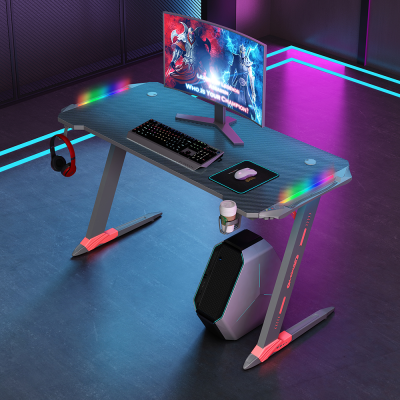
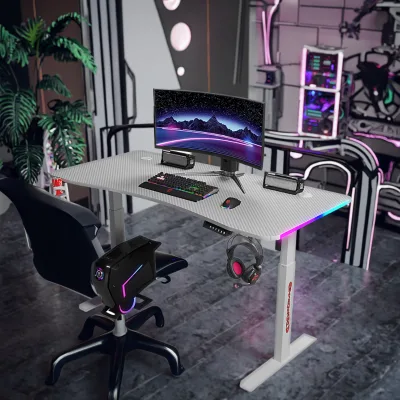
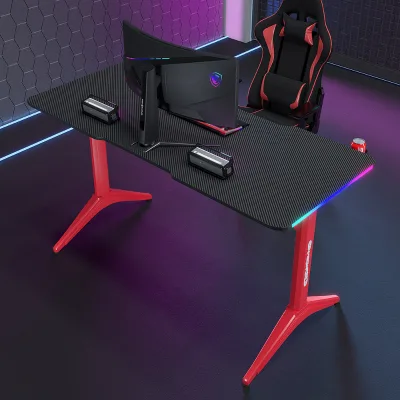


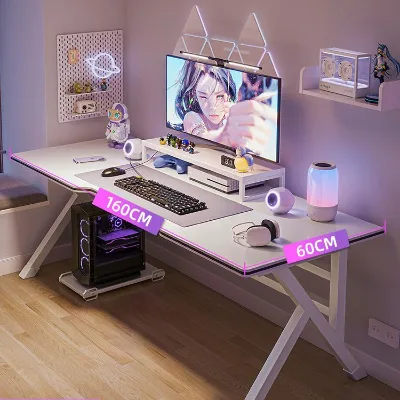

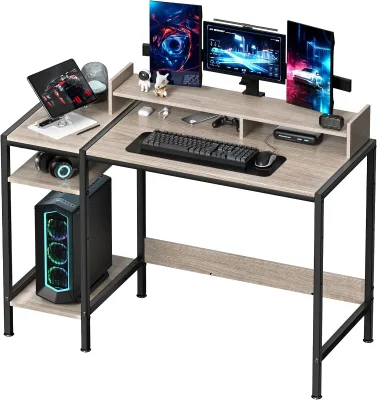
Modern Simple Study Table Home Office Gaming Computer Desk with Storage
$16.98 - $17.90
MOQ: 200 Minimum


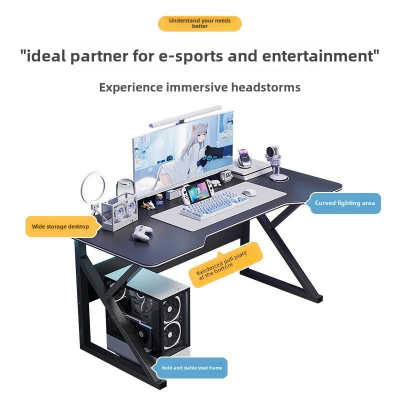

Comprehensive Sourcing Guide
Sourcing Guide for Compact Laptop Gaming Desks
The global demand for compact laptop gaming desks has surged as remote work and home entertainment setups converge. Buyers in the B2B sector must navigate a complex landscape where product definitions vary significantly between manufacturers. A "Compact Laptop Gaming Desk" is not a monolithic category; it encompasses a spectrum of designs ranging from simple folding units to elaborate K-shaped structures with integrated cable management. This guide provides a disciplined approach to sourcing these items, focusing on technical verification, compliance, and supplier evaluation based on observable market data and standard industry practices.
Technical Specifications and Material Composition
When evaluating a Compact Laptop Gaming Desk, the primary technical differentiator lies in the material composition and structural dimensions. Market observations indicate a divergence in material choices, with some suppliers offering desks constructed primarily from metal frames, while others utilize wood-based composites for the tabletop. For instance, specific product listings in the current market identify the surface material as wood, often specified as Melamine, which offers durability and a smooth finish suitable for high-traffic gaming environments. Conversely, other models emphasize a metal construction for the frame, providing a modern aesthetic and robust support.
The thickness of the tabletop is a critical specification that directly impacts stability and weight capacity. Verified data points to a standard thickness range of 1.2 to 1.5 centimeters for certain models, while other premium or heavy-duty options may feature a tabletop thickness of 25 millimeters. This variation requires buyers to explicitly request thickness specifications before ordering, as a thinner surface may flex under the weight of multiple monitors or heavy gaming peripherals. Additionally, the leg structure often mirrors the tabletop thickness, with some models specifying 25-millimeter legs to ensure a unified structural integrity.
Dimensions and form factor are equally vital. The "K-shaped" design is a prevalent configuration in the modern office and gaming sector, offering an ergonomic layout that accommodates keyboard trays and monitor arms. However, buyers must verify if the specific unit is "folded" or "unfolded" in its default state. Some compact solutions are designed to be unfolded for use, while others may offer folding capabilities for storage, though the latter is less common in heavy-duty gaming desks. The absence of cup holders in some models contrasts with others that include them, a feature that can influence the final utility of the desk for long gaming sessions.
Compliance, Certification, and Safety Standards
In the B2B procurement of office and gaming furniture, compliance with international safety and quality standards is non-negotiable. Buyers should prioritize suppliers who can provide verifiable documentation regarding their manufacturing processes. The market data highlights specific certifications such as SGS and ISO9001, which indicate that the supplier adheres to rigorous quality management systems and product safety testing. These certifications are essential for ensuring that the desks meet fire safety, chemical emission, and structural stability requirements in various jurisdictions.
Beyond third-party certifications, buyers must verify the adherence to specific product standards. Some listings reference a standard thickness of 1.2-1.5CM, which serves as a baseline for structural integrity. However, relying solely on this metric without cross-referencing with local building codes or safety regulations is risky. The "Customizable" standard noted in several product descriptions suggests that manufacturers may offer bespoke thicknesses or materials, but this requires a clear contractual agreement on the final specifications to ensure compliance.
Furthermore, the origin of the product plays a role in compliance. Products originating from regions like Hebei or Tianjin in China are subject to specific export regulations. Buyers should ensure that the supplier has a history of successful exports, as indicated by "15 Years" of export business and a high percentage of export volume. This experience often correlates with a better understanding of international compliance requirements, including packaging standards and labeling regulations.
Cost Drivers and Pricing Dynamics
Understanding the cost drivers for compact laptop gaming desks is essential for budgeting and negotiation. The observed price range in the market spans from approximately $4.77 to $2,799, a vast disparity that reflects differences in materials, customization, and order volume. The lower end of the spectrum typically corresponds to basic models with minimal customization, standard packaging, and lower material costs, such as thinner melamine surfaces. In contrast, the higher price points are associated with premium materials like solid wood or high-grade metal, extensive customization options, and complex K-shaped designs.
Minimum Order Quantity (MOQ) is another significant factor influencing the unit cost. The market data shows an MOQ range from 1 to 200 units. Suppliers with an MOQ of 100 pieces, often requiring a mix with other items to fill a container, may offer lower per-unit costs due to economies of scale. Conversely, suppliers accepting orders as low as one unit may charge a premium for the flexibility and reduced inventory risk they provide. Buyers must balance the need for volume discounts against their storage and cash flow constraints.
Packaging and logistics also contribute to the final landed cost. Standard packaging often involves five-layer exporting cartons or single-piece carton packing, which affects the volume per container and, consequently, the shipping cost. For example, a packing detail of 0.1 cubic meters and 40 kilograms per carton can significantly impact the number of units that fit into a standard shipping container. Buyers should request detailed packing dimensions to calculate the most efficient shipping strategy.
Typical Applications and Usage Scenarios
The versatility of compact laptop gaming desks allows them to serve a wide array of applications. While the primary function is often identified as a "Computer Desk" or "Gaming Desk," the usage scenarios extend beyond the home office. Market listings indicate suitability for hotels, living rooms, bedrooms, offices, schools, and study areas. This broad applicability makes these desks attractive for bulk procurement by hospitality chains, educational institutions, and corporate offices looking to upgrade their workspaces.
The "Modern" style is a dominant trend, aligning with current interior design preferences that favor sleek lines and functional aesthetics. The "K-Shaped" design, in particular, is noted for its suitability in modern office environments, offering a dedicated space for peripherals while maintaining a compact footprint. For schools and study areas, the durability of the surface material, such as Melamine or thick wood, is crucial to withstand frequent use. In hotel settings, the aesthetic appeal and ease of assembly are key considerations, as these desks often need to be moved or reconfigured.
Buyers should also consider the specific needs of their target market. For instance, a desk intended for a school setting might require a higher emphasis on safety certifications and durability, whereas a desk for a home office might prioritize aesthetic customization and color options. The availability of color options, ranging from black and white to red, allows buyers to match the desks to existing interior schemes, enhancing the overall appeal of the furnished space.
Supplier Evaluation and Business Verification
Selecting the right supplier is a critical step in the procurement process. Buyers should look for suppliers who identify as "Factories" or "Manufacturers" rather than trading companies, as this often ensures better control over quality and pricing. The presence of "15 Years" of export experience and a "90% Export Business" ratio are strong indicators of a supplier's reliability and capability to handle international orders. These metrics suggest that the supplier has established logistics channels and a proven track record in meeting global standards.
Verification of the supplier's business type is also important. Suppliers listing themselves as "Wholesale" and "High Quality Factory" imply a direct relationship with the production line, which can facilitate faster lead times and more flexible customization. Buyers should request proof of these claims, such as factory audit reports or video tours, to confirm the operational capacity. Additionally, the payment terms offered, such as T/T 30%/70% or L/C at Sight, provide insight into the supplier's financial stability and willingness to engage in standard international trade practices.
The delivery time is another key evaluation criterion. A standard lead time of 20-30 days after deposit is common in the industry, but buyers should confirm this timeline based on their specific order volume and customization requirements. Suppliers who can consistently meet these deadlines demonstrate efficient production planning and logistics management.
Quality Control and Long-Term Procurement Considerations
Implementing a robust quality control (QC) strategy is essential to mitigate risks associated with bulk orders. Buyers should establish clear acceptance criteria based on the technical specifications provided, such as tabletop thickness, material composition, and finish quality. For products with a "3 Years" warranty, the supplier's commitment to long-term quality is evident, but buyers must ensure that the warranty terms are clearly defined in the contract, covering issues like structural failure or surface degradation.
Long-term procurement considerations include the ability of the supplier to maintain consistency across production batches. As orders grow, the risk of variation in material quality or finish increases. Buyers should request samples from different production runs to verify consistency. Additionally, the "Customized" nature of many products requires a detailed specification sheet to ensure that every unit meets the agreed-upon standards.
Packaging integrity is also a long-term concern. The use of "Five Layers Exporting Carton" or "Export Packaging" is designed to protect the product during transit, but buyers should verify that the packaging is sufficient for the specific shipping route and handling conditions. Regular inspections during the production process and pre-shipment inspections can help identify and rectify any quality issues before the goods leave the factory, ensuring that the final delivery meets the buyer's expectations.
Strategic Sourcing and Negotiation Tactics
To optimize the sourcing process, buyers should leverage the available data to negotiate favorable terms. Understanding the MOQ flexibility, such as the option to mix items to fill a container, can help reduce the financial burden of large orders. Buyers should also explore the customization options available, such as color variations and material thickness, to tailor the product to their specific market needs without incurring excessive costs.
Negotiation should also focus on payment terms and lead times. Suppliers offering T/T or L/C terms provide flexibility, but buyers should aim to negotiate terms that align with their cash flow cycles. Similarly, understanding the factors that influence lead times, such as customization and order volume, can help buyers plan their inventory more effectively.
Finally, building a long-term relationship with a reliable supplier is crucial for sustained success. By focusing on suppliers with a proven track record, clear certifications, and a commitment to quality, buyers can ensure a steady supply of high-quality compact laptop gaming desks that meet their operational and aesthetic requirements. This strategic approach minimizes risk and maximizes value in the competitive B2B market.
FAQs
What materials are used for compact laptop gaming desks?
These desks typically use metal frames with wood or melamine surfaces. Some models specify a 25mm tabletop thickness for durability, while others use 1.2 to 1.5cm standards. Buyers should verify the specific surface material before ordering.
Can I customize the color and design of these desks?
Yes, customization is available for color and design features. Options often include black, white, or red finishes, and some models allow for custom thicknesses. Buyers must confirm specific customization requirements with the factory before production begins.
What is the minimum order quantity for bulk purchases?
The minimum order quantity ranges from one unit to 200 units depending on the supplier. Some factories require 100 pieces mixed with other items to fill a container. Lower MOQs may result in higher per-unit costs for smaller orders.
How long does it take to receive the order after deposit?
Delivery typically takes 20 to 30 days after the deposit is received. This lead time applies to standard orders from factories in Hebei or Tianjin. Expedited shipping may be available but depends on the specific supplier's capacity and current workload.
Which certifications ensure the safety and quality of these desks?
Reputable suppliers often hold SGS and ISO9001 certifications for quality and safety. These documents verify adherence to international standards for structural integrity and chemical emissions. Buyers should request these certificates to ensure compliance with local regulations.
Are these desks suitable for use in hotels and schools?
Yes, these desks are designed for use in hotels, schools, offices, and homes. Their modern style and durable melamine surfaces make them suitable for high-traffic environments. The K-shaped design specifically supports computer setups in various commercial and residential settings.
What packaging is used to protect the desks during shipping?
Desks are packed in five-layer exporting cartons or standard carton boxes. Each unit usually occupies 0.1 cubic meters and weighs around 40 kilograms. This packaging ensures protection during transit while optimizing container space for efficient logistics.