Source Compact Indoor LED Driver for Industry, Lighting, Construction
Find 30 Compact Indoor LED Driver options with varying input voltages and power outputs. Buyers can compare specifications like constant voltage or current modes, certifications, and warranty terms for industrial and lighting applications; compare the available evidence and request quotations based on your requirements.
Key considerations
Products List


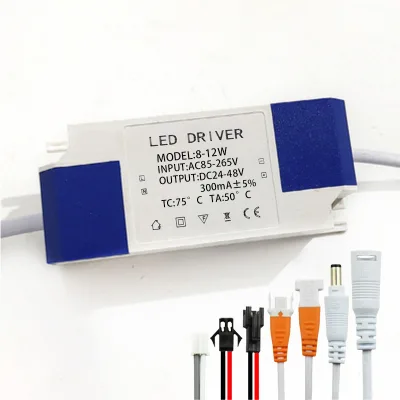
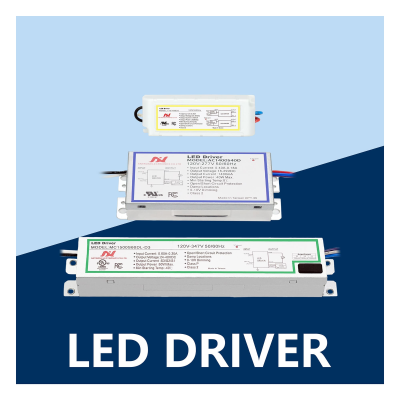
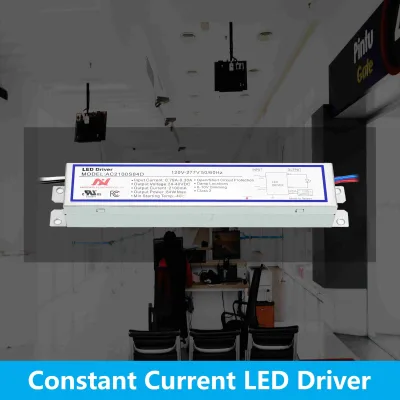
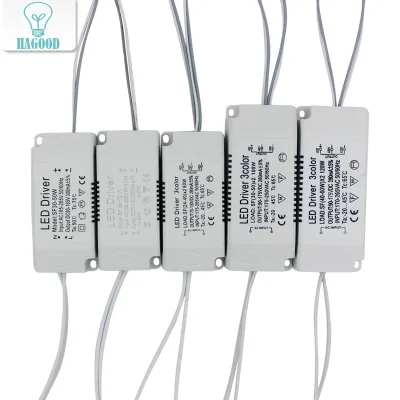
China OEM Factory Slim LED Driver for Indoor Lighting with a 3-Year Warranty
$5.00 - $9.00
MOQ: 100 pcs







Comprehensive Sourcing Guide
Compact Indoor LED Driver Sourcing Guide
Sourcing compact indoor LED drivers requires a strategic balance between physical footprint constraints and electrical performance reliability. Buyers must prioritize components that fit within tight luminaire housings while maintaining stable output for sensitive LED arrays. The market offers various form factors, from small rectangular units to modular designs, each suited for different installation environments. Understanding the specific spatial limitations of your product design is the first step in narrowing down viable supplier options.
Procurement teams should also evaluate the driver’s efficiency and thermal management capabilities, as these factors directly impact the lifespan of the entire lighting system. High-efficiency drivers reduce energy waste and heat generation, which is critical for enclosed indoor fixtures. By focusing on these technical attributes, buyers can ensure that the selected drivers not only meet immediate functional requirements but also contribute to the overall durability and energy compliance of the final lighting product.
Product Scope and Observed Listing Signals
The current market landscape for compact indoor LED drivers reveals a diverse range of models, including the HS-U, HC-P, and TLC-20-100E series. These products generally support AC to DC conversion with input voltages spanning from 110V to 240VAC, ensuring compatibility with global power standards. Listings often highlight specific output types, such as single-output configurations, and power ranges that cater to various lighting intensities. Observing these listing signals helps buyers identify products that align with their specific wattage and voltage requirements.
Price points for these components vary significantly, reflecting differences in power capacity, certification levels, and manufacturing origins. Buyers may encounter listings with minimum order quantities ranging from single units to larger batches, indicating flexibility for both prototyping and mass production. Additionally, packaging details, such as carton packaging, suggest standard industrial handling practices. Analyzing these commercial signals allows procurement teams to estimate budget requirements and logistical needs more accurately before engaging with suppliers.
Technical Specifications to Verify
Verifying input and output specifications is crucial for ensuring seamless integration into LED lighting systems. Key parameters to confirm include the input voltage range, which often spans 100-240VAC at 50/60Hz, and the output power, which can range from 60W to 400W depending on the model. Buyers should also check the modulation system, such as PWM, and the power supply mode, whether constant voltage or constant current, to match the specific needs of the LED load. These technical details dictate the driver’s performance and compatibility.
Physical dimensions and environmental operating conditions are equally important for compact installations. Specifications like size measurements (e.g., 1049730mm or 3135326mm) help determine if the driver fits within the designated housing. Additionally, verifying the working environment temperature range, typically around -10°C to 45°C, ensures reliable operation in various indoor settings. Confirming these physical and environmental specs prevents integration issues and ensures the driver can withstand the thermal conditions of the final application.
Compliance and Safety Documentation
Compliance with international safety and environmental standards is non-negotiable for indoor LED drivers. Buyers must verify that products carry recognized certifications such as RoHS, CE, and CCC, which indicate adherence to strict regulatory requirements. These certifications ensure that the drivers are free from hazardous substances and meet essential safety criteria for electrical equipment. Documentation should be readily available from suppliers to facilitate customs clearance and market entry in regulated regions.
In addition to product-level certifications, buyers should inquire about the testing procedures and quality assurance processes employed by the manufacturer. Reliable suppliers often provide test reports or certificates of conformity that validate the driver’s performance under standard conditions. Ensuring that the documentation is up-to-date and covers the specific model being purchased helps mitigate legal risks and ensures that the products meet the safety expectations of end-users and regulatory bodies.
Cost Drivers and Commercial Terms
Several factors influence the total cost of ownership for compact indoor LED drivers, including material quality, certification costs, and production volume. Higher efficiency ratings and advanced features like dimming capabilities often command premium prices. Buyers should also consider the minimum order quantity (MOQ) requirements, as larger orders may offer better unit pricing but increase inventory holding costs. Understanding these cost drivers helps in negotiating favorable terms and managing cash flow effectively.
Warranty periods and after-sales support are critical commercial terms that affect long-term value. Many suppliers offer warranties ranging from two to three years, providing assurance against premature failures. Buyers should clarify the warranty terms, including coverage for defects and return policies, to protect their investment. Additionally, payment terms and lead times should be negotiated to align with production schedules, ensuring that supply chain disruptions are minimized and project timelines are met.
Supplier Qualification and Quality Control
Evaluating supplier qualifications is essential for securing a reliable supply of compact indoor LED drivers. Buyers should assess the manufacturer’s production capabilities, quality management systems, and track record in the industry. Suppliers located in key manufacturing hubs like Guangdong and Jiangsu in China often have established supply chains and expertise in electronic component production. Verifying these qualifications helps ensure that the supplier can consistently deliver high-quality products that meet specified standards.
Quality control processes, including incoming material inspection, in-process testing, and final product verification, are vital for maintaining product consistency. Buyers should request information on the supplier’s QC protocols and ask for samples to conduct independent testing. Establishing clear quality expectations and communication channels with the supplier fosters a collaborative relationship and enables quick resolution of any issues that may arise during production or delivery.
Long-Term Procurement Checks
Long-term procurement success depends on continuous monitoring of supplier performance and product reliability. Buyers should establish key performance indicators (KPIs) such as defect rates, delivery punctuality, and responsiveness to technical queries. Regular audits and performance reviews help identify potential issues early and ensure that the supplier remains aligned with the buyer’s quality and service expectations. This proactive approach minimizes risks and maintains a stable supply chain.
Additionally, staying informed about technological advancements and regulatory changes in the LED driver market is crucial for future-proofing procurement strategies. Buyers should engage in ongoing dialogue with suppliers to explore new product offerings and improvements. By maintaining a flexible and informed procurement approach, organizations can adapt to market shifts and continue to source high-quality, compliant LED drivers that support their long-term business goals.
FAQs
What certifications do these compact indoor led drivers have?
These drivers typically hold RoHS, CE, and CCC certifications. Some models also include ISO and TUV marks. These certifications ensure compliance with international safety and environmental standards for indoor LED lighting applications in various global markets.
Can I customize the Compact Indoor LED Driver specifications?
Yes, customization is available for these power supply units. Buyers can request specific output types or voltage ranges to match their LED lighting projects. This flexibility allows for tailored solutions in industrial and commercial lighting installations.
What is the warranty period for these LED drivers?
The warranty period is generally two to three years. This coverage applies to the power supply units used in indoor LED lighting. Buyers should verify the specific warranty terms for each model, as durations may vary slightly by manufacturer.
Which input voltages are supported by these drivers?
These drivers support input voltages ranging from 85V to 240VAC. Common ranges include 110-220V and 100-240VAC. This wide input range ensures compatibility with various global power standards for indoor LED lighting applications.
What are the typical output power ranges for these units?
Output power ranges from 60W to 400W depending on the model. Specific models like the HS-12/24E series cover this span. These units are designed for single output types, suitable for various indoor LED lighting power needs.
Where are these compact indoor led drivers manufactured?
These drivers are manufactured in China, specifically in Guangdong and Jiangsu provinces. This location indicates a strong supply chain presence for electronic components. Buyers can source directly from these regions for efficient logistics and competitive pricing.