Source Compostable Poly Packaging Bag for Food, Household, and Promotion
Source 30 Compostable Poly Packaging Bag options from China. Compare features like bio-degradability, moisture proofing, and customization for food, household, and promotional uses. View specs, MOQs, and pricing details; compare the available evidence and request quotations based on your requirements.
Updated
Key considerations
Products List


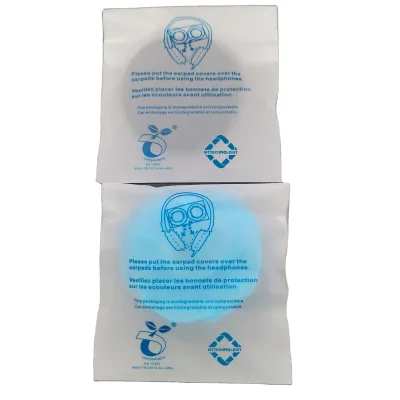
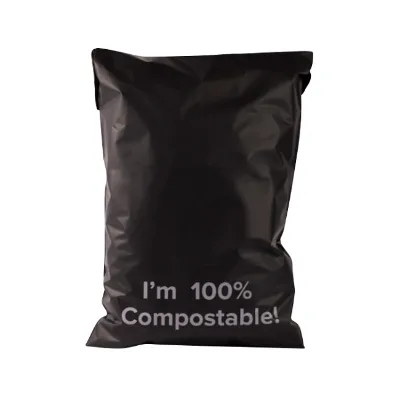
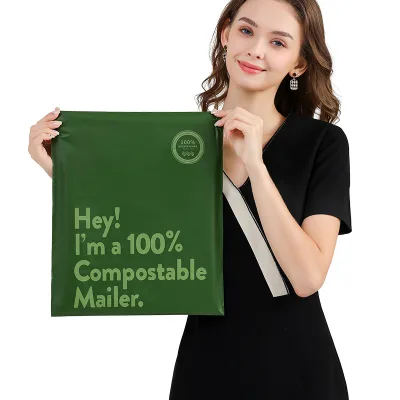
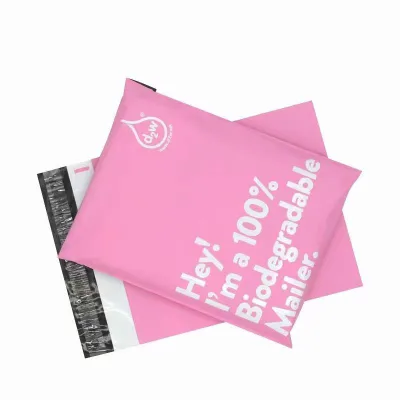
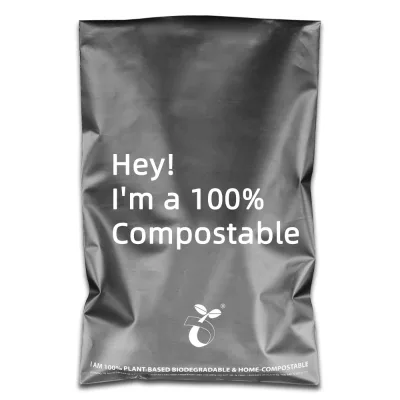
Bio-Degradable Compostable Waterproof Packaging Poly Mailer Shipping Bag
$0.5191 - $0.561
MOQ: 10000 pieces
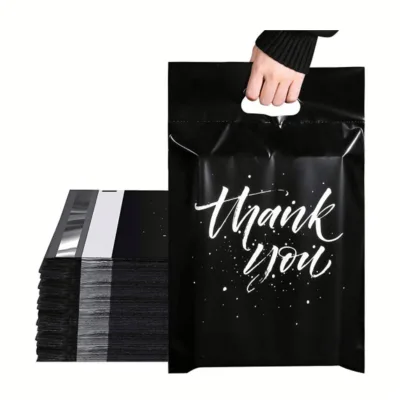
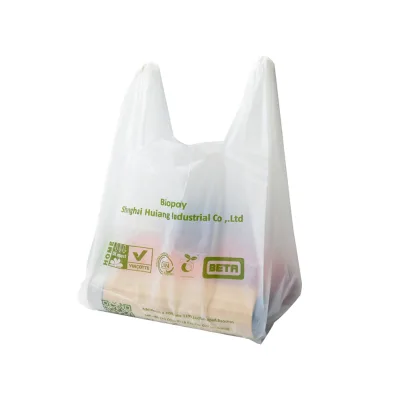
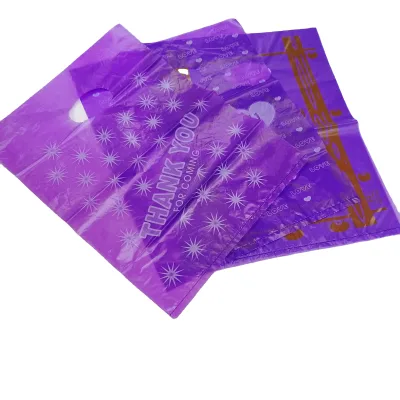


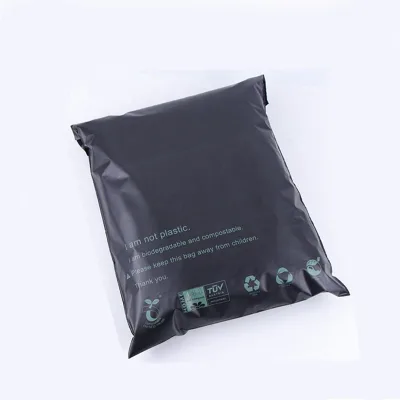


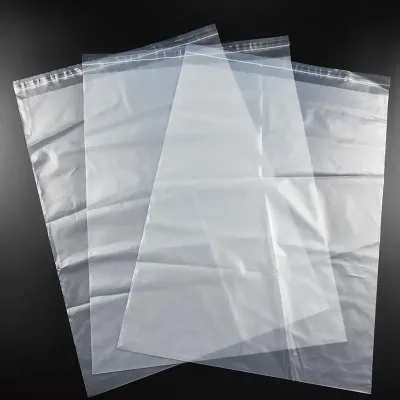
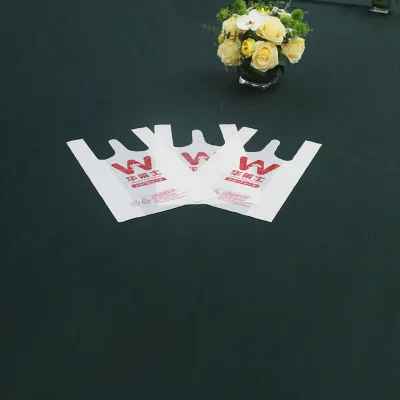
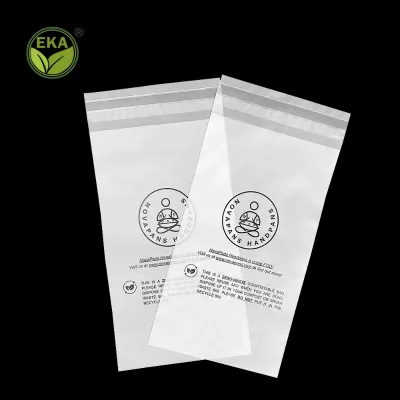
Sealable Custom Poly Bags Cornstarch Biodegradable Bags Home Compostable Bag
$0.03 - $0.05
MOQ: 10000 pieces
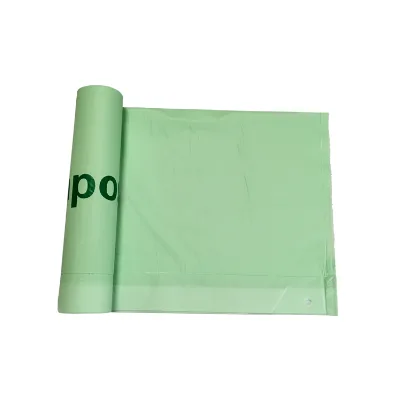





Comprehensive Sourcing Guide
Compostable Poly Packaging Bag Sourcing Guide
Sourcing compostable poly packaging bags requires a nuanced understanding of material science and supply chain logistics, particularly when balancing biodegradability with functional performance. Buyers must distinguish between true compostable materials, such as polylactic acid derived from corn, and conventional plastics that may only be partially bio-degradable. The observed market signals indicate a strong emphasis on moisture-proof and bio-degradable features, suggesting that procurement teams should prioritize suppliers who can demonstrate clear material composition rather than relying on vague marketing terms. This distinction is critical for maintaining brand integrity and ensuring that packaging claims align with actual environmental impact assessments.
Furthermore, the availability of customization options, including logo printing and specific bag shapes like square bottom bags or doypacks, adds complexity to the sourcing process. Buyers need to evaluate how these customizations affect production lead times and minimum order quantities, which can range significantly from small batches to large industrial orders. Understanding the interplay between design flexibility and manufacturing constraints is essential for negotiating favorable terms. Procurement professionals should also consider the origin of materials, as many suppliers are based in China Mainland, which may influence shipping costs and regulatory compliance depending on the destination market.
Product Scope and Observed Listing Signals
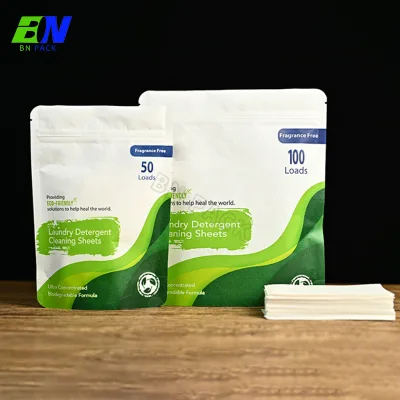
The current market landscape for compostable poly packaging bags reveals a diverse array of product types, including flat bottom pouches, box pouches, and square bottom bags. These variations cater to different storage and display needs, with some designs optimized for household use while others are tailored for food packaging applications. The observed listings highlight features such as moisture proofing and bio-degradability, which are critical for preserving product quality and meeting sustainability goals. Buyers should carefully review these attributes to ensure they align with their specific operational requirements, particularly when dealing with perishable goods that require robust protection against environmental factors.
In addition to functional features, the scope of available products includes significant customization capabilities, such as accepting customized logos and offering up to ten color options. This level of personalization allows brands to maintain visual consistency and enhance shelf appeal, but it also necessitates clear communication with suppliers regarding design specifications and approval processes. The presence of OEM services indicates that many manufacturers are equipped to handle bespoke orders, providing flexibility for companies looking to differentiate their packaging. However, buyers must verify the extent of these customization options to avoid unexpected costs or delays associated with complex design requests.
Technical Specifications to Verify
When evaluating technical specifications, buyers should focus on verifying the raw materials used in production, such as corn-based polylactic acid or high-pressure polyethylene, to ensure they meet compostability standards. The making process, whether it involves composite packaging techniques or standard plastic bag manufacturing, significantly impacts the final product's durability and environmental footprint. Procurement teams must request detailed material safety data sheets and composition reports to confirm that the bags are truly bio-degradable and do not contain harmful additives. This verification step is crucial for mitigating risks associated with greenwashing and ensuring that the packaging aligns with corporate sustainability commitments.
Additionally, buyers should assess the physical dimensions and packaging details of the bags, including single package sizes and gross weights, to optimize logistics and storage efficiency. The observed data suggests that sizes can be customized, which offers flexibility but requires precise coordination with suppliers to avoid errors in production. It is also important to verify the bag variety, such as whether they are flat bottom pouches or doypacks, as this affects how they perform on automated filling lines. By thoroughly reviewing these technical specifications, buyers can make informed decisions that balance functionality, cost, and environmental impact.
Compliance and Safety Documentation
Compliance and safety documentation are paramount when sourcing compostable poly packaging bags, especially for products intended for food contact or household use. Buyers should insist on receiving relevant certifications, such as BRC and ISO20000, which indicate adherence to rigorous quality management and safety standards. These certifications provide assurance that the manufacturing processes are controlled and that the final products meet international safety requirements. Procurement teams must verify the validity of these certificates and ensure they are up-to-date, as outdated certifications may not reflect current manufacturing practices or regulatory changes.
Furthermore, buyers should inquire about specific compostability standards, such as EN 13432 or ASTM D6400, although these should be treated as background information rather than guaranteed attributes. It is essential to confirm whether the bags are certified for industrial composting or home composting, as this distinction affects disposal methods and environmental claims. Requesting test reports from accredited laboratories can provide additional evidence of compliance and help validate supplier claims. By prioritizing robust documentation, buyers can protect their brands from potential legal liabilities and enhance consumer trust in their sustainability efforts.
Cost Drivers and Commercial Terms
Cost drivers in the Compostable Poly Packaging Bag market include raw material prices, customization complexity, and order volume, all of which influence the final price per unit. Buyers should be aware that prices can vary widely, ranging from minimal amounts for small samples to significant sums for large bulk orders. Understanding these cost dynamics is essential for budgeting and negotiating favorable terms. Procurement teams should also consider the impact of minimum order quantities, which can range from small batches to large industrial orders, on overall procurement costs. Smaller orders may incur higher per-unit costs due to setup fees and limited economies of scale.
Commercial terms, such as CIF or FOB pricing, and payment conditions, including deposits and balance payments, also play a crucial role in total cost of ownership. Buyers should clarify these terms early in the negotiation process to avoid hidden costs and ensure smooth transactions. Lead times, typically ranging from 15 to 20 working days after design confirmation or deposit receipt, should be factored into production planning to prevent stockouts. Additionally, shipping options, including DHL, EMS, UPS, FedEx, sea, and air freight, offer flexibility but come with varying costs and transit times. By carefully managing these commercial terms, buyers can optimize their supply chain efficiency and reduce overall procurement expenses.
Supplier Qualification and Quality Control
Supplier qualification is a critical step in ensuring the reliability and consistency of Compostable Poly Packaging Bag supplies. Buyers should conduct thorough due diligence, including site visits and audits, to verify manufacturing capabilities and quality control processes. This evaluation should cover aspects such as raw material sourcing, production line hygiene, and waste management practices. Procurement teams must also assess the supplier's ability to handle custom orders, including logo printing and size customization, without compromising quality. Establishing clear communication channels and regular feedback loops can help maintain high standards and address any issues promptly.
Quality control measures should be integrated into the procurement process, starting from sample approval to final shipment inspection. Buyers should request samples to evaluate the physical properties of the bags, such as moisture resistance and bio-degradability, before committing to large orders. Implementing a robust inspection protocol, including random sampling and defect rate monitoring, can help identify and rectify quality issues early. Additionally, buyers should verify the supplier's track record and references to gauge their reliability and customer satisfaction levels. By prioritizing supplier qualification and quality control, buyers can mitigate risks and ensure a steady supply of high-quality packaging materials.
Long-Term Procurement Checks
Long-term procurement checks involve continuous monitoring of supplier performance and market trends to ensure ongoing alignment with business objectives. Buyers should establish key performance indicators, such as delivery reliability, quality consistency, and responsiveness to issues, to evaluate supplier effectiveness over time. Regular reviews and performance assessments can help identify areas for improvement and foster a collaborative relationship with suppliers. Procurement teams should also stay informed about advancements in compostable materials and packaging technologies to leverage new opportunities for innovation and cost savings.
Furthermore, buyers should periodically reassess their sustainability goals and regulatory requirements to ensure that their packaging choices remain compliant and relevant. This may involve updating specifications, seeking new certifications, or exploring alternative materials as the market evolves. Engaging in strategic partnerships with suppliers who share similar sustainability values can enhance long-term resilience and drive mutual growth. By maintaining a proactive approach to procurement, buyers can adapt to changing market conditions and continue to deliver high-quality, environmentally responsible packaging solutions to their customers.
FAQs
Can these compostable poly packaging bags be customized with a logo?
Yes, customization is available for logo printing on these bags. The supplier accepts customized logos and offers up to 10 colors for design. This OEM service allows buyers to brand their packaging effectively while maintaining the moisture-proof and bio-degradable features required for food and household applications.
What is the lead time for producing these compostable poly packaging bags?
The production lead time is typically 15-20 working days after the design is confirmed or the deposit is received. This timeframe applies to the composite packaging bag manufacturing process. Buyers should account for this duration when planning their inventory needs for food or promotional packaging requirements.
What certifications do these compostable poly packaging bags hold?
These bags are produced with accepted standards and hold BRC and ISO20000 certifications. The manufacturing process ensures compliance with quality management systems. These credentials support their use in food packaging and household applications, providing assurance of safety and reliability for international buyers sourcing from China.
What is the minimum order quantity for these compostable poly packaging bags?
The minimum order quantity varies, with observed values of 10,000 pieces and 50,000 pieces depending on the specific model. Customized sizes and designs may influence the exact MOQ. Buyers should confirm the specific requirements for their chosen model, such as JJ-003 or BIO622LSH, to ensure accurate ordering.
What materials are used to make these compostable poly packaging bags?
The raw materials include corn-based PLA and high-pressure polyethylene plastic. These materials enable the bags to be bio-degradable and moisture-proof. The composite packaging process creates durable pouches suitable for food, household, and promotional uses, balancing sustainability with functional performance for various packaging needs.
What shipping methods are available for these compostable poly packaging bags?
Shipping options include DHL, EMS, UPS, FedEx, by sea, and by air. The price terms are typically CIF or FOB Jiangmen. Buyers can select the most suitable logistics method based on their urgency and budget, ensuring timely delivery of the customized packaging bags to their destination.