Source Compostable PBAT PLA Stretch Film for Packaging, Agriculture, Industry
Compare 30 listings for Compostable PBAT PLA Stretch Film from verified manufacturers. Buyers can evaluate moisture-proof, water-soluble, and transparent options with custom sizes and OEM services for packaging, agriculture, and industrial applications; compare the available evidence and request quotations based on your requirements.
Updated
Key considerations
Products List


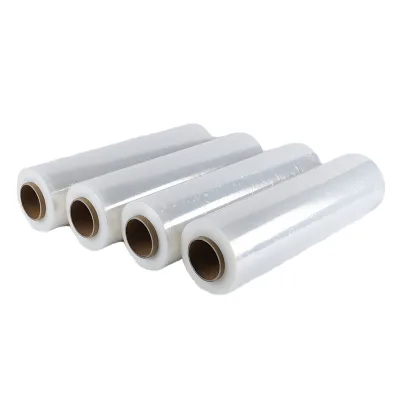
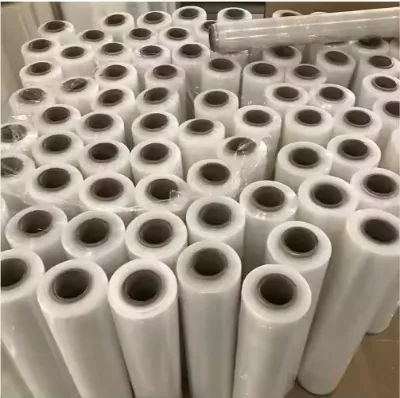
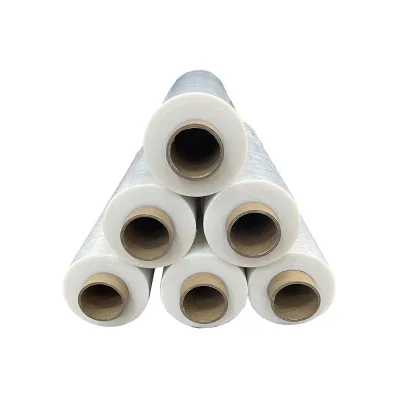
Biodegradable Clear Pallet Wrap Non Plastic PLA/Pbat Compostable Stretch Film
$13.50 - $15.20
MOQ: 5000 Rolls


Compostable Packaging Material PLA/Pbat Pallet Protective Stretch Film
$13.50 - $15.20
MOQ: 5000 Rolls


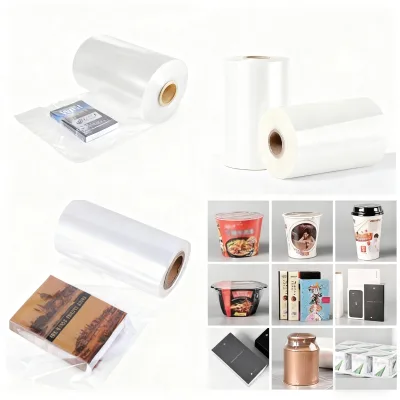
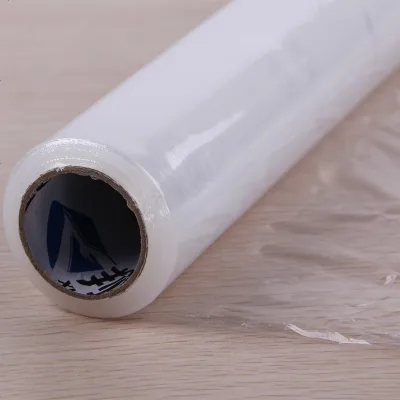
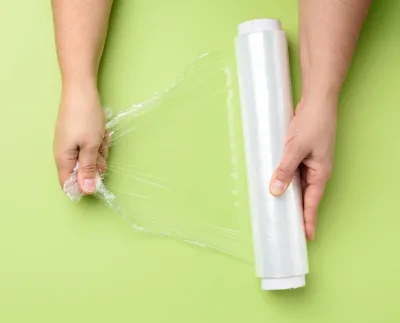
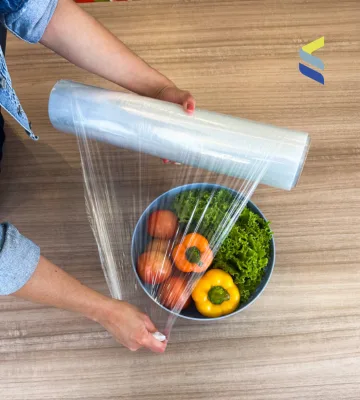
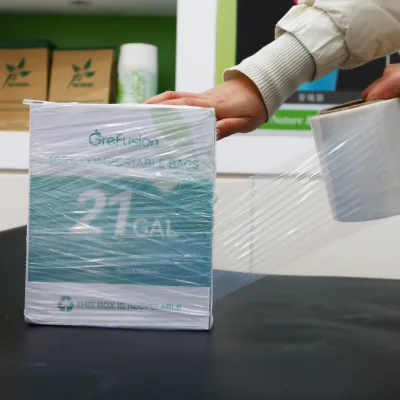
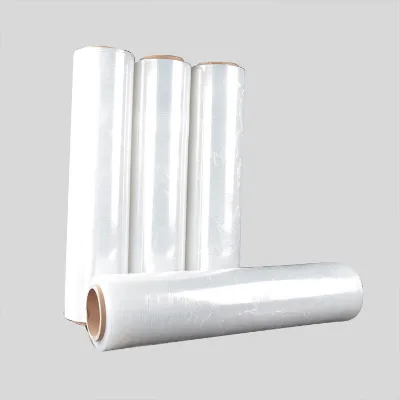
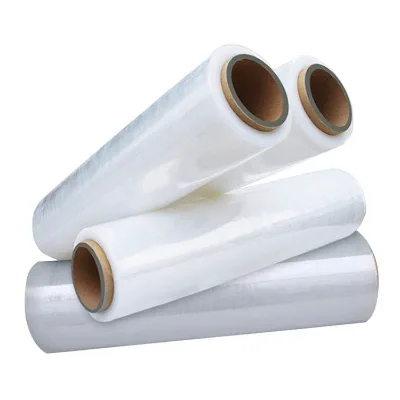
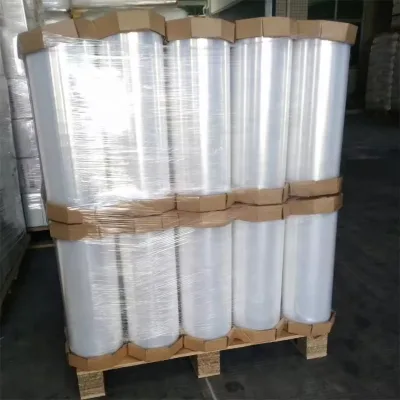


Comprehensive Sourcing Guide
Compostable PBAT PLA Stretch Film Sourcing Guide
Sourcing compostable stretch film requires a careful balance between environmental compliance and functional performance. Buyers must distinguish between traditional polyethylene-based films and those formulated with polybutylene adipate terephthalate (PBAT) and polylactic acid (PLA). The market offers various models, such as ECO-STRETCH FILM-004 and JM-Stretch film, which cater to different industrial needs. Understanding the specific material composition is the first step in ensuring the product meets both sustainability goals and operational requirements.
Procurement teams should evaluate the film’s physical properties, including elongation and clingness, to ensure compatibility with existing packaging machinery. Observed listings indicate elongation rates of 500% to 800%, which are critical for secure pallet wrapping. Additionally, the hardness of the film, whether rigid or soft, impacts handling and storage. Buyers must verify these attributes against their specific application needs, as variations in material formulation can significantly affect the film’s performance in real-world logistics scenarios.
Product Scope and Observed Listing Signals
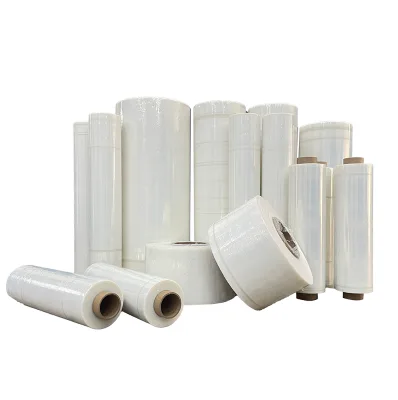
The product scope for compostable stretch film encompasses a wide range of industrial and agricultural applications. Listings frequently cite usage in packaging films, agriculture, and industry, with specific mentions of food cling film and glass protection. The versatility of these films allows them to serve as bundling types for hand or machine use. Buyers should note that while the core keyword emphasizes compostability, the actual product listings often highlight general packaging utility, requiring careful verification of the compostable claim.
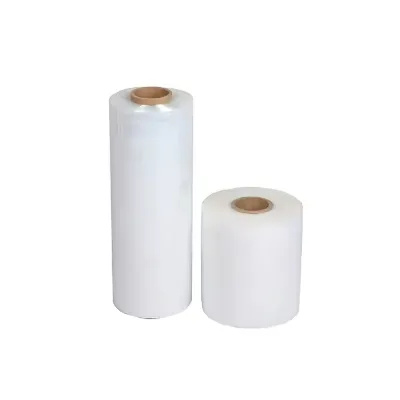
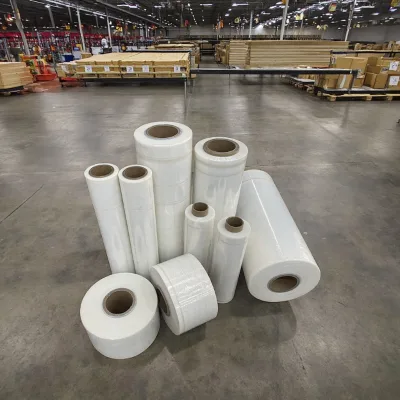
Observed listing signals reveal diverse product models and specifications. Models like ECO-STRETCH FILM-009 are explicitly labeled as compostable pallet wrap, while others, such as JM-99, focus on customized sizes. The standard widths range from 25cm to 65cm, with thicknesses between 15-35um. Some listings offer specific dimensions like 50cm1000m or 45cm400m. These variations indicate that buyers must specify their exact dimensional requirements early in the sourcing process to avoid mismatches between ordered specifications and delivered goods.
Technical Specifications to Verify
Technical verification begins with confirming the processing type and material structure. Listings indicate processing methods such as blow molding and casting, which influence the film’s clarity and strength. Transparency is a common attribute, with many products described as transparent. Buyers should request samples to test the film’s moisture-proof and water-soluble properties, as these characteristics are critical for specific environmental conditions. The hardness, described as either rigid or soft, must align with the intended application, whether for heavy-duty industrial bundling or delicate gift packaging.
Dimensional accuracy and packaging details are equally important for operational efficiency. Standard widths include 35, 40, 45, 50, and 60cm, with some suppliers offering custom sizes. The product packing is typically in rolls with pallet wrap or carton boxes, with some listings specifying two rolls per carton. Buyers must verify the gross weight per batch and the specific model numbers, such as ECO-STRETCH FILM-001 or Jumei stretch film, to ensure consistency. Accurate specification verification prevents production delays and ensures the film performs as expected on automated packaging lines.
Compliance and Safety Documentation
Compliance documentation is paramount when sourcing compostable films, particularly for markets with strict environmental regulations. Buyers should request certificates such as Bpi&DIN Certco, which validate the compostable nature of the product. While EN13432 is mentioned in background contexts, buyers must verify if the specific product batch holds this certification. Without explicit certification evidence, claims of compostability may not be legally defensible in regulated markets. Procurement teams must ensure that the supplier can provide up-to-date and valid documentation for each order.
Safety and material safety data sheets (MSDS) are also essential components of the compliance package. Buyers should verify that the film meets relevant safety standards for food contact if used in food packaging applications. The presence of custom logo printing and OEM/ODM services suggests that suppliers are willing to tailor products, but this customization must not compromise the film’s certified compostable properties. Buyers must ensure that any added inks or adhesives used in custom printing are also compliant with environmental and safety regulations.
Cost Drivers and Commercial Terms
Cost drivers for compostable stretch film include raw material prices, processing complexity, and order volume. The observed price range of $0.03 to $3000 USD reflects significant variation based on film thickness, width, and length. Buyers should note that the minimum order quantity (MOQ) ranges from 100kgs to 100,000 units, with some suppliers offering a single roll as a sample. Understanding the MOQ structure is crucial for budgeting, as smaller orders may incur higher per-unit costs. Buyers should negotiate volume discounts based on their projected annual consumption.
Commercial terms such as lead time and payment conditions also impact the total cost of ownership. Typical lead times are reported as 20-25 days, which buyers must factor into their inventory planning. Sample services are often available for free, allowing buyers to test the product before committing to large orders. Buyers should clarify whether shipping costs are included in the quoted price and verify the supplier’s location, such as Fujian or Anhui Wuhu, to estimate logistics expenses. Clear commercial terms prevent unexpected costs and ensure smooth transaction processes.
Supplier Qualification and Quality Control
Supplier qualification involves assessing the manufacturer’s capabilities and quality control processes. Buyers should prioritize suppliers who identify as manufacturers with factory advantages, as this often indicates better control over production quality. The availability of OEM/ODM services, including custom logos and sizes, suggests a flexible manufacturing process. However, buyers must verify the supplier’s ability to maintain consistent quality across large batches. Requesting references or case studies from other clients can provide insights into the supplier’s reliability and performance.
Quality control measures should include regular testing of the film’s physical properties, such as elongation and clingness. Buyers should establish clear acceptance criteria for these attributes and request test reports from the supplier. The observation of varying hardness levels, from rigid to soft, indicates that quality control must be tailored to the specific product type. Buyers should also verify the supplier’s packaging standards, ensuring that films are protected during transit to prevent damage. Effective quality control ensures that the purchased film meets the required performance standards.
Long-Term Procurement Checks
Long-term procurement checks focus on the supplier’s ability to maintain consistent supply and quality over time. Buyers should monitor the supplier’s lead times and responsiveness to ensure they can meet changing demand patterns. The availability of free samples allows for periodic re-evaluation of the product’s performance. Buyers should establish a schedule for regular quality audits and performance reviews to identify any deviations early. Maintaining a strong relationship with the supplier can facilitate better communication and quicker resolution of any issues that arise.
Sustainability compliance is an ongoing requirement that must be monitored throughout the procurement lifecycle. Buyers should verify that the supplier’s compostable certifications remain valid and up-to-date. Changes in regulatory standards may require adjustments to the product specifications, so buyers must stay informed about relevant environmental regulations. Regular communication with the supplier about any changes in material composition or processing methods is essential. By conducting thorough long-term checks, buyers can ensure that their procurement strategy remains aligned with their sustainability goals and operational needs.
FAQs
What certifications are available for compostable stretch film?
Compostable pallet wrap options include Bpi and Din Certco certifications to verify environmental compliance. These standards ensure the material breaks down effectively in industrial composting conditions. Buyers seeking eco-friendly packaging solutions should verify these specific credentials before placing bulk orders to meet sustainability goals.
Can I get custom sizes for stretch film rolls?
Yes, manufacturers offer custom sizes including 35, 40, 45, 50, 60, and 70 cm widths. Standard lengths vary by width, such as 50 cm by 1000 m or 45 cm by 400 m. Custom printing and logo services are also available for branded packaging needs.
What is the typical lead time for production?
The standard lead time for production is 20 to 25 days after order confirmation. This timeframe allows for manufacturing and quality control processes. Buyers should plan their inventory accordingly to ensure timely delivery for their packaging or industrial requirements.
What are the minimum order quantities for samples?
Samples are available with a minimum order quantity of 100 kgs or one roll. Free samples can be requested to test material properties like clingness and elongation. This allows buyers to verify quality before committing to larger bulk purchases for their specific application.
Where are these stretch films manufactured?
Production facilities are located in Fujian, Anhui Wuhu, and Guangdong in China. These regions provide established manufacturing infrastructure for plastic films. Buyers can source directly from these origins to ensure consistent quality and reliable supply chains for their packaging needs.
What features does the stretch film offer?
The film provides moisture proofing and strong to light clingness options. It is available in rigid or soft hardness depending on the application. High elongation rates of 500% or 800% ensure secure wrapping for pallets, glass, and industrial goods during transport.