Source Convertible Scandinavian Coffee Table for Living Rooms
Find and compare 30 Convertible Scandinavian Coffee Table options from Chinese manufacturers. Evaluate materials like wood and aluminum, styles including modern minimalist designs, and customization support for bulk sourcing needs.
Key considerations
Products List


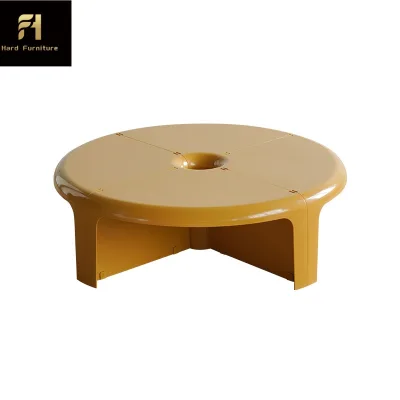


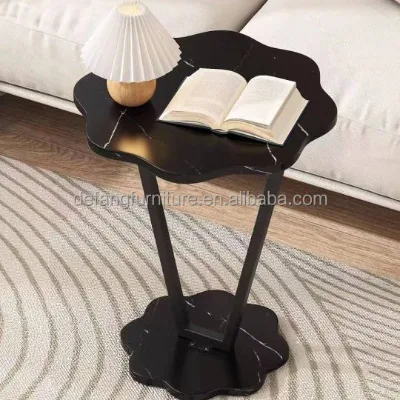


Multifunctional Nordic Solid Wood Small Apartment Living Room Coffee Table
$100.00 - $120.00
MOQ: 50 Pieces

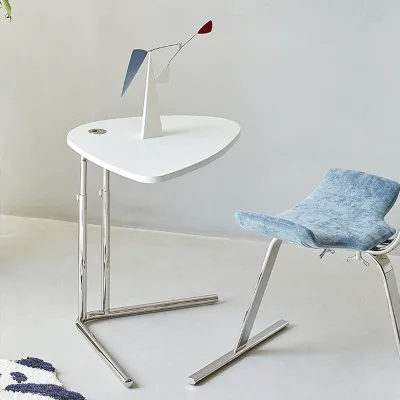
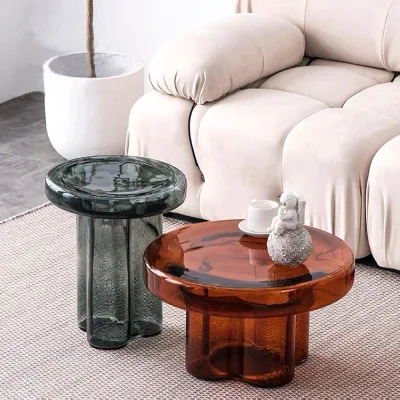
Comprehensive Sourcing Guide
Convertible Scandinavian Coffee Table Sourcing Guide
Sourcing convertible Scandinavian coffee tables requires a nuanced understanding of how minimalist aesthetics intersect with functional versatility. The Scandinavian design ethos emphasizes clean lines, natural materials, and uncluttered spaces, while the "convertible" attribute suggests mechanisms for height adjustment, folding, or multi-purpose utility. Buyers must navigate a market where visual simplicity often masks complex mechanical or structural engineering. This guide provides evidence-based procurement strategies to help buyers identify reliable suppliers, verify technical specifications, and mitigate risks associated with furniture manufacturing from key production hubs like China.
The following sections detail the critical verification steps for this product category. By focusing on observed listing signals, technical specifications, compliance requirements, cost drivers, supplier qualification, and long-term checks, buyers can build a robust sourcing strategy. The guidance relies on verified product attributes and trusted industry knowledge to ensure that procurement decisions are grounded in factual data rather than marketing claims.
Product Scope and Observed Listing Signals
The observed product landscape for convertible Scandinavian coffee tables reveals a diverse range of materials and structural designs. Listings indicate the presence of wooden frames, aluminum alloy constructions, and even plastic frame variants, suggesting that "Scandinavian" in this context may refer more to aesthetic style than a strict material mandate. For instance, some products are explicitly described as having a "Modern" style with "Panel" wood styles, while others highlight "Solid Wood" construction. Buyers should note that the term "convertible" is not uniformly defined across listings; some products are marked as "Unfolded" or "No" for folded status, implying that the convertible feature might be related to height adjustment or modular assembly rather than folding.
Price and minimum order quantity (MOQ) signals vary significantly, reflecting the heterogeneity of the supply base. Observed price ranges span from approximately $4.46 to $600 USD, indicating a wide spectrum from basic, possibly plastic-accented units to premium solid wood or aluminum models. MOQs range from as low as 5 pieces to 500 pieces, with some listings specifying an MOQ of 100. This variance suggests that buyers can access both small-batch trial orders and large-scale production runs. However, the wide price disparity necessitates careful comparison of material quality and construction details to ensure that lower-priced items do not compromise on the durability expected of Scandinavian-style furniture.
Technical Specifications to Verify
Material composition is the primary technical differentiator for this product category. Buyers must verify whether the frame is constructed from wood, aluminum alloy, or plastic, as these materials dictate weight, durability, and aesthetic finish. For example, some listings specify "Wooden Frame" or "Aluminum Frame," while others mention "Solid Wood" or "Plastic" frame materials. The cushioning, if present, should be checked for attributes like "Waterproof" and "Quick-Drying" properties, which are critical for longevity and maintenance. Additionally, the "Wood Style" should be confirmed as either "Panel" or "Solid Wood," as this impacts the structural integrity and visual appeal of the table.
Dimensional and packaging specifications are equally critical for logistics and space planning. Standard dimensions observed include models with a diameter of 135*75 cm, while others may have specific package sizes such as 56X56X63 cm. Buyers should verify the "prod_standard" and "prod_packing" details, which range from "Carton" to "Polyfoam+Multikraft Paper" or "Standard Packing." The net weight (N.W.) of 14.2 kg for some models provides a baseline for shipping cost calculations. It is essential to confirm whether the product is delivered in a "Folded" or "Unfolded" state, as this affects assembly requirements and packaging volume.
Compliance and Safety Documentation
Safety and regulatory compliance are paramount when sourcing furniture intended for residential or commercial use. Buyers should request documentation that verifies the structural stability of the convertible mechanisms, ensuring that height adjustments or folding parts do not pose pinch hazards or collapse risks. While specific certification statuses like FSC are mentioned in background data, buyers must independently verify the current validity of any forest certification claims for wooden components. This verification is crucial for maintaining brand integrity and meeting the sustainability expectations of Scandinavian design consumers.
Chemical safety standards for materials, particularly for cushions and finishes, must be rigorously checked. Buyers should ensure that all materials comply with relevant international standards for formaldehyde emissions, heavy metal content, and flammability. For products originating from China, including those from Foshan, Guangdong, or Weifang, Shandong, buyers should request test reports from accredited laboratories. These reports should confirm that the aluminum alloy, wood, or plastic components meet the safety requirements of the destination market, such as the EU’s REACH regulation or the US’s CPSIA.
Cost Drivers and Commercial Terms
The cost of convertible Scandinavian coffee tables is influenced by material selection, manufacturing complexity, and customization options. Products with "Solid Wood" construction or "Aluminum Alloy" frames typically command higher prices due to material costs and processing requirements. Customization features, such as "Style Modification" or "OEM & ODM" support, add to the unit cost but offer greater brand differentiation. Buyers should analyze the price-to-feature ratio, considering that lower-priced items may use "Panel" wood or plastic frames, which are less durable and visually distinct from traditional Scandinavian aesthetics.
Commercial terms, including MOQ and lead times, significantly impact procurement planning. With MOQs ranging from 5 to 500 pieces, buyers can negotiate terms that align with their inventory strategy. Lead times of 25-35 days are observed, which is standard for furniture manufacturing but requires careful scheduling to avoid stockouts. Buyers should also consider the warranty terms, with some suppliers offering a 5-year warranty, which can reduce long-term risk. Clear communication regarding payment terms, shipping responsibilities, and return policies is essential to avoid hidden costs and logistical delays.
Supplier Qualification and Quality Control
Supplier qualification begins with verifying the origin and manufacturing capabilities of the provider. Key production locations for these products include Foshan, Guangdong, Weifang, Shandong, and Zhejiang, China. Buyers should assess the supplier’s expertise in producing Scandinavian-style furniture, looking for evidence of consistent quality in previous orders. The presence of "High Quality" claims should be substantiated by factory audits, production process documentation, and references from other buyers. Suppliers that support "Customisation and Style Modification" demonstrate flexibility and technical competence, which are valuable traits for long-term partnerships.
Quality control measures must be established before production begins. Buyers should define clear acceptance criteria for materials, dimensions, and finish quality. For convertible mechanisms, functional testing is essential to ensure smooth operation and durability. Implementing a pre-shipment inspection protocol can help identify defects early, reducing the risk of receiving non-conforming goods. Buyers should also verify the "prod_packing" standards to ensure that products are protected during transit, minimizing damage and returns. Establishing a robust quality control framework is critical for maintaining brand reputation and customer satisfaction.
Long-Term Procurement Checks
Long-term procurement success depends on continuous monitoring of supplier performance and market trends. Buyers should regularly review supplier delivery times, product quality, and responsiveness to issues. Tracking changes in material costs and manufacturing technologies can help anticipate price fluctuations and identify opportunities for cost savings. Additionally, staying informed about evolving consumer preferences for Scandinavian design and convertible furniture can guide product development and inventory planning. Building a diversified supplier base can mitigate risks associated with single-source dependencies and supply chain disruptions.
Sustainability and ethical sourcing practices should be integrated into long-term procurement strategies. Buyers should prioritize suppliers who demonstrate commitment to environmental responsibility, such as using certified wood or recyclable materials. Regular audits of supplier practices can ensure compliance with labor and environmental standards. By fostering transparent and collaborative relationships with suppliers, buyers can drive continuous improvement and innovation in their product offerings. This proactive approach not only enhances product quality but also strengthens the brand’s position in the competitive furniture market.
FAQs
Can I customize the style of this coffee table?
Yes, customization and style modification are supported for this product. The listing explicitly states OEM and ODM services are available, allowing buyers to request specific design changes to meet their requirements.
What is the minimum order quantity for this table?
The minimum order quantity varies by supplier, with observed values ranging from 5 to 100 pieces. Some listings specify an MOQ of 5 pieces, while others require a minimum of 100 units for purchase.
How long does delivery take for this furniture?
The delivery time is typically between 25 and 35 days after order confirmation. This lead time applies to the production and shipping process for the convertible coffee table items listed in the catalog.
What materials are used for the frame construction?
Frames are constructed from wood, aluminum alloy, or plastic depending on the specific model. Listings indicate options include wooden frames, aluminum alloy frames, and plastic frame materials for different product variants.
Where are these coffee tables manufactured?
Products originate from various locations in China, including Foshan, Shandong, Weifang, and Zhejiang. Specific origins depend on the manufacturer, with Foshan and Shandong being noted places of origin for different models.
What is the warranty period for this table?
A warranty period of 5 years is available for certain models of this coffee table. This warranty coverage is explicitly listed as a feature for specific product entries in the provided catalog data.
How is the product packed for shipping?
Packaging methods include cartons, polyfoam with multikraft paper, or standard packing configurations. The specific packing type depends on the product model, with some items using polyfoam and others utilizing carton packaging.