Source Convertible Solid Wood Baby Crib for Bedroom Living Room Nursery
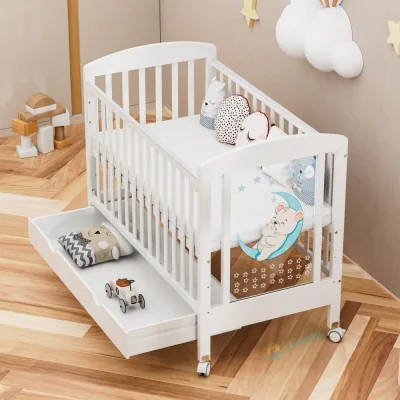
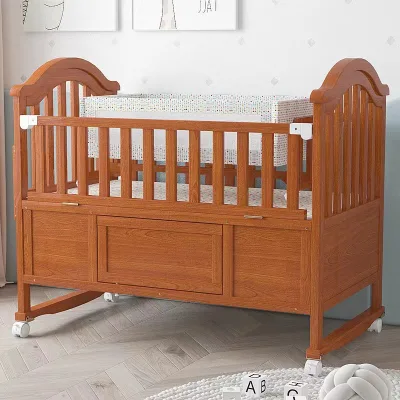
Source 30 Convertible Solid Wood Baby Crib options featuring durable pine frames and 4-in-1 designs. Buyers can compare adjustable heights, custom sizes, and factory prices from verified Chinese manufacturers offering ODM services.
Key considerations
Products List

Modern Design Convertible Baby Cot Solid Wooden Baby Bed Crib for Newborn
$60.00 - $120.00
MOQ: 100 Pieces


Convertible Wooden Baby Furniture Adjustable Baby Cot Crib with Headboard
$42.00 - $60.00
MOQ: 200 Pieces

Factory Wholesale Baby Furniture Wood Baby Cot Bed 4-in-1 Convertible Crib
$55.00 - $90.00
MOQ: 300 Pieces


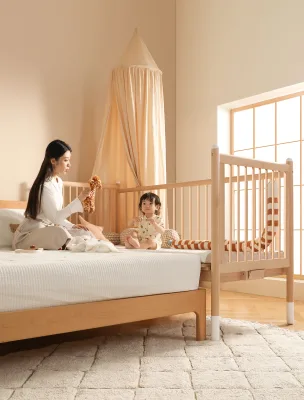
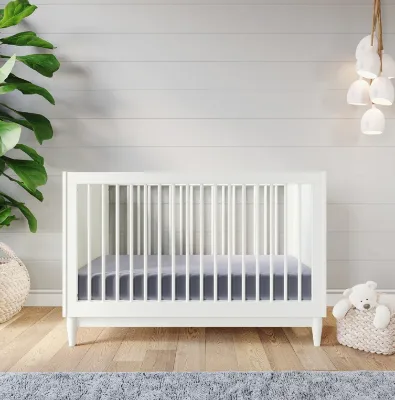


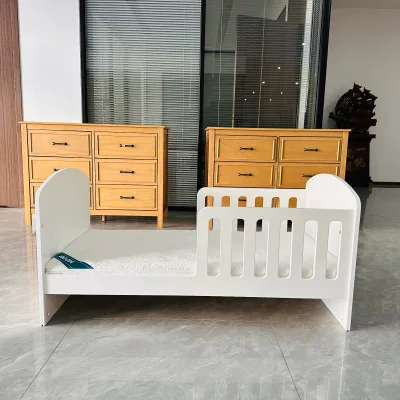
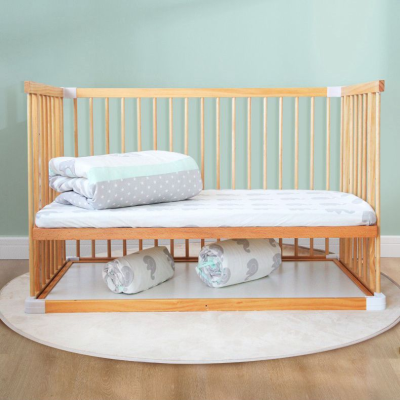
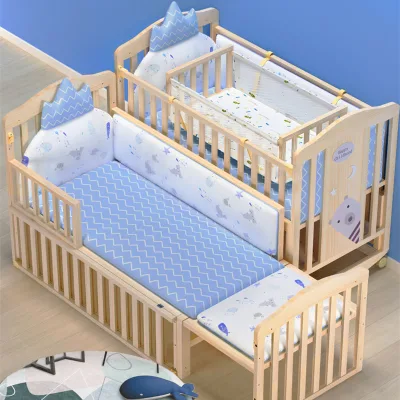
New Type Full Size Baby Solid Wood Pine Multifunctional Twin Baby Rocking Crib
$43.69 - $59.80
MOQ: 10 cases
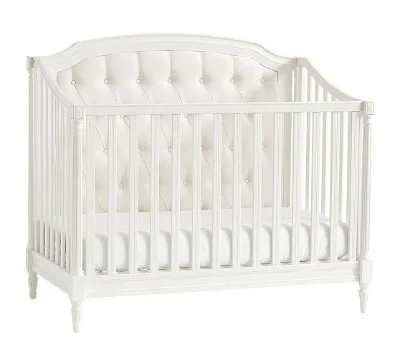
Shiny Diamond Luxury Royal Wooden Baby Crib Baby Crib Modern Luxury Baby Bed Crib
$64.54 - $69.78
MOQ: 20 cases
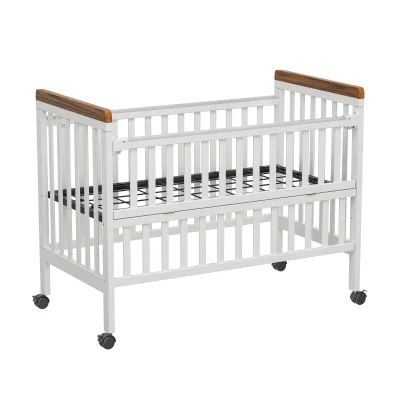
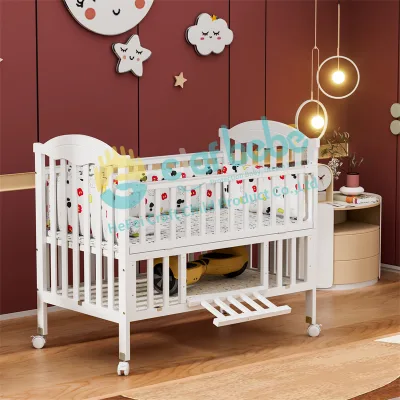
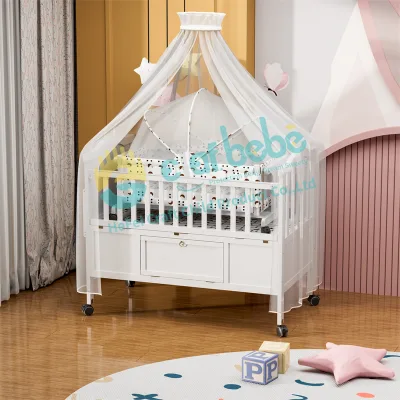

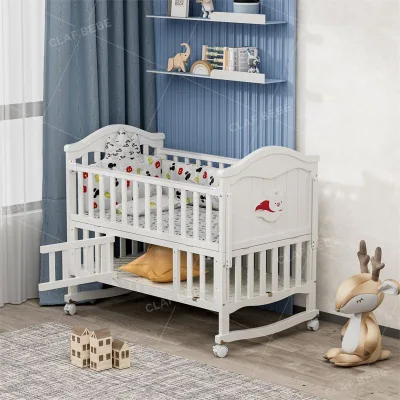



Comprehensive Sourcing Guide
Convertible Solid Wood Baby Crib Sourcing Guide
Product Scope and Observed Listing Signals
The market for convertible solid wood baby cribs is characterized by a strong emphasis on multifunctionality and material durability, with listings frequently highlighting "4-in-1" or "3-in-1" conversion capabilities. Buyers observing current product catalogs will note that these units are designed to evolve with the child, transitioning from a standard crib to a toddler bed, daybed, or even a full-size bed frame. The observed product range includes specific models such as the SMT-C21, SMTBC022, SMTBC031, SMTBC021, SMTBC070, and SMT-C38, each offering distinct design variations while maintaining the core structural integrity expected of solid wood furniture. These items are predominantly marketed as modern-style pieces, often featuring clean lines and minimalist aesthetics that align with contemporary nursery decor trends.
Commercial signals from suppliers indicate a high degree of customization availability, allowing buyers to tailor dimensions, wood species, and finishes to specific market demands. The observed listings reveal a wide variance in Minimum Order Quantities (MOQ), ranging from as low as 1 piece for sample orders up to 300 pieces for bulk production runs, with common thresholds set at 100, 200, or 300 units. Pricing structures observed in the market span from approximately $19 to $200 USD, reflecting differences in wood quality, complexity of conversion mechanisms, and packaging standards. Most suppliers operate from China, with specific origins noted in regions like Shandong, and typically offer a one-year warranty on their products, signaling a baseline commitment to product longevity and structural reliability.
Technical Specifications to Verify
When evaluating technical specifications, the primary focus should be on the wood species and construction quality, as these factors directly impact the crib’s durability and safety. Suppliers commonly utilize New Zealand Pine Wood, Beech, or other solid wood varieties, often combined with plywood for structural panels. Buyers must verify the exact composition of the wood used, ensuring that the "solid wood" claim is substantiated by detailed bill-of-materials documentation. The finish is another critical technical aspect; observed products frequently advertise non-toxic paint finishes, which are essential for maintaining a safe environment for infants. It is imperative to confirm that the coatings used are free from harmful chemicals such as lead, phthalates, or formaldehyde, and to request specific data sheets for the paints and varnishes applied to the wood surfaces.
Dimensional accuracy and conversion mechanics are equally vital technical considerations. The observed standard sizes for these cribs vary, with some models measuring approximately 29.75 x 35 x 53.75 inches, while others, such as assembled crib sizes, may measure 55 inches in length, 30 inches in width, and 44 inches in height. Buyers should verify whether the dimensions are fixed or customizable, as many suppliers offer bespoke sizing options to meet specific regulatory or spatial requirements. The conversion mechanism itself, which allows the crib to transform into a toddler bed or daybed, must be robust and easy to operate. Inspectors should check the quality of the hardware, including screws, bolts, and conversion rails, ensuring they are secure and do not pose a pinch hazard or structural weakness during the transition phases.
Compliance and Safety Documentation
Safety compliance is the most critical aspect of sourcing baby cribs, as these products are subject to stringent regulatory standards in major markets. Buyers must ensure that suppliers can provide valid test reports from accredited laboratories, verifying that the cribs meet relevant safety standards such as ASTM F1169 in the United States or EN 716 in Europe. While some suppliers may claim certifications like ISO9000, ISO14001, or CCC, these primarily attest to quality management and environmental systems rather than direct product safety compliance. Therefore, buyers should not rely solely on these management certifications but must demand specific product safety test certificates that address structural integrity, slat spacing, mattress fit, and chemical emissions.
Chemical safety documentation is particularly important given the close proximity of infants to the crib materials. Buyers should request Material Safety Data Sheets (MSDS) for all finishes, glues, and adhesives used in the construction process. The observed "non-toxic paint finish" claim must be backed by third-party testing results confirming compliance with regulations such as CPSIA in the US or REACH in the EU. Additionally, buyers should verify that the wood species used do not contain excessive levels of natural toxins or allergens, and that the plywood components are formaldehyde-free or meet low-emission standards. It is also advisable to check for any voluntary certifications, such as FSC, which indicate responsible sourcing of wood materials, although this should be treated as a supplementary value-add rather than a primary safety requirement.
Cost Drivers and Commercial Terms
Several key factors influence the final cost of convertible solid wood baby cribs, with wood species and processing complexity being the most significant. Solid Pine Wood and Beech are generally more expensive than composite woods or softer pine varieties, and the extent of customization, such as unique designs or specific color schemes, can further drive up production costs. The observed price range of $19 to $200 USD reflects these variations, with higher prices typically associated with premium wood types, intricate conversion mechanisms, and custom packaging solutions. Buyers should also consider the cost of freight, as these items are bulky and heavy, often requiring standard exporting packing or carton box packaging that adds to the overall landed cost.
Commercial terms, including MOQ and lead times, play a crucial role in budgeting and inventory planning. The observed MOQs range from 1 to 300 pieces, with many suppliers setting thresholds at 100, 200, or 300 units. Buyers with smaller order volumes may face higher per-unit costs or limited customization options. Lead times are another critical commercial factor, with observed delivery times ranging from 45 to 50 days for production. This extended lead time necessitates careful planning to avoid stockouts, especially during peak nursery furniture seasons. Buyers should also clarify payment terms, warranty conditions, and responsibilities for defective items, ensuring that the one-year warranty offered by suppliers is clearly defined in terms of coverage and claim procedures.
Supplier Qualification and Quality Control
Supplier qualification should begin with a thorough review of their manufacturing capabilities and quality management systems. Buyers should verify that the supplier has a dedicated production line for baby furniture, as this indicates specialized expertise and adherence to industry-specific best practices. The observed certifications, such as ISO9000 and ISO14001, suggest that the supplier has established processes for quality control and environmental management. However, buyers should conduct on-site audits or request detailed video tours of the factory to assess the actual production environment, including wood storage, drying processes, and assembly lines. This due diligence helps ensure that the supplier can consistently produce high-quality cribs that meet the specified technical and safety requirements.
Quality control measures should be integrated into the procurement process from the outset. Buyers should establish clear quality standards and inspection criteria, covering aspects such as wood grain consistency, finish quality, hardware durability, and dimensional accuracy. Pre-production samples should be approved before bulk manufacturing begins, allowing for any necessary adjustments to the design or materials. During production, third-party inspection services can be employed to conduct random checks on finished goods, ensuring that they comply with the agreed-upon specifications. Post-production, buyers should verify the packaging quality to prevent damage during transit, as the observed "standard exporting packing" or "carton box" methods must be robust enough to protect the cribs from impact and moisture.
Long-Term Procurement Checks
Long-term procurement success depends on establishing a reliable supply chain that can adapt to changing market demands and regulatory updates. Buyers should maintain open communication with their suppliers to stay informed about any changes in wood availability, pricing trends, or safety regulations. Regular performance reviews should be conducted to assess the supplier’s ability to meet delivery times, maintain quality standards, and provide responsive customer service. This ongoing evaluation helps identify potential issues early and fosters a collaborative relationship that can lead to improved product offerings and competitive pricing over time.
Additionally, buyers should monitor customer feedback and market trends to ensure that the convertible solid wood baby cribs they source remain relevant and desirable. The observed trend towards modern styles and multifunctional designs suggests that buyers should prioritize suppliers who are innovative and responsive to design changes. By staying attuned to these dynamics, buyers can make informed decisions about product assortments and inventory levels, minimizing the risk of obsolescence and maximizing customer satisfaction. Continuous improvement in quality control and supplier management will ultimately contribute to a sustainable and profitable procurement strategy for convertible solid wood baby cribs.
FAQs
What is the standard size for a Convertible Solid Wood Baby Crib?
The standard assembled size is 55 inches long, 30 inches wide, and 44 inches high. Some models offer dimensions of 29.75 by 35 by 53.75 inches. Buyers can also request customized sizes to fit specific bedroom layouts or international standards.
What wood species are used in these cribs?
The primary material is solid pine wood, often New Zealand Pine. Other options include beech wood and plywood combinations. The wood frame is designed for durability and is finished with non-toxic paint to ensure safety for infants.
How many conversion modes does a 4-in-1 crib offer?
A 4-in-1 convertible crib typically functions as a baby crib, toddler bed, daybed, and full-size bed. This design allows the furniture to adapt as the child grows, extending its useful life from infancy through early childhood.
What is the typical lead time for custom orders?
The standard delivery time for these products is 45 to 50 days. This timeline accounts for production, quality control, and preparation for export. Customized designs or specific wood species may require additional time for approval and manufacturing.
Can buyers request custom designs and colors?
Yes, customized design is welcomed and available. Buyers can request specific colors, such as white, or two-color designs. The manufacturer supports ODM and OEM services, allowing for tailored branding and structural modifications to meet specific market needs.
What certifications are associated with these cribs?
The products are certified under ISO9000, ISO14001, and CCC standards. These certifications indicate adherence to quality management, environmental management, and compulsory product certification requirements. This ensures the cribs meet international safety and quality benchmarks.
What is the minimum order quantity for these cribs?
The minimum order quantity varies by model, ranging from 100 to 300 pieces. Buyers should confirm the specific MOQ for their chosen model and customization level. Lower MOQs may be available for standard configurations, while custom designs often require higher volumes.