Source Cosmetic Case Options for Travel, Makeup, and Storage
Explore 30 Cosmetic Case listings from Zhejiang, China. Compare aluminum and ABS models with shockproof features, waterproof designs, and custom foam interiors for professional hairstylists and travelers seeking durable storage solutions; compare the available evidence and request quotations based on your requirements.
Key considerations
Products List
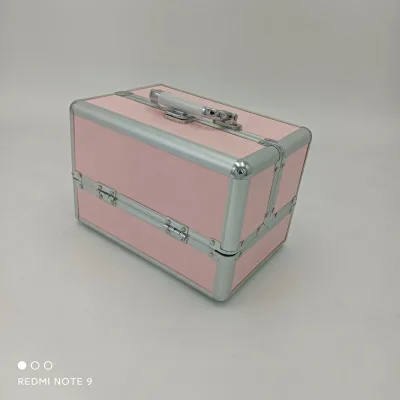
Makeup case ABS Aluminum case Length 25 cm Width 17 cm Height 17 cm Cosmetic case
$10.00 - $11.00
MOQ: 200 pieces

Aluminum Cosmetic Aluminum Makeup Case Beauty Case Aluminum Beauty Case
$14.00 - $15.00
MOQ: 100 Pieces


Large Beauty Cosmetic Box Trolley Make up Case Trolley Makeup Beauty Box Case
$26.99 - $35.00
MOQ: 1 Pieces
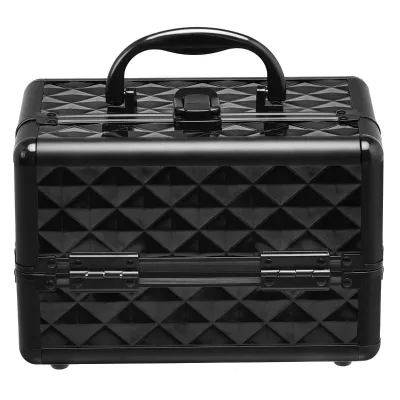


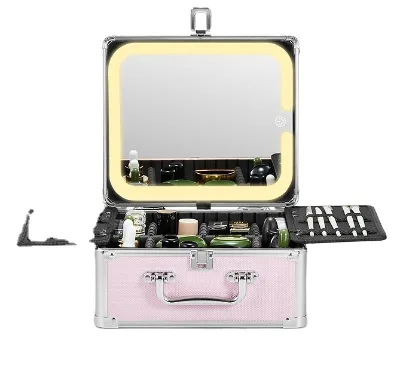
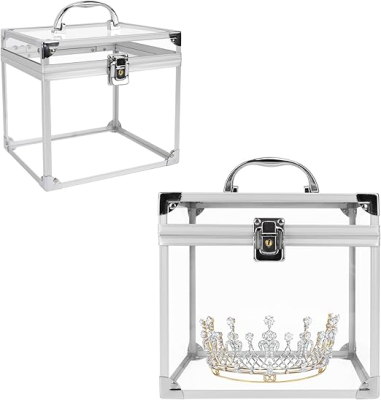


Round Buckle ABS Cushion Case with Mirror for Beauty Products Cosmetics Packaging
$0.56 - $0.60
MOQ: 10000 Pieces

Round Pink ABS Air Cushion Case Makeup Beauty Products Cosmetic Empty Packaging
$0.56 - $0.60
MOQ: 10000 Pieces


Comprehensive Sourcing Guide
Cosmetic Case Sourcing Guide
Procuring a Cosmetic Case requires distinguishing between general storage solutions and specialized equipment designed for professional environments. The market offers diverse options ranging from simple aluminum frames to complex units with custom foam interiors. Buyers must first identify whether the primary need is for hardware tools, professional makeup application, or general household storage, as this dictates the required structural integrity and internal configuration.
The observed product landscape includes cases with specific closure mechanisms like hasps or buttons, alongside waterproof variants suitable for travel. While some listings highlight fashion-oriented styles, others emphasize rugged utility with shockproof features. Understanding these distinctions is critical before engaging suppliers, as the intended usage environment directly influences the selection of materials, such as aluminum alloy or ABS, and the necessary level of customization for dimensions and colors.
Product Scope and Observed Listing Signals
Buyers should verify that the product type aligns with the specific application, noting that listings often describe items as either a box or a case with varying external dimensions. The observed data indicates a wide range of sizes, from compact units to larger boxes measuring approximately 310 by 240 by 230 millimeters. This variability suggests that suppliers offer both standard models and fully customizable options to fit specific tool sets or cosmetic collections.
It is essential to scrutinize the listed material composition, as some products combine aluminum frames with ABS and MDF, while others rely solely on aluminum alloy. The presence of features like double openings, waterproof ratings, and specific corner reinforcements like ABS or metal indicates a higher tier of durability. Procurement teams must confirm that the observed style, whether hand-held or stationary, matches the operational workflow of the end-user to ensure practical utility.
Technical Specifications to Verify
Technical due diligence must focus on the internal configuration, specifically the availability of custom foam options that can be soft or hard to secure delicate items. The structural design often includes a lock mechanism with a key, which is vital for protecting valuable tools or cosmetics during transit. Buyers should explicitly request dimensional drawings to confirm that the external and internal measurements accommodate their specific inventory without requiring excessive modification.
Verification of the closure system is equally important, as the market presents both hasp and button fasteners with varying degrees of security. The hardness of the case, described as partial hard in some contexts, requires careful assessment to ensure it meets the shockproof requirements for the intended transport conditions. Additionally, the surface finish, often ABS, should be evaluated for resistance to scratches and chemical exposure, ensuring the case maintains its aesthetic and functional integrity over time.
Compliance and Safety Documentation
When sourcing cosmetic cases, buyers must request documentation confirming adherence to relevant safety and environmental standards. The observed listings mention certifications such as RoHS and ISO, which are critical indicators of a supplier's commitment to quality and regulatory compliance. These certifications suggest that the materials used, particularly the aluminum and plastic components, meet specific restrictions on hazardous substances and quality management protocols.
Procurement teams should verify that the supplier can provide valid test reports or certificates of conformity for the specific batch being ordered. While some products are marketed for professional use, the safety of the materials in contact with cosmetics or tools must be assured through proper documentation. Relying on general claims without verified certificates poses a risk, especially when the cases are intended for use in regulated environments or for export to markets with strict material safety laws.
Cost Drivers and Commercial Terms
The final cost of a Cosmetic Case is heavily influenced by the level of customization required, including specific dimensions, colors, and internal foam layouts. While standard models may have lower entry points, the ability to produce custom sizes and colors often increases the unit price and affects the minimum order quantity. Buyers should anticipate that complex configurations involving multiple materials like aluminum frames and MDF will command a premium over simpler ABS-only constructions.
Commercial terms regarding sample orders and production lead times are also significant cost factors in the procurement process. Many suppliers accept sample orders with a turnaround time of within seven days, which can be crucial for validating product quality before committing to a larger volume. However, the minimum order quantity can vary significantly, ranging from small batches to thousands of units, directly impacting the per-unit economics and the overall budget allocation for the project.
Supplier Qualification and Quality Control
Evaluating supplier qualification involves confirming their origin and their capacity to deliver consistent quality across large production runs. The observed data points to manufacturers located in Zhejiang, China, a region known for its manufacturing capabilities in metal and plastic goods. Buyers should verify the supplier's track record in producing similar items, such as aluminum cases or cosmetic boxes, to ensure they possess the necessary technical expertise and equipment.
Quality control protocols must be established to ensure that the finished product matches the agreed-upon specifications regarding material and finish. Since the market offers products with varying hardness and closure types, a rigorous inspection plan is necessary to catch defects in the aluminum frame, ABS surface, or locking mechanisms. Engaging a third-party inspection service for pre-shipment checks can mitigate the risk of receiving substandard goods that fail to meet the shockproof or waterproof requirements.
Long-Term Procurement Checks
Sustainable procurement requires establishing a framework for ongoing quality assurance and supplier performance monitoring over the life of the contract. Buyers should implement regular audits to ensure that the supplier continues to meet the specified standards for materials, such as aluminum alloy and ABS, and maintains the required certifications like RoHS and ISO. This proactive approach helps prevent quality drift and ensures that the cosmetic cases remain reliable for professional and household use.
Long-term success also depends on maintaining clear communication channels regarding any changes in product specifications or supply chain conditions. As the market evolves, suppliers may introduce new materials or design improvements, such as enhanced waterproofing or alternative closure systems. Procurement teams must stay informed about these developments to ensure that their inventory remains competitive and that the cosmetic cases continue to meet the evolving needs of their customers and end-users.
FAQs
What materials are commonly used for cosmetic cases like this one?
The typical construction combines an aluminum frame with ABS panels and an MDF base, giving a rigid shell that resists shocks during transport. Aluminum alloy edges add strength where the case is handled most. Surface finishes are usually ABS, which can be produced in different colors, and corners may be made of ABS or metal depending on the model.
Can a Cosmetic Case be customized in size, color, and interior foam?
Yes, customization is widely available. Size and color can be made according to your requirements, and case colors are generally optional. Interiors can be fitted with custom foam, either soft or hard, to hold tools, cosmetics, or instruments securely. Samples are commonly accepted so you can verify the fit and finish before confirming a bulk order.
What is the typical MOQ when ordering aluminum cosmetic cases?
Listed MOQs vary widely, from as low as one piece for sample or trial orders to tens of thousands of units for mass production. Some listings state an MOQ of 50 pieces. Sample orders are generally accepted, so you can validate quality first, then negotiate the production MOQ based on the model, customization level, and order size.
Are these cosmetic cases waterproof and shockproof for travel use?
Many models are designed to be both waterproof and shockproof, with an aluminum frame and ABS surface providing a sealed, protective shell. Foam padding inside absorbs impacts and keeps contents in place. This makes them suitable for professional use, household storage, camping, and traveling, though you should confirm the sealing details for the specific model you plan to order.
Which closure and locking options are available on cosmetic cases?
Common options include hasp closures with keys, giving secure storage for tools or professional equipment, and button fasteners on lighter models. Some designs feature double-open lids for easier access. When requesting a quotation, specify whether you need keyed locks, hasps, or button fasteners, since the choice affects the hardware cost and the case's overall security.
How long does a Cosmetic Case sample take before bulk production?
Sample time is typically within 7 days after requirements are confirmed. During sampling you can check dimensions, foam layout, color, and hardware before approving mass production. Packing is usually a bubble bag inside a master carton, or a plain carton, so include your preferred packing method early to keep the production schedule and lead time on track.
What certifications should I look for when sourcing cosmetic cases?
Relevant certifications include RoHS and ISO, which appear on listings for aluminum cases and indicate compliance with material safety and quality management practices. Certification requirements vary by destination market, so confirm with the supplier which certificates apply to your target region and request documentation during sampling rather than after production is complete.
Can cosmetic cases be used for purposes other than makeup?
Yes, aluminum and ABS cases are widely used for hardware tools, hand tools, hairstyling equipment, and professional gear. The shockproof construction and customizable foam make them adaptable to many contents. Some models are marketed specifically toward hairstylists and makeup artists, while general-purpose cases suit household, camping, and traveling applications equally well.