Source Cosmetic Frosted Square Glass Bottle for Perfume, Essential Oil, Foundation
Compare 30 listings for the Cosmetic Frosted Square Glass Bottle suitable for perfume, essential oil, and foundation packaging. Buyers can evaluate specifications like capacity, sealing types, and customization options from verified suppliers in China.
Key considerations
Products List


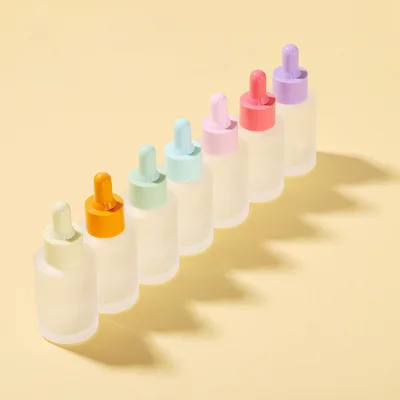


Frosted Glass Spray Bottles with Black Caps - Ideal for Cosmetics and Perfumes
$0.09 - $0.10
MOQ: 10000 Pieces


Comprehensive Sourcing Guide
Strategic Sourcing Guide for Cosmetic Frosted Square Glass Bottles
Understanding Product Specifications and Material Integrity
When sourcing cosmetic frosted square glass bottles, the primary focus must remain on the physical attributes that define the product's utility and aesthetic appeal. The core material for these containers is glass, a choice driven by its chemical inertness, which ensures that the contents—whether essential oils, serums, or foundations—remain uncontaminated. The specific shape requested is square, a design element that offers distinct advantages in shelf visibility and stacking efficiency compared to round alternatives. This geometric form factor is often preferred for premium cosmetic lines where a modern, structured look is desired.
The surface finish, specifically the frosted effect, is a critical differentiator. This treatment is typically achieved through acid etching or sandblasting processes, which diffuse light to create a soft, matte appearance. This finish not only enhances the tactile experience for the end-user but also serves a functional purpose by hiding minor imperfections in the glass or the fill level. Buyers must verify that the frosted layer is durable and does not peel or wear off during shipping or handling. The supplied data indicates that surface handling options include screen printing, frosting, color printing, and electroplating, suggesting that customization is a standard capability in this sector.
Volume capacity is another specification that requires careful alignment with product formulations. The market offers a wide range of standard capacities, including 5ml, 10ml, 15ml, 20ml, 30ml, 40ml, 50ml, 60ml, 80ml, 100ml, and 120ml. The specific model numbers associated with these bottles, such as YX-G002 or YB-HB-23, often correspond to specific volume configurations. For instance, a 30ml standard is frequently cited as a benchmark for facial serums, while 100ml or 120ml sizes are more common for body lotions or toners. It is essential to confirm that the chosen model number aligns precisely with the intended volume to avoid compatibility issues with pumps or droppers.
Sealing Mechanisms and Closure Compatibility
The integrity of a cosmetic bottle is heavily dependent on its sealing mechanism. The square glass bottle market presents a variety of closure types, each suited to different product viscosities and usage scenarios. The data highlights several sealing types, including rubber stoppers, spray pumps, and screw caps. The choice of closure is not merely aesthetic; it dictates the dispensing method and the preservation of the product.
For essential oils and liquid concentrates, a rubber stopper combined with a dropper is a common configuration. This setup allows for precise, drop-by-drop application, which is critical for high-value ingredients. Conversely, for products like foundations or lotions, a spray pump is often required to ensure even distribution and a hygienic application method. The square shape of the bottle must be compatible with the base of the chosen pump or cap. Manufacturers often offer customization for the bottle color, ranging from transparent to clear or custom-tinted glass, which must be coordinated with the closure color to achieve a cohesive brand look.
The compatibility between the glass neck and the closure is a technical area where errors can be costly. Buyers should verify that the thread pitch and diameter of the bottle neck match the specific closure model. While some suppliers offer "mold opening" services to create custom closures, this process involves significant lead times and costs. For standard orders, selecting from existing closure models that fit the square bottle geometry is the most efficient path. The sealing type must also be evaluated for its ability to prevent leakage and evaporation, particularly for volatile essential oils.
Cost Drivers and Minimum Order Quantity Dynamics
The pricing structure for cosmetic glass bottles is influenced by several variables, with the minimum order quantity (MOQ) being a primary driver. The observed market data indicates a wide range of MOQs, from as low as 100 units to as high as 12,000 units. This variance suggests that the market accommodates both small-batch startups and large-scale manufacturers. However, a specific high-confidence fact notes an MOQ of 10,000 pieces for certain configurations, likely tied to the complexity of the frosted finish or custom mold requirements.
The price range observed in the market spans from $0.03 to $1.85 per unit. This significant spread is attributable to the customization level, volume, and the specific finishing processes applied. A basic clear glass bottle with a standard screw cap will sit at the lower end of this spectrum. In contrast, a frosted square bottle with a custom-printed logo, a specialized spray pump, and a custom color will command a price closer to the upper limit. The "Selling Units" are typically listed as single items, but the transaction is almost always based on bulk orders.
Customization is a major cost factor. The ability to add a printed logo via screen printing, hot stamping, or frosting adds value but also increases the unit cost. Suppliers offering "OEM/ODM" services often have higher MOQs to amortize the setup costs for new molds and printing plates. Buyers must balance their budget constraints against their need for brand differentiation. For new market entrants, starting with a lower MOQ might be feasible, but the unit cost will be higher. As volume scales, the per-unit cost typically decreases, making it crucial to project long-term demand accurately before committing to a large order.
Compliance, Certification, and Regulatory Verification
In the cosmetic industry, regulatory compliance is non-negotiable. While the supplied data does not explicitly confirm specific certification statuses for every listed product, it references general standards such as ISO9001, ISO14001, and ISO22716 as background context. Buyers should not assume that a supplier possesses these certifications unless explicitly verified through documentation. The presence of these standards in the background knowledge suggests they are relevant to the industry but does not guarantee their application to a specific order.
The primary regulatory concern for glass bottles is the safety of the glass itself. The material must be food-grade or cosmetic-grade, meaning it should not leach harmful substances into the product. The "Industrial Use" is listed as cosmetic, which implies that the bottles are intended for personal care products. However, buyers must request specific test reports or declarations of compliance from the supplier to ensure the glass meets the safety standards of the target market, such as the FDA in the United States or the EU Cosmetic Regulation in Europe.
Additionally, the printing inks and adhesives used for logos and labels must be non-toxic and compliant with relevant regulations. The surface printing methods mentioned, such as screen printing and electroplating, involve chemicals that must be managed safely. Buyers should inquire about the safety data sheets (SDS) for the inks and coatings used. While the data mentions "Sample: Provided," this is a standard offering and does not replace the need for formal compliance documentation. Verifying that the supplier has a quality management system in place is essential, even if the specific ISO numbers are not immediately visible in the product listing.
Supplier Evaluation and Production Capabilities
Selecting the right supplier requires a deep dive into their production capabilities and logistical strengths. The data indicates that suppliers are located in various regions of China, including Zhejiang, Zibo, and Jiangsu. Each region may have different specializations; for example, Zibo is historically known for glass manufacturing, while Zhejiang and Jiangsu may have strong capabilities in packaging and finishing. The "Supply Ability" is noted as including "Customization, Mold Opening," which indicates that the supplier has the infrastructure to handle bespoke requests.
When evaluating a supplier, buyers should assess their capacity for "Ottle Color" customization and "Logo" printing. The ability to produce custom colors and apply logos via screen printing or hot stamping is a key differentiator. A supplier with in-house printing and frosting capabilities can offer better quality control and faster turnaround times compared to those who outsource these processes. The "Product Name" and "Keyword" fields suggest a focus on essential oil and foundation packaging, so buyers should ensure the supplier has experience with these specific applications.
Logistics and packaging are also critical factors. The data lists various packing methods, including "Box," "Carton," "Carton or Pallet," and "Carton Packaging." The choice of packaging affects the safety of the glass during transit. Square bottles are more prone to chipping at the corners than round bottles, so robust internal and external packaging is essential. Buyers should verify the supplier's experience with international shipping and their ability to handle fragile goods. The "Lead Time" is not explicitly provided in the data, so this must be a direct question during the negotiation phase. Understanding the production cycle from mold creation to final packing is vital for planning inventory levels.
Quality Control and Long-Term Procurement Strategy
Implementing a rigorous quality control (QC) protocol is essential when sourcing glass bottles. Given the fragility of the material and the precision required for closures, QC should cover multiple stages. First, visual inspection is necessary to check for bubbles, cracks, or uneven frosting. The square shape requires that the corners are sharp and uniform, without any irregularities that could affect the bottle's stability or aesthetic. Second, dimensional accuracy must be verified to ensure that the bottle neck fits the chosen closure. Even minor deviations in thread pitch can lead to leakage or difficulty in assembly.
Third-party testing can be a valuable addition to the QC process. While the data does not provide specific test results, buyers should consider requesting drop tests, pressure tests, and chemical resistance tests to ensure the bottle can withstand the rigors of shipping and storage. The "Sample: Provided" attribute is a good starting point, but it is crucial to test the sample under conditions that mimic actual use. For example, if the bottle is intended for essential oils, the sample should be filled with a similar volatile liquid and stored for a period to check for seal integrity.
For long-term procurement, building a strategic relationship with the supplier is beneficial. The "OEM/ODM: Acceptable" status indicates that the supplier is open to long-term partnerships. Buyers should aim to standardize their packaging across product lines to leverage volume discounts and simplify the supply chain. Consistency in the "prod_standard" and "prod_model" numbers will help in maintaining quality over time. Additionally, maintaining open communication regarding design changes or market trends can help the supplier anticipate needs and adjust production schedules accordingly.
Comparative Analysis of Bottle Configurations
To assist in decision-making, the following table compares common configurations found in the market based on the provided data. This comparison highlights the trade-offs between different closure types, volumes, and finishing options.
| Feature | Configuration A | Configuration B | Configuration C |
|---|---|---|---|
| Shape | Square | Square | Square |
| Material | Glass | Glass | Glass |
| Surface Finish | Frosted | Clear | Frosted |
| Closure Type | Rubber Stopper | Spray Pump | Screw Cap |
| Typical Volume | 5ml - 30ml | 30ml - 100ml | 50ml - 120ml |
| Primary Use | Essential Oils | Foundation/Lotion | Serums/Oils |
| Customization | Logo Printed | Logo Printed | Logo Printed |
| MOQ Range | 100 - 5000 | 5000 - 10000 | 10000+ |
| Origin | Zhejiang/Jiangsu | Zibo | China (General) |
This table illustrates that while the base material and shape remain constant, the closure and volume dictate the application. Configuration A is ideal for small, high-value products requiring precision. Configuration B is suited for larger volumes where dispensing speed and hygiene are priorities. Configuration C offers a versatile option for a wide range of products but may require a higher MOQ. Buyers should use this framework to align their product requirements with the most suitable configuration, ensuring that the chosen bottle meets both functional and aesthetic goals.
In conclusion, sourcing cosmetic frosted square glass bottles requires a balanced approach that considers technical specifications, cost dynamics, and supplier capabilities. By focusing on the verified attributes provided and conducting thorough due diligence on compliance and quality, buyers can secure a supply chain that supports their brand's growth and reputation. The flexibility of the market, with its range of customization options and volumes, offers ample opportunity to find a solution that fits specific needs, provided that the buyer remains vigilant in their verification processes.
FAQs
What customization options are available for these bottles?
Customization is available for logo printing, bottle color, and surface finishes like frosting or screen printing. Buyers can request specific models such as YX-G002 or YB-HB-23 to match their volume needs ranging from 5ml to 120ml.
Which sealing types are compatible with square glass bottles?
Compatible sealing types include rubber stoppers for droppers, spray pumps for foundations, and screw caps. The specific closure must match the bottle neck thread to ensure leak-proof performance for essential oils or cosmetic products.
Can I order samples before placing a bulk order?
Yes, samples are provided to verify quality and fit before committing to a large purchase. This allows buyers to test the frosted finish, check the square shape integrity, and confirm compatibility with their chosen pump or cap.
What is the minimum order quantity for these glass bottles?
The minimum order quantity varies by supplier and configuration, ranging from 100 to 12,000 pieces. Some specific models with custom molds or frosted finishes may require an MOQ of 5,000 or 10,000 pieces.
Where are these cosmetic glass bottles manufactured?
Manufacturing locations include Zhejiang, Zibo, and Jiangsu in China. These regions are known for glass production and packaging capabilities, offering various supply chain options for international buyers seeking cost-effective solutions.
How is the frosted finish applied to the glass bottles?
The frosted finish is applied using processes like acid etching, sandblasting, or surface frosting treatments. This creates a matte appearance that enhances the tactile experience while hiding minor imperfections in the glass structure.
What capacities are available for square cosmetic glass bottles?
Available capacities include 5ml, 10ml, 15ml, 20ml, 30ml, 40ml, 50ml, 60ml, 80ml, 100ml, and 120ml. Specific model numbers correspond to these volumes to ensure the correct fit for pumps or droppers.
Can the bottle color be customized for branding purposes?
Yes, the bottle color can be customized to match brand requirements, including transparent, clear, or tinted options. This customization is often coordinated with the closure color to achieve a cohesive aesthetic for the final product.