Source Cosmetic Bamboo Lipstick Tube for lip balm, gloss, and cream
Find 30 verified listings for the Cosmetic Bamboo Lipstick Tube, featuring screw caps and eco-friendly designs. Buyers can compare capacities from 3ml to 15ml, surface printing options, and supply capabilities from manufacturers in China.
Key considerations
Products List
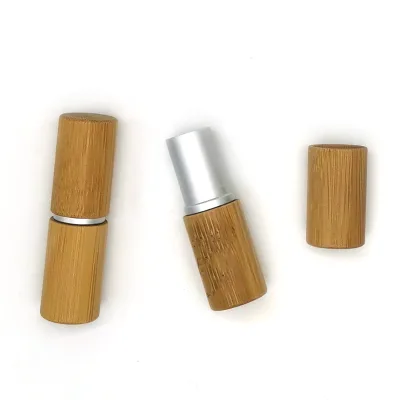


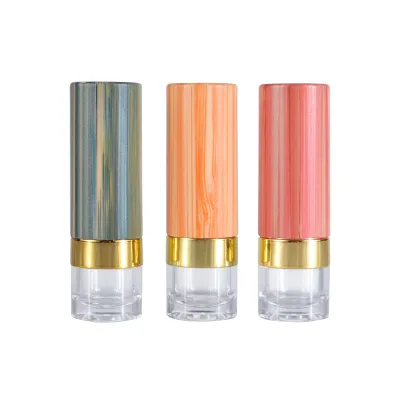
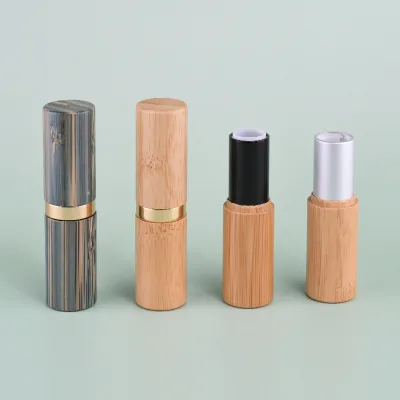


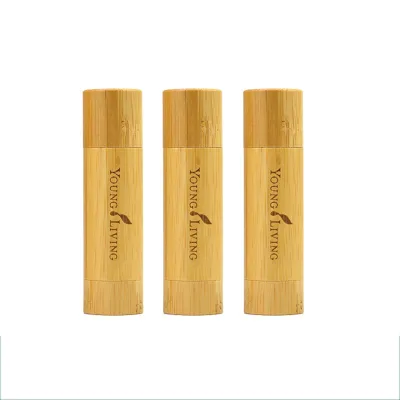
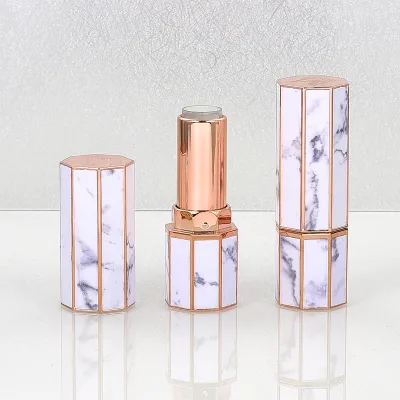

Keychain Lipstick Tube Eco Friendly Bamboo Empty Lip Balm Tube with Holder
$1.12 - $1.49
MOQ: 2000 Pieces


Biodegradable Refillable Lipstick Tube for Bamboo Cosmetic Makeup Packaging
$1.12 - $1.49
MOQ: 2000 Pieces


Bamboo Lip Gloss Tube Custom Liquid Lipstick Tube Lip Balm Container Tube
$1.12 - $1.49
MOQ: 10000 Pieces

2.8g Chinese-Style Bamboo-Jointed Fringed Lipstick Tube Lip Gloss Tube Lip Balm Tube
$0.73 - $0.78
MOQ: 10000 Pieces


Biodegradable Luxury Empty Bamboo Lipstick Tube, Lip Balm Container Tube for Makeup
$0.85 - $0.88
MOQ: 10000 Pieces


Comprehensive Sourcing Guide
Strategic Sourcing Guide for Cosmetic Bamboo Lipstick Tubes
The global shift toward sustainable packaging has elevated the demand for bamboo-based cosmetic containers, particularly for lip products. Bamboo offers a unique combination of rapid renewability, structural integrity, and an aesthetic that resonates with eco-conscious consumers. For procurement professionals sourcing cosmetic bamboo lipstick tubes, the process requires a nuanced understanding of material composition, manufacturing capabilities, and supply chain logistics. This guide synthesizes available market data to provide a disciplined framework for evaluating suppliers and defining product specifications without relying on unverified claims.
Material Composition and Structural Design
The fundamental distinction of this product category lies in its hybrid material construction. While the primary visual and tactile element is bamboo, the functional integrity of a lipstick tube often relies on synthetic components. Analysis of current market offerings indicates that the most common configuration involves a bamboo outer casing paired with a plastic inner mechanism or cap. This hybrid approach, often described as "bamboo+plastic," ensures that the product maintains the desired natural aesthetic while meeting the rigorous mechanical requirements of a screw-cap or push-up mechanism.
The plastic component is frequently used for the cap, the internal piston, or the liner that prevents the bamboo from degrading due to moisture or contact with the cosmetic formula. The choice of plastic is critical; it must be compatible with the specific cosmetic formulation, whether it is a solid lipstick, a lip balm, or a liquid gloss. The structural design is typically cylindrical, optimizing the grip and the application process. The single package dimensions observed in the market vary significantly based on the specific model, ranging from compact sizes like 6x1x1 cm for sample units to larger configurations such as 12x11x11 cm for bulk packaging. Understanding these dimensional variances is essential for logistics planning and shelf-space optimization.
Technical Specifications and Capacity Variations
Procurement specifications for bamboo lipstick tubes are defined by a range of capacities and physical attributes. The market supports a diverse portfolio of sizes to accommodate different product formulations. Capacity options are frequently listed in milliliters or grams, with common configurations including 3g, 5g, 8g, 10g, and 15g. In terms of volume, specific listings highlight 3ml, 4ml, and 5ml options. These variations allow buyers to tailor the packaging to the specific density and usage rate of their cosmetic product.
The physical dimensions of the tube are equally critical. The single gross weight for these items can range from 0.210 kg to 1.000 kg depending on the packaging density and the specific model selected. The thickness of the bamboo material is a key structural parameter, with some specifications noting a thickness of 80 units (likely referring to a specific gauge or millimeter measurement context). The surface finish is another technical consideration; the bamboo is often treated to enhance durability and aesthetics. Surface handling processes such as screen printing and offset printing are available, allowing for brand customization. The color palette is diverse, ranging from the natural bamboo color to dyed options like red, orange, and gray, as well as amber tones for specific UV protection needs.
Compliance, Certification, and Regulatory Standards
Navigating the regulatory landscape is a paramount concern for cosmetic packaging procurement. While specific test results for every listed product cannot be generalized, certain certifications are frequently observed in the supply chain for this category. Buyers should verify the presence of MSDS (Material Safety Data Sheet) and TUV certification when evaluating potential suppliers. These documents provide evidence of material safety and adherence to international quality standards.
The environmental claims associated with bamboo products, such as being "Eco-Friendly" and "Recyclable," are common attributes. However, procurement teams must treat these as observations of the material's potential rather than guaranteed performance metrics for every batch. Verification of these claims requires checking for third-party validation. The product origin is a significant factor in compliance; the majority of suppliers are located in China, with specific manufacturing hubs identified in Jiangxi, Zhejiang, and Guangdong provinces. Each region may have different local environmental regulations and export standards that could impact the final product's compliance status in the target market.
Cost Drivers and Supply Chain Economics
The pricing structure for cosmetic bamboo lipstick tubes is influenced by several dynamic factors. The observed listed price range in the market spans from $0.12 to $1.49 per unit. This wide variance is driven by the complexity of the design, the quality of the bamboo, the type of plastic components used, and the volume of the order. The Minimum Order Quantity (MOQ) is a critical cost driver, with observed ranges extending from 10 units to 30,000 units. Lower MOQs, such as 1000 pieces, are often available for custom orders, while higher volumes may unlock better unit economics.
Supply ability is another economic factor to consider. Suppliers typically report a capacity of 500,000 pieces per year, which suggests a robust manufacturing base capable of handling large-scale orders. However, lead times can vary; some suppliers indicate a rapid turnaround of 1-3 days after payment receipt, while others may have longer production cycles depending on the complexity of customization. The port of dispatch is another logistical cost element, with major Chinese ports like Shanghai, Ningbo, Qingdao, and Guangzhou serving as primary dispatch points. Buyers must factor in freight costs from these locations to their final destination.
Supplier Evaluation and Customization Capabilities
When evaluating suppliers, it is essential to look beyond the basic product listing and assess the depth of their customization capabilities. The market data indicates that customization is widely available, including logo printing, engraving, and labeling services. The ability to accept custom requirements is a strong indicator of a supplier's flexibility. Buyers should verify if the supplier can accommodate specific branding needs, such as screen printing or offset printing on the bamboo surface.
The sample availability is a crucial step in the supplier evaluation process. Many suppliers offer samples, with some providing free samples (1-2 pieces) to facilitate product testing. This allows procurement teams to physically inspect the quality of the bamboo finish, the fit of the screw cap, and the overall assembly before committing to a large order. The "Sample" attribute being marked as "Available" or "Free" is a positive signal, but buyers should confirm the terms of sample delivery and any associated shipping costs. Additionally, the "Brand Name" attribute suggests that some suppliers may operate as OEM providers, allowing for white-label solutions, while others may have their own established brands.
Quality Control and Long-Term Procurement Strategy
Ensuring consistent quality in bamboo products requires a robust quality control (QC) strategy. The natural variability of bamboo means that visual inspection is necessary to check for defects such as cracks, uneven coloring, or inconsistent grain patterns. The sealing type, often described as "Easy Open End" or screw cap, must be tested for durability and leak resistance. The industrial use is primarily for personal care and cosmetics, specifically lipsticks, lip balms, and lip glosses, which necessitates high standards of hygiene and chemical resistance.
For long-term procurement, buyers should establish a clear specification sheet that defines the acceptable range for all attributes, including capacity, color, and weight. The "Packaging Details" should be standardized to ensure safe transport, with options for standard export carton packaging or custom requirements. The "Selling Units" are typically single items, but bulk packaging is standard for industrial use. Buyers should also consider the environmental impact of the packaging, ensuring that the "Recyclable" and "Eco-Friendly" claims align with their corporate sustainability goals. Regular audits and consistent communication with the supplier regarding production standards will help maintain product integrity over time.
Comparative Analysis of Product Attributes
To facilitate decision-making, the following table summarizes the key attributes observed in the current market for cosmetic bamboo lipstick tubes. This comparison highlights the variability in specifications and helps buyers identify the features most relevant to their specific needs.
| Attribute Category | Observed Variations | Key Considerations for Buyers |
|---|---|---|
| Material | Bamboo, Plastic, Bamboo+Plastic | Verify the ratio of bamboo to plastic; ensure plastic is food/cosmetic grade. |
| Capacity | 3g, 5g, 8g, 10g, 15g / 3ml, 4ml, 5ml | Match capacity to product density; check internal volume vs. weight. |
| Shape | Cylinder | Standard shape; verify fit with existing filling machinery. |
| Cap Type | Screw Cap | Test thread engagement and ease of opening/closing. |
| Surface Handling | Screen Printing, Offset Printing | Confirm ink adhesion and durability on bamboo surface. |
| Color | Bamboo Color, Red, Orange, Gray, Amber | Request color swatches; verify consistency across batches. |
| Certification | MSDS, TUV | Verify validity of certificates for target markets. |
| MOQ | 10 - 30,000 pieces | Negotiate based on volume; lower MOQs may have higher unit costs. |
| Lead Time | 1-3 days (sample) to variable (bulk) | Confirm production timeline for large orders. |
| Origin | Jiangxi, Zhejiang, Guangdong, China | Assess regional logistics and export capabilities. |
Conclusion
Sourcing cosmetic bamboo lipstick tubes requires a balanced approach that weighs the aesthetic and environmental benefits of bamboo against the technical requirements of cosmetic packaging. The market offers a wide range of options in terms of capacity, color, and customization, but buyers must remain vigilant regarding material composition and certification. By focusing on verified attributes such as the "bamboo+plastic" construction, the availability of MSDS and TUV certifications, and the specific manufacturing locations in China, procurement professionals can build a reliable supply chain. The ability to customize through printing and engraving, combined with the flexibility of MOQs and sample availability, makes this category a viable option for brands seeking to differentiate their products. Ultimately, success in this sector depends on rigorous quality control, clear communication of specifications, and a strategic understanding of the cost drivers inherent in sustainable packaging.
FAQs
What materials are used for cosmetic bamboo lipstick tubes?
The tubes typically use a hybrid construction of bamboo and plastic. The outer casing provides a natural aesthetic while the plastic inner mechanism or cap ensures structural integrity and leak resistance for the cosmetic formula.
Which certifications should I verify for these cosmetic containers?
Buyers should verify the presence of MSDS and TUV certification when evaluating potential suppliers. These documents provide evidence of material safety and adherence to international quality standards required for personal care products.
Can I customize the logo and surface printing on these tubes?
Customization is widely available including logo printing, engraving, and labeling services. Suppliers offer surface handling processes such as screen printing and offset printing to allow for brand customization on the bamboo surface.
What is the typical MOQ for ordering these lipstick tubes?
The minimum order quantity ranges from 10 to 30,000 pieces depending on the supplier and order specifics. Some suppliers list an MOQ of 1000 pieces for custom orders while others may require higher volumes for better unit economics.
How long is the lead time for production after payment?
Lead times can vary but some suppliers indicate a rapid turnaround of 1 to 3 days after receiving payment. Production cycles may extend depending on the complexity of customization and the specific manufacturing schedule of the factory.
What capacity options are available for these cosmetic tubes?
Capacity options frequently include 3g, 5g, 8g, 10g, and 15g or volumes like 3ml, 4ml, and 5ml. These variations allow buyers to tailor the packaging to the specific density and usage rate of their cosmetic product.
Where are the primary manufacturing locations for these products?
The majority of suppliers are located in China with specific manufacturing hubs in Jiangxi, Zhejiang, and Guangdong provinces. Each region may have different local environmental regulations and export standards that could impact the final product compliance.