Source Creative Street View Building Blocks for Souvenirs, Promotion, and Sports
Find 30 listings for Creative Street View Building Blocks with varying materials like ABS and PP, certifications including ASTM and EN71, and diverse packaging options. Buyers can compare specifications, MOQs, and shipping terms from Chinese suppliers to select the right set for intellectual toys or promotional gifts.
Key considerations
Products List


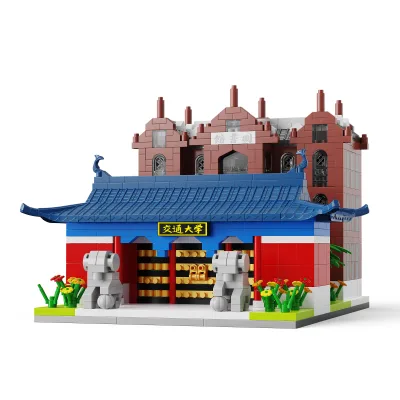


Street View Series Sunflower House Flower Bricks Building Block Toy (66119)
$23.16 - $25.09
MOQ: 6 Pieces


Comprehensive Sourcing Guide
Creative Street View Building Blocks Sourcing Guide
Sourcing Creative Street View Building Blocks requires a nuanced understanding of the intersection between traditional construction toys and modern promotional merchandise. These products are not merely educational tools; they serve as versatile assets for brand promotion, souvenir distribution, and specialized intellectual play. Buyers must recognize that the market for these items is diverse, ranging from simple plastic bricks to complex, folding architectural models. The core appeal lies in their ability to engage users aged three and above, offering a tactile experience that combines assembly puzzles with creative expression. This dual nature means that procurement strategies must balance strict safety compliance for younger demographics with aesthetic and functional requirements for older collectors or promotional recipients.
The procurement landscape for these blocks is characterized by significant variability in material composition, packaging, and customization options. While many listings highlight ABS or PP plastic materials, the specific application—whether for a children’s toy or a promotional souvenir—dictates the necessary quality thresholds. Buyers should note that customization is widely available, allowing for full-color logo printing and silk-screen imprinting, which makes these items highly attractive for corporate gifting or event souvenirs. However, this flexibility introduces complexity in quality control, as the printing process and material durability must be verified for each specific order. Understanding these distinctions is critical for aligning supplier capabilities with your specific business objectives, whether they focus on volume distribution or high-margin, customized retail products.
Product Scope and Observed Listing Signals
The observed market signals indicate a broad spectrum of product types under the Creative Street View Building Blocks category. Listings reveal a price range from approximately $0.52 to $57.85 USD, reflecting the disparity between basic single-piece components and complex, multi-box sets. The minimum order quantities (MOQ) vary drastically, from as low as one unit for sampling or small promotional runs to 3,600 units for large-scale manufacturing. This wide range suggests that buyers can engage with suppliers at various stages of their supply chain, from direct procurement of finished goods to bulk purchasing of raw components. The presence of both "Funny" and "Intellectual Toy" usage tags indicates that marketing positioning can be tailored to different consumer segments, from casual play to educational development.
Packaging and presentation are significant differentiators in this category, with observed formats including window boxes, PVC hand bags, color boxes, and polybags. The choice of packaging often correlates with the product’s intended use; for instance, window boxes are typically used for retail-ready items where visual appeal is paramount, while polybags may be used for bulk or promotional giveaways. Standard dimensions observed in listings, such as 20x5.5x28 cm or 36x40x6.5 cm, provide a baseline for logistics planning, but buyers must verify these against the specific product model. Additionally, the availability of "Folding" types and "Traditional Building Blocks" suggests that structural integrity and storage convenience are key features to evaluate. Buyers should carefully review the product model numbers, such as 10707836 or 10434379, to ensure they are sourcing the exact configuration required for their market.
Technical Specifications to Verify
Verifying technical specifications is essential to ensure that the building blocks meet both functional and aesthetic expectations. Material composition is a primary concern, with ABS and PP plastics being the most commonly cited materials. ABS is generally preferred for its durability and glossy finish, making it suitable for detailed architectural models, while PP may be used for more flexible or cost-effective components. Buyers must confirm the specific plastic type and grade used by the supplier, as this directly impacts the product’s longevity and safety. Furthermore, the "DIY" and "Assembly/Puzzle" functions indicate that the blocks must interlock securely. It is crucial to verify the tolerance levels of the bricks to ensure a snug fit that prevents frustration during assembly, particularly for younger age groups.
Packaging specifications and physical dimensions must be meticulously checked to avoid logistical surprises. The observed standard sizes, such as 24x16x27 cm or 23x23x29 cm, should be cross-referenced with the supplier’s actual packing list. Buyers should also pay attention to the gross and net weight, as seen in listings with weights like 22/20 kg, which affects shipping costs and handling requirements. The "Window Box" and "PDQ/10" packaging options suggest that retail readiness is a key consideration. Additionally, the "Folding" attribute implies that the product may have a collapsible structure, which requires verification of the hinge or joint durability. Ensuring that the product model matches the specified dimensions and packaging type is vital for accurate inventory management and customer satisfaction.
Compliance and Safety Documentation
Safety compliance is non-negotiable for building blocks, especially those targeting children aged three and under. The observed certifications, including ASTM F963-96A and EN71, are critical benchmarks for market access in North America and Europe, respectively. Buyers must request valid test reports from accredited laboratories to verify that the products meet these standards. The presence of "En71..." in some listings suggests partial compliance, so it is essential to confirm the full scope of the certification. For products intended for younger children, strict adherence to small parts regulations is mandatory to prevent choking hazards. Buyers should also verify that the materials used are free from harmful substances such as phthalates and lead, which are commonly regulated in toy manufacturing.
Beyond physical safety, documentation regarding material safety and environmental standards should be reviewed. While specific environmental certifications were not explicitly detailed in the observed listings, buyers should inquire about the supplier’s adherence to broader environmental regulations, particularly if the products are marketed as eco-friendly or sustainable. The "Customized" and "Logo Print" attributes introduce additional compliance considerations, as the inks and adhesives used for printing must also meet safety standards. Buyers should ensure that the supplier provides a Certificate of Conformity (CoC) for each batch, detailing the specific tests performed and the results. This documentation is crucial for customs clearance and for maintaining brand reputation in regulated markets.
Cost Drivers and Commercial Terms
Understanding the cost drivers for Creative Street View Building Blocks involves analyzing material costs, customization complexity, and packaging requirements. The wide price range observed, from $0.52 to $57.85, is largely driven by the complexity of the design and the quantity of pieces included. Customization, such as full-color logo printing or silk-screen imprinting, adds to the production cost but can significantly enhance the product’s value for promotional purposes. Buyers should negotiate based on the total landed cost, including packaging and shipping, rather than just the unit price. The availability of "Fob, Ewx, CIF" price terms offers flexibility, but buyers must carefully calculate the additional costs associated with each term to determine the most cost-effective option for their supply chain.
Commercial terms and payment conditions also play a significant role in the overall procurement strategy. The observed payment term of "Tt" (Telegraphic Transfer) is common, but buyers should negotiate for favorable terms, such as a deposit followed by payment upon shipment, to mitigate risk. The "Partial Shipment" allowance can be beneficial for managing inventory flow, but it may incur additional shipping costs. Buyers should also consider the impact of MOQ on pricing; higher volumes typically result in lower unit costs, but this must be balanced against storage and cash flow constraints. Clear communication regarding lead times and production schedules is essential to avoid delays, especially when dealing with customized orders that require additional setup time.
Supplier Qualification and Quality Control
Supplier qualification is a critical step in ensuring the reliability and quality of Creative Street View Building Blocks. Buyers should verify the supplier’s manufacturing capabilities, including their production capacity and quality control processes. The observed loading port of Shantou indicates a concentration of toy manufacturing in this region, which is known for its expertise in plastic toy production. However, buyers should conduct on-site audits or request third-party inspection reports to verify the supplier’s adherence to quality standards. The availability of "Customized" products suggests that the supplier has flexible manufacturing lines, but this flexibility must be managed with strict quality control protocols to ensure consistency across batches.
Quality control measures should be implemented at every stage of production, from raw material inspection to final packaging. Buyers should define clear acceptance criteria for product appearance, functionality, and safety. The "DIY" and "Assembly/Puzzle" functions require rigorous testing to ensure that the blocks interlock correctly and do not break under normal use. Additionally, the printing quality for logos and designs must be checked for durability and accuracy. Buyers should consider hiring third-party inspection agencies to perform pre-shipment inspections, which can help identify and rectify issues before the goods are dispatched. Establishing a strong relationship with the supplier and maintaining open communication channels is essential for addressing any quality concerns promptly and effectively.
Long-Term Procurement Checks
Long-term procurement success depends on continuous monitoring of supplier performance and market trends. Buyers should regularly review supplier metrics, such as on-time delivery rates, defect rates, and responsiveness to issues. The dynamic nature of the toy market, with its frequent changes in consumer preferences and regulatory requirements, necessitates ongoing vigilance. Buyers should stay informed about new safety standards and certification requirements in their target markets to ensure continued compliance. Additionally, monitoring competitor offerings and pricing trends can help buyers adjust their procurement strategies to remain competitive. Building a diversified supplier base can also mitigate risks associated with single-source dependencies.
Sustainability and ethical sourcing are increasingly important considerations for long-term procurement. Buyers should evaluate their suppliers’ practices regarding labor standards, environmental impact, and waste management. The use of recyclable materials and eco-friendly packaging options can enhance brand reputation and appeal to environmentally conscious consumers. Buyers should also consider the lifecycle of the product, including its durability and potential for reuse or recycling. By integrating these considerations into their procurement strategy, buyers can build a more resilient and responsible supply chain. Regularly updating supplier contracts to reflect these values can help ensure that long-term partnerships are aligned with evolving market expectations and corporate social responsibility goals.
FAQs
What certifications do the building blocks have?
The products hold ENASTM, ASTM F963-96A, and En71 certifications. These standards ensure safety for children aged 3-7 years and younger groups, meeting international toy safety requirements for materials like ABS and PP plastic used in construction toys.
Can I request custom logos on these toys?
Yes, customization is available with full color logo printing options. Buyers can choose between silkprint or other imprint methods to brand the folding or traditional building blocks for promotional events, souvenirs, or specific intellectual toy purposes.
What are the standard packaging options for orders?
Packaging varies by model and includes window boxes, PVC hand bags, color boxes, casks, polybags, and display boxes. Specific dimensions like 20*5.5*28CM or 36*40*6.5CM apply depending on the product model and whether it is a single unit or bulk cask shipment.
Which payment terms are accepted for these items?
The accepted payment term is Tt, which refers to Telegraphic Transfer. This method is standard for international transactions involving these Chinese-origin toys, allowing for flexible partial shipments and various price terms like FOB, Ewx, or CIF.
What is the minimum order quantity for these blocks?
The minimum order quantity ranges from 1 to 3600 units depending on the specific product model. Some items like model 10494413 have a specific MOQ of 216, while others allow for smaller trial orders starting at just one unit.
Where are these building blocks manufactured and shipped from?
These products originate from China and the loading port is Shantou. Suppliers offer partial shipments, allowing buyers to manage logistics efficiently while sourcing construction toys with various functions like DIY assembly or puzzle activities for different age groups.