Source Creative Simulation Chips Plush Toy for Gifts, Decor, and Puppets
Compare 30 listings for Creative Simulation Chips Plush Toy from verified manufacturers. Buyers can evaluate customization options, certifications, and production timelines for gifts, pillows, and finger puppets.
Key considerations
Products List


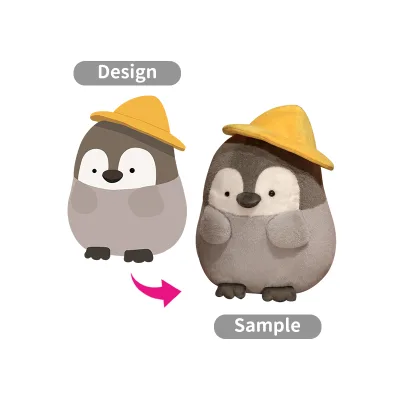
Custom Cute Plush Creative Animation Personalized Custom Plush Doll Animal Toy
$1.50 - $3.00
MOQ: 100 Pieces




Comprehensive Sourcing Guide
Creative Simulation Chips Plush Toy Sourcing Guide
Sourcing creative simulation chips plush toys requires a nuanced understanding of the intersection between soft goods manufacturing and novelty item design. These products typically blend the tactile comfort of traditional plush materials with the visual appeal of electronic or mechanical motifs, often mimicking the appearance of computer chips, circuit boards, or tech accessories. Buyers must recognize that while the aesthetic is modern and tech-oriented, the underlying manufacturing process remains rooted in textile and stuffing techniques rather than electronics assembly. This distinction is critical for evaluating supplier capabilities, as a manufacturer specializing in rigid electronics may lack the expertise in fabric cutting, sewing, and stuffing consistency required for high-quality plush items.
The procurement strategy for these items should focus on suppliers who offer robust customization services, as the "creative simulation" aspect often implies unique designs tailored to specific branding or thematic needs. The market data indicates a wide range of customization options, including custom modeling sources, logo placement, and specific packaging requirements. Buyers should prioritize partners who explicitly state their ability to handle OEM/ODM projects, as this suggests a flexible production line capable of adapting to small batch runs or large-scale orders with varying design specifications. Understanding the supplier’s capacity for hand-made or semi-hand-made processes is also essential, as this can influence both the product’s uniqueness and its unit cost.
Product Scope and Observed Listing Signals
The observed product landscape for creative simulation chips plush toys reveals a diverse array of configurations, ranging from simple standing dolls to more complex finger puppets and pillows. Listings indicate that these items are often categorized under general plush toys but are distinguished by their specific thematic design, such as cartoon characters, animals, or abstract tech-inspired shapes. The presence of multiple product models, such as HW000000 and LOK-FD040902, suggests that suppliers maintain a catalog of base templates that can be modified. Buyers should note that while the core material is consistently plush, the filling is typically polyester fiber, which provides the necessary softness and durability for gift-oriented applications.
Price and minimum order quantity (MOQ) signals in the market show significant variability, with observed prices ranging from $0.6 to $27.5 USD and MOQs spanning from 1 to 3000 units. This wide range reflects the difference between simple, mass-produced items and highly customized, hand-made pieces. For instance, basic plush pillows or simple standing dolls may have lower price points and higher MOQs, whereas intricate, custom-designed simulation chips with specific branding may command higher prices and allow for lower MOQs. Buyers must align their order volume with their budget, understanding that lower MOQs often come with a premium per-unit cost due to the setup and customization efforts required by the supplier.
Technical Specifications to Verify
When evaluating technical specifications, buyers must verify the exact dimensions, weight, and material composition of the plush toy. The supplied facts indicate that weight and size are often customizable, meaning that a standard specification may not apply to every order. It is crucial to request detailed technical drawings or physical samples to confirm that the plush length, stuffing density, and fabric texture meet the desired quality standards. The modeling source, whether it be animals, cartoon characters, or abstract designs, must be clearly defined to ensure that the final product matches the intended aesthetic. Additionally, the type of plush material should be confirmed, as different fabrics offer varying levels of softness, durability, and ease of cleaning.
Packaging and labeling specifications are equally important for ensuring product integrity and brand consistency. Listings show that packing can range from individual polybags within cartons to custom boxed presentations, with carton quantities varying from 30 to 40 pieces per carton. Buyers should specify their preferred packaging method to protect the plush toys during shipping and to enhance the unboxing experience for the end consumer. Furthermore, the ability to customize labels or hang tags is a key feature, allowing for brand reinforcement and compliance with regional labeling laws. Verifying these details early in the sourcing process prevents misunderstandings and ensures that the final delivery meets all logistical and branding requirements.
Compliance and Safety Documentation
Compliance with international safety standards is non-negotiable for plush toys, particularly those intended for children or general gift use. The observed listings highlight certifications such as CE, EN71, ASTM, CPSIA, and REACH, which are critical for market access in Europe, the United States, and other regulated regions. Buyers must verify that the supplier can provide valid test reports from accredited laboratories for each batch or product line. These tests typically cover physical and mechanical properties, flammability, and chemical composition, ensuring that the plush toy is safe for its intended audience. The presence of BSCI and ISO9001 certifications further indicates that the supplier adheres to social responsibility and quality management standards, which is vital for ethical sourcing.
It is important to distinguish between the product’s inherent safety features and the supplier’s documentation capabilities. While the plush material and polyester fiber filling are generally safe, the manufacturing process must be controlled to prevent hazards such as loose eyes, small parts, or toxic dyes. Buyers should request specific test results for EN71-3 and ASTM F963, which are the primary standards for toy safety in Europe and the United States, respectively. Additionally, verifying the supplier’s ability to conduct these tests internally or through third-party agencies ensures that compliance is maintained throughout the production cycle. This diligence protects the buyer from potential recalls, legal liabilities, and reputational damage.
Cost Drivers and Commercial Terms
Several factors influence the final cost of creative simulation chips plush toys, with customization level being the primary driver. Hand-made elements, custom modeling, and unique packaging solutions typically increase production costs compared to standard, mass-produced items. The sample time, which ranges from 3 to 8 working days, also impacts the overall timeline and cost, as multiple iterations may be required to achieve the desired design. Buyers should budget for sample costs and shipping fees, as these are often separate from the bulk order price. Understanding these cost drivers allows for more accurate budgeting and negotiation with suppliers.
Commercial terms such as production time, shipping methods, and payment conditions are critical for supply chain planning. Production times vary from approximately 20 days to 35 days, depending on the order quantity and complexity. Buyers must account for these lead times when planning inventory and marketing campaigns. Shipping options, including ocean and air freight, offer flexibility but come with different cost and speed trade-offs. Door-to-door service availability can simplify logistics but may increase the overall price. Clear communication of these terms ensures that both parties have aligned expectations regarding delivery schedules and financial obligations.
Supplier Qualification and Quality Control
Qualifying a supplier for creative simulation chips plush toys involves assessing their production capacity, quality control processes, and customer service responsiveness. Suppliers with OEM/ODM capabilities are preferred, as they demonstrate the flexibility to handle custom orders and adapt to changing design requirements. Buyers should verify the supplier’s experience with similar products, such as plush pillows, finger puppets, or standing dolls, to ensure they have the necessary expertise. Requesting references or case studies can provide additional insight into the supplier’s reliability and consistency. A thorough qualification process helps mitigate the risk of production delays, quality issues, or communication breakdowns.
Quality control measures should be established before production begins, including clear specifications for materials, stitching, and finishing. Buyers should implement a pre-production sample approval process to ensure that the initial prototype meets all design and safety requirements. During production, random inspections can help identify and rectify issues early, reducing the likelihood of defective batches. Post-production, a final random inspection based on accepted quality limits (AQL) is recommended to verify that the finished goods meet the agreed-upon standards. Establishing these quality control checkpoints ensures that the final product is consistent, safe, and ready for market distribution.
Long-Term Procurement Checks
Long-term procurement success depends on continuous monitoring of supplier performance and market trends. Buyers should regularly review supplier metrics, such as on-time delivery rates, defect rates, and responsiveness to issues. Maintaining open communication channels allows for timely resolution of problems and fosters a collaborative relationship. Additionally, staying informed about changes in safety regulations and consumer preferences ensures that the product line remains compliant and relevant. Regular audits of the supplier’s facilities and processes can help identify areas for improvement and ensure ongoing compliance with social and environmental standards.
As the market for creative simulation chips plush toys evolves, buyers should explore opportunities for product innovation and expansion. This may include introducing new designs, materials, or packaging options to differentiate the product from competitors. Leveraging the supplier’s customization capabilities can lead to unique offerings that resonate with target audiences. Furthermore, diversifying the supplier base can reduce risk and provide greater flexibility in sourcing. By maintaining a proactive approach to procurement, buyers can build a resilient supply chain that supports long-term growth and profitability in the plush toy market.
FAQs
Can I customize the logo on the plush toy?
Yes, customers can provide their own logo for customization on the product. The label or hang tag can also be customized to match your brand requirements for a personalized touch.
What certifications do these plush toys hold?
The products hold CE, En71, ASTM, Cpsia, and Reach certifications to ensure safety. They also carry BSCI and ISO9001 certificates, meeting international quality and safety standards for toys.
How long does production take for a custom order?
Production time is about 20 days or according to the specific order quantity. For some items, the timeline extends to 25-35 days depending on the complexity and volume of the request.
What is the sample time for new designs?
Sample time ranges from 3-7 working days for standard requests. Some custom designs may require 5-8 days to prepare, ensuring you receive a high-quality prototype quickly.
Are these toys suitable for all age groups?
Yes, the toys are designed for all ages and are unisex. They feature soft, comfortable materials and are made with safety standards like ASTM and En71 to ensure they are safe for children.
Can I order with a custom model design?
Yes, the modelling source is custom, allowing for unique designs like animals or cartoon characters. You can specify the style, such as standing dolls or finger puppets, to fit your needs.
What is the minimum order quantity for these items?
The minimum order quantity ranges from 1 to 3000 units depending on the specific product. This flexibility allows buyers to start with small batches or scale up for larger distribution needs.