Source Creative Pattern Silicone Spatula for Hotel, Restaurant, Bakery
Compare 30 listings for Creative Pattern Silicone Spatula from verified Chinese manufacturers. Buyers can evaluate options based on material, customization, and pricing to find suitable baking tools for professional and household use.
Key considerations
Products List
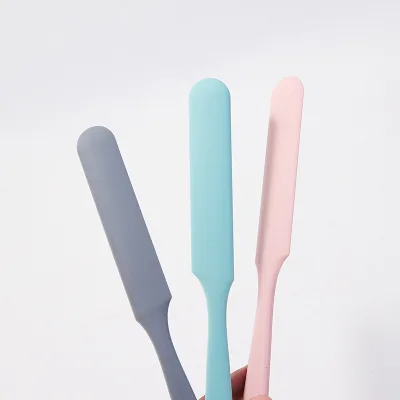
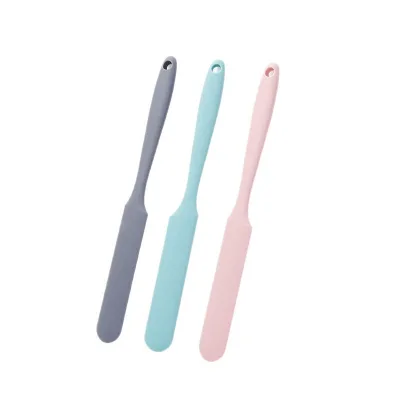


Silicone Spatula Kitchen Utensils Non-Stick Spatulas
$1.24 - $1.55
MOQ: 200 Pieces
Jinhua Hengyang Cross-Border Trade Limited Liability Company


High Quality Personalized Premium Kitchenware Silicone Spatula for Baking
$0.90 - $1.50
MOQ: 1000 Pieces


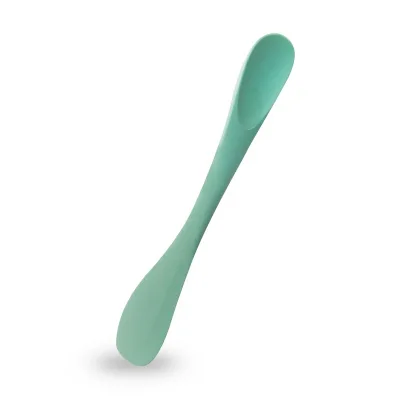
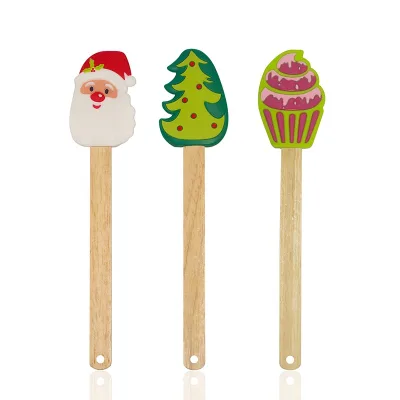


Comprehensive Sourcing Guide
Creative Pattern Silicone Spatula Sourcing Guide
Sourcing creative pattern silicone spatulas requires a nuanced understanding of how aesthetic customization intersects with functional durability in kitchenware procurement. These tools are not merely utilitarian implements but often serve as branding vehicles for bakeries, hotels, and retail brands seeking to differentiate their product lines through unique visual designs. The core appeal lies in the ability to mold intricate patterns into the silicone body, which can range from subtle textures to bold, branded logos, all while maintaining the non-stick and heat-resistant properties essential for professional and household use. Buyers must recognize that "creative pattern" implies a higher level of manufacturing complexity compared to standard smooth spatulas, which directly impacts tooling costs, production lead times, and quality control protocols.
The procurement landscape for these items is characterized by a wide variance in material quality, design fidelity, and commercial terms. While the market offers a broad spectrum of options, from basic molded designs to highly customized OEM/ODM solutions, the buyer’s primary challenge is ensuring that the aesthetic elements do not compromise the structural integrity or food safety of the spatula. This guide provides a structured approach to evaluating suppliers, verifying technical specifications, and managing commercial risks associated with patterned silicone kitchen tools. By focusing on evidence-based verification steps and clear commercial definitions, buyers can secure reliable supply chains that deliver both visual appeal and functional performance.
Product Scope and Observed Listing Signals
The observed market signals indicate a diverse range of product attributes, with prices ranging from $0.2 to $6 USD and minimum order quantities (MOQs) varying significantly from 50 to 3,000 pieces. This wide price band suggests a stratified market where lower-cost items may prioritize basic functionality and standard patterns, while higher-priced options likely offer advanced customization, premium organic silicone materials, or complex multi-part designs. The presence of both "Single item" selling units and bulk packaging options like "OPP Bag" or "Plastic Bags / Cartons" highlights the flexibility of suppliers to cater to both small boutique orders and large-scale retail distributions. Buyers should interpret these signals as indicators of supplier capability, where higher MOQs often correlate with more competitive unit pricing and greater flexibility in custom pattern implementation.
Product names and descriptions in the current listings reveal a mix of generic and specific terminology, including "long silicone spatula," "Silicon Spatula," and "Cookie Mold," which suggests that some patterned spatulas may serve dual purposes or be categorized under broader baking tool umbrellas. The observed attributes include features such as "Collapsible: Yes," "Handle: without Handle," and "Cover: with Cover," indicating that the "creative pattern" may extend beyond the blade to include functional design elements like folding mechanisms or protective covers. Additionally, the mention of "OEM & ODM: Highly Welcomed Customized" and "Logo: Embossed, Debossed, Printing" confirms that pattern customization is a core service offering, allowing buyers to integrate their brand identity directly into the product’s physical form. Buyers must carefully distinguish between standard patterned stock items and fully custom-designed tools, as the latter will require more extensive engineering and approval processes.
Technical Specifications to Verify
Verifying the material composition is the first critical step in ensuring the longevity and safety of creative pattern silicone spatulas. The supplied facts highlight "Silicone" and "Organic Silicone" as primary materials, with a specific temperature resistance range of "-40c~200c" noted for some items. Buyers must confirm whether the silicone is 100% food-grade and free from fillers such as calcium carbonate, which can compromise flexibility and heat resistance. The presence of a "Handle: without Handle" attribute in some listings suggests that some designs rely on the patterned body for grip, while others may include separate handle components. It is essential to verify the durometer (hardness) of the silicone, as a softer material may better capture intricate patterns but could be less durable during heavy-duty mixing, whereas a harder material might resist wear but fail to replicate fine design details.
Dimensional accuracy and pattern fidelity are equally important technical considerations. The observed size specification of "14"" provides a baseline for blade length, but buyers should request detailed technical drawings that specify the depth of embossed or debossed patterns, as shallow patterns may wear off over time, while deep patterns can trap food residues. The "prod_model" identifiers such as "NT," "GQ-BA3063," and "Fly-2021070231" indicate that suppliers have established product lines, but for custom patterns, buyers must ensure that the mold design allows for consistent pattern replication across the entire production run. Additionally, the "Process: Moulding" attribute confirms that these items are likely injection or compression molded, which affects the precision of the pattern edges. Buyers should verify that the mold design includes adequate draft angles to prevent pattern distortion during demolding, ensuring that the creative design remains sharp and intact.
Compliance and Safety Documentation
Food safety compliance is non-negotiable for silicone kitchenware, and buyers must insist on robust certification documentation. The observed certifications include "RoHS, REACH, FDA, ISO," which are critical indicators of regulatory adherence. FDA compliance ensures that the silicone is safe for direct food contact, while RoHS and REACH certifications verify that the material is free from hazardous substances like lead, phthalates, and heavy metals. Buyers should request specific test reports from accredited laboratories, rather than relying solely on supplier declarations, to verify that the silicone meets these standards. The "prod_standard: silicone" attribute is vague, so buyers must clarify which specific food-grade silicone standard is being met, such as LFGB for European markets or FDA 21 CFR for the United States.
Beyond material safety, buyers should verify that the manufacturing process itself adheres to quality management standards. The "ISO" certification mentioned likely refers to ISO 9001, which indicates a systematic approach to quality control in production. However, for custom patterned items, buyers should also inquire about the supplier’s ability to provide batch-to-batch consistency reports. This includes verifying that the colorants used in the silicone are food-grade and do not leach out during use or cleaning. The "Feature: Eco-Friendly" and "Sustainable" attributes suggest that some suppliers may use recycled silicone or environmentally friendly production methods, but buyers should request evidence of these claims, such as third-party sustainability certifications or detailed material safety data sheets (MSDS). Ensuring that all components, including any packaging materials like "OPP Bag" or "Customized Box," are also compliant with relevant regulations is essential for a complete safety profile.
Cost Drivers and Commercial Terms
The cost of creative pattern silicone spatulas is influenced by several key factors, including material quality, mold complexity, and order volume. The observed price range of $0.2 to $6 USD reflects these variables, with lower prices typically associated with standard patterns and higher volumes, while higher prices correspond to custom designs, premium organic silicone, or smaller order quantities. The MOQ range of 50 to 3,000 pieces further illustrates this dynamic, as suppliers often require higher volumes to amortize the cost of custom mold creation. Buyers should understand that the initial investment in mold design and fabrication is a significant cost driver, especially for intricate patterns that require multi-cavity molds to maintain production efficiency.
Commercial terms such as payment methods, lead times, and packaging options also impact the total cost of ownership. The observed packaging options, including "OPP Bag," "Plastic Bags / Cartons," and "Customized Box," suggest that buyers can choose between cost-effective standard packaging and premium branded packaging, which will affect both unit cost and shipping volume. The "Customization: Available" and "OEM & ODM: Highly Welcomed Customized" attributes indicate that suppliers are flexible, but buyers should negotiate clear terms for design approvals, sample costs, and revision limits. It is crucial to clarify who bears the cost of mold ownership and whether the mold can be used for future orders without additional fees. Additionally, buyers should verify the lead time for both sample production and mass production, as custom patterned items may require longer lead times due to the additional steps involved in mold creation and pattern verification.
Supplier Qualification and Quality Control
Evaluating supplier qualifications is essential to ensure that the creative pattern silicone spatulas meet the required quality standards. Buyers should prioritize suppliers who have demonstrated experience in custom silicone molding and have a robust quality control system in place. The observed "Process: Moulding" attribute suggests that suppliers have the necessary equipment for injection or compression molding, but buyers should verify the supplier’s capacity to handle complex patterns without defects such as flash, short shots, or pattern distortion. Requesting references or case studies of previous custom projects can provide insight into the supplier’s ability to deliver high-quality patterned products. Additionally, buyers should assess the supplier’s responsiveness to design changes and their ability to provide timely updates during the production process.
Quality control protocols should be clearly defined and agreed upon before production begins. Buyers should insist on pre-production samples that are approved for both aesthetic and functional criteria, including pattern fidelity, color accuracy, and material flexibility. During mass production, buyers should implement in-process quality checks to monitor for consistency in pattern depth and surface finish. The observed "Feature: Sustainable" and "Eco-Friendly" attributes may also require specific quality checks to ensure that the materials used meet the claimed environmental standards. Buyers should also verify the supplier’s packaging quality control procedures to prevent damage to the patterned surfaces during shipping. Establishing a clear defect rate threshold and a process for handling non-conforming products is crucial for maintaining supply chain reliability and customer satisfaction.
Long-Term Procurement Checks
Establishing long-term procurement relationships with silicone spatula suppliers requires ongoing monitoring of performance metrics and market trends. Buyers should regularly review supplier performance based on key indicators such as on-time delivery, product quality, and responsiveness to issues. The observed "Advantage: Easy Cleaning" attribute suggests that durability and ease of maintenance are important selling points, so buyers should monitor customer feedback for any reports of pattern wear, discoloration, or material degradation over time. This feedback can inform future design iterations and material selections, ensuring that the products remain competitive and meet evolving consumer expectations. Additionally, buyers should stay informed about changes in regulatory requirements and sustainability standards that may impact the sourcing of silicone materials.
Continuous improvement and innovation are also key to maintaining a competitive edge in the Creative Pattern Silicone Spatula market. Buyers should work closely with suppliers to explore new design possibilities, such as multi-material constructions or advanced texturing techniques, that can enhance the product’s appeal and functionality. The observed "Logo: Embossed, Debossed, Printing" options indicate that there are multiple ways to integrate branding into the product, and buyers should evaluate which methods offer the best balance of aesthetics, durability, and cost. By fostering a collaborative relationship with suppliers, buyers can leverage their expertise to drive innovation and ensure that the creative pattern silicone spatulas continue to meet the needs of their target market. Regular audits and performance reviews will help maintain high standards and ensure that the supply chain remains resilient and adaptable to changing market conditions.
FAQs
What materials are used for the silicone spatula?
The product is made from silicone or organic silicone. Some listings specify organic silicone for enhanced durability and safety in kitchen applications.
Can I customize the logo on the spatula?
Yes, customization is available with options for embossed, debossed, or printing logos. OEM and ODM services are highly welcomed for bulk orders.
What is the minimum order quantity for this item?
The minimum order quantity ranges from 50 to 3000 pieces depending on the supplier. Specific listings show MOQs of 500 or 1440 pieces for standard orders.
Which certifications does the silicone spatula hold?
The product holds certifications including RoHS, REACH, FDA, and ISO. These standards ensure the material is safe for food contact and meets international requirements.
Where are the manufacturers located?
Manufacturers are located in Fujian and Guangdong, China. These regions are known for producing high-quality silicone baking tools and accessories.
What is the temperature range for the spatula?
The spatula functions within a temperature range of -40 to 200 degrees Celsius. This makes it suitable for various baking and cooking processes.
How is the product packaged for shipment?
Packaging options include OPP bags, plastic bags, cartons, or customized boxes. Single item packing is also available for specific order requirements.