Source Crew Socks for Summer, Winter, and Daily Use
Compare 30 Crew Socks options featuring breathable, eco-friendly, and anti-slip designs in nylon, polyester, and cotton. Buyers can evaluate thickness, elasticity, and customization for summer, winter, and everyday applications; compare the available evidence and request quotations based on your requirements.
Key considerations
Products List



Comprehensive Sourcing Guide
Crew Socks Sourcing Guide
Sourcing Crew Socks requires a nuanced understanding of material science, manufacturing precision, and commercial logistics. This guide synthesizes observed market signals and technical requirements to help procurement professionals navigate the complexities of bulk apparel acquisition. By focusing on verified attributes and standard industry practices, buyers can mitigate risk and ensure product consistency across large orders.
The following sections provide a structured approach to evaluating suppliers, verifying technical specifications, and managing commercial terms. Each segment is designed to address a specific phase of the procurement lifecycle, from initial product scoping to long-term supplier relationship management. Adhering to these evidence-based guidelines ensures that sourcing decisions are grounded in observable data and established industry standards.
Product Scope and Observed Listing Signals
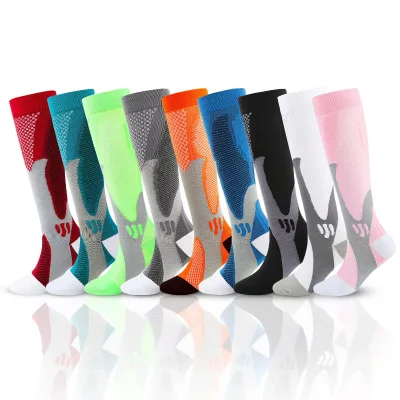
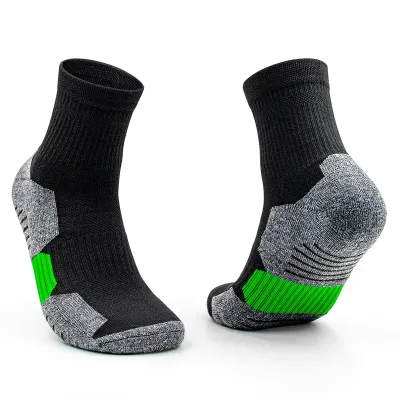
The current market landscape for Crew Socks reveals a diverse range of product configurations tailored to distinct seasonal and functional needs. Observed listings indicate a strong presence of nylon and polyester blends, which are often selected for their durability and moisture-wicking capabilities. These materials are frequently paired with features such as breathability, eco-friendly production methods, and anti-slip properties, catering to active consumers who prioritize performance and sustainability in their footwear accessories.
Seasonal variations play a critical role in product selection, with specific models designed for summer wear featuring ultra-thin profiles to enhance comfort in warm conditions. Conversely, winter-oriented offerings often emphasize thicker constructions and additional functional attributes like deodorization and anti-bacterial treatments. This segmentation allows buyers to align inventory with regional climate demands and consumer lifestyle trends, ensuring that the sourced products meet the specific expectations of their target demographics.
Technical Specifications to Verify
Technical verification begins with assessing the physical dimensions and structural integrity of the socks. Buyers should confirm the foot length compatibility, which typically ranges from 22 to 24 centimeters, to ensure proper fit for the intended adult unisex demographic. The height classification, whether low, middle, or tall, must be clearly defined to match the desired style, such as Crew Socks or stockings, which influences both aesthetic appeal and functional coverage during wear.
Material composition and knitting density are equally critical parameters that affect product quality. Specifications often include needle counts, such as 144, 168, or 200 needles, which determine the fineness and elasticity of the fabric. High elasticity is a desirable trait for ensuring a secure fit without constriction. Additionally, thickness levels, ranging from ultra-thin to thickening, must be validated against seasonal requirements to guarantee that the final product delivers the expected comfort and thermal regulation properties.
Compliance and Safety Documentation
While specific certification statuses are not universally disclosed in all listings, buyers must prioritize safety and regulatory compliance for apparel products. It is essential to verify that materials meet relevant textile safety standards, particularly regarding chemical restrictions and flammability. For products claiming eco-friendly attributes, buyers should request documentation that substantiates these claims, such as recycled content certificates or sustainable sourcing audits, to avoid greenwashing risks.
Anti-bacterial and deodorization features require rigorous testing to ensure efficacy and safety. Buyers should inquire about the specific treatments used and request test reports from accredited laboratories to confirm that these functional benefits are maintained after multiple wash cycles. Ensuring that all chemical treatments comply with international safety regulations is crucial for protecting consumer health and maintaining brand reputation in competitive markets.
Cost Drivers and Commercial Terms
Pricing in the Crew Socks market is influenced by material costs, production complexity, and order volume. Observed price ranges vary significantly, reflecting differences in material quality, design intricacy, and functional features. Buyers should analyze cost structures in relation to the specified minimum order quantities, which typically start at 100 pairs, to determine the most economical procurement strategy for their volume requirements.
Commercial terms, including sample times and delivery schedules, are key factors in supply chain planning. Sample production usually takes five to seven days, allowing buyers to evaluate product quality before committing to bulk orders. Lead times for delivery generally range from 15 to 25 days, depending on order size and supplier capacity. Understanding these timelines helps in managing inventory levels and meeting seasonal demand peaks without incurring expedited shipping costs.
Supplier Qualification and Quality Control
Supplier qualification involves assessing manufacturing capabilities and quality assurance processes. Buyers should verify the supplier’s ability to handle customization, including logo placement and packaging options, as these elements are often critical for brand differentiation. The availability of custom packaging, such as individual bags or cartons, indicates a supplier’s flexibility in meeting specific retail or distribution requirements.
Quality control measures must be robust to ensure consistency across large production runs. Buyers should inquire about the supplier’s inspection protocols, including pre-production, during-production, and pre-shipment inspections. Given the high elasticity and specific needle counts required, maintaining tight tolerances in knitting and finishing processes is essential. Establishing clear quality benchmarks and communication channels with suppliers helps in minimizing defects and ensuring that delivered products meet agreed-upon specifications.
Long-Term Procurement Checks
Long-term procurement success depends on continuous monitoring of supplier performance and market trends. Buyers should regularly review supplier adherence to delivery schedules and quality standards, using key performance indicators to assess reliability. Building a strong relationship with suppliers who offer customization and flexible production options can provide a competitive advantage in responding to changing consumer preferences and seasonal demands.
Additionally, staying informed about advancements in textile technology and sustainable practices is crucial for maintaining product relevance. Buyers should periodically reassess material choices and functional features to ensure they align with evolving industry standards and consumer expectations. By maintaining a proactive approach to supplier management and product development, organizations can sustain profitability and market share in the dynamic Crew Socks sector.
FAQs
What materials are used for these Crew Socks?
The Crew Socks are manufactured using Nylon, Polyester, and Cotton materials. These fabrics are selected to provide durability and comfort for adult wearers. The material choice supports features like breathability and eco-friendly production. Buyers can expect high-quality textile construction suitable for various seasonal needs, including summer and winter applications.
Can I customize the packaging for my brand?
Yes, custom packaging is available for these Crew Socks. The standard packing is 1PCS per bag with 192PCS per carton, but you can request custom package designs. This flexibility allows you to align the product presentation with your brand identity. Customization options ensure that the final delivery meets your specific marketing and logistical requirements effectively.
What is the minimum order quantity for these socks?
The minimum order quantity is 100 pairs for these Crew Socks. This low MOQ allows for flexible sourcing and testing of the product in your market. It is suitable for both small businesses and larger retailers looking to diversify their inventory. The accessible entry point facilitates easier procurement and reduces initial investment risks for new buyers.
How long does delivery take after ordering?
The delivery date is typically 15-25 days after order confirmation. Sample time is 5-7 days if you need to review the product first. This lead time allows for efficient planning of your supply chain. The production schedule is designed to balance quality control with timely shipment, ensuring you receive your Crew Socks within a reasonable timeframe.
Are these socks suitable for all seasons?
Yes, these Crew Socks are designed for both summer and winter seasons. They feature breathable and anti-slip properties for comfort in warm weather. Thicker options are available for winter use, providing warmth and insulation. The versatile design ensures that the socks meet the functional needs of adult wearers throughout the year, regardless of temperature changes.
What features do these Crew Socks offer?
These Crew Socks offer breathable, eco-friendly, anti-slip, deodorization, and anti-bacterial features. The design includes high elasticity and customized sizes to fit various foot lengths. The product is unisex and suitable for adults. These functional attributes enhance wearer comfort and hygiene, making them a practical choice for daily use in various environments and activities.