Source Engraved Metal Dinner Bell for Weddings, Gifts, and Decor
Find and compare 30 Engraved Metal Dinner Bell options from Chinese manufacturers. Evaluate variations in material, plating, and customization to select the right piece for weddings, gifts, and decor.
Key considerations
Products List
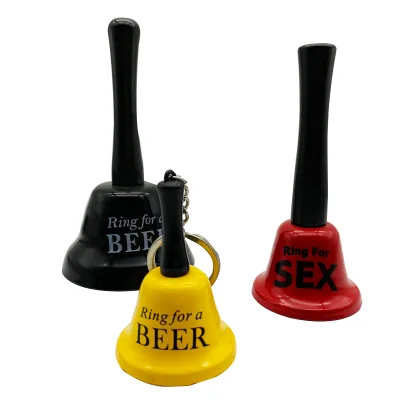
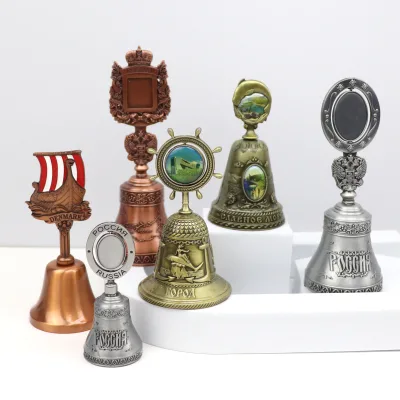
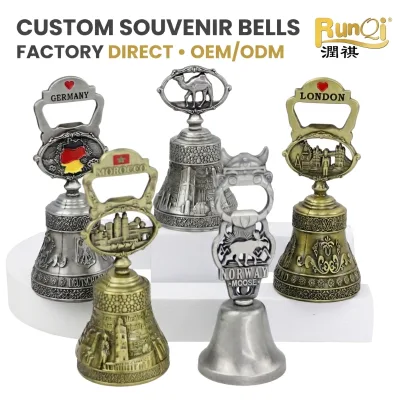
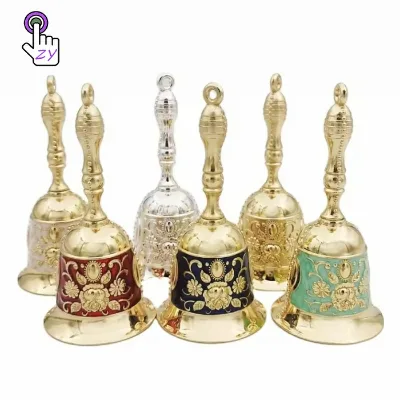
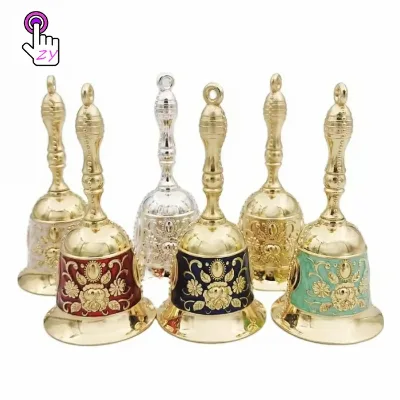
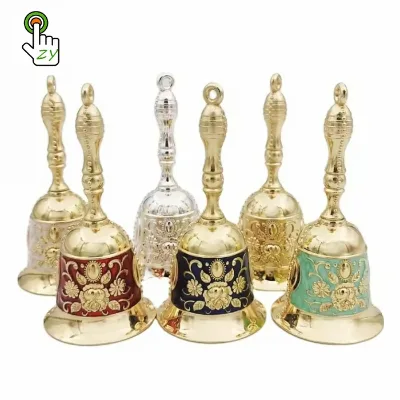
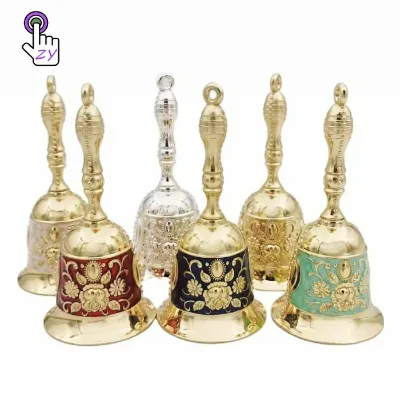

London Customizing Metal Dinner Bell with Spinner Promotional Dinner Bell
$1.05 - $1.25
MOQ: 1440 Pieces


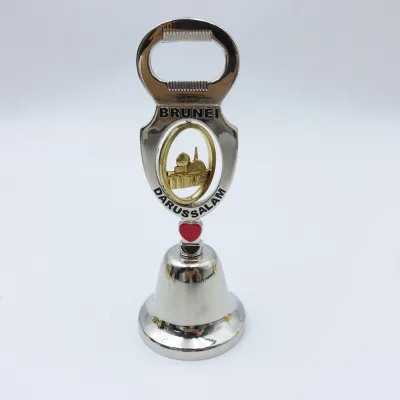
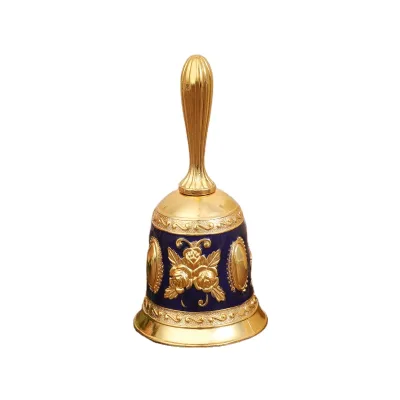


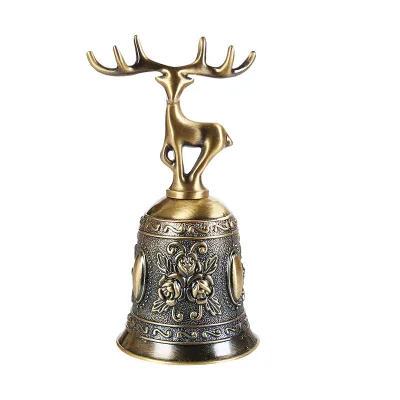
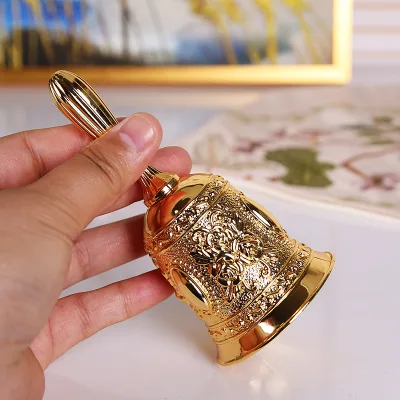
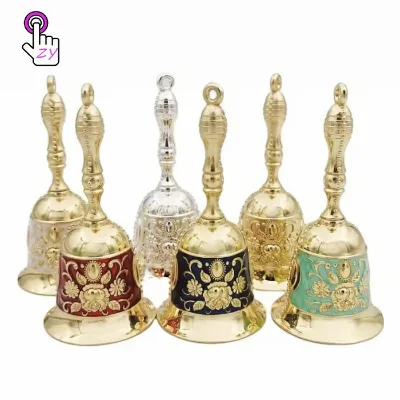
Hot Sale Gold Silver Brass Carved Hand Bell Wedding Bells for Bar Restaurant
$2.17 - $2.28
MOQ: 100 pieces
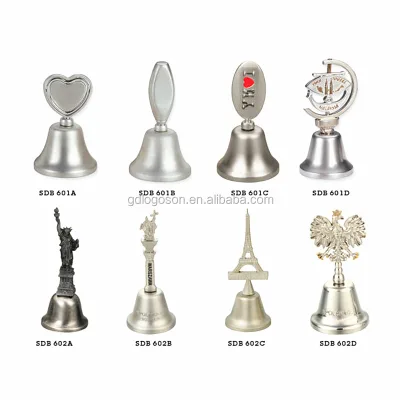
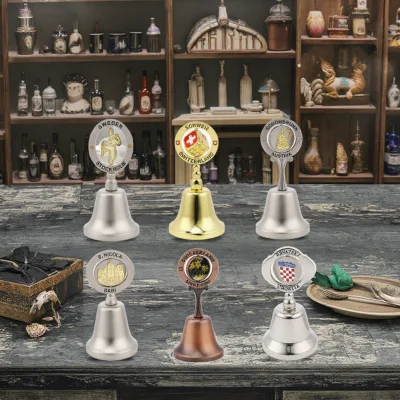
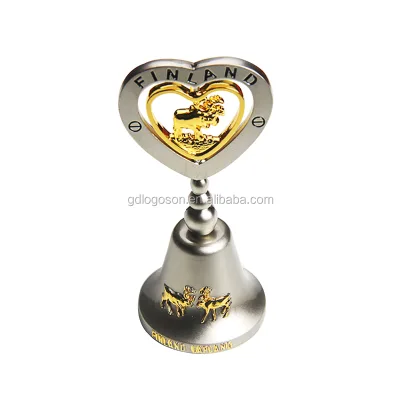
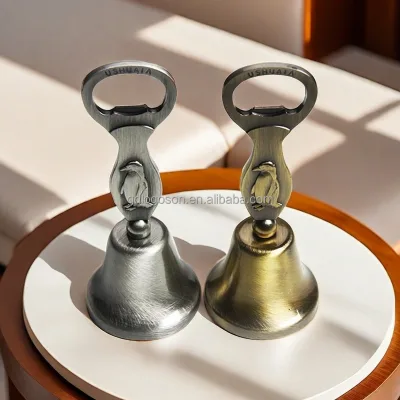
Comprehensive Sourcing Guide
Engraved Metal Dinner Bell Sourcing Guide
Sourcing engraved metal dinner bells requires a nuanced understanding of the intersection between decorative craftsmanship and functional durability. These items serve as both utilitarian tableware accessories and premium gift objects, often featuring intricate surface treatments that distinguish them from mass-produced promotional items. Buyers must navigate a market where aesthetic appeal, such as retro styles or personalized logos, competes with structural integrity and material purity. The procurement process demands careful verification of manufacturing techniques, as the visual depth of an engraving or carving directly impacts the perceived value and longevity of the product.
This guide provides a structured approach to evaluating suppliers and products in this category. It focuses on critical decision points including material selection, surface finishing, and commercial terms. By adhering to evidence-based verification steps, procurement professionals can mitigate risks associated with inconsistent quality, unclear specifications, and non-compliant materials. The following sections detail the essential parameters for sourcing high-quality engraved metal dinner bells, ensuring that the final product meets both functional requirements and brand standards.
Product Scope and Observed Listing Signals
The market for engraved metal dinner bells encompasses a diverse range of designs, from traditional round shapes to modern oval forms, often categorized under party supplies, holiday decorations, or collectible art. Observed listings indicate a strong emphasis on customization, with many suppliers offering personalized logos and varied plating options such as silver or red finishes. These bells are frequently marketed for specific occasions, including Christmas, Thanksgiving, weddings, and business gifting, highlighting their versatility as both decorative pieces and functional items. The presence of "handmade" or "hand-ringing" descriptors in some listings suggests a focus on artisanal quality, even when production methods involve casting or barrel plating.
Material composition is a primary differentiator in this segment, with iron and metal alloys being the most common substrates. Listings often specify techniques like casting, carving, or relief work to achieve the engraved effect, which adds tactile and visual depth to the surface. Buyers should note that while some products are described as "handmade," many are produced using industrial techniques such as barrel plating or automated casting, with manual finishing applied later. The observed price range and minimum order quantities (MOQs) vary significantly, reflecting the balance between mass production efficiency and bespoke customization. Understanding these signals helps buyers align their procurement strategy with their volume needs and budget constraints.
Technical Specifications to Verify
Material purity and thickness are critical technical parameters that determine the bell’s acoustic properties and resistance to corrosion. Buyers must verify whether the product is made from pure iron, brass, or other alloys, as these materials affect weight, sound tone, and durability. The single gross weight, often observed around 0.5 kg, serves as a baseline for assessing material density and construction quality. Thicker metals generally produce a richer, more resonant sound, while thinner variants may be prone to denting or warping. Verification of material certificates or mill test reports is essential to ensure that the specified alloy matches the supplier’s claims, particularly for products marketed as premium or collectible items.
Surface finishing and engraving depth are equally important technical considerations. Techniques such as barrel plating, relief carving, or smooth surface treatments define the final aesthetic and tactile experience. Buyers should request high-resolution images or physical samples to assess the precision of the engraved patterns, such as alphabet designs or retro styles. The plating process, whether it involves silver, gold, or other finishes, must be evaluated for adhesion and longevity, as poor plating can lead to tarnishing or peeling over time. Additionally, the single package size and overall dimensions, such as 3.8x6.5 cm or larger formats, must be confirmed to ensure compatibility with packaging logistics and retail display requirements.
Compliance and Safety Documentation
Safety compliance is paramount for metal dinner bells, particularly those intended for use in households with children or for food-adjacent applications. Buyers must ensure that the metal components are free from harmful substances such as lead, cadmium, or nickel, which can leach from plating or alloy mixtures. Verification of compliance with international standards, such as those from the Consumer Product Safety Commission (CPSC) or the European Union’s REACH regulation, is essential for market access. Suppliers should provide third-party test reports confirming that the product meets specific migration limits for heavy metals, ensuring that the bell is safe for handling and potential incidental contact with food or drink.
Packaging materials also require compliance verification, especially if the product is marketed as eco-friendly or intended for export to regions with strict environmental regulations. The use of OPP bags, carton boxes, or other packaging components must be assessed for toxicity and recyclability. Buyers should confirm that the packaging does not contain hazardous substances and that it meets labeling requirements for material composition and disposal instructions. Additionally, if the product is marketed as a gift or decorative item, it must comply with general product safety directives, ensuring that there are no sharp edges or small parts that could pose a choking hazard. Documentation of these compliance measures is crucial for maintaining brand reputation and avoiding regulatory penalties.
Cost Drivers and Commercial Terms
The cost of engraved metal dinner bells is influenced by several key factors, including material costs, manufacturing complexity, and customization requirements. The choice of metal, such as iron versus brass, significantly impacts the base price, with precious metals commanding higher premiums. Engraving techniques, particularly those involving manual carving or intricate relief work, add labor costs that can increase the unit price. Customization options, such as personalized logos or specific plating colors, further drive up costs due to the setup time and specialized processes involved. Buyers should request detailed cost breakdowns to understand how these variables affect the final price and to identify opportunities for cost optimization.
Minimum order quantities (MOQs) and payment terms are critical commercial considerations that affect cash flow and inventory management. Observed MOQs range from small batches of 100 pieces to large volumes of 3000 pieces, reflecting the flexibility of suppliers in accommodating different order sizes. Buyers should negotiate MOQs based on their sales forecasts and storage capacity, considering the potential for price discounts at higher volumes. Payment terms, such as deposits or letters of credit, should be aligned with the supplier’s production schedule and risk profile. Additionally, lead times for sampling and bulk production, often cited as 5-7 working days for samples, must be factored into the procurement timeline to ensure timely delivery for seasonal or promotional campaigns.
Supplier Qualification and Quality Control
Supplier qualification begins with a thorough assessment of manufacturing capabilities and quality management systems. Buyers should verify that the supplier has experience in producing metal dinner bells, particularly those with engraved or carved finishes. Requesting references from previous clients or visiting the factory can provide insights into the supplier’s production capacity, equipment, and workforce skill levels. Quality control processes, including in-line inspections and final random inspections, should be clearly defined and documented. Suppliers should demonstrate a commitment to consistency by implementing statistical process control methods to monitor critical dimensions, surface finishes, and plating adhesion.
Sample approval is a crucial step in the qualification process, allowing buyers to evaluate the product’s quality before committing to a large order. Buyers should request pre-production samples that reflect the final materials and finishes to assess accuracy, durability, and aesthetic appeal. Any discrepancies between the sample and the agreed specifications should be addressed and resolved before mass production begins. Additionally, buyers should establish clear acceptance criteria for defects, such as scratches, plating imperfections, or structural weaknesses, and communicate these standards to the supplier. Regular audits and performance reviews can help maintain quality standards and foster a collaborative relationship with the supplier.
Long-Term Procurement Checks
Long-term procurement success depends on continuous monitoring of supplier performance and market trends. Buyers should track key performance indicators such as on-time delivery rates, defect rates, and responsiveness to issues. Regular communication with the supplier can help identify potential problems early and facilitate corrective actions. Additionally, staying informed about changes in material costs, regulatory requirements, and consumer preferences can help buyers adapt their sourcing strategy. For example, increasing demand for sustainable materials may necessitate exploring eco-friendly alternatives or suppliers with stronger environmental credentials.
Building a resilient supply chain involves diversifying suppliers and maintaining buffer stocks for critical items. Buyers should avoid over-reliance on a single supplier by qualifying alternative sources for engraved metal dinner bells. This strategy mitigates the risk of supply disruptions due to production issues, geopolitical events, or natural disasters. Furthermore, buyers should periodically review contract terms to ensure they remain competitive and aligned with current market conditions. Negotiating volume discounts, extended payment terms, or exclusive design rights can enhance profitability and strengthen the buyer’s position in the market. By proactively managing these long-term factors, buyers can secure a stable supply of high-quality engraved metal dinner bells that meet their evolving business needs.
FAQs
What material is used for the Engraved Metal Dinner Bell?
The product is constructed from metal, specifically iron or brass depending on the specific model. Some listings indicate iron material with barrel plating techniques, while others specify brass for dinner bell applications. This ensures durability for decorative and functional use in various settings.
Can I customize the logo on the Engraved Metal Dinner Bell?
Yes, the logo can be customized for this product. Multiple product listings confirm that customized logos are available for both the Christmas bell and the brass dinner bell variants. This allows buyers to add branding or specific designs to the metal surface before shipping.
What is the minimum order quantity for the Engraved Metal Dinner Bell?
The minimum order quantity varies by supplier, ranging from 100 pieces to 3000 pieces. One specific model requires a minimum of 3000 pieces, while another lists a lower threshold of 100 pieces. Buyers should verify the specific MOQ with the manufacturer before placing an order.
How long does it take to receive a sample of the bell?
The sample time is typically 5 to 7 working days for the available models. This timeframe applies to the production of a single sample unit before it is shipped to the buyer. Buyers should account for this lead time when planning their procurement schedule.
Which techniques are used to manufacture the Engraved Metal Dinner Bell?
Manufacturing techniques include casting, barrel plating, carving, and relief work. These processes are applied to create the final shape and surface finish of the bell. The specific technique used depends on the model number and the desired aesthetic style of the product.
Where are the engraved metal dinner bells manufactured?
The products originate from manufacturing locations in China, specifically Zhejiang and Guangdong provinces. Different models are produced in these regions, with specific model numbers linked to their respective places of origin. This information helps buyers identify the supply chain location for their orders.
What is the packaging method for the Engraved Metal Dinner Bell?
Packaging typically involves an OPP bag, sometimes combined with a carton box for bulk orders. The single package size varies, with dimensions like 20x15x10 cm or 15x15x10 cm depending on the specific item. This ensures the metal bell is protected during transit.