Source Custom Catcher Baseball Gloves for training, games, and leagues
Find 30 listings for Custom Catcher Baseball Gloves featuring durable leather and PU options. Buyers can compare specifications like size, weight, and logo customization from suppliers in China and Xiamen.
Key considerations
Products List
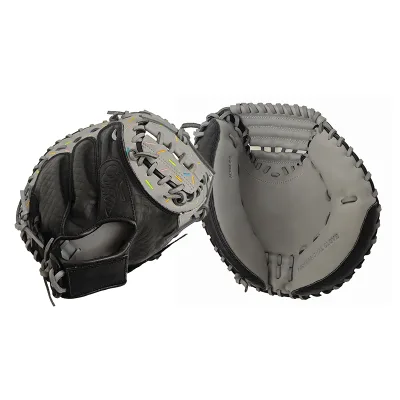
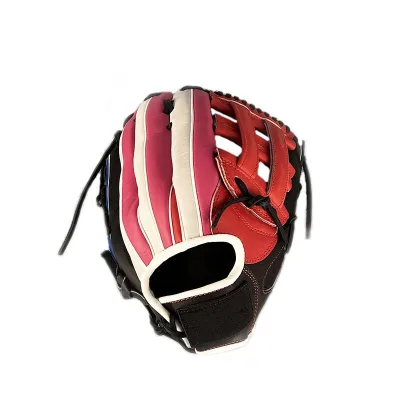
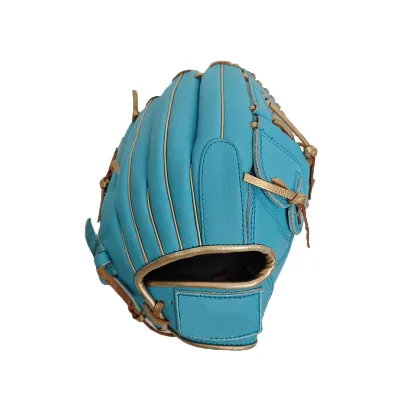


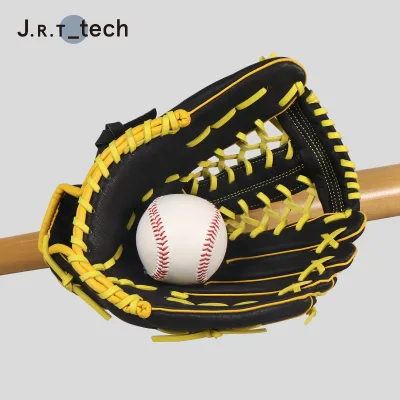
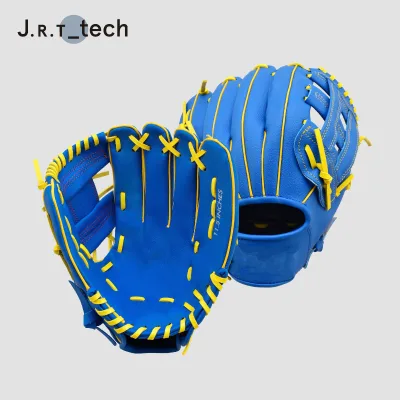


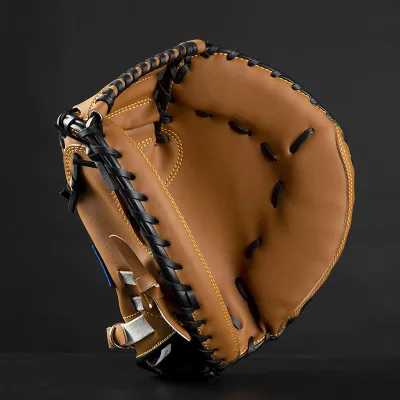
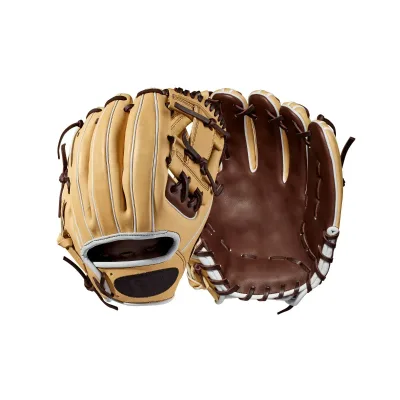


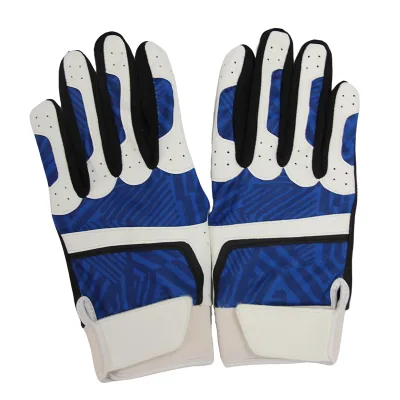
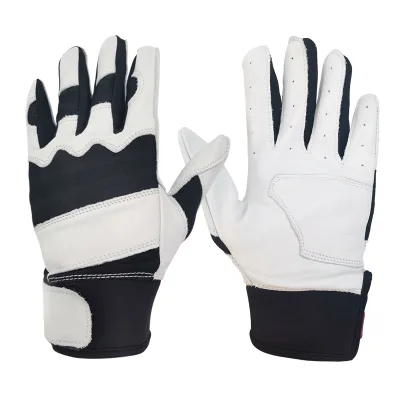
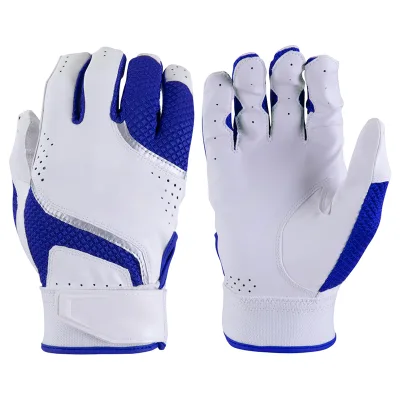
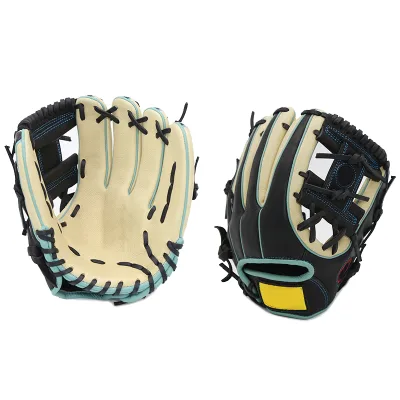
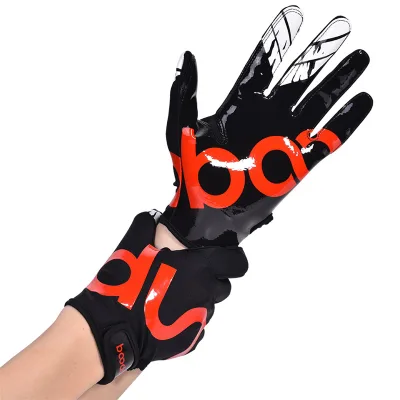

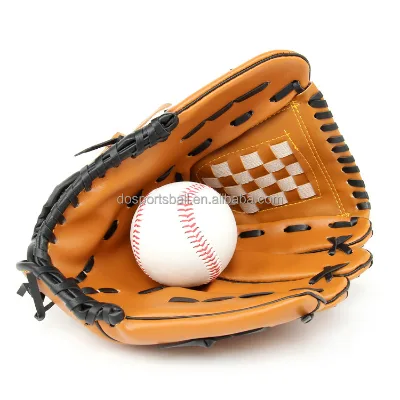
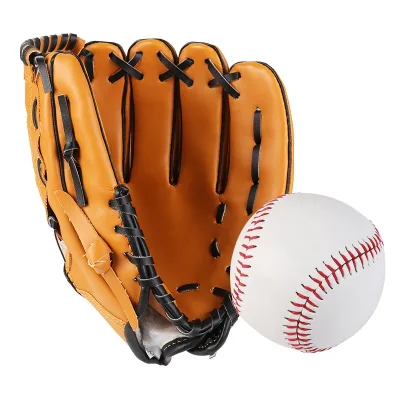
Professional Baseball Training Gloves for Catchers and Pitchers CE Approved
$11.00 - $20.00
MOQ: 200 Pairs


Comprehensive Sourcing Guide
Custom Catcher Baseball Gloves Sourcing Guide
Sourcing Custom Catcher Baseball Gloves requires a nuanced understanding of the intersection between athletic performance, material durability, and brand identity. Unlike fielding gloves, catcher’s mitts are specialized equipment designed to absorb high-velocity impacts while providing a secure pocket for pitch reception. The procurement process involves selecting suppliers who can balance structural integrity with ergonomic comfort, ensuring that the final product meets the rigorous demands of competitive play. Buyers must navigate a landscape where customization options range from leather grades to logo placement, all while maintaining strict quality control over stitching and padding density.
This guide outlines the critical steps for evaluating suppliers, verifying technical specifications, and managing commercial terms for custom catcher gloves. It focuses on evidence-based decision-making, leveraging observed market signals and trusted category knowledge to mitigate risk. By understanding the core components of glove construction and the regulatory environment surrounding sports equipment, procurement teams can build a resilient supply chain that delivers consistent quality and brand alignment. The following sections provide a structured approach to sourcing, from initial product scope definition to long-term supplier qualification.
Product Scope and Observed Listing Signals
The current market for Custom Catcher Baseball Gloves exhibits a wide variance in material composition and design intent. Observed listings indicate that primary materials often include Taiwan Cowhide, which is prized for its durability and break-in characteristics, though Polyurethane (PU) options are also available for budget-conscious segments. The product scope extends beyond standard leather, with some suppliers offering woven or mixed-material constructions to enhance flexibility and weight distribution. Buyers should note that "customization" is a ubiquitous feature, allowing for tailored sizing, color schemes, and branding elements, which directly influences the complexity of the manufacturing process.
Listing signals reveal significant variability in minimum order quantities (MOQ) and pricing structures, reflecting the bespoke nature of the product. MOQs observed in the market range from as low as two pieces for sample or small-batch orders up to 500 pieces for larger commercial runs, indicating that suppliers are flexible but may impose higher per-unit costs for smaller volumes. Pricing ranges from approximately $0.99 to $86 per unit, a disparity that correlates strongly with material quality, brand reputation, and the extent of customization required. Buyers must carefully distinguish between basic training models and professional-grade equipment, as the latter often involves more intricate stitching, superior padding, and stricter quality tolerances.
Technical Specifications to Verify
Verifying technical specifications is paramount to ensuring that the catcher gloves meet performance expectations. Key attributes to confirm include the throwing hand orientation, which must align with the player’s dominant side, and the specific size dimensions, which can vary from standard 11.5-inch models to custom measurements. The weight of the glove is another critical factor, with observed ranges suggesting variations between 175g and 315g for certain models, though catcher’s mitts typically weigh more due to additional padding. Buyers should request detailed specifications for single package dimensions and gross weight to accurately calculate shipping costs and storage requirements.
Material composition and construction methods require close scrutiny to ensure longevity and safety. The surface material, whether genuine leather or PU, must be verified for consistency across the batch, as variations can affect the break-in period and pocket formation. Features such as palm protection, extra grip, and durable stitching are essential for withstanding the repetitive impact of catching pitches. Additionally, the weaving method and logo application, such as embroidery versus printing, should be confirmed to ensure they meet brand guidelines and do not compromise the structural integrity of the glove. Buyers should also verify the condition of the product, ensuring that all items are new and free from manufacturing defects.
Compliance and Safety Documentation
Compliance and safety documentation are essential for mitigating liability and ensuring that the catcher gloves meet international trade standards. Buyers should request certificates of conformity, such as BSCI, which attest to ethical manufacturing practices and social compliance. While specific safety standards for baseball gloves may vary by region, it is crucial to verify that the materials used are free from harmful substances and meet relevant chemical regulations. Suppliers should be able to provide documentation confirming that their products adhere to these standards, particularly if the gloves are intended for export to markets with strict regulatory requirements.
In addition to material safety, buyers should assess the supplier’s adherence to quality management systems. This includes verifying that the production process includes rigorous quality control checks at various stages, from raw material inspection to final product packaging. Documentation should also cover the origin of the materials, ensuring that suppliers are transparent about their supply chain. For instance, knowing that the place of origin is Jiangsu, China, or Xiamen, China, can help buyers assess the logistical and regulatory environment. Buyers should also confirm that the products are labeled correctly, including country of origin and material composition, to avoid customs delays or penalties.
Cost Drivers and Commercial Terms
Understanding the cost drivers associated with Custom Catcher Baseball Gloves is essential for accurate budgeting and negotiation. The primary cost drivers include the type and grade of leather or synthetic material, the complexity of the customization, and the volume of the order. Higher-quality materials, such as Taiwan Cowhide, will naturally command a higher price point, while extensive customization, such as unique logo placements or special color combinations, can increase production costs. Buyers should also consider the impact of packaging requirements, as custom packaging solutions can add to the overall cost.
Commercial terms, including payment methods, lead times, and shipping arrangements, play a significant role in the total cost of ownership. Buyers should negotiate clear terms regarding payment schedules, such as deposits and balance payments, to manage cash flow effectively. Lead times can vary based on the complexity of the order and the supplier’s production capacity, so it is important to establish realistic timelines and build in buffers for potential delays. Shipping costs should be calculated based on the single package size and gross weight, and buyers should consider using freight forwarders to optimize logistics. Clear communication regarding these terms can help avoid unexpected costs and ensure a smooth procurement process.
Supplier Qualification and Quality Control
Supplier qualification is a critical step in ensuring that the custom catcher gloves meet the required quality standards. Buyers should conduct thorough due diligence on potential suppliers, assessing their production capabilities, quality control processes, and track record. This includes verifying the supplier’s certifications, such as BSCI, and reviewing their past performance with similar clients. Buyers should also request samples to evaluate the quality of the materials, stitching, and overall construction. This hands-on assessment can provide valuable insights into the supplier’s ability to deliver consistent quality.
Quality control measures should be integrated into the procurement process to minimize the risk of defects. Buyers should establish clear quality standards and communicate them to the supplier, including specific requirements for materials, dimensions, and finishing. Regular inspections, either in-house or through third-party agencies, can help identify and address issues early in the production process. Buyers should also implement a robust inspection protocol for incoming goods, checking for defects, inconsistencies, and compliance with specifications. By maintaining strict quality control, buyers can ensure that the final product meets their expectations and satisfies their customers.
Long-Term Procurement Checks
Long-term procurement checks are essential for maintaining a reliable and efficient supply chain for Custom Catcher Baseball Gloves. Buyers should regularly review supplier performance, assessing factors such as on-time delivery, product quality, and responsiveness to issues. This ongoing evaluation can help identify potential problems before they escalate and ensure that the supplier continues to meet the buyer’s needs. Buyers should also stay informed about market trends and technological advancements in glove manufacturing, which can inform future sourcing decisions and product development.
Building a strong relationship with suppliers is key to long-term success. Open communication, mutual respect, and collaborative problem-solving can foster a partnership that benefits both parties. Buyers should provide feedback on product performance and suggest improvements, while also being open to the supplier’s insights and recommendations. By investing in these relationships, buyers can secure better pricing, priority production, and access to new innovations. Regular audits and reviews can help maintain high standards and ensure that the supply chain remains resilient and competitive in the long run.
FAQs
What materials are used for Custom Catcher Baseball Gloves?
The gloves are primarily made from Taiwan Cowhide and Leather, with PU available as an alternative material. These materials ensure durability and comfort while providing essential palm protection for players during outdoor baseball sports.
Can I customize the size and color of the gloves?
Yes, customization is available for both size and color. Buyers can request custom sizes and choose from custom colors including Red, Beige, Black, White, or Blue to match specific team requirements or personal preferences.
What is the minimum order quantity for these gloves?
The minimum order quantity is 2 pieces per item. This low MOQ allows buyers to test the market or order small batches while still accessing features like embroidery logos and specific throwing hand configurations.
Which throwing hand options are available for the gloves?
The gloves are designed for both left-handed and right-handed throwers. This versatility ensures that players can find a perfect fit regardless of their dominant hand, supporting various positions including first baseman and catcher roles.
How are the logos applied to the baseball gloves?
Logos are applied using an embroidery method on the glove surface. This technique provides a durable and professional finish, allowing for customized branding that meets specific team or organizational identity requirements.
What certifications do the manufacturers hold for these products?
The products comply with BSCI certification standards. This ensures that the manufacturing process meets specific social compliance requirements, providing buyers with confidence in the ethical sourcing and production practices of the suppliers.
Where are these baseball gloves manufactured?
The gloves originate from Jiangsu, China, with some production also noted in Xiamen. These locations serve as the primary places of origin for the various models and specifications listed in the product catalog.