Source Custom Cartoon Embroidered Plush Toy for Gifts, Decor, and Promos
Explore 30 listings for Custom Cartoon Embroidered Plush Toy options featuring soft materials and OEM services. Compare specifications, certifications, and pricing to find suitable stress relief or decorative items for your brand.
Key considerations
Products List


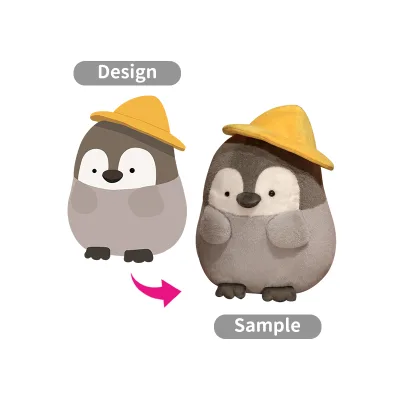


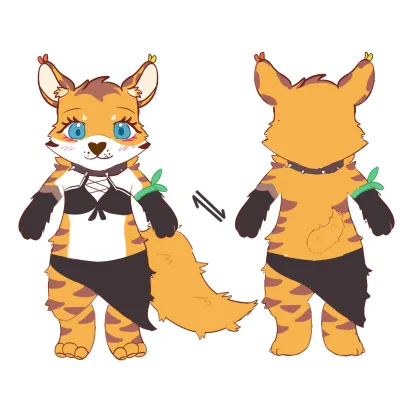


Comprehensive Sourcing Guide
Custom Cartoon Embroidered Plush Toy Sourcing Guide
Sourcing custom cartoon embroidered plush toys requires a careful balance between creative design freedom and strict manufacturing discipline. Buyers must recognize that these products are not off-the-shelf items but rather highly customizable goods where every detail, from the embroidery thread color to the internal filling density, impacts the final unit cost and production timeline. The core appeal of this category lies in its versatility, serving as promotional gifts, corporate branding tools, or collectible merchandise, which means the procurement strategy must prioritize both aesthetic fidelity and functional durability.
The procurement process begins with a clear definition of the product’s intended use and target audience, as these factors dictate the necessary material grades and safety certifications. Whether the plush toy is destined for young children or adult collectors, the sourcing approach differs significantly in terms of regulatory scrutiny and quality expectations. Buyers should establish a comprehensive specification sheet early in the engagement to ensure that suppliers understand the exact requirements for customization, including logo placement, color matching, and structural integrity, thereby minimizing the risk of costly revisions during the sampling phase.
Product Scope and Observed Listing Signals
The market for custom plush toys exhibits a wide range of material compositions and structural designs, with common offerings utilizing plush fabric, soft cotton, or synthetic fibers to achieve a comfortable tactile experience. Observed listings indicate that materials often include long plush, plush cotton, and various soft stuffed fabrics, allowing for diverse textural outcomes that can be tailored to specific brand identities. The customization options extend to color palettes, with suppliers typically offering a broad spectrum including primary colors, pastels, and metallic finishes, enabling precise brand alignment for marketing campaigns or special events.
Functional attributes and stylistic elements are equally critical in defining the product scope, as buyers often seek toys that serve multiple purposes beyond simple decoration. Many custom plush toys are designed with features such as moving ears, stress-relief properties, or decorative ornaments, enhancing their appeal as interactive gifts or promotional items. The production techniques vary between hand-made and machine production, with hand-made options often commanding higher prices due to the labor-intensive nature of detailed embroidery and assembly, while machine production offers consistency and scalability for larger orders.
Technical Specifications to Verify
Verifying technical specifications is essential to ensure that the final product matches the approved sample and meets the buyer’s quality standards. Key parameters to confirm include the dimensions of the plush toy, which can range from small handheld sizes to larger standing figures, and the specific pose or posture required for the design. Buyers should also verify the type of filling used, such as foam particles, PP cotton, or synthetic fibers, as these materials affect the toy’s shape retention, weight, and overall softness, which are critical for customer satisfaction.
Embroidery details and labeling requirements represent another layer of technical complexity that must be meticulously documented. The customization of logos and hang tags allows for brand reinforcement, but the precision of the embroidery and the durability of the attached labels must be tested for wear and tear. Additionally, the packaging specifications, whether boxed, in opp bags, or in cartons, should be aligned with logistics requirements to prevent damage during transit and to ensure efficient storage and display at the point of sale.
Compliance and Safety Documentation
Compliance with international safety standards is non-negotiable for plush toys, particularly those intended for children or sold in regulated markets. Buyers must ensure that suppliers possess valid certifications such as CE, ASTM F963, EN71, and CPSIA, which attest to the product’s compliance with chemical, mechanical, and flammability safety requirements. These certifications are not merely formalities but are critical for market access and consumer trust, as they demonstrate that the materials and manufacturing processes have been rigorously tested for potential hazards.
Beyond product-specific certifications, management system certifications such as BSCI, ISO9001, and SEDEX provide insight into the supplier’s ethical and operational standards. These certifications indicate that the factory adheres to responsible labor practices, environmental management, and quality control protocols, which are increasingly important for global brands seeking to mitigate supply chain risks. Buyers should request copies of these certificates and verify their validity through independent audit reports to ensure that the supplier maintains consistent compliance over time.
Cost Drivers and Commercial Terms
The cost of custom cartoon embroidered plush toys is influenced by several key factors, including the complexity of the design, the quantity of the order, and the materials selected. Higher customization levels, such as intricate embroidery patterns or unique color combinations, typically result in higher unit costs due to increased labor and setup time. Additionally, the choice of premium materials, such as long plush or eco-friendly fabrics, can further elevate the price, making it essential for buyers to balance aesthetic desires with budget constraints.
Commercial terms, including minimum order quantities (MOQ) and production lead times, play a significant role in the procurement strategy. Suppliers often set MOQs to ensure production efficiency, with typical ranges varying based on the complexity of the order and the supplier’s capacity. Lead times are also affected by the customization process, with sample production taking several days and bulk production requiring additional time for manufacturing, quality control, and shipping. Buyers should negotiate clear terms regarding payment schedules, shipping responsibilities, and penalties for delays to protect their interests.
Supplier Qualification and Quality Control
Selecting a qualified supplier involves a thorough evaluation of their manufacturing capabilities, quality control processes, and past performance. Buyers should assess the supplier’s ability to handle custom orders, including their proficiency in embroidery, pattern making, and assembly, as well as their capacity to meet tight deadlines and high-volume demands. Requesting references and reviewing case studies can provide valuable insights into the supplier’s reliability and consistency in delivering high-quality products.
Quality control measures must be implemented at every stage of the production process to ensure that the final product meets the agreed-upon specifications. This includes pre-production checks on materials, in-process inspections during manufacturing, and final random inspections before shipment. Buyers should establish clear acceptance criteria and communicate them effectively to the supplier, ensuring that any deviations are identified and corrected promptly. Implementing a robust quality control plan helps to minimize the risk of defects and ensures that the delivered goods align with the buyer’s expectations.
Long-Term Procurement Checks
Establishing a long-term procurement strategy for custom plush toys requires ongoing monitoring and evaluation of supplier performance. Buyers should regularly review key performance indicators such as on-time delivery rates, defect rates, and responsiveness to issues to identify areas for improvement. Building a strong relationship with the supplier through regular communication and feedback can foster collaboration and continuous improvement, leading to better product quality and more efficient operations.
As market trends and consumer preferences evolve, buyers must remain agile and adaptable in their sourcing strategies. This includes staying informed about new materials, technologies, and regulatory changes that may impact the production and sale of plush toys. By maintaining a proactive approach to supplier management and quality assurance, buyers can ensure that their custom plush toy procurement remains competitive, compliant, and aligned with their brand’s long-term goals.
FAQs
Can I customize the logo on the plush toy?
Yes, customer logos are available for customization on these plush toys. The product supports OEM and ODM services, allowing you to add your specific branding to the item or its hang tag for a personalized touch.
What certifications do these plush toys hold?
These toys hold multiple safety certifications including CE, En71, ASTM F963, CPC, and Reach. They also comply with management standards like BSCI and ISO9001 to ensure safety and quality for international markets.
How long does it take to produce an order?
Production time is approximately 20 days, though this may vary according to the specific order quantity. Sample preparation typically takes between 3 to 7 working days before full manufacturing begins.
What is the minimum order quantity for this item?
The minimum order quantity is 2000 pieces for this product line. However, observed listings show a broader MOQ range from 1 to 3000 pieces depending on the specific supplier and customization requirements.
What materials are used to make the plush toy?
The toys are crafted from plush, soft plush, cotton, fabric, and long plush materials. They are filled with foam particles, PP cotton, or synthetic fiber to ensure a soft and comfortable feel.
Are these toys suitable for young children?
Yes, the product is designed for an age group of 0 and up. They meet strict safety standards like ASTM and En71, making them safe for babies and toddlers as gifts or comforters.
What packaging options are available for the order?
Packaging options include cartons, boxes, or OPP bags depending on the order. Standard packing is 30 to 40 pieces per carton, but the final packaging can be customized to meet your specific needs.