Source Custom Logo Canvas Tote Bag for Shopping, Retail, and Advertising
Explore 30 listings for the Custom Logo Canvas Tote Bag, comparing options with cotton fabric, various sizes, and silk or offset printing. Buyers can evaluate load-bearing capacity, customization availability, and manufacturing processes like manual sewing for business and daily use needs.
Key considerations
Products List


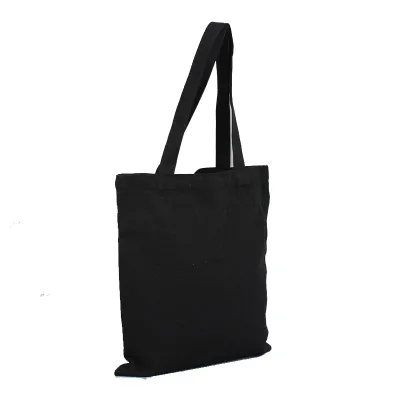


Hot Sale Custom Logo Large Canvas Crossbody Cotton Fabric Shoulder Tote Bag
$2.56 - $3.25
MOQ: 100 Pieces


Comprehensive Sourcing Guide
Strategic Sourcing Guide for Custom Logo Canvas Tote Bags
Understanding Product Specifications and Material Variability
When sourcing custom logo canvas tote bags, the first step is to rigorously define the technical specifications that align with your brand's identity and functional requirements. The market offers a diverse range of options, but the core product is often categorized as a "Cotton Handle Bag" or "Canvas Tote Bag," typically falling under the "Hand-Held" type classification. A critical observation in the current supply landscape is the variability in material composition. While the primary raw material is frequently listed as Cotton Fabric or Canvas, suppliers also indicate that materials can be "Customized" or selected "According to Customer Request." This flexibility allows for significant differentiation but requires buyers to verify the exact fabric weight and weave density before placing an order.
The physical dimensions of these bags are another pivotal specification. Data indicates that sizes range from "Middle" dimensions to fully "Customized" measurements. Specific standard sizes observed in the market include 3540cm, 4550cm, and 22X30X15CM. However, the ability to request custom sizing is a common feature, allowing brands to tailor the bag to specific inventory needs or promotional goals. The structural integrity of the bag is often described by its "Hardness," which can vary from "Medium Soft" to "Soft." This attribute directly influences the bag's drape and the way it carries items. For heavy-duty applications, buyers should look for specifications indicating a "Load-Bearing" capacity of greater than 6 Kg, ensuring the tote can withstand the weight of promotional merchandise or retail goods without seam failure.
The aesthetic customization is equally important. The standard offering includes "with Pattern" and "with Logo Printing" capabilities. The color palette is not limited to a single option; while "White" and "Black" are common base colors, the "Color" attribute is often listed as "Customized." This means the buyer must provide specific color codes or samples to ensure the final product matches the brand guidelines. The "Style" of the bag also varies, with options ranging from "Simple" and "Leisure" to designs intended for "Business&Shopping" or "Daily Life" use. Understanding these distinctions helps in selecting a bag that fits the intended context, whether it is for a supermarket retail environment, an outdoor event, or general home use.
Manufacturing Processes and Printing Techniques
The quality of the final product is heavily dependent on the manufacturing and printing processes employed by the supplier. The production of these tote bags typically involves a "Manual Sewing" process, which suggests a level of craftsmanship that can result in stronger seams compared to fully automated mass production, though it may impact lead times. The printing process is a critical area where buyers must exercise due diligence. The market supports several distinct techniques, including "Slik Print" (Silk Screen), "Offest Print" (Offset), and "Heat Transfer." Each method has its own advantages regarding color vibrancy, durability, and cost-effectiveness based on order volume.
For brands requiring complex graphics or full-color imagery, the "Logo/Graphic Design" specifications are crucial. Suppliers typically accept design files in "Psd," "Pdf," "Ai," and "Pantone" formats. The ability to work with these professional file types ensures that the color accuracy and detail of the logo are preserved during the transfer to the canvas. The "Printing Handling" process is often listed alongside the printing method, reinforcing the need for clear communication regarding the desired finish. Whether the goal is a subtle, tonal logo or a bold, high-contrast graphic, the chosen printing technique must be compatible with the canvas material to prevent cracking or fading over time.
Furthermore, the "Custom Order" acceptance is a standard feature, allowing for bespoke manufacturing runs. This includes the ability to customize the "prod_standard" to specific brand requirements rather than relying solely on pre-existing templates. The "prod_packing" is also a variable that can be tailored; while "Carton" is a common shipping method for bulk orders, individual unit packaging might be done in "OPP Bag" or other protective materials depending on the client's needs. Buyers should explicitly state their packaging preferences to avoid damage during transit and to ensure the product arrives in pristine condition for distribution.
Cost Drivers and Pricing Structures
The pricing of custom logo canvas tote bags is influenced by a complex interplay of factors, including material costs, order volume, and the complexity of the customization. The observed price range in the market spans from $0.03 to $11.40 USD per unit. This wide disparity highlights the significant impact of order quantity and specification choices on the final cost. The "MOQ" (Minimum Order Quantity) is a primary cost driver, with observed ranges typically falling between 50 and 5000 units. Suppliers often offer "Small Orders: Accepted," which can be beneficial for startups or businesses testing a new product line, but these smaller quantities may carry a higher unit cost compared to bulk purchases.
Material selection is another major determinant of price. While standard cotton or canvas fabrics are generally cost-effective, opting for "Customized" materials or specific high-grade cotton blends will increase the base cost. Similarly, the complexity of the printing process affects the price. Techniques like "Heat Transfer" or multi-color "Slik Print" runs may incur additional setup fees or higher per-unit costs compared to single-color offset printing. The "Load-Bearing" capacity also plays a role; bags engineered to hold more than 6 Kg may require reinforced stitching or thicker canvas, which adds to the manufacturing expense.
Buyers must also consider the "Custom Order" nature of the product. While customization offers flexibility, it often involves additional design and setup time, which can influence the overall cost structure. The "Brand Name" associated with the supplier, such as "SuccessPromo," may also reflect a premium for established vendors, though this does not necessarily correlate with superior quality without verification. To manage costs effectively, buyers should aim to balance their desired specifications with realistic volume targets. Leveraging the "Small Orders: Accepted" policies can help mitigate initial risk, but scaling up to the higher end of the MOQ range is often necessary to achieve the most competitive unit pricing.
Compliance, Certification, and Quality Verification
In the realm of B2B procurement, compliance and certification are essential for ensuring product safety and ethical sourcing. While the supplied data does not explicitly confirm specific certification statuses for all products, the industry context often involves standards such as "GOTS" (Global Organic Textile Standard) or "OEKO-TEX." Buyers should not assume these certifications are present unless explicitly verified by the supplier. The "prod_standard" is listed as "Customized," which implies that the product can be manufactured to meet specific regulatory requirements, but the buyer must initiate this verification process.
Quality control is paramount when dealing with custom manufacturing. The "Hardness" and "Load-Bearing" attributes serve as basic indicators of durability, but buyers should request physical samples to test these claims firsthand. For instance, verifying that a bag can indeed support over 6 Kg without seam failure is a critical step before committing to a large order. The "Manual Sewing" process, while offering potential quality benefits, requires strict oversight to ensure consistency across the production run. Inconsistent stitching or uneven hemming can lead to product returns and brand damage.
Additionally, the "Industrial Use" classification, which includes "Business&Shopping" and "Supermarket Retail," suggests that the bags must meet certain durability standards for commercial environments. Buyers should inquire about the specific testing protocols the supplier uses to validate these claims. If the product is intended for export to markets with strict textile regulations, verifying the absence of harmful substances is crucial. Since the "Raw Material" can be "Cotton Fabric, Canvas, or According to Customer Re," the source of the cotton and the dyes used in the "Color" customization must be scrutinized to ensure they meet international safety standards.
Supplier Evaluation and Selection Criteria
Selecting the right supplier for custom logo canvas tote bags requires a comprehensive evaluation of their capabilities, reliability, and alignment with your brand values. The "prod_origin" is consistently listed as "China," which is a major manufacturing hub for textiles, but buyers should look beyond the country of origin to assess the specific factory's reputation and capacity. The "Brand Name" and "Model Number" (such as PRK-511, SU-PSB-097, or E01163) can serve as reference points, but they should not be the sole basis for selection. Instead, focus on the supplier's ability to handle "Custom Order" requests and their responsiveness to design inquiries.
Key evaluation criteria include the supplier's experience with the specific printing processes you require, such as "Slik Print" or "Heat Transfer." A supplier with a proven track record in these areas is more likely to deliver high-quality results. The "Small Orders: Accepted" policy is a positive indicator of flexibility, but it is also important to assess their capacity for larger orders if your business scales. The "Packaging" options, ranging from "Carton" to "OPP Bag," should be evaluated for their suitability to your logistics chain.
Furthermore, the "Application" of the bag, whether for "Advertising and Prom," "Shopping," or "Daily Life," should match the supplier's expertise. A supplier specializing in promotional items may offer better design support and faster turnaround times for marketing campaigns, while a supplier focused on retail might prioritize durability and cost-efficiency. Buyers should also verify the "Logo Printing" capabilities, ensuring the supplier can handle the specific file formats (Psd, Pdf, Ai, Pantone) required for your campaign.
Long-Term Procurement and Application Strategy
The long-term success of a procurement strategy for custom logo canvas tote bags depends on establishing a sustainable relationship with suppliers and aligning product choices with broader business goals. The "Usage" of these bags is diverse, spanning "Shopping," "Advertising," "Packing," and "Garment" applications. Understanding the primary use case will guide the selection of the appropriate "Style," "Size," and "Material." For example, a bag intended for "Outdoor" use may require different specifications than one designed for "Home" or "Supermarket Retail."
Sustainability is increasingly becoming a core consideration in procurement. While the "Raw Material" is often cotton, which is a natural fiber, buyers should investigate the sourcing practices of the supplier. The potential for "GOTS" or "OEKO-TEX" certification, though not explicitly confirmed in the general data, represents a significant value-add for brands committed to environmental responsibility. Even without formal certification, choosing suppliers who prioritize ethical labor practices and sustainable manufacturing processes can enhance brand reputation.
The "Customization" aspect of the product offers a unique opportunity for brand differentiation. By leveraging the "Customized" options for "Color," "Size," and "Logo," companies can create a cohesive brand identity across their promotional materials. However, this requires careful planning and communication with the supplier to ensure that the final product meets expectations. The "Lead Time" for custom orders can vary, and buyers should factor this into their project timelines, especially for time-sensitive marketing campaigns.
In conclusion, sourcing custom logo canvas tote bags involves a detailed analysis of specifications, manufacturing processes, cost drivers, and supplier capabilities. By adhering to a disciplined approach that prioritizes quality verification and clear communication, buyers can secure a reliable supply of high-quality tote bags that meet their specific needs. The flexibility of the market, with its wide range of materials, sizes, and printing options, provides ample opportunity for brands to create unique and effective promotional tools.
FAQs
Can I order small quantities of custom logo canvas tote bags?
Yes, small orders are accepted for custom logo canvas tote bags. Suppliers typically allow minimum order quantities starting from 50 units, enabling startups to test the product before committing to larger bulk purchases.
What printing processes are available for custom logo canvas tote bags?
The available printing processes include silk screen, offset, and heat transfer for custom logo canvas tote bags. These methods allow for various design complexities, with suppliers accepting design files in PSD, PDF, AI, and Pantone formats.
Which sizes are standard for custom logo canvas tote bags?
Standard sizes for custom logo canvas tote bags include 35 by 40 cm, 45 by 50 cm, and 22 by 30 by 15 cm. Buyers can also request fully customized dimensions to meet specific branding or functional requirements.
How much weight can custom logo canvas tote bags hold?
Many custom logo canvas tote bags have a load-bearing capacity greater than 6 kg. This strength is achieved through manual sewing and durable cotton or canvas materials suitable for shopping and advertising applications.
What raw materials are used for custom logo canvas tote bags?
Raw materials typically include cotton fabric or canvas, but options can be customized according to customer requests. This flexibility allows buyers to select specific fabric weights or blends to match their brand identity.
Can the color of custom logo canvas tote bags be customized?
Yes, the color of custom logo canvas tote bags can be customized beyond standard white or black options. Buyers must provide specific color codes or samples to ensure the final product matches their brand guidelines.
What is the typical price range for custom logo canvas tote bags?
The price range for custom logo canvas tote bags typically spans from 0.03 to 11.4 USD per unit. The final cost depends heavily on the order volume, material selection, and the complexity of the printing process.