Source Custom Logo Canvas Toolkit Bags for Trades
Find 30 options for a Custom Logo Canvas Toolkit Bag designed for tradespeople, DIY enthusiasts, and professionals. Compare materials like polyester and nylon, check MOQs, and review customization support for your specific storage needs; compare the available evidence and request quotations based on your requirements.
Key considerations
Products List
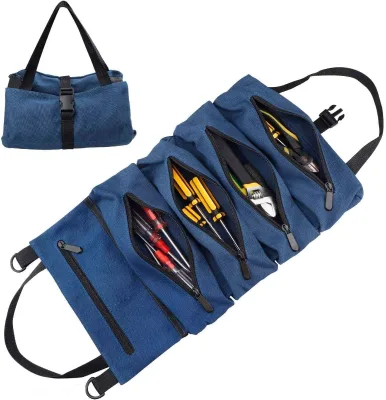
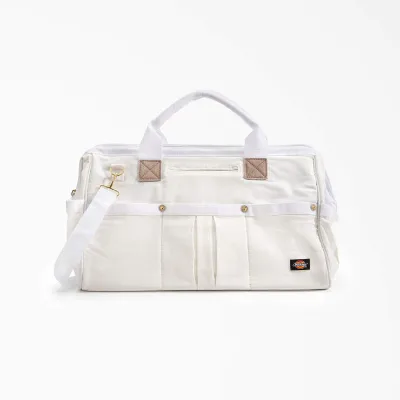
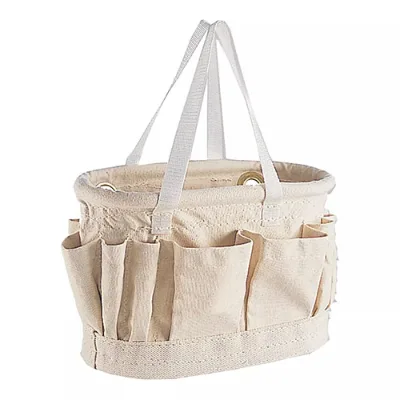
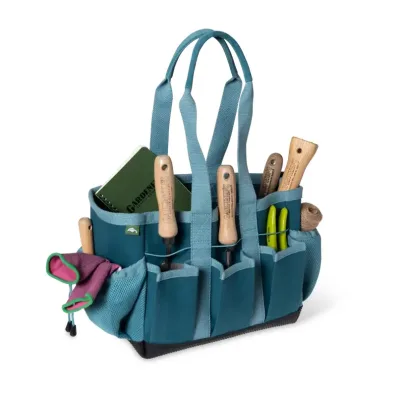
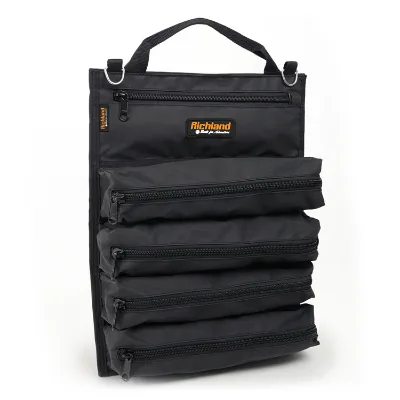
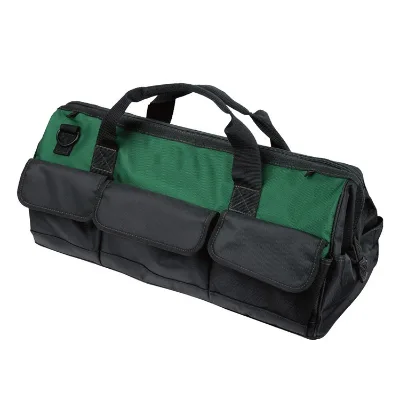
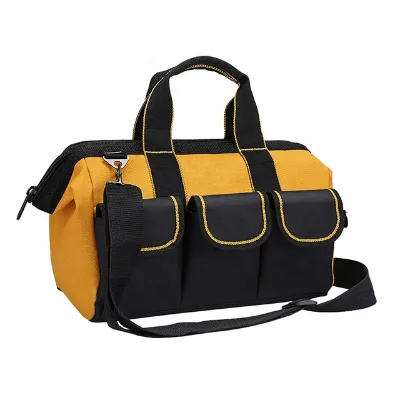
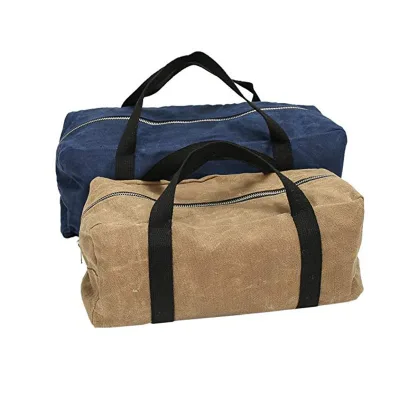
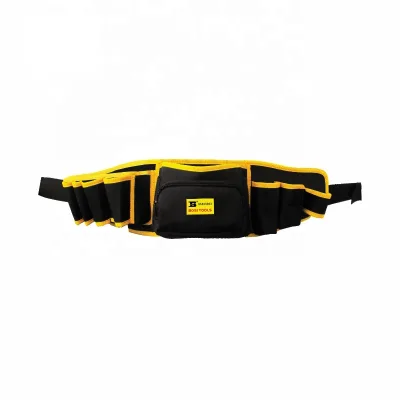


$3.20 - $6.00
MOQ: 1000 Pieces


Factory Custom Durable Tools Backpack Storage Bag Toolkit with Tool Organizer
$5.50 - $8.50
MOQ: 1000 Pieces


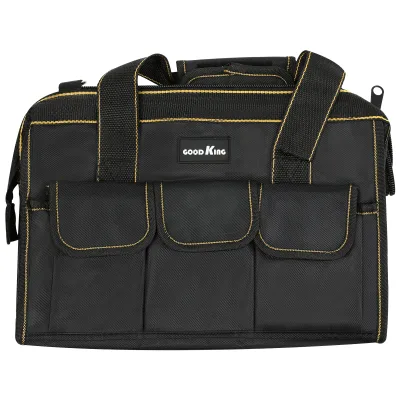


Factory Wholesale Multi-Functional Canvas Portable Tool Bag with Zipper Storage
$2.00 - $3.80
MOQ: 500 Pieces

Comprehensive Sourcing Guide
Custom Logo Canvas Toolkit Bag Sourcing Guide
Procuring a Custom Logo Canvas Toolkit Bag requires balancing aesthetic branding with rugged utility for professional environments. Buyers must verify that the canvas material offers sufficient durability for daily tool storage while accommodating specific branding requests like silk printing or embroidery. The observed market data indicates that suppliers often provide OEM and ODM support, allowing for tailored designs that align with corporate identity or specific trade requirements.
Sourcing decisions should prioritize suppliers who demonstrate a clear history of producing similar storage solutions, as evidenced by their stated experience in bag manufacturing. It is essential to confirm that the chosen model supports the intended closure type, whether buckle or zipper, to ensure secure transport of equipment. Understanding the specific usage context, such as makeup storage or universal tool storage, helps narrow down the appropriate product features and material thickness needed for longevity.
Product Scope and Observed Listing Signals
The current market listings reveal a diverse range of toolkit bags, including variations in model numbers like TB5031 and DFJP-3173, which cater to different storage capacities and structural needs. Buyers should note that while some listings specify black or green colors, others offer custom Pantone swatches to match exact brand guidelines. This variability suggests that the core product scope extends beyond standard inventory to include highly customized configurations based on client specifications.
Listing signals also highlight the importance of material composition, with options ranging from pure canvas to blends involving nylon, polyester, and oxford fabrics. The presence of adjustable straps and multi-functional features indicates that these bags are designed for versatility in both professional and personal settings. Procurement teams must carefully review the single volume and gross weight data to ensure the selected bag meets logistical requirements without compromising on the structural integrity needed for heavy tool loads.
Technical Specifications to Verify
Technical verification begins with confirming the closure mechanism, as listings show both buckle and zipper options that serve different security and accessibility needs. Buyers must ensure the selected model number corresponds to the desired dimensions, which are often listed as custom to accommodate specific tool sets. It is critical to validate that the bag's capacity aligns with the intended load, preventing issues where the bag is either too bulky or insufficient for the required equipment.
Material specifications require close attention to the blend of fabrics, as some products combine nylon and polyester for enhanced strength while others rely on canvas for a traditional aesthetic. The logo application method, whether through silk printing, embroidery, or embossing, must be compatible with the chosen material to ensure durability during repeated use. Additionally, verifying the sample time of approximately seven to ten days allows for adequate quality assessment before committing to a larger production run.
Compliance and Safety Documentation
Compliance verification is essential when sourcing bags intended for industrial or professional use, particularly regarding material safety and manufacturing standards. Some suppliers in the observed listings hold ISO9001:2008 certification, which serves as a baseline indicator of quality management systems in place during production. Buyers should request current certification documents to ensure that the manufacturing process adheres to recognized international standards for consistency and safety.
Safety documentation also extends to the physical properties of the bag, such as waterproof capabilities which are explicitly mentioned in several product descriptions. Ensuring that the bag meets specific environmental resistance requirements is vital for protecting tools from moisture and dust in various work conditions. Procurement teams must confirm that any claimed features, such as waterproofing or specific material treatments, are backed by test results or verified through third-party inspection protocols.
Cost Drivers and Commercial Terms
Cost drivers for custom logo canvas toolkit bags are significantly influenced by the complexity of the customization, including the choice of logo method and material blend. The observed MOQ ranges from 300 to 1000 pieces, meaning that smaller orders may incur higher per-unit costs due to setup fees for custom printing and stitching. Buyers should negotiate based on the total volume to optimize pricing, as larger orders often benefit from economies of scale in material procurement and production efficiency.
Commercial terms must clearly define the sample lead time, which typically ranges from seven to ten workdays, and the final production lead time. Payment structures and shipping terms should be aligned with the supplier's location, whether in Fujian or Guangdong, to manage logistics costs effectively. It is crucial to establish a clear agreement on the warranty period, as some listings mention a three-year warranty, which can impact the long-term value and risk assessment of the procurement.
Supplier Qualification and Quality Control
Supplier qualification should focus on verifying their operational history, with some manufacturers citing experience dating back to 1998, indicating a long-standing presence in the industry. This tenure often correlates with refined production processes and a deeper understanding of quality control measures necessary for durable bag manufacturing. Buyers should request references or case studies that demonstrate the supplier's ability to handle complex OEM and ODM projects successfully.
Quality control protocols must be rigorous, covering everything from material inspection to final packaging, which is often listed as a single piece per OPP bag. Implementing a pre-shipment inspection is advisable to ensure that the finished product matches the approved sample in terms of color, stitching, and logo placement. Regular audits of the supplier's factory, particularly those located in major manufacturing hubs like Guangdong, can help maintain consistent quality standards across all production batches.
Long-Term Procurement Checks
Long-term procurement success depends on establishing a reliable supply chain that can adapt to changing design requirements and volume fluctuations. Buyers should maintain open communication channels with suppliers to ensure that any updates in material availability or production capabilities are promptly addressed. Building a relationship with a supplier who offers flexible customization options ensures that the toolkit bags remain relevant and functional over time.
Continuous monitoring of product performance is necessary to validate that the bags continue to meet the demands of the end-users in their specific applications. Regular feedback loops regarding durability, logo wear, and overall satisfaction can guide future design iterations and material selections. By treating the procurement process as a partnership rather than a transaction, buyers can secure a steady supply of high-quality custom logo canvas toolkit bags that support their operational needs for years to come.
FAQs
Can I customize the logo on a canvas tool bag?
Yes, you can customize the logo using methods like silk printing, embroidery, embossing, or adding a label. Most manufacturers welcome OEM and ODM requests to create unique designs. This allows you to brand your tool bags effectively for retail or corporate gifting purposes while maintaining professional quality standards.
What is the typical MOQ for custom tool bags?
The minimum order quantity usually ranges from 300 to 1000 pieces depending on the supplier and customization complexity. Some factories require 1000 pieces for certain models, while others accept 300 pieces for standard canvas or polyester options. You should confirm the specific MOQ with the manufacturer before placing your order.
How long does it take to produce a sample?
Sample production typically takes 7 to 10 days or approximately 7 workdays. This timeframe allows the factory to prepare the custom design, print the logo, and stitch the bag. Rushed samples may incur additional fees, so planning your timeline around this standard lead time is recommended for smooth procurement.
What materials are used for durable canvas tool bags?
Durable tool bags are commonly made from canvas, polyester, nylon, or oxford fabric. Some models combine nylon and polyester for enhanced strength. These materials offer water-resistant properties and multi-functional storage capabilities. The choice of material depends on your specific usage requirements and desired aesthetic for the final product.
Are custom tool bags available with specific certifications?
Yes, some manufacturers provide tool bags with ISO9001:2008 certification to ensure quality management standards. This certification indicates that the factory follows established processes for production and quality control. Buyers seeking verified suppliers should request documentation of these certifications to ensure the product meets international quality expectations for bulk orders.
What closure types are available for canvas tool bags?
Common closure types include buckles and zippers, depending on the model design. Buckle closures offer quick access and durability for heavy tools, while zippers provide better security and weather protection. You can select the closure type based on your functional needs and the specific model number provided by the supplier.