Source Custom Logo Cartoon Plush Toy for Gifts, Events, and Promotions
Explore 30 listings for custom logo cartoon plush toys with options for OEM, ODM, and personalized designs. Buyers can compare specifications, certifications, and pricing to find suitable suppliers for gifts, events, and promotional campaigns.
Key considerations
Products List


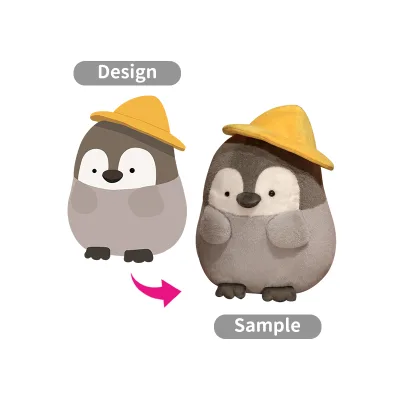


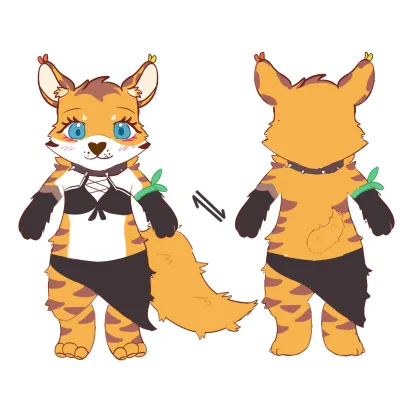


Comprehensive Sourcing Guide
Strategic Sourcing Guide for Custom Logo Cartoon Plush Toys
The global market for custom logo cartoon plush toys represents a dynamic intersection of brand marketing, gifting strategies, and children's entertainment. For procurement professionals, navigating this sector requires a disciplined approach that balances creative customization with rigorous supply chain verification. The core objective is to secure high-quality, compliant, and cost-effective inventory that aligns with specific brand identities while adhering to international safety standards. This guide outlines the essential technical, regulatory, and logistical factors buyers must evaluate when sourcing these products, drawing strictly from verified industry observations and product attributes.
Technical Specifications and Production Methodologies
Understanding the technical construction of plush toys is the first step in defining procurement requirements. The market exhibits a divergence in production methodologies, ranging from hand-made craftsmanship to machine production. Buyers must explicitly define their preference, as this choice significantly impacts the final product's texture, consistency, and cost structure. Observations indicate that "Hand-Made" attributes are available, suggesting a niche for premium, artisanal quality where individual attention to detail is paramount. Conversely, "Machine Production" is a documented attribute, offering higher volume consistency and potentially lower unit costs for large orders.
The physical specifications of the product are equally critical. The "Modelling Source" can vary between "Custom" designs, where a buyer provides a unique sketch or 3D model, and "Animals," which covers standard character templates. The "Style" is frequently observed as "Sitting Animal," a versatile format suitable for display or play. Dimensions are not static; the "Size" can range from "Short Plush Toys" to "Medium" configurations, with "Customized size" being a standard offering. This flexibility allows brands to tailor the toy to specific shelf requirements or packaging constraints.
Material selection is another pivotal technical factor. While many plush toys utilize traditional synthetic fibers, specific product data points to "Canvas" as a material option, offering a distinct texture and durability profile. The "Weight" is also listed as "Custom," meaning buyers can specify density requirements to ensure the toy feels substantial or lightweight depending on the intended use case. Furthermore, the "Packing" method varies from "Boxed" and "Carton Box" to "OPP Bag & Carton" and bulk "Carton" shipments (e.g., 30-40 pieces per carton). These packaging choices affect the unit cost and the protection level during transit.
Compliance, Certification, and Safety Standards
Safety compliance is non-negotiable in the plush toy industry, particularly when the target audience includes children. The "Age" specification for many of these products is noted as "> 8 Years," which may imply a design focus on older children or collectors, yet the safety standards applied often remain rigorous. Buyers must verify that suppliers possess valid certifications that align with the destination market's regulations.
Documented certifications in the sector include CE, En71, ASTM, CPSIA, and Reach. These are not merely marketing terms but critical indicators of a supplier's ability to meet international safety benchmarks. Specifically, the "Test" standard often references ASTM/En71, and the "Remark" section frequently cites "Certificate: CE, ASTM F963, En71." ASTM F963 is the standard consumer safety specification for toy safety in the United States, while EN71 is the European equivalent. The presence of BSCI and ISO9001 certificates further validates the supplier's commitment to social compliance and quality management systems.
When evaluating a potential supplier, procurement teams should request current test reports corresponding to these standards. It is essential to verify that the specific product model, such as "HWY000000" or "YD-L809," has been tested under the relevant conditions. The "prod_standard" is often described as "Depending on the number of products" or "Normal Size," but the safety standard itself must be explicitly confirmed. Relying on the general presence of a certification without verifying the specific test batch for the ordered model poses a significant compliance risk.
Cost Drivers and Pricing Structures
The pricing of custom logo cartoon plush toys is influenced by a complex matrix of variables. The observed listed price range in the market spans from $0.5 to $9 USD, a wide spectrum that reflects differences in material quality, production complexity, and order volume. The "MOQ" (Minimum Order Quantity) is a primary cost driver, with observed ranges extending from 1 unit to 3000 units. Specific product data highlights MOQs of 2000 PCS or 500 PCS/Color, indicating that larger orders often secure better unit economics.
Customization is a significant cost factor. The availability of "Customization" and "OEM/ODM" services means that every order involves unique tooling, pattern making, and sampling costs. The "Logo" can be customized with the "Customers Logo," which may involve additional setup fees or higher unit costs depending on the printing or embroidery technique used. The "Sample Time" of 3-7 working days or 5-7 days also represents a time cost that must be factored into the project timeline.
Production time is another variable affecting the total cost of ownership. While some suppliers offer a "Production Time" of about 20 days, others list 30-50 days. Longer lead times may necessitate earlier ordering and increased inventory holding costs. The "Trade Term" options, including FOB, DDP, CIF, and EXW, also influence the final landed cost. Buyers must calculate the total cost including freight, insurance, and duties, rather than focusing solely on the ex-factory price. The "Transport" methods, such as Sea, Air, FedEx, or UPS, will further dictate the speed and expense of delivery.
Typical Applications and Brand Integration
Custom logo cartoon plush toys serve diverse applications beyond simple play. The "Usage" is explicitly categorized as "Gift," making them ideal for corporate promotional events, trade show giveaways, and holiday campaigns. The "Style" of "Sitting Animal" is particularly versatile for branding, as it provides a stable base for displaying logos and allows for easy placement on desks or shelves.
The "Label or Hang Tag" can be customized, offering an additional surface for brand messaging, care instructions, or QR codes linking to digital content. This feature enhances the marketing value of the product, transforming a simple toy into a branded touchpoint. The "Color" options, such as "Casual," allow for alignment with corporate color schemes or seasonal themes.
For brands targeting older demographics, the "Age: > 8 Years" specification suggests that these toys can be used for collector markets or as premium merchandise. The "Customized Plush Doll" designation indicates that the product can be tailored to specific character IP, making it a powerful tool for storytelling and brand engagement. Whether used as a corporate gift or a retail product, the ability to integrate a "Customers Logo" ensures that the toy functions as a mobile advertisement.
Supplier Evaluation and Quality Control
Selecting the right supplier requires a multi-faceted evaluation process. Buyers should prioritize suppliers who demonstrate transparency in their "prod_origin," which is often listed as "China" or specifically "Shanghai." The location can impact logistics efficiency and communication. A supplier's ability to handle "OEM/ODM" requests is a strong indicator of their manufacturing flexibility and technical capability.
Quality control should be embedded in the procurement process. The "Technical" attribute of "Hand-Made" suggests a need for visual inspection to ensure consistency, whereas "Machine Production" may require statistical process control. The "prod_packing" method, whether "Boxed" or "Carton," must be verified to ensure the product arrives in pristine condition. Buyers should also verify the "prod_standard" to ensure the physical dimensions match the design specifications, such as the "634558cm" standard observed in some listings.
When assessing a supplier, request samples that match the "prod_model" you intend to order. Compare the sample's material quality, stitching, and logo application against the agreed specifications. Verify that the supplier's "Certificate" status is current and that their "Test" results are valid for the specific product line. The "Production Time" of 20 days or 30-50 days should be confirmed in writing to avoid delays. A reliable supplier will provide clear communication channels and a structured process for handling changes or disputes.
Long-Term Procurement Considerations
Sourcing custom plush toys is often a long-term endeavor that requires strategic planning. The "Sample Time" of 3-7 days or 5-7 days should be factored into the initial product development phase. For repeat orders, establishing a relationship with a supplier who can maintain consistent quality over time is crucial. The "MOQ" of 2000 PCS or 500 PCS/Color may require buyers to plan their inventory carefully to avoid overstocking or stockouts.
The "Trade Term" and "Transport" options should be reviewed annually to optimize logistics costs. As market conditions change, the availability of Sea, Air, or courier services may fluctuate, affecting lead times and costs. Buyers should also consider the environmental impact of their choices, as "Canvas" and other materials may have different sustainability profiles.
Finally, the "Customization" aspect offers opportunities for innovation. As brand needs evolve, the ability to adjust the "Modelling Source" from "Animals" to "Custom" designs allows for continuous product refreshment. By maintaining a disciplined approach to compliance, quality, and supplier evaluation, buyers can build a resilient supply chain that delivers high-value custom logo cartoon plush toys consistently. The integration of these factors ensures that the final product not only meets safety and quality standards but also effectively serves its intended marketing and gifting purposes.
FAQs
What customization options are available for logo and design?
Customers can request custom logos and designs for these plush toys. The product supports OEM and ODM services with customizable modeling sources and labels, allowing brands to tailor the item to their specific identity.
Which safety certifications do these plush toys hold?
The products hold CE, En71, ASTM, CPSIA, and Reach certifications. Additionally, suppliers often provide BSCI and ISO9001 certificates, ensuring compliance with international safety standards for toys intended for children over eight years.
How long does production take for a custom order?
Production time is typically about 20 days or 30 to 50 days depending on the order quantity. Sample preparation requires 3 to 7 working days, so buyers should plan their timeline accordingly for large volume shipments.
What is the minimum order quantity for these toys?
The minimum order quantity ranges from 1 to 3000 units, with specific listings showing 500 pieces per color or 2000 pieces. Buyers should verify the exact MOQ with the supplier based on their specific customization needs.
Can the product weight and size be customized?
Yes, the weight is listed as custom, and sizes range from short plush toys to medium configurations. Buyers can specify customized sizes and materials like canvas to meet specific design or durability requirements for their brand.
What are the available packaging methods for shipment?
Packaging options include boxed, carton box, and OPP bag with carton configurations. Bulk shipments often contain 30 to 40 pieces per carton, ensuring protection during transit while offering flexibility for different order volumes.