Source Custom Logo Christian Sticky Notes for gifts, promotions, and events
Find 30 listings for Custom Logo Christian Sticky Notes suitable for gifts, promotions, and events. Buyers can compare materials like PVC and paper, printing methods, and MOQs ranging from 1 to 5000 units across suppliers in Guangdong, China.
Key considerations
Products List
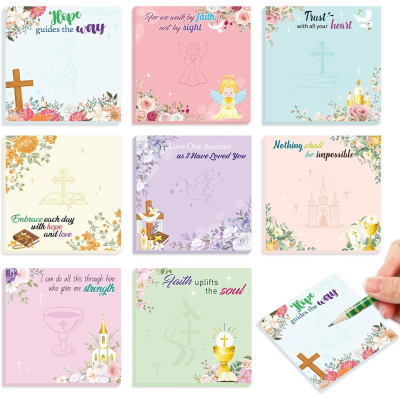
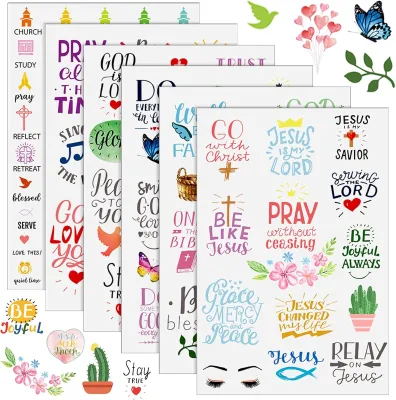
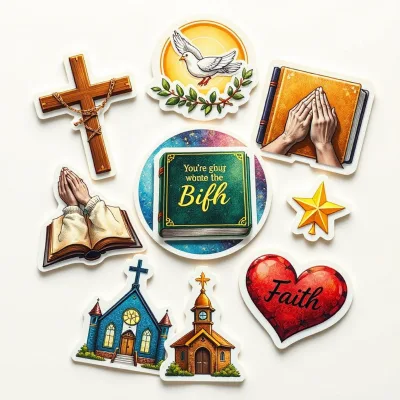
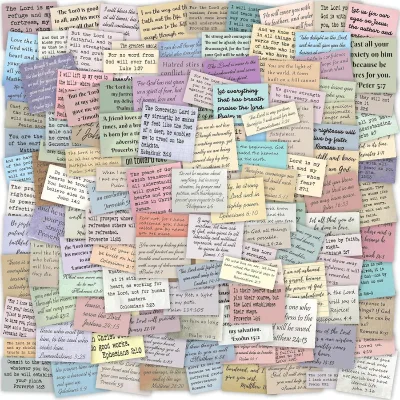
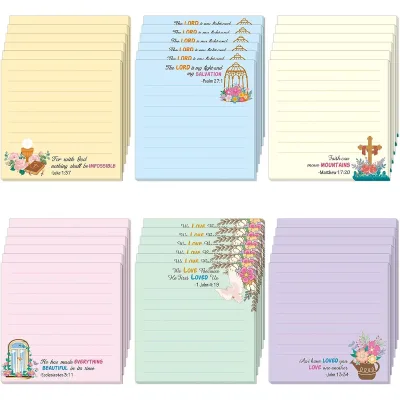





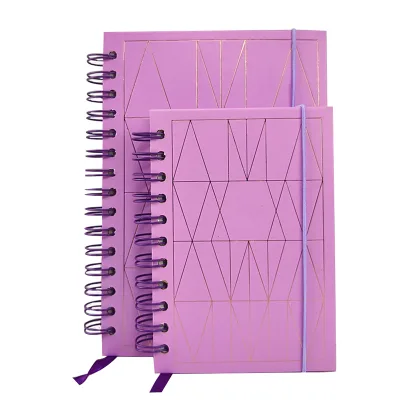
2025 Custom Logo Printing Hardcover Christian Prayer Journal Notebook for Women
$0.58 - $1.22
MOQ: 1000 Pieces


Comprehensive Sourcing Guide
Strategic Sourcing Guide for Custom Logo Christian Sticky Notes
The procurement of custom-branded promotional items requires a meticulous approach to ensure that the final product aligns with both logistical efficiency and brand messaging. For buyers seeking Custom Logo Christian Sticky Notes, the market offers a diverse array of options ranging from standard office supplies to specialized religious gifts. This guide synthesizes observed market data and technical specifications to provide a disciplined framework for sourcing these items. The focus remains on verifying attributes such as material composition, printing capabilities, and minimum order quantities (MOQ) to mitigate risk and ensure product quality.
Understanding Product Specifications and Material Variability
The foundation of a successful sourcing strategy lies in a clear definition of product specifications. The observed market data indicates a high degree of customization in the sticky note sector. Buyers must recognize that "sticky notes" in this context are not limited to a single standard size or material. The available data points to a wide spectrum of material options, including PE, PP, PVC, plastic, paper, and resin. This variability allows suppliers to tailor products to specific functional needs, such as waterproofing or oil-proofing, which are listed as common features.
Size specifications also vary significantly. While some listings indicate a standard single package size of 20x10x0.01 cm, others suggest dimensions of 6.6x4.8 inches or fully customizable sizes. When sourcing Christian-themed sticky notes, the physical dimensions are often dictated by the intended use, whether for personal devotion, church bulletins, or event giveaways. The "Single gross weight" observed in the data ranges from 0.001 kg to 0.030 kg, highlighting the lightweight nature of these items, which is a critical factor for shipping cost calculations.
Buyers should verify the specific material composition for their order. For instance, if the notes are intended for outdoor use or environments with potential moisture, PVC or plastic-based materials with waterproof features would be preferable over standard paper. Conversely, for eco-friendly initiatives, paper-based options with custom printing capabilities would be more appropriate. The data confirms that "Custom" is a recurring attribute for size and material, meaning the buyer must provide precise requirements to the supplier rather than relying on a generic catalog item.
Printing Technologies and Branding Capabilities
The core value proposition of Custom Logo Christian Sticky Notes is the ability to imprint religious imagery, scripture, or organizational branding. The observed market data confirms that printing is a highly flexible attribute, with suppliers accepting customized requests via Offset, UV, Digital, Color, and Laser printing techniques. This diversity in printing technology allows for different aesthetic outcomes and durability levels.
For Christian-themed designs, the choice of printing method impacts the visual fidelity of crosses, scripture text, or religious symbols. UV printing often provides a glossy, durable finish that can enhance the vibrancy of colors, which is beneficial for colorful religious iconography. Digital printing may be more cost-effective for smaller runs or highly detailed, multi-colored designs. The data explicitly lists "Custom Logo" and "With Logo Printing" as standard attributes, ensuring that branding is a central feature of the product.
When evaluating suppliers, buyers should inquire about the specific printing technique used for their order. The "Pattern" attribute is listed as "Customized," suggesting that complex designs can be accommodated. However, the buyer must ensure that the chosen printing method is compatible with the selected material. For example, certain inks may adhere better to plastic or resin than to paper. Additionally, the "Color" attribute in the data ranges from specific colors like Red or White to "Multicolor," indicating that the supplier can handle full-color applications. It is essential to confirm that the printing process will not compromise the adhesive quality of the sticky notes, as this is a critical functional requirement.
Cost Drivers and Minimum Order Quantity Analysis
Procurement costs for custom sticky notes are influenced by several key variables, with the Minimum Order Quantity (MOQ) being a primary driver. The observed MOQ range in the market spans from 1 to 5000 units, with specific listings showing MOQs of 100, 200, and 500. This wide range suggests that buyers have flexibility in choosing their order volume based on budget and storage constraints.
The price range observed is between $0.01 and $4.12 USD per unit. This significant variance is likely driven by the material type, printing complexity, and order volume. A single unit priced at $0.01 likely represents a basic paper product with minimal customization, whereas a unit at $4.12 may involve premium materials like resin or PVC, complex laser printing, or a specialized design. Buyers must be aware that the "Selling Units" are often listed as "Single item," but the actual transaction will likely occur in batches defined by the MOQ.
Lead time is another critical cost driver. The data indicates delivery times ranging from 7 to 20 days, with some specific listings showing 7-15 days. This timeframe includes production and shipping preparation. Buyers should factor this into their project timeline, especially for time-sensitive events like church festivals or holiday promotions. The "Delivery time" is a fixed attribute in the supplier data, but actual lead times may vary based on the complexity of the customization and the supplier's current workload.
| Attribute | Observed Range/Value | Procurement Implication |
|---|---|---|
| MOQ | 1 - 5000 units | Allows for small batch testing or large volume distribution. |
| Price Range | $0.01 - $4.12 USD | High variance requires detailed specification to avoid overpaying. |
| Delivery Time | 7 - 20 Days | Requires advance planning for event-based distribution. |
| Material | PE/PP/PVC/Paper/Resin | Material choice directly impacts unit cost and durability. |
| Printing | Offset/UV/Digital/Laser | Complex printing increases cost but enhances branding. |
Typical Applications and Industrial Use Cases
The "Industrial Use" attribute in the market data highlights several key applications for these products: Shopping, Gift, Promotion, and Custom uses. For the specific niche of Christian sticky notes, the "Gift" and "Promotion" categories are particularly relevant. These items are frequently used as church giveaways, Sunday school rewards, or promotional tools for religious organizations.
The data also lists specific applications such as "Art & Collectible," "Business Gift," "Christmas," and "Thanksgiving." This suggests that custom Christian sticky notes can serve a dual purpose as both functional office supplies and commemorative items. For example, a sticky note featuring a cross design and a specific scripture verse could be distributed during Christmas services as a holiday gift. The "Style" attribute includes "Cross" and "Other," confirming that religious motifs are a standard design option.
Furthermore, the "Memo Accessories" attribute, which includes "Memo Box," indicates that these sticky notes can be part of a larger stationery set. This is useful for buyers looking to create a cohesive branded package for their congregation or organization. The "Single package size" varies, with some items being compact (1x1x1 cm) and others larger (20x10x0.05 cm), allowing for different packaging strategies depending on whether the notes are sold individually or in sets (e.g., "5pcs/set").
Supplier Evaluation and Geographic Considerations
When evaluating potential suppliers, the "Place of Origin" is a significant factor. The observed data consistently points to Guangdong, China, as the primary manufacturing hub for these products. This region is known for its robust manufacturing infrastructure and experience in producing customized stationery and promotional items. Buyers should verify that the supplier is based in this region to ensure they are dealing with established manufacturers rather than intermediaries.
The "Brand Name" attribute shows variations such as "FHH" and "FHT," indicating that many suppliers operate under their own private labels or generic brand names. This suggests a highly competitive market where the supplier's reputation and track record are more important than the brand name on the product. Buyers should focus on the supplier's ability to meet the "Customization" requirements, which are listed as "Accepted" or "Available" across the board.
Additionally, the "Design" attribute mentions "OEM.ODM," meaning suppliers are capable of Original Equipment Manufacturing and Original Design Manufacturing. This is crucial for buyers who need unique designs that are not available in standard catalogs. Buyers should request samples to verify the quality of the design execution, as the "Sample" attribute is listed as "Provided" in some listings. This allows for a physical assessment of the product before committing to a large order.
Quality Control and Compliance Verification
Ensuring product quality is paramount, especially when the items are intended for religious or educational use. The "Feature" attribute lists qualities such as "Waterproof," "Oil proof," "Writable," and "Quick Dry." Buyers must verify that these claims are met through physical testing or certification. While the data does not provide specific test results, the presence of these features implies that the products are designed for durability and functionality.
Compliance and certification checks are essential, although the provided data does not list specific certifications. Buyers should inquire about the safety standards of the materials used, particularly if the sticky notes are intended for children or for use in environments where food safety might be a concern. The "Material" list includes various plastics and papers, and it is the buyer's responsibility to ensure that these materials meet relevant safety regulations in their target market.
The "Technique" attribute is listed as "Other," which is vague. Buyers should clarify the specific manufacturing techniques used to ensure consistency and quality. For example, the "Stick-up" feature must be reliable, and the adhesive should not leave residue or damage the surface it is applied to. Quality control should also extend to the printing process, ensuring that the colors are accurate and the logo is clearly visible.
Long-Term Procurement and Relationship Management
Sourcing custom Christian sticky notes is often a recurring need for religious organizations and promotional campaigns. Establishing a long-term relationship with a reliable supplier can lead to better pricing, consistent quality, and faster lead times. The "Customization" and "Design" capabilities of the supplier should be evaluated for their ability to adapt to changing needs over time.
Buyers should consider the scalability of the supplier. With an MOQ range of 1 to 5000, suppliers can accommodate both small, one-off orders and large, recurring bulk purchases. The "Delivery time" of 7-20 days is generally manageable, but buyers should negotiate specific timelines for future orders to ensure timely delivery for events.
Finally, the "Single gross weight" and "Single package size" data are critical for logistics planning. As the order volume increases, the total weight and volume of the shipment will grow, impacting shipping costs. Buyers should work with their suppliers to optimize packaging and minimize waste, ensuring that the "Custom" size and weight attributes are utilized efficiently to reduce overall procurement costs. By maintaining a disciplined approach to specification, quality, and supplier evaluation, buyers can secure a steady supply of high-quality Custom Logo Christian Sticky Notes that meet their specific needs.
FAQs
Can I get custom logo printing on Christian sticky notes?
Yes, suppliers accept customized logo printing using Offset, UV, Digital, or Laser techniques. This allows you to imprint religious symbols or scripture directly onto the notes, ensuring your branding is clearly visible and durable for promotional use.
What materials are available for custom sticky notes?
Materials include PE, PP, PVC, plastic, paper, and resin, with options for waterproof and oil-proof features. You can select paper for eco-friendly initiatives or plastic for durability, depending on whether the notes are intended for indoor or outdoor church events.
What is the minimum order quantity for these items?
The minimum order quantity ranges from 1 to 5000 units, with specific listings showing MOQs of 100, 200, or 500. This flexibility allows buyers to test small batches or place large volume orders for mass distribution at church festivals or gift events.
How long does it take to receive custom orders?
Delivery times typically range from 7 to 20 days depending on the supplier and customization complexity. You should factor this lead time into your planning, especially if the sticky notes are needed for specific holiday promotions or time-sensitive religious gatherings.
Which printing methods are best for detailed religious designs?
UV printing offers a glossy, durable finish ideal for vibrant religious iconography, while digital printing suits complex, multi-colored designs. The choice depends on your budget and the need for high visual fidelity on crosses or scripture text on the sticky notes.
Where are these custom sticky notes manufactured?
The primary manufacturing hub for these products is Guangdong, China, known for its robust stationery production infrastructure. Buyers should verify the supplier's location to ensure they are dealing with established manufacturers capable of handling large customization requests efficiently.
What are the typical price ranges for these products?
Prices vary between 0.01 and 4.12 USD per unit based on material type and printing complexity. Basic paper products with minimal customization cost less, while premium materials like resin or complex laser printing will increase the unit price significantly.