Source Custom Logo Racing Flags for Events, Promotions, and Displays
Find 30 options for custom logo racing flags suitable for motorsport events, promotional campaigns, and venue displays. Compare specifications including polyester materials, printing methods like silk screen and digital, and base types to select the right flag for your advertising needs.
Key considerations
Products List


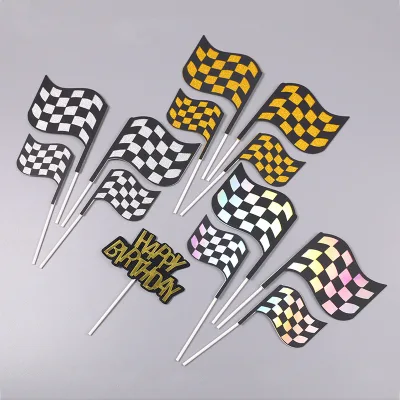


Celebration Body Flag, Cape Flag, Printed Custom Sports Flag, Promotion Body Flag
$0.95 - $1.50
MOQ: 100 Pieces

Car Window Flag, Advertising Flag, Custom Car Flag, Promotional Gift Car Flag
$0.17 - $0.17
MOQ: 10000 Pieces


Competition Starting Flag, Command Signal Flag
$0.41 - $0.51
MOQ: 200 Pieces
Jinhua Hengyang Cross-Border Trade Limited Liability Company


Comprehensive Sourcing Guide
Custom Logo Racing Flag Sourcing Guide
Procuring custom logo racing flags requires identifying suppliers who specialize in high-visibility polyester materials capable of withstanding dynamic movement and outdoor exposure. The observed market data indicates a strong availability of hand flags, car flags, and beach flags, all of which share the core requirement for durable, custom-printed polyester fabric. Buyers must prioritize vendors who explicitly offer silk screen or digital printing options to ensure the racing logo remains vibrant and legible during high-speed events.
The commercial landscape for these items reveals a wide range of minimum order quantities, from small batches of 500 pieces to larger industrial orders, allowing flexibility for both niche racing teams and large promotional campaigns. While some listings specify a base price range, the final cost is heavily influenced by customization levels, such as specific flag shapes like triangles or squares, and the inclusion of specialized flagpoles made from plastic or aluminum. Understanding these variables is essential for accurate budgeting before engaging with potential manufacturers.
Product Scope and Observed Listing Signals
Buyers should verify that the product scope includes specific flag types such as hand flags, car flags, and beach flags, as these categories often dictate the necessary pole materials and mounting mechanisms. The observed listings confirm that manufacturers offer customization in shape, ranging from standard squares to dynamic triangles, which is critical for matching the aesthetic of a racing team. Additionally, the availability of various base types, including ground stakes and water bags, ensures the flags can be deployed effectively in different racing environments, from trackside displays to vehicle mounting.
It is crucial to distinguish between products designed for static display and those intended for active use, as the latter requires more robust construction. The data shows that many suppliers provide OEM services and welcome custom orders, allowing teams to integrate their specific branding into the design. However, buyers must carefully review the listed characteristics, such as waterproofing and sunscreen properties, to ensure the selected flag can endure the harsh conditions typical of outdoor racing circuits without fading or degrading prematurely.
Technical Specifications to Verify
When evaluating technical specifications, the material composition of the flag itself is the primary consideration, with 100d or 110g knitted polyester being the standard for durability and color retention. Buyers must confirm that the printing method, whether silk screen or digital, aligns with the complexity of the racing logo to prevent bleeding or loss of detail during high-wind conditions. Furthermore, the flagpole material, often listed as plastic or aluminum, must be selected based on the intended mounting method, ensuring it provides sufficient rigidity without adding excessive weight to the vehicle or display stand.
The physical dimensions and shape of the flag are equally critical, as the observed market offers both standardized small sizes and fully customized dimensions to fit specific vehicle or pole requirements. Verification of the standard production model, such as Hand Flag-024L or Stick Flag-096V, helps in understanding the baseline construction quality before requesting custom modifications. Additionally, the packaging method, which may range from simple PP bags to rolled tubes with oil paper, should be assessed to ensure the flags arrive without creases or damage that could affect their presentation at the event.
Compliance and Safety Documentation
Safety compliance for racing flags often involves verifying that the materials meet specific industry standards for flammability and durability, although explicit certification data varies by supplier. Some manufacturers in the observed listings cite adherence to standards like SGS and ISO 9001:2008, which indicates a commitment to quality management systems that can indirectly support product safety. Buyers should request specific test reports regarding the flame resistance of the polyester fabric, as racing environments often involve high heat and potential fire hazards that require non-flammable or slow-burning materials.
Documentation regarding the origin of the product is also a key compliance factor, with many suppliers listing their production in China, specifically in regions like Fujian or Shanghai. This geographic information can influence the supply chain's transparency and the ability to audit manufacturing practices. Procurement teams should ensure that the supplier can provide clear documentation on the sourcing of raw materials, particularly the polyester and flagpole components, to verify that no restricted substances are used in the production of the racing flags.
Cost Drivers and Commercial Terms
The cost of custom racing flags is driven primarily by the complexity of the customization, including the number of colors in the logo and the specific printing technique required. While the observed price range is broad, the final unit cost will increase with the addition of premium features such as reinforced stitching, specialized flagpole materials, or complex shapes like triangles. Buyers must also account for the minimum order quantity, which can range from 500 pieces to 10,000, significantly impacting the per-unit economics and the total initial investment required for the project.
Commercial terms regarding shipping and delivery time are equally important, as racing events often have strict deadlines that cannot be missed. The observed listings mention fast delivery times and low-cost shipping options via carriers like DHL, UPS, or FedEx, but these are subject to the specific order volume and destination. Procurement managers should negotiate clear lead times and confirm the packaging requirements to prevent delays, ensuring that the flags arrive in time for the event without incurring unexpected expedited shipping fees.
Supplier Qualification and Quality Control
Supplier qualification should focus on their ability to handle OEM orders and their track record with custom designs, as the market data shows a high prevalence of customization services. Buyers must verify that the supplier has the technical capacity to execute the requested artwork, including the ability to provide free design assistance if the racing team lacks in-house graphic resources. The presence of specific product models and standardized production processes suggests a level of operational maturity that can be leveraged to ensure consistent quality across large orders.
Quality control measures should be explicitly defined in the contract, covering aspects such as color accuracy, material strength, and the integrity of the printing. Since the observed listings highlight characteristics like waterproofing and sun resistance, buyers should request samples to test these attributes before committing to a large production run. Establishing a clear quality assurance protocol that includes pre-shipment inspections will help mitigate the risk of receiving substandard flags that could fail during a critical racing event.
Long-Term Procurement Checks
Establishing a long-term relationship with a supplier requires regular performance reviews to ensure consistent quality and reliability over multiple order cycles. Buyers should monitor the supplier's ability to meet delivery deadlines and maintain the specified material standards, particularly the durability of the polyester and the stability of the flagpole attachments. Regular audits of the production process can help identify any deviations in quality that might arise as the supplier scales up production to meet growing demand from the racing team.
Continuous communication regarding design updates and material innovations is essential for maintaining a competitive edge in the racing market. As new printing technologies or fabric treatments become available, suppliers should be encouraged to share these advancements to improve the performance and longevity of the racing flags. By maintaining a proactive approach to supplier management, procurement teams can ensure a steady supply of high-quality custom flags that meet the evolving needs of their racing operations.
FAQs
Can I get custom logo racing flags with silk screen printing?
Yes, silk screen printing is available for custom logo racing flags. This method offers durable and vibrant color reproduction for promotional displays. Buyers can request specific designs or artwork to be printed on polyester materials. The customization process allows for tailored branding solutions suitable for various advertising and racing events.
What materials are used for custom logo racing flags?
Custom logo racing flags are typically made from polyester, including 100d Polyester or 110g Knitted Polyester. These materials provide durability and weather resistance for outdoor use. The flags may also feature plastic or aluminum flagpoles depending on the specific type, such as hand flags or car flags, ensuring stability and ease of display.
What is the MOQ for custom logo racing flags?
The minimum order quantity for custom logo racing flags is generally 500 pieces. This MOQ applies to standard customization requests involving specific logos or designs. Buyers should note that MOQs can vary based on the complexity of the artwork and the specific product model selected, such as hand flags or beach flags.
Are custom logo racing flags waterproof and sunscreen resistant?
Yes, custom logo racing flags are designed to be waterproof and offer sunscreen resistance. These characteristics ensure the flags remain durable and vibrant in various weather conditions. The polyester material and printing techniques used help protect the design from fading or damage due to sun exposure and rain during outdoor events.
Can I choose the shape and size for my racing flag?
Yes, you can choose customized shapes and sizes for your racing flag. Options include square, triangle, and other specific forms to suit your branding needs. The product specifications allow for tailored dimensions, ensuring the flag fits your intended display area perfectly while maintaining high-quality printing and structural integrity.
What certifications do the flag manufacturers hold?
Flag manufacturers often hold SGS and ISO 9001: 2008 certifications. These standards ensure quality management and product reliability for custom logo racing flags. Buyers can verify these credentials to confirm that the production processes meet international quality benchmarks, providing confidence in the durability and consistency of the ordered promotional items.