Source Tweezers for Eyebrows, Repair, and Grooming
Find 30 Tweezers options including eyebrow grooming and repair tools. Buyers can compare stainless steel models with slanted or flat tips from suppliers in China.
Key considerations
Products List
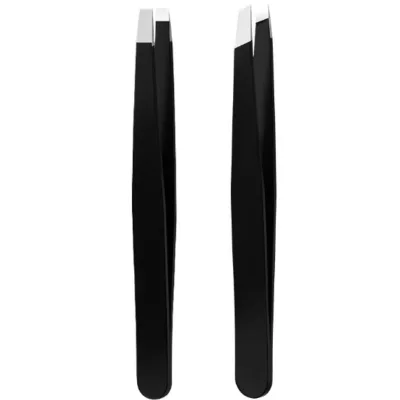
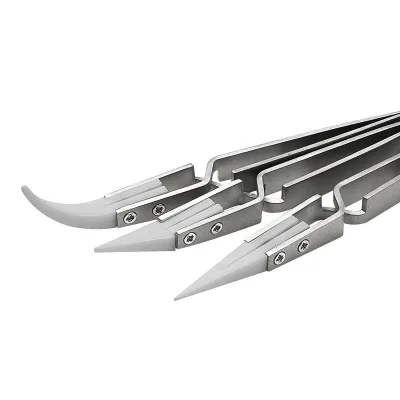
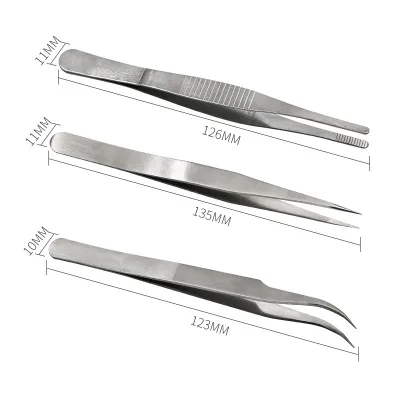
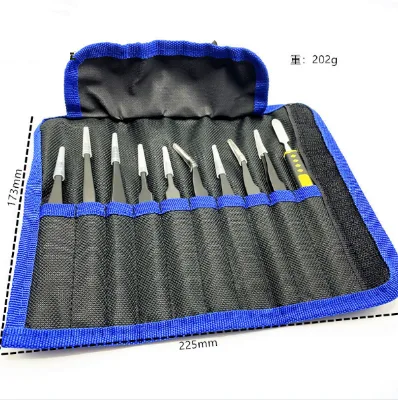
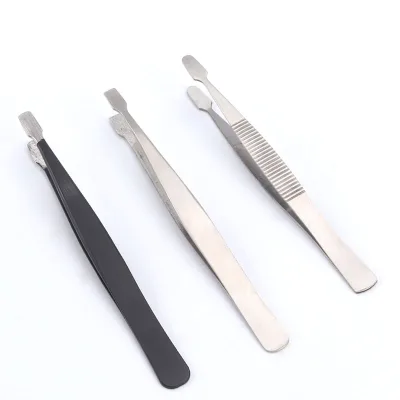
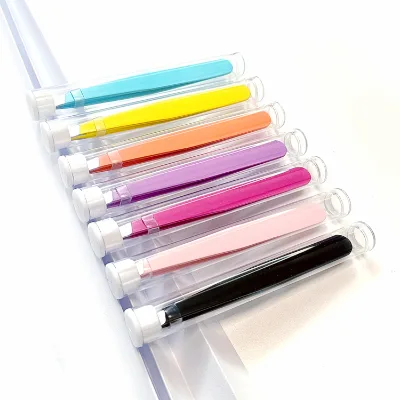
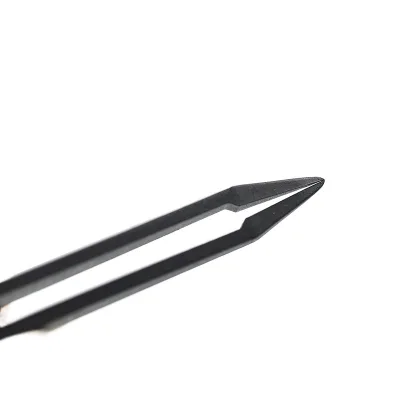


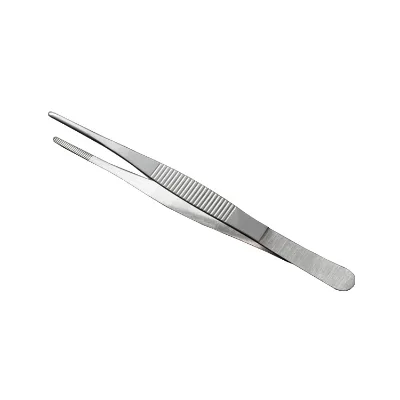


$0.22 - $0.27
MOQ: 6000 Pieces




Comprehensive Sourcing Guide
Strategic Sourcing Guide for Professional Tweezers
Navigating the global market for precision instruments like Tweezers requires a disciplined approach that balances technical specifications with supply chain reliability. For procurement professionals, the distinction between cosmetic-grade tools and industrial-grade implements is often blurred in product listings. A robust sourcing strategy begins with a granular understanding of the product attributes, material composition, and the specific operational requirements of the end-user. This guide synthesizes observed market data and technical realities to provide a framework for evaluating potential suppliers and securing high-quality inventory without relying on unverified claims.
Technical Specifications and Material Composition
The foundational element of any Tweezers procurement strategy is the verification of material composition and tip geometry. In the current market, stainless steel remains the dominant material due to its corrosion resistance and ability to maintain a sharp edge. Observed product data indicates that high-quality units are frequently constructed from stainless steel, with specific references to grades suitable for DIY and professional applications. However, buyers must distinguish between general stainless steel and specific alloys that offer enhanced durability or non-magnetic properties.
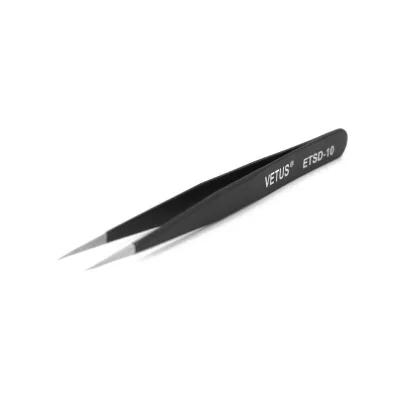
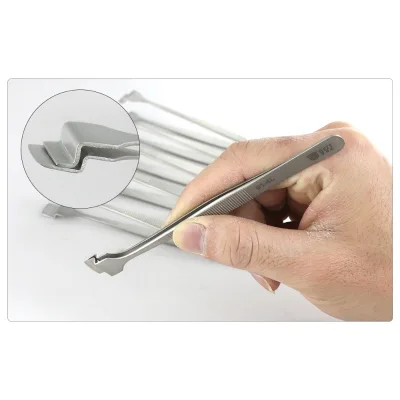
Tip geometry is equally critical, as it dictates the tool's function. The market presents a diverse array of tip types, including sharp, slanted, and flat configurations. For instance, specific listings highlight "slanted" tips for precision eyebrow grooming and "flat tip" variants designed for repair tasks or handling small electronic components. The "Sharp" top type is frequently cited for applications requiring the grafting or trimming of eyebrows, whereas flat tips are often associated with repair work. Buyers should not assume that a single model satisfies all use cases; rather, the selection must align with the specific application, whether it is cosmetic grooming or industrial assembly.
Furthermore, the physical dimensions of the tool are significant. Standardized measurements, such as a length of approximately 9.6 cm, are common in professional-grade listings. The single package size can vary significantly depending on the inclusion of storage boxes or bulk packaging, ranging from compact dimensions like 14.5 x 0.8 x 0.8 cm to larger retail-ready boxes measuring 15 x 5 x 5 cm. These dimensions directly impact logistics costs and storage requirements, making them essential variables in the total cost of ownership calculation.
Application-Specific Requirements and Use Cases
Understanding the intended application is the primary filter for narrowing down supplier options. The market data reveals a bifurcation in product usage: cosmetic grooming and industrial repair. In the cosmetic sector, the primary application involves eyebrow grooming, including plucking, trimming, and grafting. Tools in this category often feature slanted or sharp tips to ensure precision and are frequently marketed with keywords like "eyebrow Tweezers" or "plucking stainless steel eyebrow Tweezers."
Conversely, the industrial sector utilizes Tweezers for repair tasks, particularly in electronics or assembly lines. These tools often feature flat tips and are designed for durability and non-slip handling. The distinction is vital because a tool optimized for delicate eyebrow work may lack the structural integrity required for industrial repair, and vice versa. Some listings explicitly mention "repair" as the application, while others focus on "eyebrow or eye" usage. Procurement teams must verify that the supplier's product catalog aligns with these specific use cases to avoid purchasing tools that fail under the intended operational stress.
The "tweezer type" classification further refines these applications. Options include combinations such as flat mouth with slanted mouth, or sets containing multiple pairs with beveled edges. The presence of a storage box in certain configurations suggests a retail or consumer-facing product, whereas bulk packaging without accessories points toward industrial or professional use. Buyers should request detailed specifications for each SKU to ensure the tip type and handle material match the specific task requirements.
Cost Drivers and Pricing Structures
The pricing landscape for Tweezers is characterized by a wide variance, with observed ranges spanning from $0.03 to $55 per unit. This broad spectrum reflects differences in material quality, manufacturing complexity, brand positioning, and packaging. The lowest price points typically correspond to basic, single-item units with minimal packaging, often intended for high-volume, low-margin distribution. In contrast, higher price points may reflect specialized finishes, such as non-magnetic treatments, or the inclusion of premium packaging like storage boxes and custom branding.
Several factors drive these costs. Material grade is a primary driver; while "stainless steel" is a common descriptor, the specific alloy and heat treatment process significantly influence the final price. Additionally, the level of customization, such as OEM or ODM support, adds to the cost structure. Suppliers offering custom branding or specialized tip geometries often command higher prices due to the setup costs and lower economies of scale.
Packaging also plays a substantial role in the unit cost. Listings indicate variations from simple OPP bags to complex carton packaging with storage boxes. The single gross weight of the product, ranging from 0.040 kg to 0.100 kg, further influences shipping costs, which are a critical component of the landed cost. Buyers must analyze the total cost of ownership, including shipping, duties, and packaging, rather than focusing solely on the unit price. The Minimum Order Quantity (MOQ) is another significant cost driver, with observed ranges from 1 to 10,000 units. Lower MOQs offer flexibility but often come with a higher per-unit cost, while higher MOQs can reduce the unit price but increase inventory risk.
Supplier Evaluation and Verification Protocols
Evaluating suppliers in the Tweezers market requires a rigorous vetting process to ensure reliability and product consistency. Key indicators of a reputable supplier include the ability to provide detailed product specifications, clear communication regarding customization options, and a transparent supply chain. The presence of OEM and ODM capabilities suggests a supplier's capacity to adapt products to specific buyer requirements, which is a valuable asset for private label or specialized procurement.
Geographic origin is another critical factor. Observed data points to production hubs in Jiangsu and Guangdong, China, which are known for their manufacturing capabilities in metal tools. However, buyers should verify the specific factory location rather than relying solely on the general region. The "Place of Origin" listed on product pages can sometimes vary, and discrepancies may indicate a trading company rather than a direct manufacturer. Direct manufacturers often provide more consistent quality control and better lead time management.
Communication and responsiveness are also vital. Listings that encourage buyers to "contact us" for more details indicate a willingness to engage, but the quality of the response is the true test. Buyers should assess the supplier's ability to provide samples, as some listings mention free sample availability. The sample process allows for physical verification of the product's quality, tip sharpness, and material feel before committing to a larger order. Additionally, the supplier's payment terms, such as T/T, and their port of dispatch, like ShenZhen, should be evaluated for compatibility with the buyer's logistics and financial workflows.
Quality Control and Compliance Standards
Quality assurance is paramount in the Tweezers market, where the failure of a tool can lead to product damage or user injury. While specific certification standards are not universally listed in the provided data, buyers must proactively verify compliance with relevant industry standards. For cosmetic tools, hygiene and material safety are critical, requiring verification that the stainless steel is food-grade or medical-grade if applicable. For industrial tools, mechanical strength and non-magnetic properties may be required for specific environments.
The "finish" of the Tweezers, such as non-magnetic properties, is a specific attribute that buyers should verify through independent testing if the application is sensitive to magnetic interference. Similarly, the "quality" designation, often listed as "High Quality," is a subjective claim that requires objective validation. Buyers should request test reports or quality assurance documentation that confirms the durability of the tips and the integrity of the handle material.
Inspection protocols should include checking for burrs, proper alignment of the tips, and the consistency of the finish. The "Single gross weight" and "Single package size" can serve as baseline metrics for quality control; significant deviations from these standards may indicate production inconsistencies. Furthermore, the warranty period, often cited as one year, should be reviewed to understand the supplier's confidence in their product. However, buyers must treat warranty terms as observations rather than guarantees, ensuring that the contract explicitly defines the scope of coverage and the claims process.
Long-Term Procurement Considerations
Sourcing Tweezers is not merely a transactional exercise but a strategic decision that impacts long-term operational efficiency. The supply chain's resilience is a key consideration, with lead times varying between 15 to 25 days for standard orders. Buyers should assess the supplier's "Supply Ability," which can range from 1,000,000 pieces per week for large-scale manufacturers to more modest capacities for smaller operations. Understanding these capacities helps in planning inventory levels and mitigating the risk of stockouts.
Customization is a significant factor for long-term partnerships. Suppliers offering ODM and OEM support can help buyers differentiate their products in a crowded market. The ability to customize the brand name, packaging, and even the tip geometry allows for greater market alignment. However, customization often requires higher MOQs and longer lead times, which must be factored into the procurement timeline.
Logistics and shipping methods also play a crucial role in long-term planning. Options such as express, air, and sea freight offer different trade-offs between speed and cost. The "Port of dispatch" and "Delivery time" should be integrated into the buyer's logistics strategy to ensure timely replenishment. Finally, the "More details" section in product listings often contains critical information that is not immediately visible. Buyers should prioritize suppliers who are transparent and willing to provide comprehensive details upon request, as this transparency is a strong indicator of a reliable long-term partner.
Comparative Analysis of Product Attributes
To facilitate decision-making, it is helpful to compare key attributes across different product categories. The following table summarizes the observed variations in specifications, applications, and packaging.
| Attribute Category | Cosmetic/Personal Care | Industrial/Repair | Notes |
|---|---|---|---|
| Primary Application | Eyebrows grafted or trimmed | Repair, Electronics | Distinct functional requirements |
| Tip Type | Sharp, Slanted | Flat, Flat tip | Geometry dictates precision vs. grip |
| Material | Stainless Steel | Stainless Steel | Verify specific alloy grades |
| Finish | Non-magnetic (optional) | Non-magnetic (critical) | Essential for specific environments |
| Packaging | Storage box, Single item | OPP bag, Carton | Affects retail presentation vs. bulk |
| MOQ Range | 1 - 10000 | 10 - 10000 | Lower MOQs for sampling |
| Lead Time | 15-25 Days | 15-25 Days | Standard industry range |
This comparison highlights the need for precise specification matching. A buyer sourcing for a beauty brand should prioritize tip sharpness and aesthetic packaging, while an electronics assembler must focus on flat tip durability and non-magnetic properties. By aligning these attributes with the specific procurement goals, buyers can optimize their sourcing strategy and ensure the acquisition of tools that meet their operational demands.
FAQs
What material are the Tweezers made of?
The Tweezers are constructed from stainless steel, ensuring durability and corrosion resistance. Specific listings confirm the use of stainless steel for both the main body and handles, with some variants offering non-magnetic finishes for specialized applications.
Which tip types are available for eyebrow grooming?
Available tip types include sharp, slanted, and flat configurations depending on the specific model. Sharp tips are often used for eyebrow grafting or trimming, while slanted tips are common for precision plucking and flat tips for repair tasks.
Can I customize the product with my brand name?
Yes, customization is available through OEM and ODM support services offered by suppliers. Buyers can request custom branding and packaging, though this typically requires meeting specific minimum order quantities and may involve additional lead times.
How long is the delivery time for orders?
Standard delivery times range from 15 to 25 days for most orders. This timeframe accounts for production and logistics, though expedited shipping options like express, air, or sea freight may be available depending on the supplier's port of dispatch.
What is the minimum order quantity for these items?
Minimum order quantities vary significantly, ranging from 1 piece to 10,000 pieces depending on the supplier and product configuration. Some listings specify an MOQ of 10 pieces for specific models, while others allow for single-item purchases.
Where are the Tweezers manufactured?
The products originate from manufacturing hubs in Jiangsu and Guangdong, China. Buyers should verify the specific place of origin on product listings, as this can indicate whether the supplier is a direct manufacturer or a trading company.
What warranty is provided with the Tweezers?
A one-year warranty is commonly provided for the Tweezers to cover manufacturing defects. This warranty term reflects the supplier's confidence in product quality, though specific coverage details should be confirmed directly with the vendor before purchase.