Source Custom Logo Printing Shot Glass for Bars, Hotels, and Events
Compare 26 listings for Custom Logo Printing Shot Glass from suppliers in Fujian and Guangdong. Options include glass and metal materials with decal or metal logo processes, varying shapes, and customizable packing for restaurant and bar use.
Key considerations
Products List



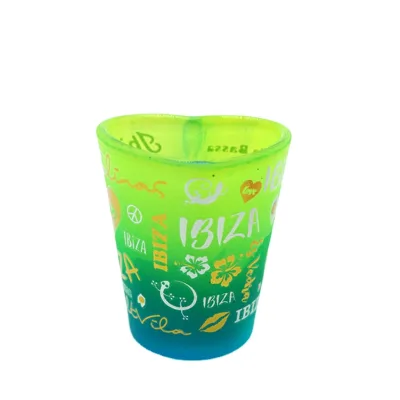
Personalized Custom Size Printing Design Souvenir Gifts Cup Shot Glass with Logo
$0.21 - $0.32
MOQ: 500 Pieces


Custom Logo Break Resistant Reusable Multiple Uses Shot Glass for Drink
$0.30 - $0.40
MOQ: 1000 Pieces


Comprehensive Sourcing Guide
Strategic Sourcing Guide for Custom Logo Printing Shot Glasses
The global market for promotional glassware has seen a significant surge in demand for branded shot glasses, driven by the hospitality industry's need for unique souvenirs and corporate gifting strategies. For procurement professionals, sourcing custom logo printing shot glasses requires a nuanced understanding of material science, manufacturing processes, and supply chain logistics. This guide provides a comprehensive framework for evaluating suppliers and products, ensuring that the final procurement aligns with quality standards and brand identity without relying on unverified market assertions.
Material Selection and Manufacturing Processes
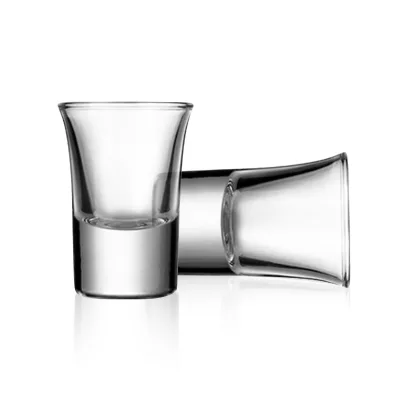
The foundation of any shot glass procurement lies in the selection of the appropriate material, which dictates the durability, aesthetic finish, and printing method. The primary material observed in the current market is glass, characterized by its transparency, chemical inertness, and premium feel. Glass shot glasses are typically produced using a cylindrical or irregular shape, offering versatility for various branding applications. The manufacturing process often involves a decal application technique, where the logo is transferred onto the glass surface. This method allows for high-fidelity reproduction of complex designs, making it ideal for detailed corporate logos or intricate souvenir patterns.
In contrast, a secondary material category includes metal shot glasses. These products offer a distinct aesthetic and often feature a metal logo application, which can provide a more durable or industrial look compared to glass. The choice between glass and metal depends heavily on the intended application environment. Glass is preferred for high-end bars and hotels where clarity and elegance are paramount, while metal options may be selected for rugged outdoor events or specific branding themes. Buyers must verify the specific material composition of the product, as the "Product Item" classification often distinguishes between standard glass shot glasses and specialized metal variants.
| Feature | Glass Shot Glasses | Metal Shot Glasses |
|---|---|---|
| Primary Material | Glass | Metal |
| Common Shapes | Cylindrical, Irregular | Varies by design |
| Logo Application | Decal, Custom Design | Metal Logo, Custom Design |
| Typical Use Case | Bars, Hotels, Souvenirs | Promotional Events, Corporate Gifts |
| Certification Needs | LFGB, FDA, ROHS | LFGB, FDA, ROHS |
Technical Specifications and Customization Capabilities
When evaluating technical specifications, the dimensions and capacity of the shot glass are critical parameters. The standard size for many glass shot glasses is observed to be approximately H6x5cm, though custom sizes are frequently available to meet specific branding or volume requirements. The capacity of these glasses is generally noted to be less than 10 oz, ensuring they remain within the traditional shot glass volume range. Buyers should explicitly confirm the exact dimensions during the inquiry phase, as the "Standard" field in supplier listings can vary between fixed measurements like H6x5cm and fully customizable dimensions.
Customization is a core requirement for this product category. The "Customization" attribute is widely available, allowing buyers to modify the shape, size, and logo placement. The "Design" attribute confirms that custom designs are supported, often requiring specific file formats such as CDR, Ai, or Pdf for the printing process. This flexibility extends to the packaging as well. While standard packing might be 1-12 pieces per box, suppliers often offer "Custom/Box" or "OPP Packing/Box/Customized" options. This level of customization is essential for creating a cohesive brand experience, from the glass itself to the unboxing moment.
Compliance, Certification, and Safety Standards
For any food-contact product, compliance with international safety standards is non-negotiable. The supply chain for shot glasses must adhere to rigorous certification protocols to ensure the materials do not leach harmful substances into beverages. Key certifications observed in the market include LFGB (German Food Safety), FDA (US Food and Drug Administration), and ROHS (Restriction of Hazardous Substances). These certifications verify that the glass or metal materials, as well as the inks used for the logo printing, are safe for human consumption.
Buyers must request valid certification documents for every batch of products. It is insufficient to rely on general claims; the specific certification status for the "Product Item" must be verified. For glass shot glasses, the decal process must also be compliant, ensuring that the adhesive and pigments used do not contain lead or cadmium. The "Certification" attribute serves as a checklist for procurement teams to validate that the supplier's production line meets these regulatory requirements. Failure to secure these certifications can lead to product recalls, legal liabilities, and reputational damage, particularly when the products are intended for use in restaurants, bars, or hotels.
Cost Drivers and Minimum Order Quantities
Understanding the cost structure of custom shot glasses is vital for budget planning. The observed price range in the market spans from $0.1 to $5 USD, a wide variance that reflects differences in material quality, customization complexity, and order volume. The Minimum Order Quantity (MOQ) is a significant cost driver. Listings indicate MOQs ranging from 6 pieces to 5000 pieces, with specific examples showing MOQs of 720 pieces for glass variants and 360 pieces for others.
The unit cost is inversely proportional to the order volume. Small orders, often suitable for sampling or very limited promotional runs, will carry a higher per-unit cost. Conversely, large-scale orders benefit from economies of scale in the decal application and packaging processes. Buyers should also consider the "Sample Leadtime," which is typically 7-10 days. This lead time adds to the overall project timeline and should be factored into the procurement schedule. Additionally, the "Service" attribute often highlights "One Stop-Souvenir Supplier" capabilities, which can reduce logistical costs by consolidating multiple product lines or packaging requirements with a single vendor.
Supplier Evaluation and Operational Logistics
Selecting the right supplier involves more than just comparing prices; it requires a thorough evaluation of their operational capabilities. The "Product Origin" is a key indicator of supply chain reliability. Common origins for these products include Quanzhou, Fujian, and Guangdong, China. These regions have established ecosystems for glass and metal manufacturing, offering a robust supply chain for raw materials and labor.
Logistics and shipping are other critical factors. Suppliers typically offer a range of shipping methods, including DHL, UPS, FedEx, TNT, as well as sea and air freight. The choice of shipping method depends on the urgency of the order and the total weight of the shipment. For large orders, sea freight is often the most cost-effective option, while air freight is suitable for urgent, smaller batches. The "Sample" attribute indicates that samples are acceptable, and some suppliers even provide them for free, allowing buyers to physically inspect the quality before committing to a large order.
Quality Control and Long-Term Procurement Strategy
Quality control (QC) is essential to ensure that the custom logo printing meets the expected standards. The "Logo" attribute confirms that the supplier can add the buyer's specific logo, but the quality of the print must be verified. Buyers should implement a QC protocol that checks for logo alignment, color accuracy, and durability of the decal. The "Product Packing" specifications, such as 1PCS/OPP Bag or 12PCS/Bag, must be strictly adhered to to prevent breakage during transit.
For long-term procurement, establishing a relationship with a supplier that offers "Customized" packing and design services is advantageous. This allows for continuous improvement of the product line based on market feedback. The "Application" attribute suggests that these glasses are suitable for restaurants, bars, and hotels, indicating a stable demand sector. Buyers should also consider the "Support File" requirements, ensuring their design team can provide the necessary CDR, Ai, or Pdf files to facilitate smooth production cycles.
Conclusion
Sourcing custom logo printing shot glasses is a multifaceted process that balances aesthetic requirements with technical and regulatory constraints. By focusing on material selection, verifying certifications like LFGB and FDA, and understanding the impact of MOQs on cost, buyers can make informed decisions. The availability of customization in shape, size, and packaging allows for unique branding opportunities, while the established manufacturing hubs in Fujian and Guangdong provide a reliable supply base. Ultimately, a successful procurement strategy relies on rigorous supplier evaluation, clear communication of technical specifications, and a commitment to quality control throughout the production and shipping lifecycle.
FAQs
What materials are available for custom logo printing shot glasses?
Glass and metal are the primary materials available for custom logo printing shot glasses. Glass options often feature cylindrical or irregular shapes with decal processes, while metal variants include metal logo applications suitable for different branding themes.
Can I add my own logo to these shot glasses?
Yes, you can add your own logo to these shot glasses using decal or metal logo techniques. Suppliers accept design files in CDR, Ai, or Pdf formats to ensure high-fidelity reproduction of your specific branding requirements.
What are the typical minimum order quantities for these products?
Minimum order quantities typically range from 6 to 5000 pieces depending on the supplier and product type. Specific listings show MOQs of 720 pieces for glass variants and 360 pieces for other models, reflecting volume-based pricing structures.
How long does it take to receive a sample of the product?
Sample lead times are generally 7 to 10 days for custom logo printing shot glasses. Some suppliers offer free samples, allowing buyers to verify quality and design accuracy before committing to a larger production order.
Which certifications ensure the safety of these shot glasses?
Key certifications include LFGB, FDA, and ROHS to ensure safety for food contact. These verify that materials and inks used in the decal or metal logo processes do not leach harmful substances into beverages.
What is the standard capacity for these shot glasses?
The standard capacity for these shot glasses is typically less than 10 oz. This volume ensures they remain within the traditional shot glass range while accommodating various custom size specifications requested by buyers.
Where are these shot glasses typically manufactured?
These shot glasses are typically manufactured in regions like Quanzhou, Fujian, and Guangdong, China. These locations have established ecosystems for glass and metal manufacturing, offering robust supply chains for raw materials and labor.