Source Custom Logo Wooden Ring Box for Jewelry, Gifts, and Retail
Explore 30 options for a Custom Logo Wooden Ring Box designed for jewelry storage, corporate gifts, and retail packaging. Compare features like MDF or solid wood construction, velvet interiors, and screen printing or hot stamping to find the right fit for your brand.
Key considerations
Products List


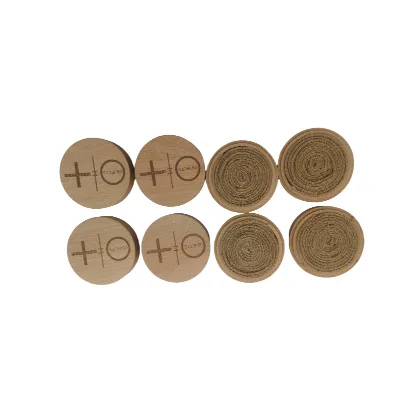

Custom Logo Printed Wooden Wood Jewellery Storage Packaging Jewelry Box
$27.50 - $32.50
MOQ: 1000 Pieces


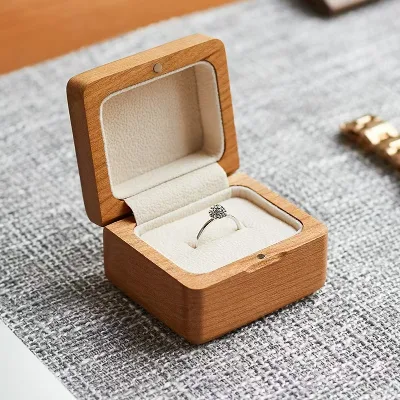


Customized Luxury Gift Ring Box Wedding Storage Display Wooden Jewelry Box
$15.00 - $18.00
MOQ: 100 Pieces

Wooden Jewelry Box Storage Box for Jewelry, Ring Handcrafted Jewelry Storage Box for Gift Wedding
$15.00 - $18.00
MOQ: 100 Pieces


Comprehensive Sourcing Guide
Custom Logo Wooden Ring Box Sourcing Guide
Procuring custom logo wooden ring boxes requires balancing aesthetic customization with structural integrity for retail presentation. The observed market offers diverse options ranging from square and rectangular shapes to unique human-shaped designs, often utilizing solid wood or MDF as the primary substrate. Buyers must verify that the selected manufacturer can accommodate specific branding needs, such as hot stamping or silk printing, while maintaining the desired retro or luxury style.
The supply chain for these items typically originates from manufacturing hubs in Zhejiang and Guangdong, China, where specialized woodworking and finishing processes are concentrated. Sourcing decisions should account for the variety of inner materials, including PU and velvet, which directly impact the perceived value of the jewelry being stored. It is essential to confirm that the supplier's production capabilities align with your specific volume requirements, as observed minimum order quantities can range significantly from 20 to 1000 units depending on the complexity of the design.
Product Scope and Observed Listing Signals
The product landscape for custom wooden ring boxes includes distinct variations in shape, such as square, rectangle, and human forms, each serving different branding narratives. Listings indicate that these boxes are frequently marketed for jewelry, cosmetics, and electronics, suggesting a versatile utility that extends beyond simple storage to include personal decoration and gift-giving scenarios. Buyers should scrutinize the listed style attributes, noting the prevalence of retro, fashion, and luxury designations that influence the final aesthetic appeal of the packaging.
Surface handling techniques observed in the market include screen printing and carving, which are critical for achieving the desired tactile and visual quality. The outer finish often involves natural wood tones or lacquer coatings, sometimes topped with PU varnish to enhance durability and moisture resistance. When evaluating listings, purchasers must distinguish between general storage cabinets and specialized jewelry set boxes, ensuring the selected product matches the specific industrial use case and functional requirements of the end consumer.
Technical Specifications to Verify
Dimensional flexibility is a primary technical consideration, as many suppliers offer custom sizing to accommodate various ring sizes and display needs. The observed product models indicate that while some units are designated as medium or square, the majority of listings support fully custom dimensions to fit specific branding strategies. Buyers must explicitly confirm the internal layout and compartmentalization, as the inner material composition, such as velvet or PU lining, dictates the protection level for delicate items during transit and display.
Material composition varies between solid wood and MDF, each offering different structural advantages and cost profiles. Solid wood provides a premium feel and durability, whereas MDF allows for intricate carving and consistent shaping at a lower cost point. Verification of the processing methods, including carving and surface treatments like hot stamping, is necessary to ensure the final product meets the required quality standards. Additionally, the color options, ranging from multicolor to natural and lacquer finishes, must be validated against the brand's visual identity guidelines.
Compliance and Safety Documentation
Safety and environmental compliance are critical for international distribution, particularly when products are intended for personal use or gifting. Some suppliers list adherence to fire retardant standards such as ANSI, EBS, BS, CAL, and EN, which are essential for meeting regulatory requirements in various global markets. Buyers should request specific test reports to confirm that the wood treatments and finishes used in the ring boxes do not contain prohibited substances and meet the necessary flammability ratings for the target destination.
Quality management systems also play a significant role in ensuring consistent product safety and reliability. Certifications like ISO9001 and ISO14001 indicate that the manufacturer operates under established quality and environmental management protocols, which can reduce the risk of defects and non-compliance issues. While some listings mention GRADE A standards or SGS verification, purchasers must independently verify the validity of these claims and ensure that the specific batch of goods being ordered carries the appropriate documentation for customs clearance and retail acceptance.
Cost Drivers and Commercial Terms
Pricing for custom wooden ring boxes is influenced by the complexity of the design, the choice of materials, and the volume of the order. The observed price range spans from approximately 0.96 to 110 USD, reflecting the vast difference between simple MDF boxes and premium solid wood units with intricate carving and luxury finishes. Buyers should analyze the cost structure to understand how factors like custom logos, specific inner linings, and specialized surface handling contribute to the final unit price.
Commercial terms regarding minimum order quantities and lead times are equally important for supply chain planning. The market shows MOQs ranging from 20 to 1000 units, allowing flexibility for both small startups and large retailers. Sample times typically range from 7 to 10 working days, which must be factored into the overall project timeline. Additionally, packing methods, such as standard export cartons or sea/air freight options, will impact the total landed cost and should be negotiated clearly to avoid unexpected expenses during the shipping phase.
Supplier Qualification and Quality Control
Supplier qualification involves verifying the manufacturer's location, production capacity, and history of fulfilling custom orders. Many suppliers are based in Zhejiang Ningbo or Guangdong, China, regions known for their woodworking expertise and export infrastructure. Buyers should assess the supplier's ability to handle custom orders, as indicated by their acceptance of personalized models and specific branding requirements, ensuring they have the technical capability to execute complex designs like human-shaped boxes or detailed carvings.
Quality control processes must be robust to maintain consistency across large production runs. Features such as handmade craftsmanship and environmental-friendly advantages are often highlighted, but these claims require on-site verification or third-party inspection. Establishing clear communication channels for sample approval and pre-shipment inspections is vital to ensure that the final products match the agreed-upon specifications regarding color, shape, and finish. Regular audits of the supplier's facilities can help mitigate risks associated with quality deviations and ensure long-term reliability.
Long-Term Procurement Checks
Sustaining a successful procurement relationship requires ongoing monitoring of supplier performance and product consistency over time. Buyers should regularly review the supplier's ability to maintain the specified standards, such as fire retardancy and material quality, as these attributes can degrade if production processes are not strictly controlled. Establishing a feedback loop for quality issues and ensuring that the supplier remains responsive to changes in design or material requirements is essential for adapting to market trends.
Future-proofing the supply chain involves verifying that the supplier can scale production while maintaining the high standards of customization and finish. As the brand grows, the ability to handle increased order volumes without compromising on the luxury or retro aesthetic is crucial. Regularly updating the product specifications and re-evaluating the supplier's certifications and compliance status will help ensure that the custom wooden ring boxes continue to meet the evolving needs of the business and the expectations of the end consumers.
FAQs
Can I customize the logo on the wooden ring box?
Yes, custom logo printing is available for these wooden boxes. You can choose from hot stamping or silk printing methods to brand your packaging. This customization allows for unique branding on the exterior surface, ensuring your jewelry or cosmetics stand out. The process supports various design requirements for retail and commercial gifts.
What materials are used for the inner lining of the box?
The inner material typically consists of PU and velvet to protect delicate items. This combination provides a soft, luxurious feel for jewelry and cosmetics storage. The exterior is often made of solid wood or MDF, offering durability. The velvet lining ensures that rings and other accessories remain scratch-free during transport and display.
What is the sample time for a custom order?
The sample time is generally 7-10 working days. This period allows manufacturers to produce a prototype for your approval before mass production begins. It ensures that the size, color, and logo placement meet your specific requirements. Once the sample is confirmed, the production schedule can be finalized for bulk orders.
How are the wooden boxes packed for shipping?
The boxes are packed in standard export cartons to ensure safety during transit. This packaging method protects the items from damage and moisture. For bulk orders, shipping can be arranged by sea or by air depending on your urgency and volume. The export-standard packing helps maintain the product's quality upon arrival at your destination.
What certifications do these wooden boxes have?
These products may carry ISO14001 and ISO9001 certifications, indicating quality and environmental management standards. Some listings also reference SGS and CE standards for safety and compliance. These certifications assure buyers of the manufacturing quality and material safety. Always verify specific certification documents with the supplier for your particular order requirements.
What is the minimum order quantity for these boxes?
The minimum order quantity typically ranges from 20 to 1000 units. This flexibility allows both small businesses and large retailers to place orders that fit their needs. Lower MOQs are suitable for testing new designs, while higher volumes may offer better pricing. Check with the supplier for specific MOQ requirements based on your customization level.