Source Custom Logo Youth Handball for Training and Play
Find 30 options for Custom Logo Youth Handball suitable for indoor and outdoor use. Compare PU and PVC materials, sizes 0-3, and OEM branding to select the right ball for training or competition; compare the available evidence and request quotations based on your requirements.
Key considerations
Products List


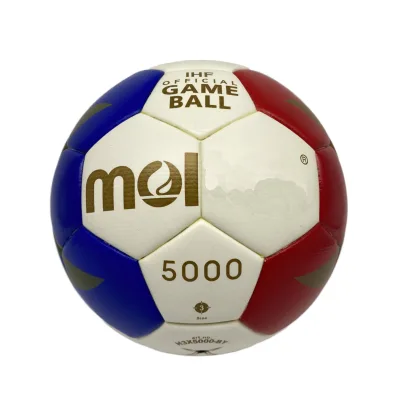
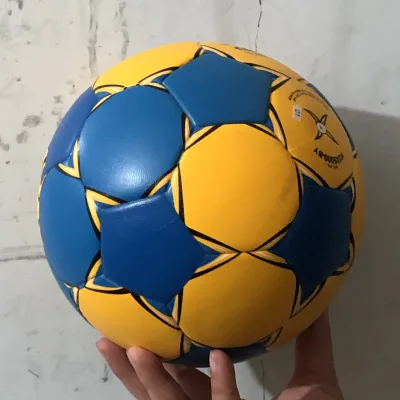
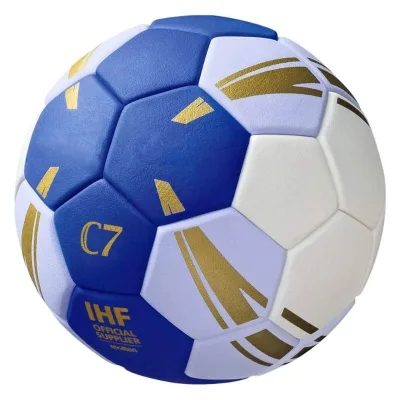
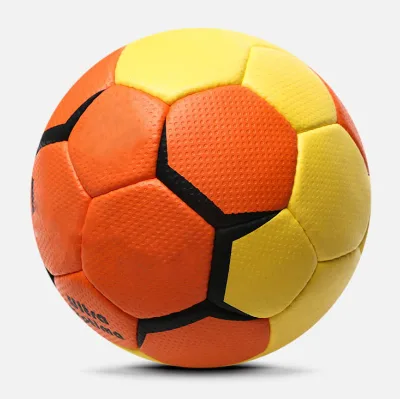
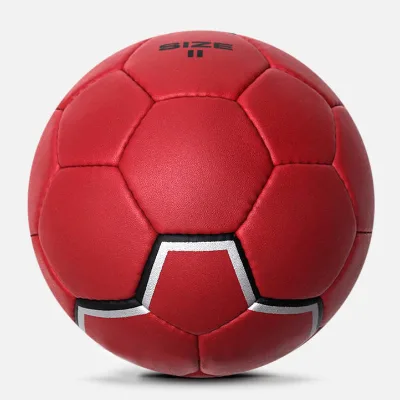
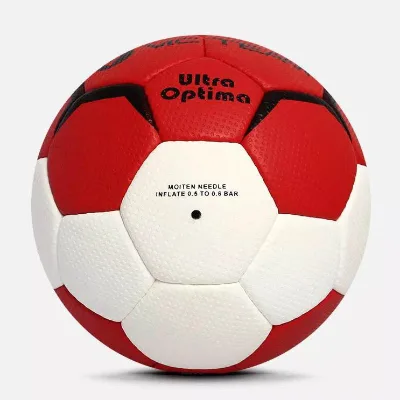
Comprehensive Sourcing Guide
Custom Logo Youth Handball Sourcing Guide
Sourcing custom logo youth handballs requires balancing specific performance needs with branding requirements, as observed listings indicate a market offering both indoor and outdoor variants. Buyers must distinguish between products designed for training environments and those intended for competition, noting that some suppliers list materials like PU for soft touch while others specify Super Fine Strong Fiber for durability. The availability of customization allows for tailored branding, yet the physical attributes such as size and surface texture vary significantly across different product models and intended user groups.
Procurement decisions should prioritize verifying the exact target demographic, as observed data includes options suitable for adults, youth, and kids, alongside specific gender targeting. While some listings highlight a "Medium Hard" touch for training, others specify a "Soft" touch for indoor play, necessitating careful selection based on the intended usage scenario. Buyers should confirm whether the product is designed for racing, entertainment, or professional training, ensuring the selected ball aligns with the specific activity requirements of the youth program or organization.
Product Scope and Observed Listing Signals
The market for custom youth handballs presents a diverse range of specifications, with observed listings showing distinct product models like CTBS20001-6 and HBS01 that cater to different size standards. Buyers will encounter variations in surface materials, including PVC and PU, which directly influence the ball's feel and abrasion resistance. It is critical to recognize that while some products are explicitly marked for outdoor use, others are designated for indoor environments, and these distinctions must be validated before placing an order to ensure suitability for the planned venue.
Listing signals also reveal significant variability in minimum order quantities, ranging from 50 pieces to 500 pieces depending on the supplier and product complexity. Some vendors offer a capacity of 300,000 pieces, suggesting robust supply chains for large-scale branding projects, while others may have lower thresholds for smaller batches. The presence of logo printing options is consistent across listings, but the specific customization methods and design capabilities, such as OEM or ODM services, should be confirmed to ensure the final product meets the organization's visual identity standards.
Technical Specifications to Verify
Technical verification must begin with the physical dimensions, as observed data indicates sizes ranging from 9 inches for baseball-style balls to specific handball standards like 58-62cm. Buyers need to confirm the weight specifications, noting that some listings mention 5oz with customization options, while others focus on size categories like Size 0, 1, 2, or 3. Ensuring the correct size is paramount for youth safety and performance, as using a ball that is too heavy or large can hinder skill development and increase the risk of injury during play.
Surface material and construction methods are equally critical, with listings showing options like hand-sewn processes and various surface textures ranging from soft to medium hard. The abrasion resistance index is another key metric, with some products rated as having strong resistance while others are classified as general. Buyers should request detailed material breakdowns to understand how the surface composition affects grip and durability, ensuring the selected ball can withstand the rigors of the intended training or competition schedule without premature degradation.
Compliance and Safety Documentation
Safety compliance is a non-negotiable aspect of sourcing youth sports equipment, and observed listings reference specific testing standards such as EN71 6p. Buyers must verify that the supplier can provide current test reports confirming the product meets these safety requirements, particularly regarding chemical content and physical hazards. While some listings mention general compliance, the absence of specific certification documents in the initial product description should trigger a request for formal proof of safety before any transaction is finalized.
Documentation should also cover the manufacturing origin and quality control processes, as observed data points to production in China and Guangdong. Buyers should ensure that the supplier maintains a transparent record of their production standards, including any internal testing protocols that exceed basic regulatory requirements. It is essential to confirm that the finished goods have undergone rigorous quality checks to prevent defects that could compromise safety, especially when the end-users are children who may be more susceptible to equipment failures.
Cost Drivers and Commercial Terms
Cost structures for custom youth handballs are heavily influenced by the level of customization, material selection, and order volume. Listings show MOQs ranging from 50 to 500 pieces, which directly impacts the unit price and the feasibility of small-batch branding projects. Buyers should analyze how the choice between standard and custom designs affects the overall cost, as OEM or ODM services often incur additional setup fees that must be factored into the total procurement budget.
Commercial terms also include packaging and logistics considerations, with observed data indicating options like carton packing or individual poly bags for deflated balls. The lead time and capacity of the supplier, such as the noted 300,000-piece capacity, play a significant role in determining delivery schedules and potential rush fees. Buyers must negotiate clear terms regarding payment schedules, shipping responsibilities, and penalties for delays to ensure a smooth supply chain that aligns with their event or season timelines.
Supplier Qualification and Quality Control
Supplier qualification requires a thorough assessment of their production capabilities and history, particularly regarding their ability to handle custom logo applications. Buyers should verify the supplier's experience with specific materials like PU and PVC, ensuring they have a track record of producing consistent quality for youth sports equipment. The presence of customization options like logo printing is common, but the precision and durability of these prints must be validated through sample reviews before committing to a large order.
Quality control processes should be explicitly defined, with buyers requesting details on inspection protocols at various stages of production. Observed listings mention specific product models and standards, but these should be cross-referenced with the supplier's actual quality assurance procedures. It is advisable to conduct pre-shipment inspections to verify that the final products match the agreed-upon specifications for size, touch, and material, ensuring that the delivered goods meet the high standards required for youth athletic programs.
Long-Term Procurement Checks
Establishing a long-term partnership with a supplier involves regular performance reviews and continuous quality monitoring to maintain consistency over time. Buyers should implement a system for tracking product performance in the field, noting any issues related to durability, surface wear, or logo fading that may arise after extended use. This feedback loop is essential for identifying potential supply chain weaknesses and ensuring that future orders continue to meet the evolving needs of the youth program.
Strategic planning for future procurement should also account for market trends and potential changes in material availability or regulatory standards. Buyers must stay informed about updates to safety certifications and industry standards to ensure ongoing compliance. By maintaining open communication with suppliers and regularly reviewing their capacity and performance, organizations can secure a reliable supply of high-quality custom handballs that support their long-term athletic development goals.
FAQs
Can I get Custom Logo Youth Handball with specific sizes?
Yes, Custom Logo Youth Handball is available with OEM or ODM design options. The product supports customization for logos and sizes, including Size 0/1/2/3. This allows buyers to select the appropriate dimensions for youth players while ensuring the branding matches their team or organization requirements effectively.
What material is used for the Custom Logo Youth Handball?
The Custom Logo Youth Handball is made from PU material. This material provides a soft touch suitable for indoor use and offers strong abrasion resistance. It ensures durability during training sessions while maintaining a comfortable feel for players, making it ideal for both youth and adult indoor handball activities.
What is the MOQ for ordering Custom Logo Youth Handball?
The minimum order quantity for Custom Logo Youth Handball is 50 pieces. This low MOQ allows smaller teams or organizations to place orders without excessive inventory pressure. Buyers can customize logos and specifications while meeting the minimum threshold, ensuring flexibility for various procurement needs and budget constraints effectively.
Is the Custom Logo Youth Handball suitable for indoor use?
Yes, the Custom Logo Youth Handball is specifically designed for indoor use. It features a soft touch and strong abrasion resistance index, which are optimal for indoor court surfaces. The PU material construction ensures consistent performance and player comfort during indoor training and competitive matches for youth and adult players.
How is the Custom Logo Youth Handball packed for shipping?
The Custom Logo Youth Handball is packed in cartons for bulk shipping. Individual balls may be packed in poly bags when deflated. This packaging method protects the product during transit and ensures efficient storage. Buyers can rely on standard carton packing for large orders, facilitating easy handling and distribution to end users.
What standards does the Custom Logo Youth Handball meet?
The Custom Logo Youth Handball meets standard size requirements of 58-62cm circumference. It is designed for indoor use with specific size options for different age groups. The product adheres to general quality standards for handball equipment, ensuring safety and performance. Buyers can verify specifications against standard industry guidelines for youth handball.