Source Custom Made Water Spray Truck for Road Cleaning, Dust Suppression, and Irrigation
Find and compare 30 Custom Made Water Spray Truck options from verified Chinese manufacturers. Buyers can evaluate specifications like tank volume, payload, and drive configurations to match road cleaning, dust suppression, and irrigation needs.
Key considerations
Products List


Durable Water Tank Truck with Powerful Water Pump and Spray Cannon
$14000.00 - $15000.00
MOQ: 1 Pieces


Special Water Tanker Truck 4X2 Watering Transport Sprinkler Spray Water Tank Truck
$20000.00 - $22000.00
MOQ: 1 Pieces

Municipal Water Tank Truck with High Pressure Pump and Spray Cannon
$14000.00 - $15000.00
MOQ: 1 Pieces


9cbm Heavy-Duty Water Spraying Truck for Efficient Water Transport
$16000.00 - $18000.00
MOQ: 1 Pieces


Factory Price 4X2 15000L Water Tank Truck 20cbm Water Cart Watering Spray Truck for Sale
$18200.00 - $28900.00
MOQ: 1 Pieces
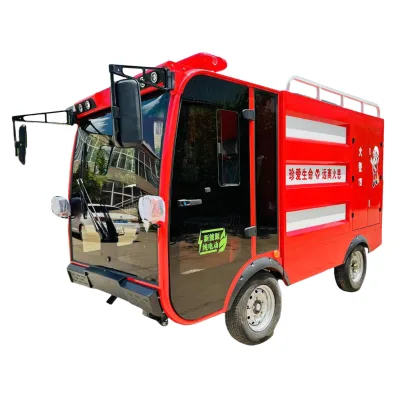
Electric Water Spray Truck Sprinkler Water Tank Fire Truck Potable Water Truck
$2449.44 - $3061.80
MOQ: 1 units


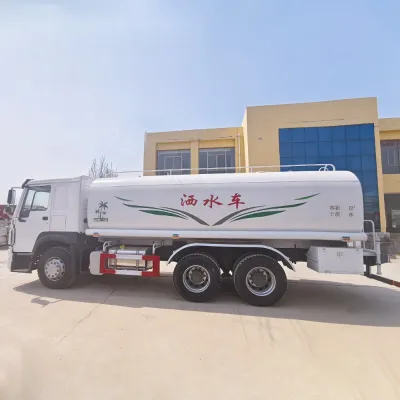
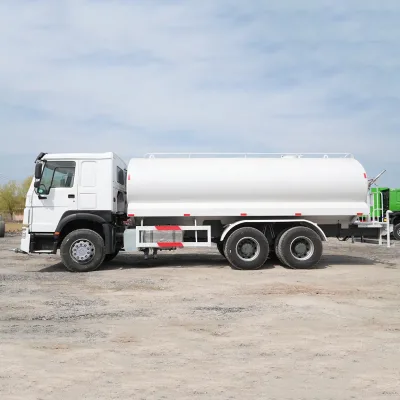


Customizable Fuel-Efficient Long-Range Water Cannon Water Sprinkler Truck
$26000.00 - $28000.00
MOQ: 1 Pieces
Comprehensive Sourcing Guide
Strategic Sourcing Guide for Custom-Made Water Spray Trucks
Understanding the Technical Landscape of Water Sprinkling Vehicles
The procurement of a custom-made water spray truck requires a granular understanding of the vehicle's core technical architecture, as these units are not off-the-shelf consumer goods but specialized industrial assets. The fundamental configuration of these vehicles typically centers on a heavy-duty chassis, often sourced from established manufacturers such as Shacman or Dongfeng (EQ series), which serves as the platform for the water tank and spraying apparatus. The observed market data indicates a significant variance in chassis specifications, with models ranging from the Shacman series to the EQ1256gl6DJ and EQ1160GL6DJ. This variation dictates the vehicle's payload capacity, which is a critical metric for operational efficiency. Buyers must distinguish between units with a payload of 20 tons and those with a rated load capacity closer to 9.5 tons, as this directly influences the volume of water that can be transported per trip.
The tank volume is another pivotal technical specification that varies widely based on the intended application. Data points suggest available configurations ranging from 5,001 to 10,000 liters, extending up to 10,001 to 15,000 liters, and even larger capacities with tank volumes measured in cubic meters, such as 10.3 M3 and 16.30 M3. The physical dimensions of the vehicle are equally variable, with standard lengths observed in the range of 10,110 mm to 11,200 mm, and widths generally standardized around 2,520 mm. The height of these units typically falls between 3,150 mm and 3,250 mm. When evaluating a custom order, the buyer must verify the wheelbase configuration, which impacts maneuverability. Observed wheelbases include configurations like 4,350+1,350 mm, 4,750+1,350 mm, and 5,850+1,350 mm, reflecting the need for different axle arrangements to support the heavy loads of the water tank.
The propulsion system is another area requiring precise verification. The majority of units in the observed dataset utilize diesel engines, with engine capacities varying from less than 4 liters to the 4 to 6-liter range. The transmission type is predominantly manual, and the drive wheel configurations are typically 4×2 or 6×4, depending on the gross vehicle weight and the required traction for specific terrains. The maximum speed for these vehicles is generally capped between 88 km/h and 105 km/h, which is standard for heavy commercial vehicles designed for road maintenance rather than high-speed transit. The total mass of the vehicle, including the water load, can reach up to 25,000 kg, necessitating a robust suspension and braking system. Buyers should also note the approach and departure angles, which typically range from 15/6 degrees to 15/9 degrees, indicating the vehicle's capability to handle uneven road surfaces without undercarriage damage.
Compliance, Certification, and Regulatory Standards
Navigating the regulatory landscape is essential for any procurement of commercial vehicles, particularly when importing from international origins. The primary origin for the custom-made water spray trucks in the current market is China, with specific manufacturing hubs identified in Hubei province. This geographical concentration suggests a mature supply chain, but it also necessitates rigorous verification of export compliance and destination-country import regulations. The vehicles are generally supplied in a "new" condition, which simplifies the initial inspection process but does not exempt them from safety and environmental standards.
Certification requirements vary significantly based on the target market. The observed product data lists certifications such as ISOCCC and CCC (China Compulsory Certification). The CCC mark is a mandatory requirement for vehicles sold within the Chinese domestic market, indicating that the vehicle meets specific safety and quality standards set by Chinese authorities. However, for international buyers, the presence of CCC alone may not be sufficient. Buyers must verify if the manufacturer holds additional international certifications, such as ISO 9001:2015, which is a background standard often associated with quality management systems in the industry, though its specific application to the final product must be confirmed on a case-by-case basis. The emission standards are another critical compliance factor; the data references "Euro Engine" standards, which implies compliance with European emission regulations. However, the exact Euro standard (e.g., Euro 4, Euro 5, or Euro 6) is not explicitly defined in the general product attributes and must be confirmed with the supplier to ensure compatibility with local environmental laws.
Furthermore, the vehicle's standard dimensions and specifications must align with the road regulations of the destination country. The observed prod_standard values include specific dimensional codes like 7560 and 812025203250, which likely refer to specific chassis or body configurations. In many jurisdictions, the Gross Vehicle Weight (GVW) is strictly regulated. The data shows GVW figures ranging from 11,995 kg to 25,000 kg. A vehicle with a GVW of 25,000 kg may require special licensing or permits to operate on public roads in certain regions. Buyers must ensure that the specific model selected, such as the EQ1256gl6DJ or Shacman variants, meets the local weight limits and dimensional restrictions for the intended route. Failure to verify these standards can result in the vehicle being deemed non-compliant, leading to fines or an inability to operate the fleet.
Cost Drivers and Pricing Dynamics in Custom Manufacturing
The pricing structure for custom-made water spray trucks is complex and driven by a multitude of variables, making it difficult to establish a single market price. The observed price range in the market spans from approximately $46.90 to $76,000. This vast disparity indicates that the lower end of the spectrum likely represents smaller, less specialized units, perhaps with lower tank volumes or simpler chassis configurations, while the upper end reflects heavy-duty, fully customized vehicles with advanced features, larger capacities, and premium chassis brands. It is crucial for buyers to understand that the "custom made" aspect significantly influences the final cost. Unlike standard inventory items, custom orders involve engineering time, specific material sourcing, and unique assembly processes, all of which contribute to the price.
The primary cost drivers include the chassis brand and model, the tank material and volume, and the complexity of the spraying system. A Shacman chassis may command a different price point compared to an EQ chassis, depending on the perceived durability and local availability of spare parts. The tank volume is a direct cost factor; a 16.30 M3 tank will inherently cost more than a 10.3 M3 tank due to the increased material usage and structural reinforcement required. Additionally, the customization options, such as the color (which is listed as optional) and specific sprinkling areas (ranging from 8-12m to 12-16m), add to the manufacturing complexity. The sprinkling angle being adjustable is a feature that adds value but also increases the cost of the hydraulic and nozzle systems.
Another significant factor is the packaging and delivery terms. The observed prod_packing is listed as "Nude," which means the vehicle is shipped without a protective crate, relying on the robustness of the vehicle itself and the shipping method for protection. This can reduce initial packaging costs but may increase the risk of transit damage if not handled correctly. The lead time is another cost consideration; the standard delivery time is noted as 30 days after payment. This relatively short lead time suggests a streamlined production process, but buyers should be aware that custom orders might extend this timeline if specific modifications are required. The Minimum Order Quantity (MOQ) is observed to be 1, which is favorable for buyers looking to purchase a single unit for fleet expansion or specific project needs, avoiding the need to commit to large bulk orders.
Operational Applications and Performance Requirements
The versatility of custom-made water spray trucks is evident in their diverse range of applications, primarily focused on road cleaning and dust suppression. These vehicles are designed to maintain public infrastructure and ensure environmental compliance in urban and industrial settings. The sprinkling area, which can range from 8 to 12 meters or 12 to 16 meters, determines the efficiency of the vehicle in covering wide road surfaces. The spraying angle is adjustable, allowing operators to tailor the water distribution to specific needs, such as targeting narrow lanes or covering broad highways. This flexibility is crucial for municipal departments and private contractors who need to adapt to varying road conditions and weather patterns.
The payload capacity and tank volume directly correlate with the operational efficiency of the vehicle. A truck with a 20-ton payload and a 16.30 M3 tank can cover significantly more ground before needing to refill, reducing the frequency of trips to water sources and increasing overall productivity. Conversely, smaller units with lower payloads and tank volumes may be more suitable for residential areas or sites with weight restrictions. The high-speed capability of up to 105 km/h allows these vehicles to travel quickly between job sites, minimizing downtime. However, the maximum operating speed is often limited to 88 km/h in practical scenarios to ensure safety and fuel efficiency.
The occupancy of the vehicle, typically ranging from 2 to 3 persons, is another operational consideration. A crew of two or three allows for efficient operation, with one driver and one or two operators managing the spraying equipment. The number of axles, usually three, provides the necessary stability for heavy loads, while the axle load distribution (7,000/18,000 kg for two-axle groups) ensures that the weight is evenly distributed to prevent road damage. The number of tires, typically 10, further contributes to the vehicle's stability and load-bearing capacity. Buyers should evaluate these operational parameters against their specific use cases to ensure the selected vehicle can meet the demands of their intended application, whether it be for dust control in mining areas, street cleaning in cities, or fire suppression support in industrial zones.
Supplier Evaluation and Quality Assurance Protocols
Selecting the right supplier for a custom-made water spray truck is a critical step that goes beyond simply comparing prices. Buyers must conduct a thorough evaluation of the supplier's capabilities, focusing on their manufacturing standards, quality control processes, and after-sales support. The origin of the vehicles, primarily Hubei, China, indicates a region with a strong automotive manufacturing base, but the specific capabilities of individual factories can vary. Buyers should verify the supplier's production capacity and their ability to handle custom orders within the stated 30-day lead time.
Quality assurance is paramount, especially given the complex nature of these vehicles. The "new" condition of the products suggests they are freshly manufactured, but buyers must ensure that the quality control measures in place are robust. This includes verifying the integrity of the chassis, the welding quality of the tank, and the functionality of the spraying system. The presence of certifications like CCC and ISOCCC is a positive indicator, but buyers should request detailed quality inspection reports and test results for the specific batch of vehicles they intend to purchase. The absence of specific test data in the general product attributes means that buyers must actively request this information from the supplier.
Supplier evaluation should also include a review of their customization capabilities. The "Custom Made" attribute indicates that suppliers are willing to tailor the vehicle to specific requirements, but the extent of this customization varies. Buyers should discuss their specific needs in detail, including the desired tank volume, sprinkling area, and any special features required for their application. The supplier's ability to provide a detailed engineering proposal and a clear timeline for the customization process is a key indicator of their professionalism. Additionally, buyers should inquire about the supplier's warranty terms and after-sales support, including the availability of spare parts and technical assistance. A reliable supplier should be able to provide a comprehensive support package that ensures the long-term reliability of the vehicle.
Long-Term Procurement and Lifecycle Management
The procurement of a custom-made water spray truck is not a one-time transaction but the beginning of a long-term relationship that involves ongoing maintenance, operational efficiency, and lifecycle management. Buyers should consider the total cost of ownership (TCO) rather than just the initial purchase price. Factors such as fuel consumption, maintenance costs, and the availability of spare parts play a significant role in the long-term viability of the vehicle. The diesel engine, with capacities ranging from less than 4 liters to 6 liters, will have specific fuel consumption rates that depend on the load and driving conditions. Buyers should request fuel efficiency data from the supplier to estimate operational costs accurately.
The durability of the vehicle is another critical consideration. The chassis model, such as the Shacman or EQ series, is designed for heavy-duty use, but the actual lifespan depends on the quality of the materials used and the maintenance practices of the operator. The tank volume and material quality will affect the vehicle's resistance to corrosion and wear, especially in harsh environments. Buyers should ensure that the tank is made from high-quality materials that can withstand the rigors of daily use. The packaging method, listed as "Nude," suggests that the vehicle is designed to be robust, but proper handling during transit is essential to prevent initial damage.
Long-term procurement also involves planning for future upgrades and modifications. As operational needs change, the vehicle may require additional features or modifications. A supplier that offers a flexible customization service can be a valuable partner in this regard. Buyers should establish a clear communication channel with the supplier to discuss potential future needs and ensure that the vehicle is designed with scalability in mind. Finally, buyers should develop a comprehensive maintenance schedule that includes regular inspections, fluid changes, and system checks to maximize the vehicle's lifespan and ensure safe operation. By focusing on these long-term considerations, buyers can make informed decisions that align with their strategic goals and operational requirements.
FAQs
What is the delivery time for a Custom Made Water Spray Truck?
Shipped in 30 days after payment. This lead time applies to standard custom orders, though specific modifications may require additional time for engineering and assembly.
Which certification standards apply to these water trucks?
Products carry ISOCCC and CCC certifications. These indicate compliance with specific safety and quality standards, though international buyers should verify if additional export certifications are needed.
Can I order a Custom Made Water Spray Truck with a 20-ton payload?
Yes, models with a 20-ton payload are available. This capacity allows for transporting large volumes of water, making it suitable for extensive road cleaning and dust suppression projects.
What is the minimum order quantity for these vehicles?
The minimum order quantity is one unit. This allows buyers to purchase single vehicles for fleet expansion or specific project needs without committing to bulk orders.
How large is the water tank on these custom trucks?
Tank volumes range from 5001 to 15000 liters, with some models reaching 16.30 cubic meters. The specific volume depends on the chassis model and customization requirements selected.
What is the origin location for these water spray trucks?
Products originate from China, specifically Hubei province. This region hosts a mature supply chain for manufacturing heavy-duty commercial vehicles and specialized water trucks.
Which engine capacity options are available for these trucks?
Engine capacities vary from less than 4 liters to the 4 to 6-liter range. Most units utilize diesel fuel with manual transmission types for heavy-duty operational efficiency.