Source Custom Print Pre-Open Bags for Electronics, Food, and Gifts
Find 30 options for custom print pre-open bags suitable for electronics, food, and gift packaging. Compare LDPE and kraft paper materials, zipper closures, and customization services from China-based suppliers to find the right fit for your business needs; compare the available evidence and request quotations based on your requirements.
Updated
Key considerations
Products List


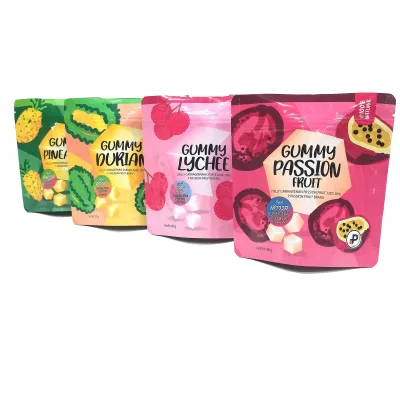
Gift Bag Packaging Bag Coffee Packing Bag Stand up Pouch Bag Custom Printing Bag
$0.10 - $0.50
MOQ: 10000 Pieces

Gift Bag Packaging Bag Coffee Packing Bag Stand up Pouch Colorful Custom Printing Bag
$0.10 - $0.50
MOQ: 10000 Pieces

Gift Bag Packaging Bag Coffee Packing Bag Stand up Pouch Custom Logo Printing Bag
$0.10 - $0.50
MOQ: 10000 Pieces








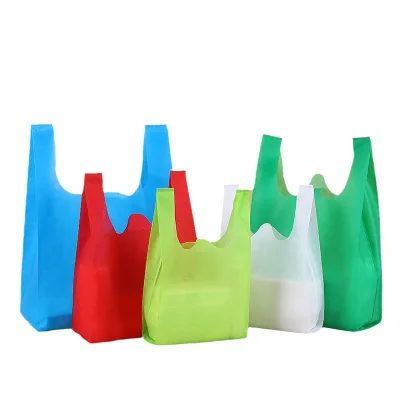
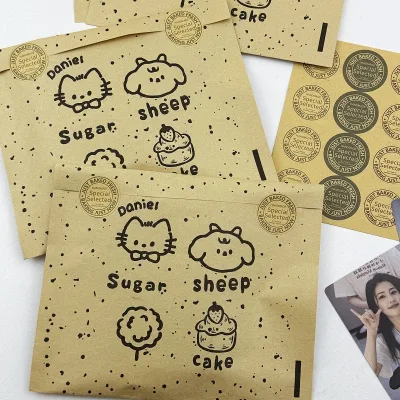
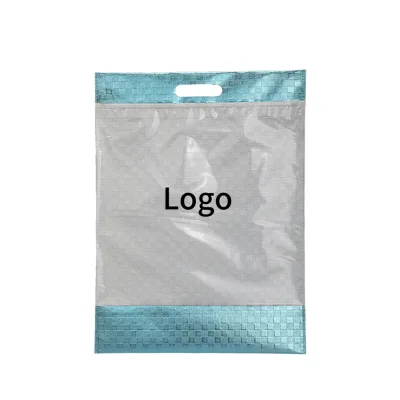


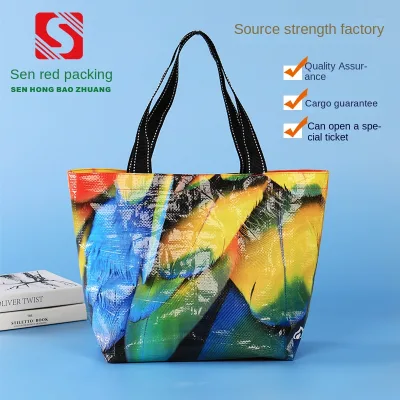
Comprehensive Sourcing Guide
Custom Print Pre-Open Bag Sourcing Guide
Procuring custom print pre-open bags requires a careful balance between aesthetic branding and functional utility, particularly for industries ranging from electronics to food packaging. Buyers must first define the specific material requirements, as observed listings indicate a diversity of options including high-pressure polyethylene, LDPE, and even kraft paper variants. The decision between transparent and non-transparent finishes directly impacts product visibility and perceived value, while the choice of sealing method—whether zipper closure, heat seal, or side gusset—determines the bag’s reusability and structural integrity. Understanding these foundational attributes is critical before engaging with suppliers, as they dictate the manufacturing process and final cost structure.
The customization landscape for these bags is extensive, with many suppliers offering gravure printing, heat transfer, and logo printing services to meet specific brand identity needs. However, the availability of such services often comes with minimum order quantities that can range significantly, from small trial orders to bulk commitments of fifty thousand pieces or more. Buyers should also consider the bag’s intended application, whether for shopping, gift packaging, or industrial use, as this influences the required weight-bearing capacity and durability. Aligning the product’s physical characteristics, such as thickness and shape, with its end-use ensures that the final packaging solution meets both marketing goals and practical handling requirements.
Product Scope and Observed Listing Signals
The market for custom print pre-open bags encompasses a wide array of product types, including upright bags, side gusset bags, and straight bags, each serving distinct packaging needs. Observed data highlights specific models like JK and KPB, which may correspond to different structural designs or capacity standards such as 500G, 1KG, or 2KG. These variations are crucial for buyers who need to match packaging dimensions to their product sizes, ensuring optimal protection and presentation. The presence of features like perforations and auto-opening mechanisms suggests a focus on user convenience, particularly in retail or self-service environments where ease of access is paramount.
Additionally, the observed listings reveal a strong emphasis on sustainability and environmental responsibility, with many products marketed as biodegradable, recyclable, or eco-friendly. This trend aligns with growing consumer demand for sustainable packaging solutions, making it essential for buyers to verify the actual material composition and certification status of these claims. The use of materials like LDPE and kraft paper offers different benefits, with plastics providing waterproof and mildewproof properties, while paper options may appeal to brands seeking a natural aesthetic. Buyers should carefully review the product attributes to ensure that the selected bag type meets both functional performance standards and corporate sustainability goals.
Technical Specifications to Verify
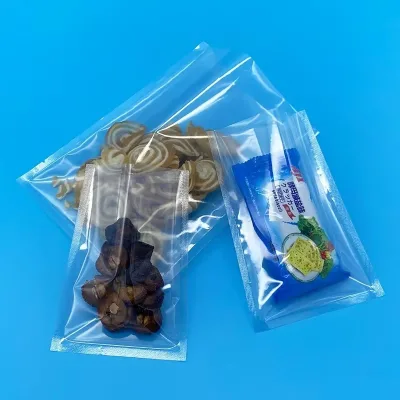
When evaluating technical specifications, buyers must prioritize the material thickness and transparency, as these factors directly influence the bag’s durability and product visibility. Observed listings indicate a thickness of 320μm for certain plastic bags, which provides a robust barrier against moisture and dust, making them suitable for electronic accessories and medical packaging. However, buyers should verify if this thickness is consistent across all product variants, as thinner options may be more cost-effective but less protective. The transparency level, whether non-transparent or transparent, should be chosen based on the need for product display versus brand concealment, ensuring that the packaging aligns with marketing strategies.
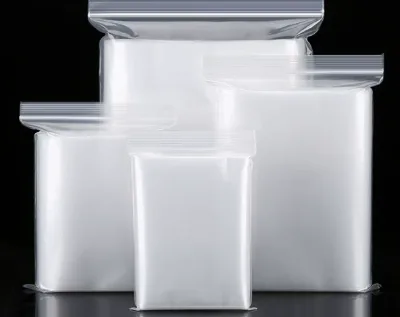
Sealing methods and structural features are equally critical, with options ranging from zipper closures to heat seals and side gussets. These features determine the bag’s reusability and ease of filling, with zipper closures offering convenience for repeated use and side gussets providing stability for heavier items. Buyers should also consider the weight limit, which observed listings suggest ranges from 5 to 10 kg, ensuring that the bag can withstand the intended load without tearing. Additionally, the hardness of the material, described as partial hard in some cases, affects the bag’s rigidity and handling, so buyers must test samples to confirm that the tactile experience meets their quality standards.
Compliance and Safety Documentation
Compliance and safety documentation are non-negotiable for buyers sourcing custom print pre-open bags, especially when the packaging is intended for food, medical, or cosmetic applications. Buyers must request certificates of compliance that verify the materials used, such as LDPE or kraft paper, meet relevant safety standards for direct or indirect food contact. It is essential to confirm that the printing inks and adhesives used in the gravure or heat transfer processes are non-toxic and do not leach harmful substances into the packaged goods. This verification protects the buyer from regulatory penalties and ensures the safety of end consumers, particularly in highly regulated markets.
Furthermore, buyers should inquire about the environmental certifications claimed by suppliers, such as biodegradability or recyclability ratings, and request supporting test reports or third-party validations. While some listings advertise eco-friendly attributes, these claims must be substantiated by recognized standards to avoid greenwashing risks. Buyers should also verify the origin of the raw materials, ensuring they are sourced from reputable suppliers who adhere to ethical labor practices and environmental regulations. By demanding comprehensive documentation, buyers can mitigate legal and reputational risks while building trust with their own customers through transparent and responsible sourcing practices.
Cost Drivers and Commercial Terms
Cost drivers for custom print pre-open bags include material selection, printing complexity, and minimum order quantities, all of which significantly impact the final price. Observed listings show a price range of 0-25 USD, but this variance is heavily influenced by the bag’s specifications, such as thickness, size, and the number of colors in the custom print. Buyers should note that higher MOQs, such as 50,000 pieces, often result in lower unit costs, while smaller orders may incur premium pricing due to setup fees for printing plates and machine adjustments. Understanding these cost dynamics allows buyers to negotiate more effectively and plan their inventory budgets accordingly.
Commercial terms also play a crucial role in the total cost of ownership, with factors like packaging method, shipping logistics, and sample availability affecting overall expenses. Many suppliers offer free samples and accept small orders, which can be beneficial for testing quality before committing to large volumes. However, buyers should clarify the terms for sample charges and shipping costs, as these can add up quickly. Additionally, the customization options, such as logo printing and unique sizes, may incur additional fees, so buyers should request detailed quotes that break down all potential costs. Clear communication of commercial terms ensures transparency and prevents unexpected expenses during the procurement process.
Supplier Qualification and Quality Control
Supplier qualification is a critical step in ensuring the reliability and consistency of custom print pre-open bags, requiring buyers to assess manufacturing capabilities and quality control processes. Buyers should verify the supplier’s production capacity, lead times, and ability to handle custom orders, as indicated by the acceptance of customized sizes and designs. It is also important to check the supplier’s experience in producing bags for specific industries, such as food or electronics, to ensure they understand the unique requirements of those sectors. A supplier with a proven track record and robust quality control systems is more likely to deliver products that meet strict specifications and deadlines.
Quality control measures should include regular inspections of raw materials, in-process checks during manufacturing, and final product evaluations before shipment. Buyers should request information on the supplier’s testing protocols, such as tensile strength tests for weight-bearing capacity and seal integrity checks for zipper or heat-sealed closures. Additionally, buyers should consider conducting their own sample testing to verify attributes like waterproof performance, transparency, and print quality. Establishing a clear quality agreement with the supplier, including acceptable defect rates and remediation procedures, helps maintain consistency and reduces the risk of receiving substandard products.
Long-Term Procurement Checks
Long-term procurement checks involve continuous monitoring of supplier performance, market trends, and regulatory changes to ensure ongoing compliance and cost-effectiveness. Buyers should establish key performance indicators (KPIs) to track metrics such as on-time delivery, product quality, and responsiveness to issues, using this data to evaluate supplier reliability over time. Regular audits and feedback sessions can help identify areas for improvement and strengthen the partnership, ensuring that the supplier remains aligned with the buyer’s evolving needs. By maintaining open communication and fostering a collaborative relationship, buyers can secure a stable supply chain and mitigate risks associated with supplier dependency.
Additionally, buyers should stay informed about emerging trends in sustainable packaging and new material technologies that could offer better performance or lower costs. This includes monitoring developments in biodegradable plastics, recycled materials, and innovative printing techniques that enhance brand visibility. Buyers should also review their packaging requirements periodically to ensure they align with market demands and consumer preferences, adjusting their sourcing strategies as needed. By proactively adapting to changes and leveraging insights from long-term procurement checks, buyers can optimize their packaging solutions and maintain a competitive edge in the market.
FAQs
What materials are used for custom print pre-open bags?
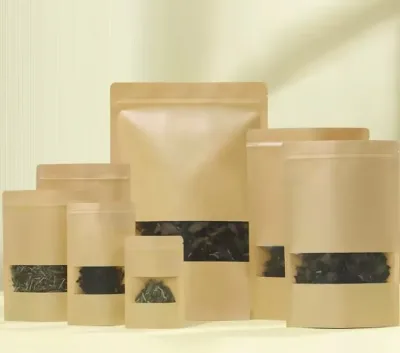
These bags are typically made from High Pressure Polyethylene or LDPE plastic, with some options available in Kraft Paper ranging from 80g to 126g. The material choice depends on the specific application, such as food, medical, or electronic accessory packaging. Customization requests for material type are generally accepted to meet specific durability or eco-friendly requirements.
Can I get free samples for custom printed bags?
Yes, free samples are often available for custom orders. Suppliers typically accept small orders and provide samples to help buyers verify quality before committing to large volumes. This service supports the customization process, allowing clients to check printing details, bag strength, and sealing methods like zipper closures or heat seals prior to mass production.
What is the minimum order quantity for these bags?
The minimum order quantity varies, with observed ranges starting from 50 units up to 50,000 pieces. Specific listings may indicate an MOQ of 50,000 pieces for certain custom printed varieties. Buyers should confirm the exact MOQ with the supplier, as it depends on the bag type, customization level, and production capacity of the manufacturer.
Are these bags waterproof and suitable for food packaging?
Yes, many of these bags offer waterproof performance and are suitable for food packaging applications. They are designed to be mildewproof and dustproof, ensuring product safety. The use for food is explicitly listed, and the materials like LDPE provide the necessary barrier properties. Buyers should verify specific food-grade certifications with the supplier for compliance.
What printing methods are available for custom logos?
Gravure printing and heat transfer are common methods used for custom logo printing on these bags. Suppliers offer logo printing services to enhance brand visibility for shopping, promotion, or gift packaging. The transparency of the bag, whether non-transparent or transparent, can affect the final print appearance, so buyers should discuss design requirements with the manufacturer.
Where are these custom bags manufactured?
These bags are primarily manufactured in China, with specific origins noted in Shandong. The production process involves composite packaging techniques to ensure durability. Buyers sourcing from this region can expect access to a wide variety of bag types, including upright bags, side gusset bags, and straight bags, all customizable to specific size and weight limit requirements.