Source Custom Printed Wedding Guestbook for Gifts, Schools, and Promotions
Source a Custom Printed Wedding Guestbook from 30 verified options. Compare hardcover and perfect binding styles, art paper materials, and surface finishes like matte lamination or spot UV to find the ideal solution for gifts, promotions, and school use; compare the available evidence and request quotations based on your requirements.
Key considerations
Products List


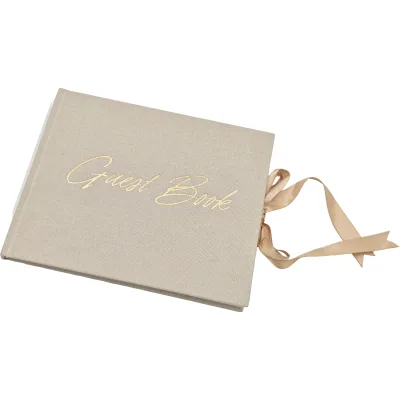


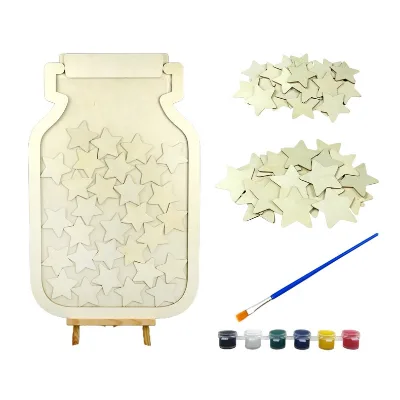
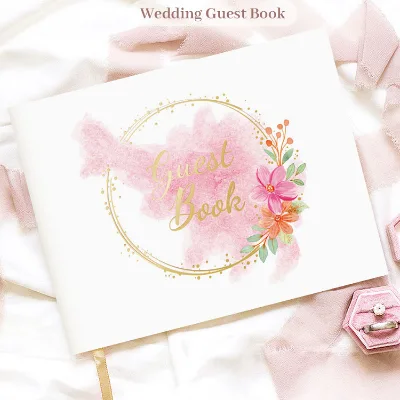
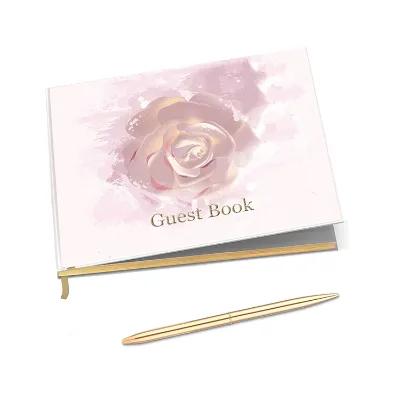
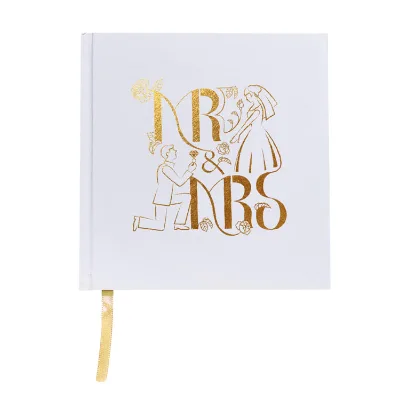
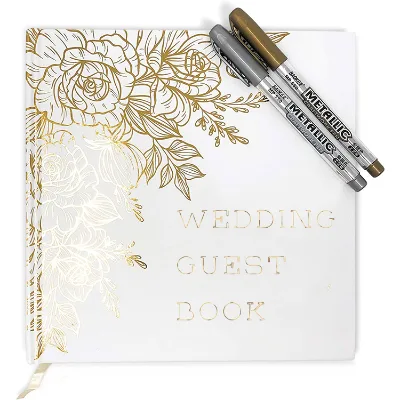
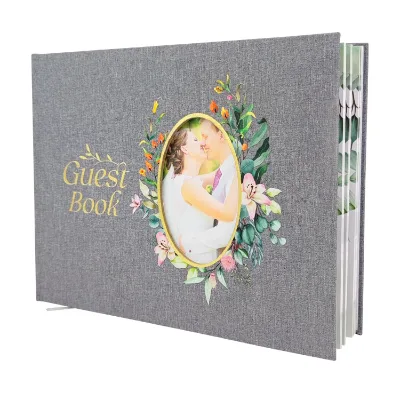
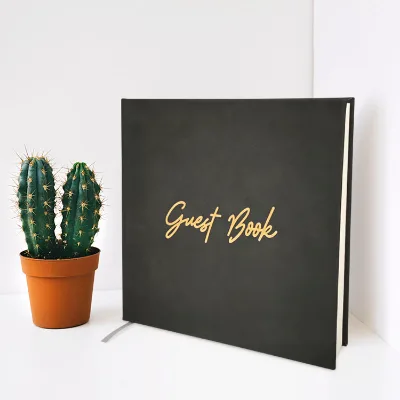

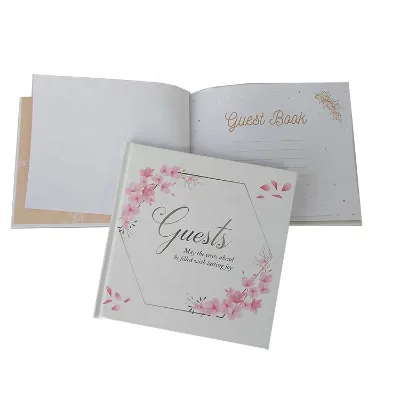
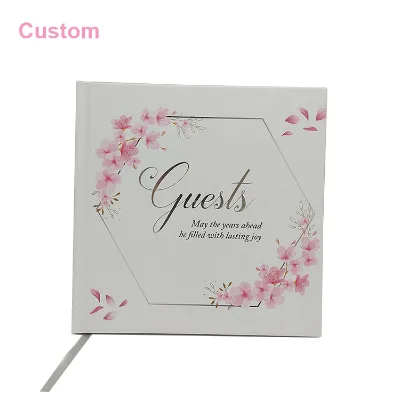

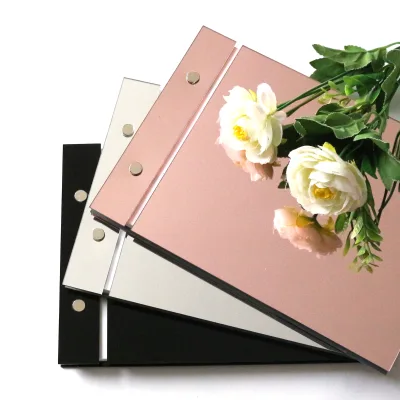
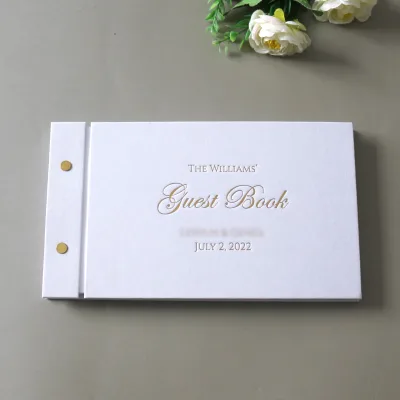


Comprehensive Sourcing Guide
Custom Printed Wedding Guestbook Sourcing Guide
Sourcing high-quality custom printed wedding guestbooks requires a clear understanding of the diverse manufacturing options available in the global market. Buyers must navigate between rigid structural designs and flexible customization capabilities to meet specific aesthetic and functional needs. The observed product landscape reveals a wide spectrum of offerings, ranging from hardcover books with sewing binding to perfect-bound options with varying paper stocks. Understanding these fundamental differences is the first step in defining procurement requirements that align with brand standards and event themes.
Procurement teams should evaluate the interplay between material choices, binding techniques, and surface finishes to ensure durability and visual appeal. The market offers products utilizing matte art paper, gloss art paper wraps, and even fabric or PVC materials, each presenting distinct tactile and visual characteristics. Surface treatments such as hot stamping, matte lamination, and spot UV add premium layers of customization, allowing for intricate branding and elegant finishes. Selecting the right combination of these elements ensures the guestbook serves as a lasting keepsake while meeting the practical demands of high-volume printing and handling.
Product Scope and Observed Listing Signals
The current market for custom printed wedding guestbooks displays significant variation in product types, with hardcover and perfect binding styles being prominent. Listings indicate the availability of books with inner pages ranging from eighty to one hundred twenty sheets, providing ample space for guest signatures and messages. Some models feature specific structural details, such as a twelve-eight GSM gloss art paper wrap over a two-millimeter gray board, ensuring rigidity and a premium feel. These structural choices directly impact the book’s longevity and its ability to withstand repeated handling during wedding events and subsequent storage.
Surface finishing and printing technologies play a crucial role in the perceived value of the final product. Observed listings highlight the use of offset printing on art paper, complemented by advanced surface treatments like film lamination and uncoated finishes. The presence of hot stamping and spot UV techniques suggests a market segment focused on luxury and personalized design. Buyers should note that while some products offer customized sizes and blank or printed inside pages, others adhere to standard dimensions like two-one zero by two-nine seven millimeters, which corresponds to common A4 paper sizes for ease of use.
Technical Specifications to Verify
Verifying paper weight and composition is essential for ensuring the guestbook meets durability and aesthetic expectations. Buyers must confirm whether the cover utilizes hard paper, fabric, or PVC, and whether the inner pages are made from matte art paper, gloss art paper, or offset paper. The binding method, whether sewing binding, perfect binding, or sewn binding, significantly affects the book’s ability to lay flat and resist page detachment. Understanding these material specifications helps prevent issues such as ink bleeding, page curling, or cover warping, which can detract from the overall presentation and user experience.
Surface treatments and finishing options require careful selection to balance visual impact with practicality. Techniques such as matte lamination, spot UV, and hot stamping enhance the cover’s appearance but must be compatible with the underlying paper material. Buyers should verify if the product is uncoated or coated, as this influences ink adhesion and the final texture. Additionally, confirming the exact model numbers and standard sizes, such as two-one zero by two-nine seven millimeters, ensures that the product fits anticipated display or storage requirements. Clear communication of these technical details with suppliers prevents mismatches between design expectations and physical deliverables.
Compliance and Safety Documentation
Ensuring that materials used in guestbook production comply with environmental and safety standards is critical for modern procurement. Buyers should verify if the paper and binding materials adhere to eco-friendly standards, as indicated by some listings. This includes confirming that inks and adhesives are non-toxic and suitable for close contact, especially given the personal nature of wedding keepsakes. Documentation regarding the origin of materials, such as paper sourced from sustainable forests, can add value and align with corporate social responsibility goals.
Safety certifications and material safety data sheets should be requested to ensure compliance with international regulations. Buyers must confirm that the manufacturing process does not introduce harmful substances, particularly when using laminates or coatings. Verifying that the supplier follows recognized quality management systems ensures consistent production standards. Additionally, checking for compliance with specific regional regulations, such as those in the European Union or North America, is necessary if the products are intended for distribution in those markets. Proper documentation mitigates legal risks and enhances brand reputation.
Cost Drivers and Commercial Terms
Several factors influence the final cost of custom printed wedding guestbooks, including material selection, binding complexity, and surface finishing. The use of premium materials like matte art paper, fabric covers, or specialized gray boards increases production costs. Similarly, intricate binding methods such as sewing binding or the application of multiple surface treatments like hot stamping and spot UV add to the expense. Buyers should analyze these cost drivers to determine the optimal balance between quality and budget, ensuring that the chosen specifications deliver the desired value without unnecessary expenditure.
Minimum order quantities and shipping terms also play a significant role in overall procurement costs. Observed listings indicate MOQs ranging from two to one thousand pieces, with some specific models requiring two hundred fifty or one hundred pieces. Understanding these thresholds helps buyers plan inventory and avoid excess stock. Shipping services, including DDP and DDU options, affect logistics costs and delivery timelines. Buyers should negotiate clear terms regarding sample availability, customization fees, and packaging standards, such as export cartons on pallets, to ensure transparent and predictable total landed costs.
Supplier Qualification and Quality Control
Evaluating supplier capabilities is crucial for ensuring consistent quality and reliable delivery of custom printed wedding guestbooks. Buyers should assess the supplier’s experience in producing hardcover and perfect-bound books, as well as their proficiency with various printing and finishing techniques. Requesting samples allows for a physical inspection of paper quality, binding strength, and surface finish accuracy. Suppliers with a track record of producing high-quality products for promotional or gift purposes are more likely to meet the stringent requirements of wedding stationery procurement.
Quality control processes must be clearly defined and agreed upon before production begins. Buyers should inquire about the supplier’s inspection protocols, including checks for printing alignment, color consistency, and structural integrity. Establishing clear acceptance criteria for defects, such as misbinding or surface imperfections, ensures that only products meeting the required standards are delivered. Additionally, verifying the supplier’s ability to handle customized orders, including specific sizes and designs, is essential for achieving the desired aesthetic outcome. Regular communication and clear specifications help minimize errors and ensure satisfaction.
Long-Term Procurement Checks
Establishing long-term relationships with reliable suppliers requires ongoing performance monitoring and periodic quality audits. Buyers should track key performance indicators such as on-time delivery rates, defect rates, and responsiveness to issues. Regularly reviewing supplier performance helps identify potential problems early and ensures continuous improvement. Maintaining open communication channels and providing constructive feedback fosters a collaborative partnership that benefits both parties. This proactive approach helps sustain high standards and ensures that future orders meet evolving requirements and expectations.
Adapting to market trends and technological advancements is essential for staying competitive in the custom printed guestbook market. Buyers should stay informed about new materials, binding techniques, and finishing options that can enhance product appeal. Periodically reviewing and updating procurement specifications ensures that products remain relevant and aligned with customer preferences. Additionally, exploring opportunities for sustainable sourcing and eco-friendly materials can enhance brand value and meet growing consumer demand for responsible products. Continuous evaluation and adaptation help secure long-term success and customer satisfaction.
FAQs
What paper materials are used for custom printed wedding guestbooks?
Custom printed wedding guestbooks typically utilize high-quality art paper, offset paper, or fabric linen for both covers and inner pages. Options include matte art paper wrapped over gray board for hardcovers or uncoated paper for a natural feel. These materials ensure durability and a premium tactile experience suitable for long-term preservation of guest signatures and memories.
Can I customize the size and binding of my guestbook?
Yes, customization is available for size, binding, and style. Standard dimensions like 210x297mm are common, but customized sizes are also offered. Binding options include sewing binding, perfect binding, or sewn binding to ensure pages stay secure. You can select hardcover styles with various finishes to match your specific wedding theme and aesthetic preferences perfectly.
What surface finishes are available for the cover design?
Several surface finishes enhance the visual appeal of the cover, including hot stamping, matte lamination, spot UV, and film lamination. These treatments protect the cover while adding texture and shine. You can choose uncoated options for a natural look or apply glossy finishes for vibrant color reproduction, ensuring the design stands out beautifully.
What is the typical MOQ for ordering custom guestbooks?
The minimum order quantity varies by supplier but generally ranges from 2 to 1000 pieces. Some vendors offer low MOQs starting at 100 or 250 pieces for customized orders. This flexibility allows couples to order small batches for intimate weddings or larger quantities for promotional gifts, ensuring the order fits your specific budget and event scale.
How many inner pages are included in a standard guestbook?
Standard custom guestbooks typically contain between 80 and 120 sheets of inner pages. Some models feature exactly 80 sheets, providing ample space for guest signatures and well wishes. The inner pages can be printed with custom designs or left blank, depending on your preference for a minimalist or decorated layout for your special day.
Where are these guestbooks typically manufactured and shipped from?
These guestbooks are primarily manufactured in China, with production hubs located in Fujian and Guangdong provinces. Suppliers offer various shipping services, including DDP and DDU options, to facilitate international delivery. Export cartons are used for packaging, ensuring safe transit. Buyers can select suppliers based on location preferences and logistical requirements for their specific region.