Source Custom Printed Weighted Horse Blanket for Travel, Home, and Winter Use
Find 30 listings for Custom Printed Weighted Horse Blanket options suitable for travel, home, and seasonal protection. Buyers can compare models like horse fly sheets and summer cooling blankets with features such as sunscreen and warm capabilities.
Key considerations
Products List


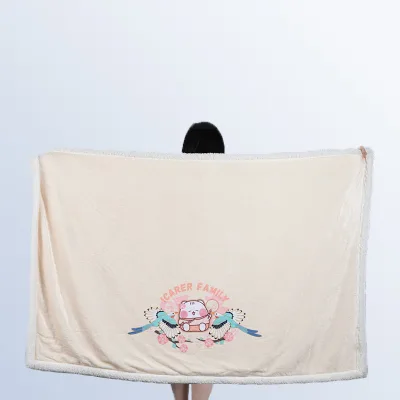


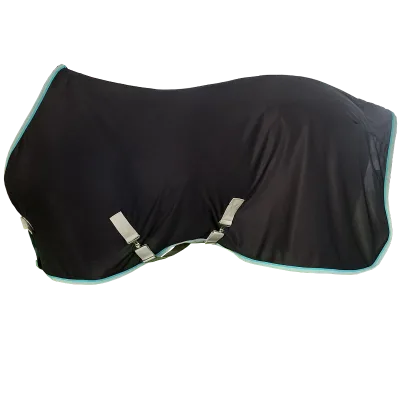
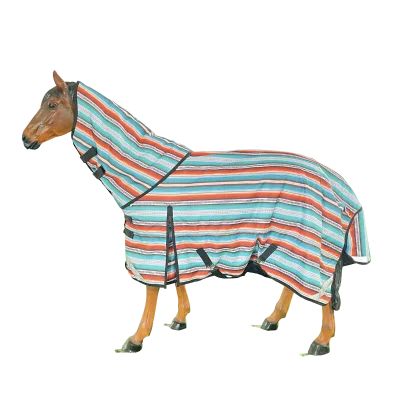


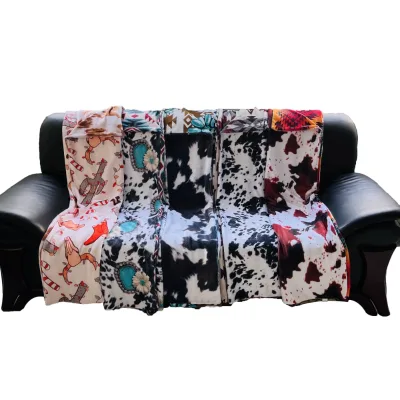


Comprehensive Sourcing Guide
Strategic Sourcing Guide for Custom Printed Weighted Horse Blankets
The global market for equine care products has seen a significant shift toward specialized, custom-manufactured solutions that address both animal welfare and specific owner branding needs. For procurement professionals and stable managers seeking a Custom Printed Weighted Horse Blanket, the sourcing process requires a nuanced understanding of material science, manufacturing capabilities, and supply chain logistics. This guide synthesizes available product data and industry standards to provide a disciplined framework for evaluating potential suppliers and specifications. The focus remains on verifying observable attributes rather than relying on unverified marketing claims, ensuring that procurement decisions are grounded in factual product characteristics.
Understanding Product Specifications and Material Composition
The foundation of any successful procurement strategy for horse blankets lies in a precise definition of technical specifications. Based on the observed product data, the core material composition for these items varies significantly between suppliers, with Nylon and Polyester/Cotton blends being the primary options identified. Nylon is frequently cited as a key material, offering durability and resistance to abrasion, which is critical for equine gear subjected to frequent movement and environmental exposure. Conversely, some listings indicate a Polyester/Cotton blend, often referred to in industry standards as "polycotton," which may offer different breathability and softness characteristics.
Size customization is a dominant feature in this category. The data reveals a wide range of standard and custom dimensions, including specific metric standards such as 5050cm, 6060cm, and larger formats extending up to 130*170cm. Additionally, imperial measurements are noted, with sizes ranging from 60" to 88". Buyers must recognize that "Welcome Customized" is a standard offering, meaning the procurement team should provide exact measurements to ensure a proper fit for the specific horse breed and size. The "Weighted" aspect of the core keyword implies a specific construction density, though explicit weight metrics (e.g., grams per square meter) are not universally standardized in the provided data. Therefore, buyers must explicitly request weight specifications from suppliers to ensure the blanket meets the therapeutic or comfort requirements intended for the animal.
Customization Capabilities and Branding Integration
One of the primary drivers for sourcing this specific product is the ability to integrate custom branding and designs. The observed product attributes highlight extensive customization options, including "Full Printed" logos, "Rubber Logo" applications, and "Embroidery." Some suppliers offer a combination of these methods, such as "Printing, Embroidery, Flocking, Custom," allowing for complex design hierarchies. The "Your Design Full Printed" attribute suggests that digital printing capabilities are available, enabling high-fidelity reproduction of logos, patterns, or even full-color artwork on the blanket surface.
The "Pattern" attribute specifically mentions a "Racking Pattern," which may refer to a specific weave or design layout, though this term can vary by manufacturer. Buyers should verify if this pattern is standard or a custom request. Furthermore, the "Style" attribute indicates options for "Plain" or "Customization," suggesting that the base fabric can be altered to suit aesthetic preferences. When evaluating suppliers, it is crucial to confirm the technical feasibility of the desired logo placement and printing method. For instance, rubber logos may offer a different tactile feel and durability compared to full printing, which could affect the longevity of the branding under friction or washing conditions.
Compliance, Standards, and Certification Verification
In the realm of equine products, compliance and safety are paramount, though the provided data contains conflicting or low-confidence information regarding certifications. While some background notes mention ISO 9001 and Oeko-Tex, these are not confirmed as active standards for the specific products listed. The data explicitly lists "5050cm/6060cm/80100cm~130170cm" and "78" as product standards, which likely refer to dimensional tolerances or specific model codes rather than international safety certifications.
Buyers must exercise caution and not assume that a supplier possesses ISO 9001 or Oeko-Tex certification based on general market knowledge alone. Instead, the procurement process should include a direct request for valid, current certification documents. The "prod_standard" field also lists "winter horse rugs" and "polycotton," which describe product types and materials rather than regulatory compliance. To ensure safety, buyers should verify that the materials used (Nylon, Polyester, Cotton) are free from harmful substances, particularly if the blanket is intended for sensitive animals or prolonged contact. The "Age Group" attribute lists both "Adults" and "Children," which may refer to the target market for the blanket's design or the size of the horse, but this ambiguity requires clarification. Procurement teams should demand material safety data sheets (MSDS) to confirm that the dyes and fabrics meet relevant safety standards for animal use.
Cost Drivers and Pricing Dynamics
The pricing landscape for custom printed weighted horse blankets is highly variable, with observed listed prices ranging from $0.89 to $309.97 USD. This wide disparity is driven by several key factors, including material quality, customization complexity, order volume, and shipping logistics. The lower end of the price spectrum likely corresponds to basic, non-customized models or smaller order quantities with minimal branding. In contrast, the higher price points reflect the inclusion of premium materials like high-grade Nylon, complex full-print designs, and potentially higher weight densities for therapeutic benefits.
Minimum Order Quantity (MOQ) is another significant cost driver, with observed ranges spanning from 1 to 1000 units. Suppliers with low MOQs (e.g., 1 unit) may charge a premium per unit to cover setup costs for custom printing and sampling. Conversely, suppliers requiring an MOQ of 1000 units may offer significantly lower unit costs but demand a larger upfront capital investment. Buyers must balance their budget constraints with their inventory needs. The "Custom" packing attribute suggests that packaging costs can also vary; standard polybag or PVC bag packaging may be included, while custom cartons or vacuum packaging could incur additional fees. Understanding these variables is essential for accurate total cost of ownership (TCO) calculations.
Supplier Evaluation and Operational Capabilities
Evaluating potential suppliers requires a thorough assessment of their operational capabilities, particularly regarding customization and production consistency. The data indicates that the product origin is China, which is a major hub for textile manufacturing. However, the specific supplier names and locations are not provided, necessitating a rigorous vetting process. Buyers should look for suppliers who explicitly state "Customization: Available" and "Customized: Customized" as core competencies.
Key evaluation criteria should include the supplier's ability to handle the full range of customization options observed, such as "Full Printed," "Rubber Logo," and "Embroidery." The "Knitting Method" is listed as both "Machine Weaved" and "Stitch Knitting," indicating that different production techniques may be used for different product lines. Buyers should verify which method is used for their specific order, as this affects the drape, flexibility, and durability of the blanket. Additionally, the "Season" attribute lists "Spring, Summer, Winter, Whole Year," suggesting that suppliers may offer blankets suitable for various climates. It is vital to confirm that the specific model ordered matches the intended seasonal use, as a "Summer Cooling Horse Blanket" would differ significantly in material weight and breathability from a "Winter Horse Blanket."
Quality Control and Packaging Standards
Quality control (QC) is critical for ensuring that the final product meets the buyer's expectations. The observed packaging methods include "Vacuum Packaging + Carton," "PVC Bag," "Polybag," and "Custom" options. These variations suggest that packaging can impact the product's protection during transit and its presentation upon arrival. For weighted blankets, proper packaging is essential to maintain the integrity of the internal filling and prevent shifting.
Buyers should establish clear QC protocols that address material consistency, print quality, and stitching durability. The "Feature" attributes listed include "Warm," "Sunscreen," "Anti-Pilling," "Portable," and "Wearable." These claims should be verified through sample testing rather than accepted at face value. For instance, "Anti-Pilling" requires specific fabric treatments or blends to be effective, and "Sunscreen" properties depend on the density and coating of the material. The "Usage" attributes span "Travel," "Home," "Hospital," "Airplane," "Hotel," and "Picnic," indicating a broad application scope. Buyers must ensure that the blanket's construction is suitable for the intended primary use, as a blanket designed for travel may not provide sufficient warmth for winter stabling.
Long-Term Procurement and Supply Chain Considerations
Sourcing custom printed weighted horse blankets is not merely a one-time transaction but a long-term partnership that requires strategic planning. The "Lead Time" and "Location" factors, while not explicitly detailed in the product data, are critical for supply chain stability. Given that the products originate from China, buyers must account for international shipping times, customs clearance, and potential geopolitical disruptions.
To mitigate risks, buyers should consider diversifying their supplier base or establishing a local distribution network if the volume is high. The "Customization" aspect implies that reordering may require maintaining specific design files and material specifications. Buyers should ensure that the supplier has a robust system for archiving these customizations to guarantee consistency across future orders. Furthermore, the "Age Group" and "Suitable For: Unisex" attributes suggest that the product may be marketed to a broad audience, requiring a flexible supply chain that can adapt to changing market demands.
In conclusion, sourcing a Custom Printed Weighted Horse Blanket involves a complex interplay of material selection, design customization, and rigorous quality assurance. By focusing on the verified attributes of material, size, and customization options, and by demanding transparency regarding certifications and pricing structures, buyers can navigate the market effectively. The wide range of observed prices and MOQs underscores the importance of detailed specification and clear communication with suppliers to ensure the final product delivers the desired value and performance.
FAQs
What materials are used for custom printed weighted horse blankets?
The primary materials identified are Nylon and Polyester/Cotton blends. Buyers should verify the specific composition as options vary between suppliers to ensure durability and comfort for the animal.
Can I request custom sizes for these horse blankets?
Yes, customization is available with standard sizes ranging from 50x50cm up to 130x170cm. Buyers must provide exact measurements as the product listing explicitly states that full size customization is welcome.
How can I add my logo to the horse blanket?
Logos can be applied via full printing, rubber logo, embroidery, or flocking methods. Suppliers offer various options including your design full printed styles to meet specific branding requirements.
What is the minimum order quantity for these blankets?
The observed minimum order quantity ranges from 1 to 1000 units depending on the supplier. Lower MOQs may incur higher per-unit costs while larger orders often reduce the price significantly.
Where are these horse blankets manufactured?
The product origin is listed as China. Buyers should account for international shipping logistics and lead times when sourcing these textile products from this specific manufacturing region.
What packaging options are available for the blankets?
Packaging includes polybag, PVC bag, vacuum packaging with carton, or custom options. The choice affects protection during transit and presentation, so buyers should specify their preference before ordering.