Source Customized Cover Coloring Book for School, Gift, and Promotion
Explore 30 options for a Customized Cover Coloring Book suitable for school assignments, promotional gifts, and creative projects. Compare features like hard or soft covers, offset printing, and various binding styles to find the right fit for your needs; compare the available evidence and request quotations based on your requirements.
Key considerations
Products List


Customized Painting Children Coloring Book with Pen Coloring Book Printing
$1.00 - $1.04
MOQ: 500 Pieces


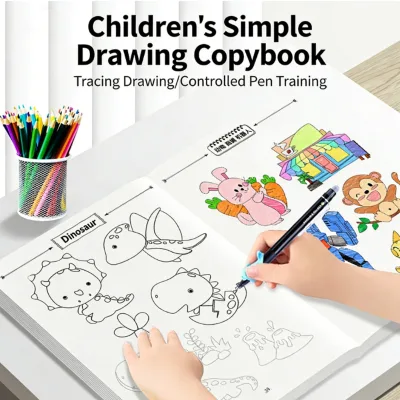
Comprehensive Sourcing Guide
Customized Cover Coloring Book Sourcing Guide
Procuring customized cover coloring books requires balancing creative flexibility with rigorous production standards to ensure the final product meets brand expectations. Buyers must first identify suppliers capable of offering specific customization options, such as unique cover designs and tailored interior layouts, which are essential for differentiation in the promotional and educational markets. The observed market data indicates that customization is a standard capability, allowing for variations in cover materials ranging from soft to hard paper, which directly influences the perceived value and durability of the finished item.
The sourcing strategy should also account for the diverse binding and printing technologies available, as these factors determine the user experience and longevity of the coloring book. Evidence suggests that options like sewing binding, glue binding, and folded leaflet styles are prevalent, each serving different functional needs from heavy-use school supplies to premium gift items. Understanding these technical distinctions is critical before engaging with suppliers, as the choice of binding method impacts both the manufacturing cost and the structural integrity of the book when subjected to repeated use by children or adults.
Product Scope and Observed Listing Signals
The current market landscape for customized cover coloring books reveals a wide spectrum of product types, including composition books, diaries, and children's books, all sharing the core function of providing a surface for creative expression. Listings frequently highlight specific features such as moisture-proof properties and various surface finishes like film lamination or hot stamping, which are crucial for protecting the artwork and enhancing the tactile appeal of the cover. Buyers should note that while some products are designed for promotional usage with specific color schemes like green or CMYK, others are tailored for school or gift applications, necessitating a clear definition of the intended use case before selecting a supplier.
Observed listing signals also indicate significant variability in physical specifications, with paper types ranging from art paper to offset paper and inner page counts varying from 40 to over 120 sheets. This diversity means that a single supplier may offer multiple configurations, requiring buyers to verify that the specific model, such as those labeled with models like ZTCP-Book Printing or MY-388, aligns with their volume and design requirements. The presence of standard sizes like A4 alongside customized dimensions suggests that flexibility is a key selling point, but it also demands precise communication of size and page count expectations to avoid mismatches in the final delivery.
Technical Specifications to Verify
When evaluating technical specifications, the binding method is a primary decision point that affects the book's durability and the quality of the printed content. Buyers must verify whether the supplier utilizes sewing binding with thread, glue binding, or folded leaflet construction, as each method offers distinct advantages for different page counts and usage scenarios. For instance, sewing binding is often preferred for thicker books intended for heavy use, while glue binding may be more cost-effective for thinner promotional items. Confirming the specific binding technique ensures the product will withstand the intended handling without pages detaching or the cover separating prematurely.
Surface finish and coating processes are equally critical for protecting the printed interior and enhancing the visual appeal of the cover. The market offers both coated and uncoated options, with surface finishes including film lamination and hot stamping, which provide different levels of gloss, texture, and resistance to wear. Buyers should explicitly confirm the coating type and finish application, as these processes impact the final look and feel of the coloring book. Additionally, verifying the paper type, whether art paper or offset paper, is essential to ensure the ink absorption and color vibrancy meet the design requirements for the specific coloring book project.
Compliance and Safety Documentation
Safety compliance is paramount when sourcing coloring books intended for children, as these products must adhere to strict regulations regarding materials and inks used in their construction. Buyers should request documentation confirming that the paper, inks, and binding materials meet relevant safety standards for toys and educational products, particularly regarding toxicity and flammability. While specific certification names are not universally listed in general product descriptions, the expectation is that suppliers serving the school and gift markets will provide evidence of compliance with international safety norms to mitigate liability risks.
Beyond material safety, packaging and labeling requirements must be verified to ensure the product meets destination market regulations. The observed data indicates that products are often packed in export cartons with specific quantities, such as 36 pieces per carton, which must align with shipping and retail display needs. Buyers need to confirm that the packaging includes necessary safety warnings and age recommendations if the product is marketed to children. Ensuring that the supplier can provide accurate labeling and compliant packaging documentation is a vital step in the procurement process to avoid customs delays or product recalls.
Cost Drivers and Commercial Terms
The cost of customized cover coloring books is heavily influenced by the complexity of the customization, the quantity ordered, and the specific materials selected. Factors such as the choice between hard and soft cover materials, the type of binding, and the application of special surface finishes like hot stamping or lamination will directly impact the unit price. Buyers should anticipate that higher customization levels, such as unique cover designs or specific interior grid patterns, may incur additional setup costs, which are often amortized over larger order quantities to reduce the per-unit expense.
Commercial terms regarding minimum order quantities (MOQ) and lead times are also significant variables that affect the overall procurement strategy. Market observations show MOQs ranging from as low as 500 pieces to 3000 pieces, with delivery times typically spanning 5 to 7 days for production and 1 to 3 days for sample creation. Buyers must align their order volume with the supplier's MOQ thresholds to secure competitive pricing and ensure timely delivery. Understanding these terms early in the negotiation process helps in planning inventory levels and managing cash flow effectively.
Supplier Qualification and Quality Control
Supplier qualification should focus on verifying their capacity to deliver consistent quality across large production runs while maintaining the flexibility required for customization. Buyers must assess the supplier's experience with specific binding techniques and printing methods, such as offset printing, to ensure they can handle the technical demands of the project. It is essential to request samples that reflect the exact specifications of the intended order, including the chosen cover material, binding style, and surface finish, to validate the supplier's ability to meet quality expectations before committing to a full production run.
Quality control protocols must be established to monitor the production process and ensure the final product matches the approved samples. Buyers should inquire about the supplier's internal quality checks, including inspections for binding strength, print alignment, and material consistency. Given the variability in product types and specifications, a robust quality control plan that includes pre-shipment inspections is necessary to catch any defects early. Establishing clear communication channels for reporting and resolving quality issues is also critical to maintaining a reliable supply chain and ensuring customer satisfaction.
Long-Term Procurement Checks
Establishing a long-term procurement relationship requires regular performance reviews to ensure the supplier continues to meet quality, delivery, and cost expectations over time. Buyers should implement a system for tracking key performance indicators such as on-time delivery rates, defect rates, and responsiveness to customization requests. This ongoing monitoring helps identify any deviations in performance early, allowing for corrective actions before they impact the business. Consistent communication and feedback loops are essential for maintaining a productive partnership and ensuring that the supplier remains aligned with evolving market needs.
Adaptability to market changes and continuous improvement are also vital for long-term success in sourcing customized coloring books. Buyers should encourage suppliers to stay updated on new materials, printing technologies, and design trends that could enhance the product offering. Regularly reviewing the product specifications and exploring opportunities for innovation can help maintain a competitive edge in the market. By fostering a collaborative relationship focused on continuous improvement, buyers can ensure a steady supply of high-quality, customized coloring books that meet the dynamic demands of their customers.
FAQs
Can I customize the cover color for my coloring book?
Yes, customization is available for cover colors and designs. You can select specific colors like green or CMYK to match your brand. The factory supports OEM services, allowing you to apply your logo and unique artwork. This ensures the final product aligns perfectly with your promotional or retail requirements.
What binding options are available for these books?
Several binding methods are offered, including sewing binding, folded leaflet, and glue bound styles. Sewing binding uses durable thread for longevity, while glue bound options provide a cost-effective solution. These choices allow you to select the most suitable structure for your specific book type, whether it is a diary or a composition book.
What is the typical lead time for production?
The standard delivery time is five to seven days after order confirmation. Sample preparation typically takes one to three days. This rapid turnaround supports quick prototyping and fast market entry. Please note that rush orders may require additional coordination to ensure quality standards are maintained during the accelerated production schedule.
What paper types are used for the inner pages?
Inner pages are printed on art paper or offset paper, depending on your preference. Art paper offers a smooth finish suitable for detailed coloring, while offset paper provides a classic writing experience. Both options support high-quality offset printing, ensuring vibrant colors and clear lines for your customized coloring book projects.
Is there a minimum order quantity for customization?
The minimum order quantity is fifty pieces for customized orders. This low MOQ allows small businesses and individuals to test the market with minimal risk. Bulk orders can reach up to three thousand pieces, offering flexibility for various project scales. The factory accommodates both small batches and larger commercial runs efficiently.
How are the books packaged for shipping?
Books are packed in export cartons, typically containing thirty-six pieces per box. The packaging is designed to protect the items during transit. Standard carton dimensions are 430x240x320mm. This secure packaging ensures that your customized coloring books arrive in perfect condition, ready for immediate distribution or retail display without additional handling.