Source Customized Air Inflatable Mascot Costume for Events
Explore 30 listings for the Customized Air Inflatable Mascot Costume suitable for parades, corporate events, and carnival celebrations. Buyers can compare materials, sizes, and customization options from verified suppliers in Guangdong.
Key considerations
Products List
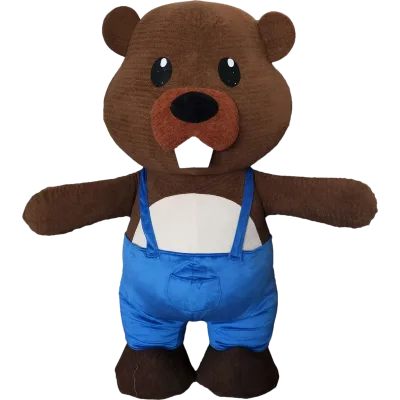


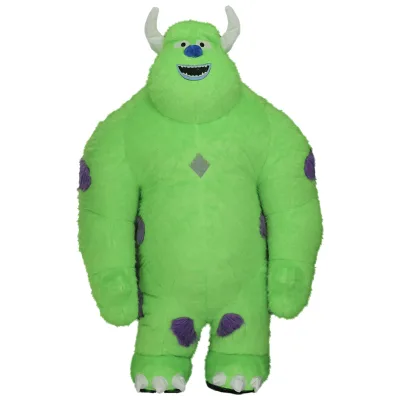
Custom Furry Animal Mascot Costumes Design Inflatable Plush Gorilla Adult Cosplay Suits
$288.00 - $300.00
MOQ: 1 Pieces

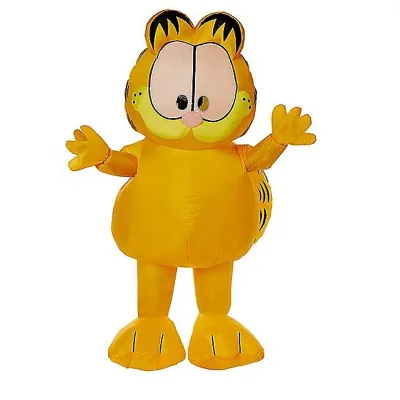
Green Durian Fruits Inflatable Mascot Costume Plush Cosplay Suit for Adults
$175.00 - $180.00
MOQ: 2 Pieces




Comprehensive Sourcing Guide
Strategic Sourcing Guide for Customized Air Inflatable Mascot Costumes
Understanding Product Definitions and Core Specifications
The procurement of customized air inflatable mascot costumes requires a precise understanding of the distinction between traditional plush mascots and their inflatable counterparts. While the core keyword suggests an inflatable product, the available market data reveals a complex landscape where "Mascot costume" and "Inflatable Mascot Costume" are often listed under similar categories, yet possess fundamentally different construction methods. Buyers must first verify whether the product is a static plush suit filled with cotton or foam particles, or a dynamic air-filled structure requiring a fan system. The observed product attributes indicate that some listings describe "super soft plush and waterproof nylon" materials, which are characteristic of traditional mascot suits, while others explicitly mention "EVA" materials and "cool fan" accessories, which are essential for inflatable operations.
When evaluating technical specifications, the size range is a critical variable. The market data indicates a broad sizing spectrum available from XS to 4XL, with specific standard heights noted as 185cm or fully customizable. This variability allows for tailoring the costume to specific brand mascots or character requirements. However, the "Single package size" of 55x55x55 cm and a "Single gross weight" of 7.000 kg suggest that even the inflatable variants are substantial items, likely due to the inclusion of heavy-duty fans, blower units, and reinforced structural panels. The material composition is equally diverse, with listings citing Polyester Fiberfill, Foam Particles, and EVA. For an inflatable costume, the integrity of the material is paramount; the material must be airtight, durable against abrasion, and capable of withstanding the constant pressure of the internal air blower. Buyers should scrutinize the specific material grade, as "Eco-Friendly Material" and "High Quality" are observed attributes but require verification of the specific polymer blend to ensure longevity and safety.
Compliance, Certification, and Safety Standards
Safety is the paramount concern when sourcing inflatable mascots, particularly those intended for use by adults or children in public settings. The observed data includes references to "CE" certification and "EN71" standards, though these are flagged as low-confidence background information. This distinction is crucial for procurement officers; while these certifications are standard for toys and recreational equipment in the European market, their presence on a supplier's page does not guarantee that a specific batch of costumes has been tested and approved. Buyers must not assume compliance based on general keyword associations. Instead, the procurement strategy must involve a direct request for valid, current test reports from accredited third-party laboratories.
For inflatable costumes, the primary safety risks involve the blower system, the structural integrity of the fabric, and the electrical safety of the fan unit. The "cool fan" and "helmet" accessories mentioned in the product attributes are integral to the operation. The fan must be powerful enough to maintain the costume's shape without overheating, and the helmet likely serves as a protective enclosure for the wearer's head and the air intake mechanism. Compliance checks should focus on the electrical safety of the blower, ensuring it meets the voltage and frequency requirements of the destination country. Furthermore, the material itself should be verified for flammability resistance, as large fabric surfaces in public events pose a fire risk. While "Hypoallergenic" and "Anti-Mite" features are listed as attributes, these are comfort claims that should be supported by specific chemical safety data sheets (SDS) rather than assumed. The "Warranty" period of 3 to 5 years observed in some listings is an exceptional claim that implies a high level of durability, but it must be backed by a clear terms and conditions document detailing what constitutes a valid warranty claim.
Cost Drivers and Pricing Dynamics
The pricing for customized air inflatable mascot costumes is influenced by a complex interplay of factors, including material selection, customization complexity, and order volume. The observed price range in the market spans from $25 to $1,074.46 USD, a disparity that reflects the difference between simple, mass-produced designs and highly customized, premium-grade costumes. The lower end of the spectrum likely corresponds to standard designs with minimal customization, while the upper end reflects bespoke character designs, advanced materials like high-grade EVA, and the inclusion of high-performance blower systems.
Material costs are a primary driver. The transition from standard polyester to specialized waterproof nylon or high-density EVA significantly increases the unit cost. Additionally, the "handmade" technique noted in the product attributes suggests a labor-intensive production process, which can inflate prices compared to fully automated manufacturing. Customization is another major cost factor. The "Add logo" and "Customization: Available" attributes indicate that buyers can request specific branding, but the extent of this customization—whether it is a simple printed logo or a complete sculptural redesign—will dictate the final price. The "Minimum Order Quantity" (MOQ) is another variable, with observed ranges from 1 to 150 units. While some suppliers offer single-item orders, the per-unit cost for a single order will be significantly higher than for a bulk order of 150 units. Buyers should anticipate that the "7 days sample order lead time" support may come with a premium, as sample production often requires prioritizing a specific job over the main production line.
Typical Applications and Operational Requirements
The versatility of customized air inflatable mascot costumes makes them suitable for a wide array of commercial and promotional applications. The observed "Holiday" and "Occasion Applicable" attributes highlight their use in "Mardi Gras / Carnival," "Various Large-Scale Activities," and "All Kinds of Banquets and Gatherings." These costumes are particularly effective for brand activation, where the goal is to attract attention and engage with the public in a memorable way. The "Clowns&Circus" theme and "Commercial Performance Art Creation" character suggest that these costumes are often used for entertainment purposes, requiring high mobility and durability.
Operationally, the use of an inflatable costume imposes specific requirements on the user and the event environment. The "cool fan" accessory indicates that the costume requires a continuous power source to remain inflated. This necessitates the availability of electricity at the event location or the provision of portable generators. The "helmet" accessory suggests that the wearer must be protected from the blower mechanism and potentially from external impacts. The "Unisex" and "Adults" age group attributes indicate that the costumes are designed for professional performers or brand ambassadors, rather than casual wear. The "Waterproof" feature is particularly valuable for outdoor events, allowing the costume to be used in varying weather conditions without compromising the internal structure or the wearer's comfort. However, buyers must consider the logistical challenge of transporting and setting up these large items, given the "Single package size" of 55x55x55 cm and the weight of 7.000 kg.
Supplier Evaluation and Production Capabilities
Selecting the right supplier is critical for ensuring the quality and reliability of the customized inflatable mascot costume. The "Supply Type: Oem Service" attribute confirms that suppliers are capable of original equipment manufacturing, allowing for deep customization. However, buyers must verify the supplier's actual production capacity and quality control processes. The "Place of Origin: Guangdong, China" and "prod_origin: China" indicate that the manufacturing hub is in a region known for textile and toy production, which offers a competitive advantage in terms of supply chain efficiency.
When evaluating suppliers, buyers should look for evidence of "handmade" craftsmanship, as this often correlates with higher attention to detail in stitching and assembly. The "7 days sample order lead time" support is a positive indicator of a supplier's agility, but it should be balanced against their ability to handle bulk orders without compromising quality. The "Warranty: 3~5years" claim is a strong differentiator, but it requires a supplier with a robust after-sales service infrastructure to honor such long-term commitments. Buyers should also assess the supplier's experience with "Eco-Friendly" materials, as this is a growing demand in the B2B sector. The "Product Name: Inflatable Mascot Costume" and "Key Words: Custom Mascot Costume" suggest that the supplier specializes in this niche, but buyers must confirm that the specific model numbers, such as "BS-custom mascot 076" or "YUSHI-202607214," correspond to the actual product being ordered and not just a generic listing.
Quality Control and Long-Term Procurement Strategy
Implementing a rigorous quality control (QC) process is essential for mitigating risks associated with inflatable mascot costumes. Given the "Feature: Waterproof, Washable, Hypoallergenic, Eco-Friendly Material, Comfort Support, Antistatic, Anti-Mite" attributes, buyers should establish clear acceptance criteria for each of these claims. For instance, the "Waterproof" claim should be tested by subjecting the material to a water pressure test to ensure no leakage occurs during operation. The "Washable" attribute requires verification that the materials can withstand repeated cleaning without degrading the structural integrity or the color fastness.
Long-term procurement considerations should focus on the lifecycle of the costume. The "Reusable" and "High Quality" material characteristics suggest that these costumes are designed for multiple uses, but the frequency of use and the conditions of use will impact their lifespan. Buyers should develop a maintenance plan that includes regular inspections of the blower system, the fabric for tears or wear, and the electrical components. The "Package: PE bag and export carton" indicates that the packaging is designed for protection during transit, but buyers should also consider the storage requirements for the costume when not in use to prevent mold or damage. Finally, the "Color: As picture" attribute highlights the importance of color accuracy in branding. Buyers should request physical color swatches or digital proofs before finalizing the order to ensure the final product matches the brand's visual identity.
Comparative Analysis of Product Attributes
To facilitate decision-making, the following table summarizes the key attributes observed in the market data, highlighting the distinctions between different product types and their implications for procurement.
| Attribute Category | Observation A (Plush/Static) | Observation B (Inflatable/Dynamic) | Procurement Implication |
|---|---|---|---|
| Material | Super soft plush, Cotton, Polyester Fiberfill | EVA, Waterproof Nylon | Inflatable requires airtight, durable materials; Plush focuses on softness. |
| Filling | Cotton, Foam Particles | Air (via Fan) | Inflatable requires a reliable blower system; Plush is static. |
| Accessory | Helmet (for protection) | Cool Fan, Helmet | Inflatable needs power source; Plush is self-contained. |
| Weight | 7.000 kg (Gross) | 7.000 kg (Gross) | Both are heavy; logistics planning is essential for both. |
| Customization | Logo Add, Color Custom | Logo Add, Model Custom | Both allow branding, but inflatable adds structural complexity. |
| Warranty | 3~5 Years | 3~5 Years | Long warranty implies high confidence in durability. |
| Usage | Mardi Gras, Carnival | Large-Scale Activities, Banquets | Both suitable for events, but inflatable offers higher visibility. |
This comparative analysis underscores the need for buyers to clearly define their operational needs before selecting a supplier. Whether the priority is the tactile experience of a plush costume or the visual impact of an inflatable one, the procurement strategy must align with the specific technical requirements and safety standards of the chosen product type. By adhering to these evidence-based guidelines, buyers can navigate the complex market of customized mascots with confidence, ensuring they secure high-quality products that meet their brand and operational objectives.
FAQs
Can I add my logo to the costume?
Yes, adding a logo is supported for these customized air inflatable mascot costumes. The product attributes confirm that logo customization is available alongside other personalization options like color and size.
What materials are used for the costume?
The costumes are constructed from super soft plush, waterproof nylon, or EVA materials depending on the specific model. Some variants also utilize polyester fiberfill or foam particles for filling to ensure durability and comfort.
Which sizes are available for purchase?
A wide range of sizes is available from XS to 4XL, with specific standard heights of 185cm or fully customizable options. This allows buyers to select the perfect fit for adult performers or specific character requirements.
How long does a sample order take?
A sample order lead time of 7 days is supported by the supplier. This quick turnaround allows buyers to verify quality and design before committing to larger bulk orders for events or commercial use.
What accessories come with the inflatable suit?
The costume typically includes a cool fan and a helmet as essential accessories for operation. These items ensure the suit remains inflated and provide necessary protection for the wearer during commercial performances or events.
Where are these costumes manufactured?
These products originate from Guangdong, China, a region known for textile and toy production. The manufacturing location supports the OEM service capabilities and the supply chain efficiency for customized orders.