Source Woven Pink Nurse Scrubs for Hospitals, Clinics, and Labs
Find 30 options for Woven Pink Nurse Scrubs designed for medical professionals. Compare features like anti-wrinkle fabric, customization, and unisex styles to find the right fit for your team; compare the available evidence and request quotations based on your requirements.
Key considerations
Products List


Pink Polyester Short Sleeves Medical Clothes Uniforms Hospital Nurse Scrubs
$7.99 - $9.99
MOQ: 100 Sets


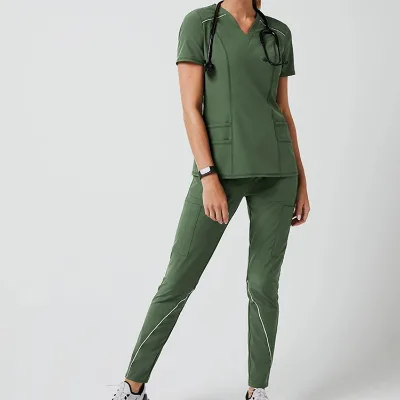
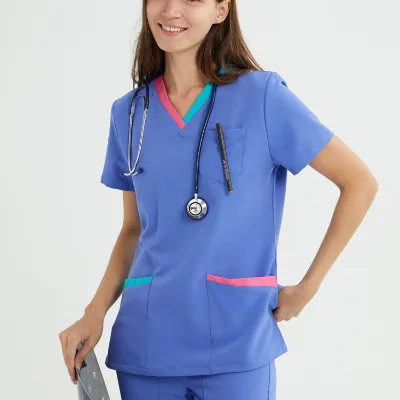
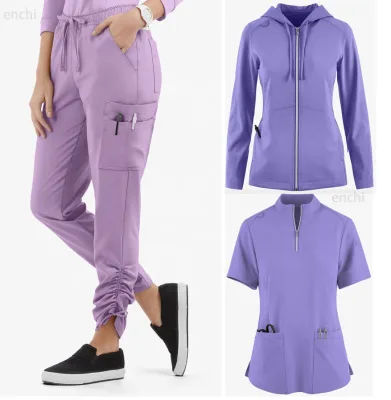
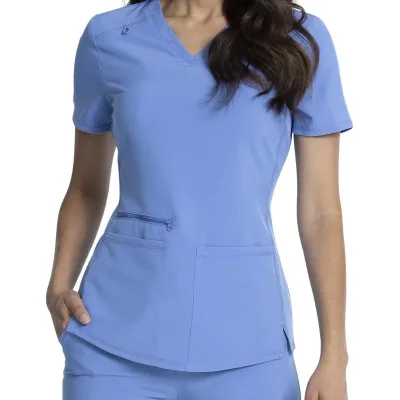


Comprehensive Sourcing Guide
Woven Pink Nurse Scrubs Sourcing Guide
Procurement teams evaluating Woven Pink Nurse Scrubs must first distinguish between single-use disposable variants and durable reusable uniforms based on facility protocols. The observed product data indicates a mix of materials including polyester, cotton, and blends, with specific listings noting features like anti-wrinkle and anti-static properties essential for hospital environments. Buyers should verify whether the pink hue is a standard color option or a custom request, as the available data lists multi-color availability including pink, purple, and blue, suggesting flexibility in branding but requiring confirmation on dye fastness for medical settings.
When assessing the structural design, it is critical to confirm if the garment follows a horse collar, all-in-one, or baggy silhouette, as these impact both comfort and infection control protocols. The listings reveal models with specific size standards ranging from S to XXXL and dimensions like 180/100B, which helps in planning bulk orders for diverse staff sizes. Sourcing decisions should prioritize suppliers who explicitly state their customization capabilities for logos and labels, ensuring the final product aligns with the hospital's visual identity while maintaining the functional integrity required for doctors and nurses.
Product Scope and Observed Listing Signals
The market for Woven Pink Nurse Scrubs presents a diverse range of product models, from the SC006 and SC007 series to specialized items like the T99 and SD series, each catering to different operational needs. Buyers must carefully parse the listed attributes to understand that some products are designed for spring and autumn use, while others are explicitly marked for summer conditions, influencing fabric weight and breathability requirements. The presence of features such as flame retardancy and quick-dry capabilities suggests that certain listings target high-risk clinical areas, necessitating a clear definition of the intended usage environment before placing an order.
Packaging and unit configurations vary significantly across the observed listings, with options ranging from single sets per bag to bulk carton shipments containing 100 sets. This variation directly impacts logistics planning and inventory management, as some suppliers offer standard packaging while others provide custom packing solutions like 5 sets per unit. Procurement teams should verify the exact contents of each package to ensure that the received goods match the order specifications, particularly when dealing with mixed-color orders where pink scrubs might be bundled with other colors or accessories like labels.
Technical Specifications to Verify
Fabric composition is a primary technical variable, with observed listings specifying materials such as pure polyester, cotton, and cotton-polyester blends, alongside non-woven options like PP for disposable variants. Buyers must confirm the exact material ratio for reusable scrubs to ensure durability and comfort, as the blend affects the garment's ability to resist static electricity and maintain shape after repeated washing cycles. The data indicates that some products are ethylene oxide sterilized, a critical specification for sterile environments, while others rely on standard washing protocols, requiring a clear distinction between sterile and non-sterile inventory in the procurement plan.
Dimensional accuracy and fit are equally vital, with specific size standards like 170/92A and 180/100B appearing in the product data alongside general size ranges from S to XXXL. The structural design, whether described as a suit, tops and bottoms, or a baggy style, must align with the ergonomic needs of the medical staff to prevent fatigue during long shifts. Verification of neck styles, such as the V-neck option noted in the listings, is essential for ensuring proper layering and professional appearance, while confirming that the anti-wrinkle and anti-static features are inherent to the fabric weave rather than superficial treatments.
Compliance and Safety Documentation
Safety compliance for medical uniforms often involves verifying specific certifications related to flame retardancy and static control, which are explicitly mentioned in several product listings. Buyers should request test reports confirming that the woven pink scrubs meet the necessary safety standards for hospital environments, particularly regarding the flame-retardant properties observed in the data. It is important to distinguish between products that are inherently flame-resistant and those that may have been treated, ensuring that the safety claims are backed by valid documentation from the manufacturer or an accredited third-party testing facility.
Sterilization status is another critical compliance factor, especially for scrubs intended for use in operating rooms or sterile processing areas. The observed data includes items marked with ethylene oxide sterilization, which requires strict adherence to packaging integrity and expiration date protocols. Procurement teams must ensure that the supplier provides clear documentation on the sterilization process and the validity of the sterility assurance level, as well as confirming that the packaging remains intact until the point of use to prevent contamination risks in the clinical setting.
Cost Drivers and Commercial Terms
Pricing for Woven Pink Nurse Scrubs is influenced by material complexity, customization levels, and order volume, with observed price ranges spanning from $0.75 to $25.90 per unit. The significant variance suggests that basic polyester models are available at the lower end, while specialized features like flame retardancy, custom branding, or specific sterilization processes drive costs higher. Buyers should analyze the cost structure to understand what specific attributes justify the price difference, ensuring that the selected product offers the necessary functionality without unnecessary premium features that do not align with the facility's operational requirements.
Minimum Order Quantities (MOQ) and packaging configurations are key commercial terms that affect the total cost of ownership and inventory strategy. The observed MOQ range of 2 to 10,000 units allows for flexibility, but buyers must negotiate terms that balance cost efficiency with storage capacity. Understanding the packing standards, such as 100 sets per carton or 5 sets per bag, is essential for calculating shipping costs and warehouse space requirements. Additionally, confirming the lead times and production capacity of the supplier is crucial to avoid delays in restocking essential medical uniforms.
Supplier Qualification and Quality Control
Supplier qualification should focus on verifying the origin and manufacturing capabilities, with observed data indicating production in Hubei and other regions of China. Buyers must assess the supplier's ability to handle customization requests, such as logo printing and color matching, as these are explicitly listed as available services. It is advisable to request samples of the woven pink scrubs to evaluate the quality of the stitching, the accuracy of the color, and the durability of the fabric before committing to a large-scale order, ensuring that the supplier can consistently meet the specified technical requirements.
Quality control processes must be robust, particularly for products intended for medical use where hygiene and durability are paramount. Buyers should inquire about the supplier's internal quality assurance measures, including inspections for defects in the anti-wrinkle and anti-static treatments. The presence of specific product models like SC-HNYH and SD series suggests a range of offerings, but the supplier must demonstrate a consistent track record of delivering products that match the described specifications. Establishing a clear communication channel for addressing quality issues and returns is also a critical component of the supplier qualification process.
Long-Term Procurement Checks
Sustaining a reliable supply chain for Woven Pink Nurse Scrubs requires regular audits of supplier performance and product consistency over time. Buyers should monitor the supplier's ability to maintain the specified material properties, such as the cotton-polyester blend ratios and color fastness, across multiple production batches. Establishing a schedule for periodic quality checks and re-testing of samples can help identify any drift in product quality, ensuring that the scrubs continue to meet the hospital's safety and comfort standards throughout the contract period.
Strategic planning for future procurement should include evaluating the supplier's capacity to scale production and adapt to changing needs, such as new color trends or updated safety regulations. The observed data shows a variety of models and features, indicating that the market is dynamic and responsive to different requirements. Buyers should maintain a relationship with the supplier that allows for flexibility in order volumes and specifications, ensuring that the facility can quickly adapt to changes in staffing levels or clinical protocols without compromising the quality or availability of essential medical uniforms.
FAQs
What materials are used for Woven Pink Nurse Scrubs?
The scrubs are primarily made from polyester or cotton/polyester blends. Some options include pure cotton for comfort. These materials ensure durability and breathability for medical professionals. The fabric choice supports daily wear in hospital environments while maintaining a professional appearance for doctors and nurses.
Can I customize the logo on pink nurse scrubs?
Yes, customization is available for these scrubs. You can add your logo through printing services. The supplier offers OEM services to meet specific branding needs. This allows hospitals or clinics to maintain a unified look. Customization options ensure that the scrubs align with your institutional identity and professional standards.
What sizes are available for pink nurse scrubs?
Standard sizes range from S to XXXL. Specific models may include sizes like 170/92A or 180/100B. The sizing standard ensures a proper fit for various body types. Buyers can select the appropriate size based on their requirements. This variety helps in sourcing scrubs that fit both male and female medical staff effectively.
Are pink nurse scrubs suitable for summer use?
Yes, specific models are designed for summer wear. These scrubs feature breathable materials like cotton or polyester blends. Some options include quick-dry and anti-static features. The design ensures comfort in warm environments. This makes them ideal for medical professionals working in hot hospital settings during the summer season.
What is the minimum order quantity for pink scrubs?
The minimum order quantity ranges from 2 to 10,000 sets. This flexibility allows buyers to order small samples or large bulk quantities. The MOQ depends on the specific product model and customization requirements. Buyers can negotiate terms based on their volume needs. This range supports both small clinics and large hospital procurement processes.
How are pink nurse scrubs packaged for shipping?
Packaging varies by model, often including one set per bag. Bulk packaging may contain 100 sets per carton. Some models use standard packaging or carton boxes. The packaging ensures protection during transit. This method helps maintain the quality of the scrubs and facilitates efficient storage and distribution for medical suppliers.