Source Customized Design Wooden Bed for Home Hotel Living Room
Explore 30 listings for Customized Design Wooden Bed options featuring modern and antique styles. Buyers can compare specifications, materials like genuine leather and sponge, and delivery times ranging from 20 to 45 days for various bedroom and living room applications.
Key considerations
Products List


Hot Customized Wood Bedroom Furniture Bed with Modern and Fashion Design Bed
$88.00 - $138.00
MOQ: 10 Pieces


Modern Bedroom Furniture Modern Home Project Home Furniture Wooden Beds
$1010.00 - $1064.00
MOQ: 1 Pieces


Customized Design Room Standards Comfortable Beds Furniture Hotel Bedroom
$730.00 - $900.00
MOQ: 2 Pieces


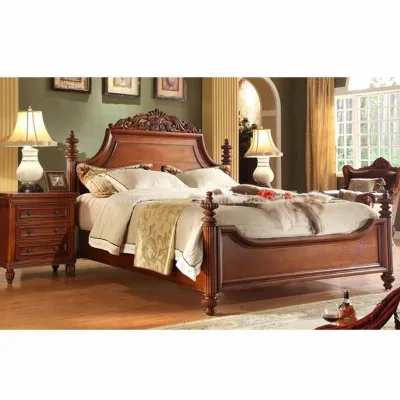

Comprehensive Sourcing Guide
Strategic Sourcing Guide for Customized Design Wooden Beds
Understanding the Product Landscape and Core Attributes
When sourcing customized design wooden beds, buyers must first distinguish between the broad category of bedroom furniture and the specific technical realities of the supply chain. The market offers a diverse array of options ranging from modern minimalist frames to antique-style structures, often blending materials to meet specific aesthetic and functional requirements. Based on current market observations, the core product category includes beds designed for both home and hotel environments, with a strong emphasis on customization capabilities.
A critical observation in the current supply landscape is the variability in material composition. While "Genuine Leather" is a documented attribute for certain high-end models, other listings explicitly cite "Fabric&Leather" combinations or generic fabric materials tailored to client requirements. This indicates that "wooden bed" in this context often refers to the structural frame, while the upholstery and finish are highly flexible. The structural integrity frequently relies on a "Wooden Frame Bed" configuration, which provides the necessary support for various mattress sizes. Buyers should note that the "Kind" of bed observed includes "Flat Bed" designs, which are distinct from adjustable or mechanical bed frames.
The customization aspect is a primary driver for this product category. Suppliers frequently offer "OEM Service" and explicitly state that "Customization" is available. This allows buyers to specify dimensions, finishes, and fabric choices. However, the "Product Style" varies significantly, with listings showing "Modern," "Antique," and "Classic/Modern" options. This diversity means that a single search term can yield vastly different product specifications. For instance, one model might be described as a "Double King Bed" with a "Square" shape, while another is a "Flat Bed" with a "Modern" aesthetic. Understanding these distinctions is vital before initiating a procurement cycle, as the design intent dictates the manufacturing process and the required quality control protocols.
Technical Specifications and Dimensional Standards
Technical specifications for customized wooden beds are not uniform; they vary based on the specific model and the customization requests of the buyer. When evaluating potential suppliers, it is essential to scrutinize the dimensional standards provided. Observed data indicates a range of standard dimensions, including "18002000mm," "15002000mm," and "1200*1900mm." Some listings also reference specific model numbers such as "1018," "UL-JEC-9N0420," and "UL-25WR0295," which serve as unique identifiers for specific production runs.
The thickness of the materials used in construction is another critical technical parameter. Documentation suggests that bed frames and components may utilize materials with "25mm &15mm Thickness." This variance in thickness can impact the durability and load-bearing capacity of the bed. Buyers must verify these measurements against their specific application needs, particularly for commercial settings like hotels where usage intensity is higher than in residential homes.
Furthermore, the "Height Adjustable" attribute is observed as "Unadjustable" in many standard listings, suggesting that most wooden beds in this category are static structures. However, the "Disassembly" feature is a common attribute, with many products designed for "Knock Down Packing." This design choice facilitates shipping and storage, reducing logistics costs. The packing method is often specified as "Carton" or "Knock Down Packing, with Instruction Manual," ensuring that the buyer receives a complete assembly kit. The "Shape" is predominantly "Square," aligning with standard mattress dimensions, but the "Cover" design can be customized for specific activities or aesthetic themes.
| Specification Category | Observed Variations | Verification Requirement |
|---|---|---|
| Dimensions | 12001900mm, 15001900mm, 1800*2000mm | Confirm exact mattress fit and room clearance |
| Material Thickness | 15mm, 25mm | Verify structural integrity for intended load |
| Packing Type | Carton, Knock Down Packing | Ensure assembly instructions are included |
| Model Identifiers | 1018, UL-JEC-9N0420, UL-25WR0295 | Cross-reference with specific design drawings |
| Disassembly | Disassembly, Unfolded | Confirm ease of transport and reassembly |
Compliance, Certification, and Quality Assurance
Navigating the compliance landscape for wooden furniture requires a nuanced approach, as certification status is not universally guaranteed across all suppliers. While some background data mentions "CE" certification, this should be treated as a background reference rather than a confirmed attribute for every product listed. Buyers must actively request and verify specific certification documents rather than assuming compliance based on general market trends.
Quality assurance is often anchored in the "Quality Warranty" offered by the supplier. A common observation in the market is a "3 Years" warranty period. This warranty serves as a tangible indicator of the supplier's confidence in their manufacturing processes and material durability. However, the warranty terms must be clearly defined in the contract, covering specific defects such as frame warping, joint failure, or finish degradation.
The "Condition" of the products is consistently listed as "New," which is standard for B2B transactions. However, the "Washable" attribute presents a contradiction in the data, with some listings stating "Non-washable" and others "Washable." This discrepancy highlights the importance of verifying the care instructions for the specific fabric or leather materials used. For "Genuine Leather" components, cleaning protocols differ significantly from those for fabric blends. Buyers should request detailed maintenance guidelines to ensure the longevity of the furniture, especially for high-traffic environments like hotels.
Additionally, the "Sample" policy is a crucial part of the quality assurance process. Suppliers often state that "Samples Can Be Provided for a Charge," which allows buyers to physically inspect the build quality, finish, and material texture before committing to a large order. This step is essential for validating that the "Customized" design meets the exact specifications and aesthetic expectations of the buyer. The cost of the sample should be factored into the overall procurement budget, as it represents a necessary investment in risk mitigation.
Cost Drivers and Pricing Dynamics
The pricing of customized wooden beds is influenced by a complex interplay of factors, including material selection, customization complexity, and order volume. The observed price range in the market spans from $41.5 to $1064 USD, reflecting the vast difference between basic models and high-end, fully customized units. This wide range underscores the importance of defining clear specifications before requesting quotes.
Material costs are a primary driver. The use of "Genuine Leather" versus generic "Fabric" or "Fabric&Leather" combinations will significantly impact the final price. Similarly, the type of wood used for the frame, though not always explicitly detailed in general listings, plays a major role. The "Fill" material, often identified as "Sponge," also varies in density and quality, affecting both comfort and cost.
Order volume is another critical cost determinant. The "MOQ" (Minimum Order Quantity) varies widely, with observed ranges from 1 to 500 units, and specific listings citing 10 PCS or 30 PCS as thresholds. Buyers should be aware that smaller orders may incur higher per-unit costs due to the setup time required for customization. Conversely, larger orders can leverage economies of scale, potentially reducing the unit price. The "Payment Term" is typically structured as "T/T, Irrevocable L/C at Sight," which is standard for international trade but requires careful financial planning.
Lead times also influence the total cost of ownership. Delivery times are observed to range from "Within 20 days" to "30-45 Days." Longer lead times may be necessary for complex customizations or large production runs. Buyers must factor these timelines into their inventory planning to avoid stockouts or delays in project completion. The "Trade Term" options, such as "Ex-Work Factory," "Fob," and "CIF," further affect the final landed cost, as they determine who bears the responsibility and expense of shipping and insurance.
Supplier Evaluation and Procurement Strategy
Evaluating suppliers for customized wooden beds requires a rigorous assessment of their capabilities, particularly regarding their "OEM Service" and "Customization" offerings. A reliable supplier should demonstrate flexibility in accommodating specific design requests, from fabric choices to dimensional adjustments. The "Use for" category, which includes "Home Furniture," "Living Room," and "Hotel," indicates that suppliers often serve multiple market segments. Buyers should verify that the supplier has experience in their specific target market, as the quality standards for hotel furniture often exceed those for residential use.
The "Product Origin" is consistently listed as "China," which is a major hub for furniture manufacturing. However, the specific location within China can impact logistics and communication efficiency. Buyers should inquire about the specific factory location to better estimate shipping times and potential tariffs. The "Delivery Time" reliability is another key metric; suppliers with a track record of meeting the "30-45 Days" or "Within 20 days" targets are preferable to those with inconsistent performance.
When evaluating suppliers, it is essential to review their "prod_packing" standards. The inclusion of "Instruction Manuals" with "Knock Down Packing" is a sign of a mature manufacturing process that considers the end-user experience. Suppliers who fail to provide clear assembly instructions can lead to increased labor costs and potential damage during the setup phase. Additionally, the "Quality Warranty" of "3 Years" should be a baseline requirement, with clear terms regarding what is covered and what constitutes a claimable defect.
Typical Applications and Market Segmentation
The versatility of customized wooden beds allows them to serve a wide range of applications, from residential bedrooms to commercial hospitality settings. The "Keywords" associated with these products often include "Bedroom Furniture," "Wooden Bed," and "Bedroom Set," indicating their primary use case. However, the "Use for" attribute also lists "Living Room," suggesting that some designs may be marketed as multi-functional furniture pieces or daybeds.
In the hospitality sector, the "Usage" is explicitly noted as "Hotel, Home Use." This dual-purpose capability means that suppliers must adhere to higher durability standards to withstand the frequent use and cleaning protocols typical of hotels. The "Structure" of the bed, often a "Wooden Frame Bed," must be robust enough to support heavy usage without compromising safety or comfort. The "Style" options, ranging from "Modern" to "Antique," allow hotels to align their furniture with their overall interior design theme.
For residential buyers, the focus is often on aesthetics and comfort. The "Product Name" "Bedroom Bed" and the "Kind" "Flat Bed" suggest a straightforward, functional design that prioritizes sleep quality. The "Fill" material, typically "Sponge," provides the necessary cushioning for the mattress or headboard. The "Shape" being "Square" ensures compatibility with standard mattress sizes, making it easier for homeowners to source bedding accessories.
Long-Term Procurement Considerations and Maintenance
Sourcing customized wooden beds is not just a one-time transaction; it involves long-term considerations regarding maintenance, replacement, and scalability. The "Washable" attribute's variability requires buyers to establish clear maintenance protocols. For "Non-washable" items, specialized cleaning services may be necessary, adding to the long-term cost of ownership. Conversely, "Washable" options offer greater flexibility for maintaining hygiene, particularly in shared living spaces or hotels.
The "Customized" nature of the product means that replacement parts may not be readily available off-the-shelf. Buyers should negotiate with suppliers to ensure a supply of spare parts, such as legs, slats, or fabric samples, for future repairs. This is particularly important for the "3 Years" warranty period, where any defects must be addressed promptly to maintain the furniture's value.
Scalability is another key consideration. As a business grows or a residential project expands, the ability to order additional units with the same specifications is crucial. The "MOQ" flexibility, ranging from 1 to 500 units, suggests that suppliers can accommodate both small and large orders. However, buyers should confirm that the customization process remains consistent across different order sizes to ensure uniformity in the final product.
Finally, the "Trade Term" and "Payment Term" arrangements should be reviewed periodically to ensure they remain favorable as market conditions change. The "Ex-Work Factory," "Fob," and "CIF" options offer different levels of control over the supply chain, and buyers should select the term that best aligns with their logistics capabilities and risk tolerance. By carefully considering these long-term factors, buyers can ensure a successful and sustainable procurement strategy for customized wooden beds.
FAQs
Can I get samples of customized design wooden beds?
Samples can be provided for a charge to verify quality before bulk orders. This allows buyers to inspect materials like genuine leather or fabric blends and confirm the knock-down packing includes instruction manuals for assembly.
What customization options are available for wooden bed frames?
OEM service and customization are available for dimensions, materials, and finishes. Buyers can specify fabric requirements, choose between modern or antique styles, and select from standard sizes like 1800*2000mm or 1500*2000mm.
How long does delivery take for customized wooden beds?
Delivery times typically range from within 20 days to 30-45 days depending on order complexity. Lead times vary based on whether the product is a standard model or requires specific customization like unique fabric or dimensions.
What is the minimum order quantity for these beds?
Minimum order quantities vary from 10 to 30 pieces depending on the specific supplier and model. Some listings accept orders as low as 10 PCS, while others may require a minimum of 30 PCS for production runs.
Which payment terms are accepted for these orders?
Standard payment terms include T/T and Irrevocable L/C at Sight for international transactions. These terms ensure secure financial processing for both buyers and suppliers during the manufacturing and shipping phases.
Are these beds suitable for hotel and home use?
Yes, the products are designed for use in both hotels and home environments. They feature durable wooden frames and can be customized to meet the specific aesthetic and functional requirements of different living spaces.
What warranty is provided for the wooden bed frames?
A quality warranty of 3 years is commonly offered to cover manufacturing defects. This warranty ensures protection against issues like frame warping or joint failure, provided the maintenance guidelines for the specific material are followed.