Source Waterproof Imitate Memory Polyester Fabric for Garments
Find 30 listings for Waterproof Imitate Memory Polyester Fabric suitable for swimwear, sportswear, and bags. Compare options featuring 100% polyester or recycled materials, with widths of 58/60 inches and finishes like PU coating. Evaluate specifications including windproof and breathable properties for your next project.
Key considerations
Products List


High Quality 100% Recycled Polyester 75D Imitation Fabric Printed Fabric for Garment
$2.40 - $3.30
MOQ: 1500 Meters

Good Quality T400 Breathable Coating Imitated Memory Fabric for Windbreaker
$2.61 - $3.00
MOQ: 1500 Meters


100% Polyester 75D Imitated Memory Waterproof Fabric for Jacket Down Coat
$1.20 - $2.60
MOQ: 1000 Meters

50d Twisted waterproof Imitated Memory Polyester PA Coated Down Proof Fabric
$1.20 - $2.60
MOQ: 1000 Meters


2021 Hot Sell 75D Twist Water Repellent Imitate Polyester Memory Fabric for Jacket
$1.90 - $2.60
MOQ: 1500 Meters


Hot Sale 75D Cotton Feel Polyester Imitation Memory Fabric for Windcoat
$0.93 - $1.15
MOQ: 1500 Meters

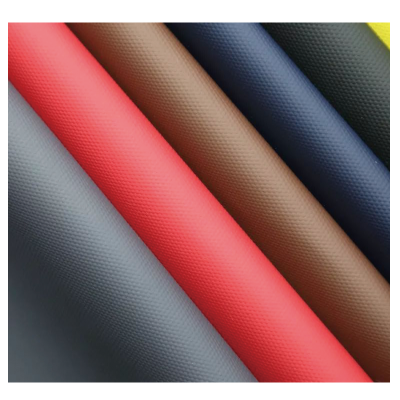


100% Polyester Waterproof Fabric 75D Memory Like Water Repellent Material
$1.10 - $1.50
MOQ: 1000 Yards


100% Polyester Waterproof Fabric 75D Memory Like Water Repellent Material
$1.20 - $5.80
MOQ: 1000 Pieces


100% Polyester Twill Imitation Memory Waterproof Fabric for Coat/Jacket
$0.80 - $1.50
MOQ: 3000 Meters
Comprehensive Sourcing Guide
Waterproof Imitate Memory Polyester Fabric Sourcing Guide
Buyers seeking Waterproof Imitate Memory Polyester Fabric must first distinguish between standard woven constructions and specialized coated variants that offer enhanced durability. The observed market data indicates a strong prevalence of 100% polyester and 100% recycled polyester materials, often processed with PU or PA coatings to achieve the necessary water resistance. This distinction is critical because the coating type directly influences the fabric's breathability and its ability to maintain the memory properties required for high-performance applications like swimwear and sportswear.
Procurement teams should also verify the specific fiber length and width specifications before placing orders, as these attributes vary significantly across listings. While some products feature long fibers with widths of 58 to 60 inches, others may be listed with different standard densities or narrower widths. Understanding these physical constraints is essential for ensuring the fabric meets the dimensional requirements of your specific garment patterns and that the memory effect remains consistent throughout the production run.
Product Scope and Observed Listing Signals
The product scope for this category encompasses a wide range of applications, including swimwear, bags, dress linings, and umbrella manufacturing, driven by the fabric's unique combination of windproof and downproof features. Listings frequently highlight attributes such as black-out capabilities and anti-static properties, which are vital for technical outerwear and protective gear. Buyers must carefully cross-reference these feature claims with the actual product model numbers, such as C000009 or JYSC23120824, to ensure the specific batch possesses the advertised performance characteristics.
Observation of listing signals reveals that customization is a dominant theme, with many suppliers offering tailored colors and densities to meet specific design needs. The availability of free samples, though often freight collect, provides a practical method for verifying the "imitation memory" claim before committing to larger volumes. However, buyers should remain cautious of inconsistent packing descriptions, ranging from roll packing with carton tubes to simple plastic bags, as packaging standards can impact the fabric's condition during transit and storage.
Technical Specifications to Verify
Technical verification must begin with the fabric's structural composition, specifically confirming whether the material is a microfiber or a standard woven construction with a plain dyed or printed finish. The presence of specific standard codes like 75D75D or 75D300D indicates the denier count and weave density, which directly correlate to the fabric's weight and tensile strength. Buyers should insist on seeing the exact standard designation for their order, as the difference between a 50D and a 75D fabric can drastically alter the drape and performance of the final product.
In addition to fiber density, the finish process is a critical technical parameter that determines the fabric's functional longevity. Listings indicate finishes ranging from printed PU coated to PA coated, each offering different levels of water resistance and flexibility. It is imperative to confirm the thickness classification, such as mediumweight, and to verify if the fabric retains its memory properties after repeated washing cycles. Without these specific technical confirmations, the risk of receiving a material that fails to meet the waterproof or windproof requirements of the end application increases significantly.
Compliance and Safety Documentation
While the supplied data highlights eco-friendly features and anti-bacterial properties, buyers must request formal documentation to substantiate these safety claims before finalizing any purchase. The presence of terms like "Eco-Friendly" and "Anti-Bacterial" suggests potential compliance with environmental and health standards, but these labels are not substitutes for certified test reports from recognized laboratories. Procurement teams should explicitly ask for proof of compliance regarding the specific chemical treatments used in the PU or PA coating processes to ensure they meet the regulatory requirements of the target market.
Safety documentation should also address the fabric's performance under extreme conditions, such as high-temperature resistance and anti-hydraulic pressure capabilities. These features are particularly relevant for outdoor gear and protective clothing, where failure could lead to safety hazards. Buyers need to verify that the supplier can provide test results for these specific performance metrics, ensuring that the fabric's advertised advantages, such as being windproof or mothproof, are backed by empirical data rather than marketing assertions.
Cost Drivers and Commercial Terms
Cost drivers in this market are heavily influenced by the complexity of the customization process and the specific coating technology employed. Orders requiring custom colors, densities, or specialized finishes like PA coating often command higher prices due to the additional processing steps and material costs involved. The observed price range of 0.5 to 5.8 USD per unit reflects these variations, with higher-end specifications and smaller order quantities typically falling toward the upper end of the spectrum. Buyers should anticipate that the cost will fluctuate based on the chosen fiber length, width, and the specific memory fabric model selected.
Commercial terms also play a significant role in the total cost of ownership, particularly regarding payment methods and minimum order quantities. The standard payment terms of TT or LC are common, but the minimum order quantity can vary widely, with some listings suggesting 1500 meters while others indicate ranges up to 3000 units. Understanding these thresholds is crucial for budgeting, as failing to meet the MOQ may result in higher per-unit costs or the need to consolidate orders with other buyers to achieve a viable price point.
Supplier Qualification and Quality Control
Supplier qualification should focus on their ability to handle make-to-order production and their track record with ODM and OEM requests. The data indicates that many suppliers accept custom orders, but the ability to consistently deliver on complex specifications like custom densities and colors requires a robust quality control system. Buyers should verify the supplier's production capacity and their specific protocols for maintaining the memory properties of the fabric during the weaving and coating processes to prevent defects.
Quality control measures must extend beyond the initial production phase to include rigorous inspection of the finished goods before shipment. Given the variety of packing methods observed, from standard packages to roll packing with plastic bags, it is essential to establish clear packaging standards that protect the fabric from moisture and physical damage. Buyers should also confirm the supplier's lead time, typically ranging from 15 to 25 days, and ensure that this timeline aligns with their production schedule to avoid delays in the supply chain.
Long-Term Procurement Checks
Long-term procurement success depends on establishing a reliable supply chain that can consistently meet evolving design and performance requirements. Buyers should prioritize suppliers who demonstrate flexibility in adapting to new standards, such as the shift toward recycled polyester materials, and who can maintain the integrity of the fabric's waterproof and windproof features over time. Building a relationship with a supplier that offers consistent quality and transparent communication is key to mitigating risks associated with supply chain disruptions.
Regular audits and performance reviews are necessary to ensure that the supplier continues to meet the agreed-upon specifications and delivery timelines. Buyers should monitor the consistency of the fabric's characteristics, such as the memory effect and breathability, across multiple production batches to identify any potential drift in quality. By maintaining a proactive approach to supplier management and continuously verifying product attributes against the original requirements, buyers can secure a stable supply of high-quality Waterproof Imitate Memory Polyester Fabric for their ongoing needs.
FAQs
What is the material composition of this fabric?
The fabric is made from 100% polyester, with specific variants available in 100% recycled polyester. This composition supports the material's durability and allows for eco-friendly sourcing options. Buyers can select between standard and recycled fibers based on their sustainability goals and specific application requirements for garments or accessories.
Can I customize the color and pattern of this fabric?
Yes, customization is available for both color and pattern. Buyers can request customized colors as required, and the fabric supports plain dyed or printed finishes. This flexibility allows for tailored aesthetic solutions for swimwear, dresses, or bags, ensuring the final product matches specific design visions and brand identity requirements.
What are the key performance features of this fabric?
The fabric offers waterproof, windproof, and breathable properties, making it suitable for outdoor and sportswear applications. It also features downproof and black-out capabilities, along with anti-static and memory performance. These combined attributes ensure functional reliability for garments, umbrellas, and bags that require protection against weather elements while maintaining comfort.
What is the typical lead time for production?
The standard delivery time is 15-25 days after order confirmation. This timeframe applies to make-to-order production runs. Buyers should account for this lead time when planning inventory for swimwear, sportswear, or garment collections, ensuring timely receipt of materials for manufacturing schedules and seasonal product launches.
What packaging options are available for this fabric?
Multiple packaging types are available, including roll packing with carton tubes, plastic bags, and standard packages. All types of packages are generally available to meet specific shipping and handling needs. This flexibility helps protect the fabric during transit and allows buyers to choose packaging that aligns with their logistics and storage preferences.
What are the standard specifications for width and density?
The fabric width is typically 58/60 inches or 57/58 inches, with density options like 75D*75D or 75D*300D. Customized density is also available upon request. These specifications cater to various garment and accessory applications, allowing buyers to select the exact dimensions needed for their specific pattern cutting and manufacturing processes.