Source Customized Hole Aluminum Oxide Sandpaper for Textile, Furniture, Electronics
Compare 30 listings for Customized Hole Aluminum Oxide Sandpaper suitable for textile printing, wooden furniture, and electrical applications. Buyers can evaluate grit ranges, bonding agents, and delivery options from verified suppliers in China; compare the available evidence and request quotations based on your requirements.
Key considerations
Products List

Aluminum Oxide Customized Length Sandpaper Grinding Abrasive Sanding Brush
$1.00 - $1.20
MOQ: 2 Meters


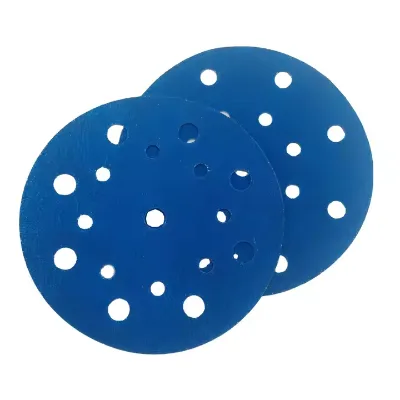
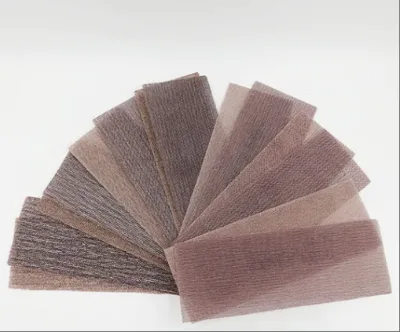


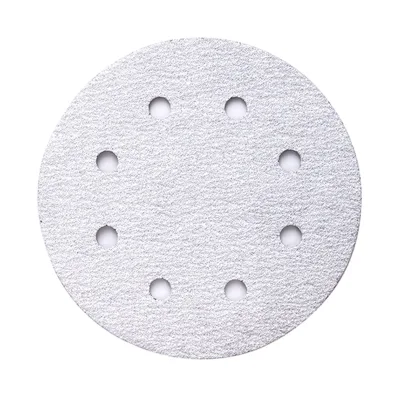


Water Aluminium Oxide Sandpaper Roll for Polishing Sanding Paper
$0.80 - $0.90
MOQ: 1500 Square Meters


Comprehensive Sourcing Guide
Customized Hole Aluminum Oxide Sandpaper Sourcing Guide
Sourcing Customized Hole Aluminum Oxide Sandpaper requires a precise understanding of how abrasive geometry and backing material interact to deliver consistent surface finishing results. Buyers must recognize that the presence of holes in the sandpaper is not merely a cosmetic feature but a critical functional element designed to enhance dust extraction and prevent clogging during high-speed grinding operations. This specific design characteristic allows for superior airflow through the abrasive surface, which extends the life of the sanding disc and maintains cutting efficiency over longer periods. When evaluating suppliers, it is essential to verify that the hole pattern aligns with standard backing plate configurations to ensure secure attachment and balanced rotation, thereby minimizing vibration and improving operator safety during industrial applications.
The choice of aluminum oxide as the primary abrasive grain offers a balance of durability and cost-effectiveness, making it suitable for a wide range of materials including wood, metal, and automotive finishes. Aluminum oxide grains fracture under pressure to expose fresh, sharp edges, a process known as self-sharpening, which ensures consistent performance throughout the tool's lifespan. Buyers should pay close attention to the grit range, which typically spans from coarse P60 for rapid material removal to fine P3000 for polishing, allowing for versatile use across different stages of the finishing process. Understanding the relationship between grit size, grain density, and backing strength is crucial for selecting the right product for specific industrial tasks, ensuring that the abrasive media meets the required surface finish standards without premature wear or damage to the workpiece.
Product Scope and Observed Listing Signals
The observed market signals indicate a diverse range of products that may or may not include the specific "hole" feature requested, requiring careful filtering during the sourcing process. Listings frequently highlight attributes such as "Long" shape, "Industrial Brushes" usage, and applications in textile printing, wooden furniture, and electrical electronics, which suggests a broad category of abrasive and cleaning tools. Buyers must distinguish between general industrial abrasives and the specific Customized Hole Aluminum Oxide Sandpaper, as many suppliers offer standard sheets or rolls without perforation. The presence of customization options, such as "Customized" shape and "Available" customization services, provides an opportunity to request specific hole patterns, but this must be explicitly confirmed with the supplier to avoid receiving non-perforated alternatives that do not meet operational requirements.
Further analysis of listing details reveals variations in bonding agents, with some products using "Ordinary Binder Sand" and others specifying "Resin Binder Sand," which directly impacts the durability and heat resistance of the final product. The observed standard sizes, such as 1000mmx60mm or 100mm, 115mm, 150mmX70M, provide a baseline for dimensional verification, while the mention of "Water Resistance" and "C-Type Paper" backing suggests suitability for wet or dry sanding applications. Buyers should note that while some listings offer free samples and accept logo customization, these are value-added services that do not guarantee the technical suitability of the abrasive for high-stress industrial environments. It is imperative to cross-reference these observed signals with technical datasheets to ensure that the product's structural integrity, adhesive strength, and abrasive material composition align with the specific demands of the intended application.
Technical Specifications to Verify
Verifying the technical specifications of Customized Hole Aluminum Oxide Sandpaper begins with confirming the abrasive material composition and grain structure. Buyers must ensure that the product explicitly states the use of aluminum oxide, as opposed to silicon carbide or other abrasives, to guarantee the expected hardness and fracture characteristics. The grit range, which can vary from P60 to P3000, must be matched to the specific material removal rate and surface finish required for the project. Additionally, the backing material, often identified as C-Type Paper or dry abrasive paper, should be evaluated for its tensile strength and flexibility, as these properties influence the sandpaper's ability to conform to curved surfaces without tearing. The bonding agent, whether ordinary binder or resin adhesive, plays a critical role in determining the sandpaper's resistance to heat and moisture, which is essential for maintaining performance during prolonged use.
The physical dimensions and hole pattern are equally critical technical parameters that require precise verification. Buyers should confirm the exact diameter, spacing, and number of holes to ensure compatibility with their existing sanding equipment and dust extraction systems. The standard product models, such as HX-406 or ECSR, may indicate specific manufacturing lines with distinct quality controls, so referencing these model numbers can help in tracking consistency across orders. Furthermore, the substrate treatment, such as water resistance, should be validated through technical documentation to ensure the sandpaper can withstand the conditions of the intended application without degrading. It is also important to verify the maximum width of jumbo rolls, which can reach up to 1400mm, to assess the supplier's production capacity and potential for cost savings through bulk purchasing of raw materials.
Compliance and Safety Documentation
Compliance and safety documentation are foundational elements in the procurement of industrial abrasives, ensuring that the products meet regulatory standards for workplace safety and environmental responsibility. Buyers must request certificates of analysis and material safety data sheets (MSDS) to verify the chemical composition of the bonding agents and adhesives used in the sandpaper. These documents provide critical information on potential hazards, handling instructions, and first-aid measures, which are essential for maintaining a safe working environment. Additionally, the HS code 680520.0000 and ECCN Ear99 classification indicate the product's trade status, which can impact import duties and regulatory requirements in different jurisdictions. Understanding these classifications helps buyers anticipate logistical challenges and ensure that the supply chain remains compliant with international trade laws.
Safety also extends to the physical design of the sandpaper, particularly regarding the hole pattern and edge finishing. Buyers should verify that the holes are cleanly cut to prevent fraying or sharp edges that could pose a risk to operators during handling and installation. The adhesive strength, described as "Hard" in some listings, should be evaluated to ensure that the sandpaper remains securely attached to the backing plate under high-speed rotation, reducing the risk of detachment and potential injury. Furthermore, the water resistance properties, if claimed, should be supported by test results to confirm that the sandpaper does not disintegrate or lose abrasive efficiency when exposed to moisture. By prioritizing comprehensive safety documentation, buyers can mitigate risks associated with product failure and ensure that their operations adhere to the highest standards of occupational health and safety.
Cost Drivers and Commercial Terms
The cost of Customized Hole Aluminum Oxide Sandpaper is influenced by several key drivers, including the complexity of the hole pattern, the quality of the aluminum oxide grain, and the type of backing material used. Customization, such as specific hole diameters or unique shapes, typically incurs additional tooling and setup costs, which can increase the unit price, especially for smaller order quantities. The grit size also plays a significant role, with finer grits requiring more processing time and potentially higher-quality grains, leading to higher costs. Buyers should consider the total cost of ownership, which includes not only the purchase price but also the lifespan of the sandpaper and its impact on production efficiency. Products with superior bonding agents and water resistance may have a higher upfront cost but can offer long-term savings by reducing downtime and material waste.
Commercial terms, such as minimum order quantities (MOQ) and delivery methods, further impact the overall procurement strategy. The observed MOQ range of 1 to 20,000 units provides flexibility for both small-scale testing and large-scale industrial supply, allowing buyers to negotiate terms that align with their inventory management practices. Delivery options, including DHL, TNT, UPS, FedEx, ocean, and train shipping, offer various trade-offs between speed and cost, enabling buyers to optimize their supply chain based on urgency and budget. Packaging, described as "Hard Cartong" or "Carton," should be evaluated for its ability to protect the sandpaper during transit, preventing damage that could lead to product rejection. By carefully analyzing these cost drivers and commercial terms, buyers can develop a sourcing strategy that balances cost efficiency with quality and reliability, ensuring a sustainable supply of Customized Hole Aluminum Oxide Sandpaper.
Supplier Qualification and Quality Control
Supplier qualification is a critical step in ensuring the consistent quality and reliability of Customized Hole Aluminum Oxide Sandpaper. Buyers should assess the supplier's manufacturing capabilities, including their ability to produce precise hole patterns and maintain consistent grit distribution across large production runs. The origin of the product, often listed as China Mainland or Nantong, can provide insights into the supplier's industrial ecosystem and access to raw materials. However, geographic origin alone is not a guarantee of quality, so buyers must verify the supplier's quality management systems, such as ISO certifications, and their track record in producing industrial abrasives. Requesting samples and conducting rigorous testing is essential to validate the supplier's claims regarding abrasive material, bonding strength, and durability under real-world conditions.
Quality control processes should be transparent and well-documented, with clear procedures for inspecting incoming raw materials, monitoring production parameters, and testing finished products. Buyers should inquire about the supplier's methods for ensuring hole alignment and edge quality, as these factors directly impact the performance and safety of the sandpaper. Additionally, the supplier's ability to provide customization, such as logo printing or specific packaging, should be evaluated to ensure it does not compromise the structural integrity of the product. Establishing a strong relationship with a qualified supplier involves regular communication, periodic audits, and collaborative problem-solving to address any quality issues that may arise. By prioritizing supplier qualification and robust quality control, buyers can mitigate the risks of supply chain disruptions and ensure a steady supply of high-quality Customized Hole Aluminum Oxide Sandpaper.
Long-Term Procurement Checks
Long-term procurement checks are essential for maintaining the quality and cost-effectiveness of Customized Hole Aluminum Oxide Sandpaper over time. Buyers should establish a regular review process to evaluate supplier performance, including metrics such as on-time delivery, product consistency, and responsiveness to issues. This ongoing assessment helps identify potential risks and opportunities for improvement, allowing buyers to adjust their sourcing strategy as needed. Additionally, buyers should monitor market trends and technological advancements in abrasive materials, as new innovations may offer improved performance or cost savings. Staying informed about these developments ensures that the procurement team can make informed decisions and maintain a competitive edge in their respective industries.
It is also important to periodically re-evaluate the technical specifications of the sandpaper to ensure they remain aligned with the evolving needs of the production process. Changes in machinery, materials, or regulatory requirements may necessitate adjustments to the grit size, hole pattern, or backing material. Buyers should maintain open communication with their suppliers to discuss these changes and explore potential solutions. Furthermore, implementing a feedback loop from the production floor can provide valuable insights into the practical performance of the sandpaper, highlighting areas for improvement or new requirements. By conducting thorough long-term procurement checks, buyers can ensure a resilient and adaptable supply chain that supports their operational goals and drives continuous improvement in their manufacturing processes.
FAQs
Can I get Customized Hole Aluminum Oxide Sandpaper with specific dimensions?
Yes, customization is available for this product to meet your specific dimensional needs. The standard sizes include 1000mm by 60mm or 100mm, 115mm, and 150mm by 70m. You can also request custom grit ranges from P60 to P3000 for various industrial applications.
What materials are used to make this aluminum oxide sandpaper?
The primary abrasive material used is aluminum oxide, often combined with silicon carbide for specific variants. The backing is typically C-type paper, and the bonding agent is a resin binder sand. This ensures durability for sanding, grinding, and polishing tasks in industrial settings.
Which applications are suitable for this customized sandpaper?
This sandpaper is suitable for textile printing, wooden furniture, environmental protection, electrical electronics, and machinery. It is also effective for automotive metal and wood applications. The product is designed for sanding, grinding, and polishing across these diverse industrial sectors efficiently.
How is the product packaged for shipping and delivery?
The product is packaged in hard cartons or standard shipping packaging that can be customized. Options include 100 pieces per box or 1000 pieces per carton. Delivery is handled via DHL, TNT, UPS, FedEx, ocean, or train depending on your specific logistics requirements and location.
What is the lead time for delivery of these sandpaper products?
Delivery times vary based on the shipping method selected, such as DHL, TNT, UPS, FedEx, ocean, or train. The product origin is China Mainland or Nantong, and lead times depend on the specific order volume and chosen logistics provider. Contact suppliers for exact timelines.
Can I request a free sample before placing a large order?
Yes, free samples are offered for this product to help you evaluate quality before committing to a bulk purchase. This allows you to test the grit range and material performance. Customization options like logos are also accepted upon request for your specific branding needs.
What is the minimum order quantity for this sandpaper?
The minimum order quantity ranges from 1 to 20,000 units depending on the specific product configuration and supplier terms. Prices observed range from 0.01 to 8.5 USD per unit. You can negotiate based on your volume requirements and the specific customization features you need.