Source Arrow Segment Concrete Grinding Shoes for Floors
Find 30 diamond grinding tools featuring arrow segment designs for concrete and terrazzo floors. Compare grit options, segment heights, and bonding agents from Chinese manufacturers to select the right abrasive blocks for your floor grinder; compare the available evidence and request quotations based on your requirements.
Key considerations
Products List




Comprehensive Sourcing Guide
Arrow Segment Concrete Grinding Shoes Sourcing Guide
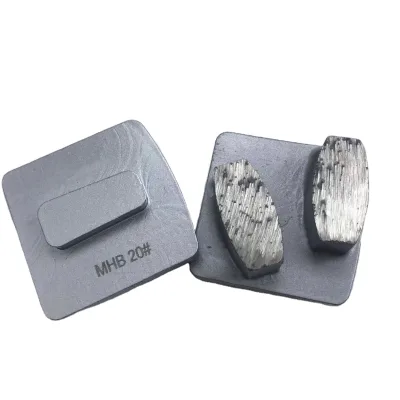
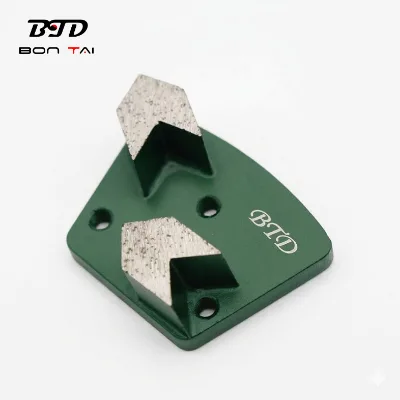
Procurement professionals evaluating Arrow Segment Concrete Grinding Shoes must first recognize the specific design intent behind this abrasive configuration. These tools are engineered primarily for floor grinders and HTC machines, offering a distinct advantage in concrete and terrazzo floor applications where aggressive material removal is required. The arrow shape facilitates efficient chip evacuation and reduces heat buildup during dry or wet grinding operations, making them suitable for both heavy-duty industrial resurfacing and finer finishing tasks. Buyers should verify that the listed product explicitly matches these usage equipment requirements before proceeding with any order.
The observed market listings indicate a diverse range of customization options, including segment shapes like rectangles, arrows, and turbotypes, alongside variable grit sizes ranging from 6# to 200#. While some listings mention a "long life" feature and a 3-year warranty, these attributes should be treated as specific product observations rather than universal guarantees for all suppliers. Sourcing teams must carefully cross-reference the specific model numbers, such as CGHA or CGRW, with their operational needs to ensure the selected tool aligns with the intended grinding intensity and surface finish requirements.
Product Scope and Observed Listing Signals
When analyzing product listings, buyers will encounter a variety of material compositions, typically described as a blend of diamond and metal powder, which determines the tool's cutting efficiency and durability. The manufacturing process often involves brazing, a technique that bonds the diamond segments to the metal core, ensuring structural integrity during high-torque operations. It is critical to distinguish between products labeled as "Abrasive Blocks" and those specifically defined as "Diamond Grinding Shoes," as the latter are designed for direct attachment to floor grinding machinery.
Listing signals also reveal significant variability in physical dimensions, with segment thicknesses observed between 10mm and 12mm and heights ranging from 8mm to 12mm or fully customized. Color options such as black, red, and blue are available, often serving as visual indicators for different bond hardness levels or manufacturer branding. Procurement specialists should note that while some entries list a minimum order quantity of 5 units, others may require higher volumes, necessitating a clear understanding of the supplier's specific commercial terms before finalizing a purchase agreement.
Technical Specifications to Verify
Technical due diligence requires a rigorous verification of the bond hardness, which is available in grades ranging from extra soft to extra hard. Selecting the correct bond is essential for matching the tool to the specific hardness of the concrete or terrazzo being processed; a mismatch can lead to premature wear or inefficient cutting. Buyers must confirm that the supplier provides detailed specifications for the bond agent, which is typically metal-based, and ensure that the grit size, whether 6#, 16#, or 200#, aligns precisely with the desired surface texture and material removal rate.
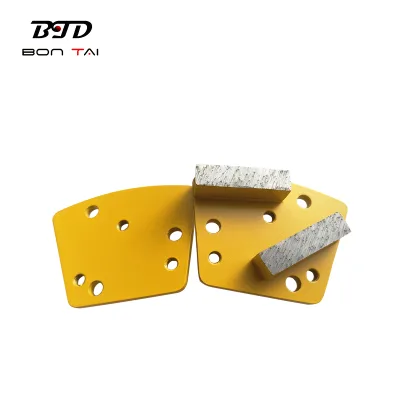
Dimensional accuracy is another critical verification point, as segment shapes can vary from rectangles and arrows to PCD and T-shapes, each serving different grinding patterns. The segment thickness, often standardized at 10mm but sometimes extending to 12mm, directly impacts the tool's lifespan and the frequency of replacement required. Procurement teams should request detailed drawings or samples to confirm that the segment height and shape match the machine's mounting requirements, preventing compatibility issues that could halt production or damage the grinding equipment.
Compliance and Safety Documentation
Safety compliance in the abrasive tools sector is paramount, and buyers should verify that suppliers possess recognized certifications such as ISO and CE. These certifications indicate that the manufacturing processes and final products adhere to international safety and quality standards, reducing the risk of equipment failure or workplace accidents. While specific test results are not universally provided in all listings, the presence of these certifications serves as a baseline indicator of a supplier's commitment to regulatory compliance and product reliability.
Documentation regarding the transportation and handling of these tools is also essential, as the products are typically shipped via ocean, land, or air freight in cartons or pallets. Buyers must ensure that the packaging, which may include white boxes filled with foam, is sufficient to protect the diamond segments from damage during transit. Additionally, understanding the origin of the product, often cited as Fujian or Quanzhou in China, helps in assessing the logistical lead times and potential import regulations that may apply to the specific destination market.
Cost Drivers and Commercial Terms
The cost of Arrow Segment Concrete Grinding Shoes is influenced by several factors, including the diamond content, the complexity of the brazing process, and the level of customization required. Listings show a price range from 0.9 to 35 USD, reflecting the vast difference between standard off-the-shelf items and highly specialized, custom-configured tools. Buyers should analyze the total cost of ownership, considering that a higher initial price may correlate with a longer lifespan and reduced downtime, ultimately offering better value over the product's operational life.
Commercial terms such as the minimum order quantity (MOQ) and selling units significantly impact procurement strategy, with observed MOQs ranging from 1 to 100 units. Some suppliers offer single-item sales, while others may require bulk purchases to achieve optimal pricing. It is crucial to negotiate clear terms regarding payment, shipping, and lead times, as these variables can fluctuate based on the supplier's location and current production capacity. Understanding these commercial dynamics allows buyers to optimize their inventory levels and cash flow management effectively.
Supplier Qualification and Quality Control
Supplier qualification should focus on verifying the business type, with many listings identifying themselves as manufacturers rather than trading companies. This distinction is vital for ensuring direct access to production capabilities and technical support, which can be critical when troubleshooting performance issues or requesting custom modifications. Buyers should prioritize suppliers who demonstrate a clear understanding of the manufacturing process, particularly the brazing techniques used to bond the diamond segments to the metal core.
Quality control measures must be explicitly discussed, as the "long life" and "sharp" features mentioned in listings are subjective claims without standardized testing data. Procurement teams should request evidence of quality assurance processes, such as batch testing or sample inspections, to validate the consistency of the diamond grit and bond hardness. Establishing a robust quality control protocol with the supplier ensures that the delivered products meet the specified performance criteria and reduces the risk of receiving substandard goods that could compromise project timelines.
Long-Term Procurement Checks
Establishing a long-term procurement relationship requires regular performance monitoring of the grinding shoes in actual field conditions. Buyers should track key metrics such as wear rates, cutting efficiency, and the frequency of segment replacement to validate the supplier's claims regarding product longevity. This data-driven approach allows for continuous improvement in the selection process, ensuring that future orders are placed with suppliers who consistently deliver high-performance tools that meet operational demands.
Periodic re-evaluation of supplier capabilities and market conditions is also necessary to maintain a competitive supply chain. As technology evolves and new grinding applications emerge, suppliers may introduce updated segment shapes or bond formulations that offer superior performance. Procurement teams should maintain open communication channels with their suppliers to stay informed about these advancements and ensure that their sourcing strategy remains aligned with the latest industry standards and best practices.
FAQs
What grit options are available for Arrow Segment Concrete Grinding Shoes?
Available grits include 6#, 16#, 24#, 30#, 60#, 80#, 120#, and 200#. These options allow for precise material removal and surface finishing. The segments are designed for floor grinders and support both dry and wet usage. Custom grits are also available to meet specific project requirements.
Can I customize the segment shape for concrete grinding applications?
Yes, customization is available for segment shapes. Options include rectangle, arrow, turbo, square, PCD, and T shapes. The arrow segment is a popular choice for efficient grinding. You can select the shape that best suits your specific concrete or terrazzo floor grinding needs.
What is the typical segment thickness for these grinding tools?
The standard segment thickness ranges from 10mm to 12mm. This dimension ensures durability and effective grinding performance. The segments are manufactured using brazing processes with diamond and metal powder. This construction provides a long lifespan and sharp cutting edges for concrete floor grinding.
Which certifications do these diamond grinding shoes hold?
These products hold ISO and CE certifications. These standards ensure quality and safety for industrial use. The tools are manufactured in Fujian, China, by a verified manufacturer. The certifications confirm compliance with international standards for abrasive tools used in floor grinding applications.
What is the minimum order quantity for these grinding segments?
The minimum order quantity is typically 5 units. This low MOQ allows for easy testing and small batch orders. The selling unit is a single item, making inventory management flexible. Buyers can order specific quantities to match their project scale without excessive commitment.
How are these grinding shoes packaged for shipping?
Packaging options include cartons, pallets, white boxes, and foam filling. These methods protect the segments during ocean, land, or air transportation. The packaging ensures the tools arrive in perfect condition. Customized packaging is also available to meet specific logistical requirements for international shipments.