Source Customized Science Lab Tables for Schools Hospitals
Find 30 options for Customized Science Lab Tables suitable for schools, hospitals, and research institutes. Buyers can compare models like PW-2018-GMW and MCL-2018GMW, materials including stainless steel and physiochemical board, and delivery times ranging from 15 to 30 days.
Key considerations
Products List


Lab Furniture Lab Table Balance Table for Analytical Chemistry Laboratory
$250.00 - $500.00
MOQ: 1 Pieces


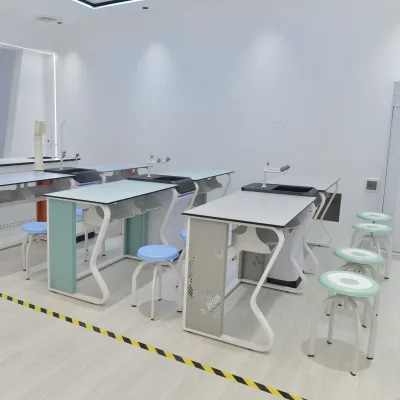


Manufacturer High Quality Chemistry/Physical/Biologic Lab Table/Bench, Classroom Lab
$299.00 - $356.00
MOQ: 10 pieces


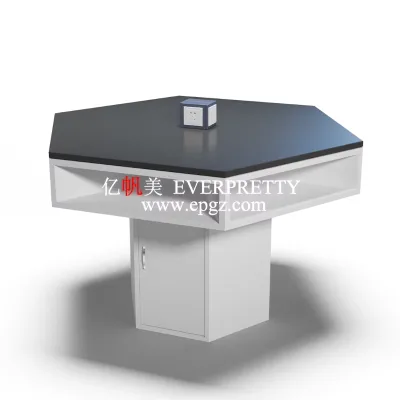
Comprehensive Sourcing Guide
Customized Science Lab Tables Sourcing Guide
Procuring Customized Science Lab Tables requires a strategic approach that balances specific functional needs with rigorous quality assurance. These workstations are not merely furniture; they are critical infrastructure for educational institutions, corporate research facilities, and scientific laboratories. The customization process allows buyers to tailor dimensions, materials, and configurations to fit unique spatial constraints and operational workflows. This guide provides evidence-based insights to help procurement professionals navigate the complexities of sourcing these specialized items, ensuring that every decision aligns with safety standards, budgetary constraints, and long-term durability requirements.
The market for lab furniture is diverse, ranging from basic school benches to high-end central benches designed for advanced research. Buyers must distinguish between standard off-the-shelf options and fully customized solutions that offer specific material compositions and structural integrity. Understanding the difference between new and used inventory, as well as the implications of various material choices like stainless steel or physiochemical board, is essential for making informed purchasing decisions. This guide outlines the key technical, commercial, and compliance factors that define a successful procurement cycle for Customized Science Lab Tables.
Product Scope and Observed Listing Signals
The observed market for Customized Science Lab Tables reveals a wide spectrum of product conditions and configurations. Listings indicate the availability of both new and used units, with specific models such as PW-2018-GMW and MCL-2018GMW representing distinct design variations. The product scope extends across multiple usage environments, including schools, companies, and research institutes, highlighting the versatility of these workstations. Buyers should note that while some items are marketed as "central benches," others are general-purpose lab benches, each serving different operational needs within a laboratory setting.
Pricing signals in the current market range significantly, from approximately $48.50 to $6,600 USD, reflecting the disparity between basic components and comprehensive, high-specification setups. The minimum order quantities (MOQ) also vary, with some suppliers accepting orders as low as one unit, while others require bulk purchases of up to 200 units or specific set quantities like five sets. This variability suggests that buyers can tailor their procurement strategy based on their scale, whether they are outfitting a single classroom or equipping an entire research facility. Understanding these market signals helps in setting realistic expectations for cost and volume.
Technical Specifications to Verify
Verifying technical specifications is paramount when sourcing customized lab tables, as dimensions and materials directly impact functionality and safety. Standard sizes observed in the market include dimensions such as 900600850 mm and L1500/750850 mm, but customization is widely available to meet specific spatial requirements. Buyers must confirm the exact length, depth, and height of the tables to ensure they fit within the designated laboratory footprint. Additionally, the type of bench, whether it is a central bench or a side bench, should be clearly defined to align with the intended workflow and equipment placement.
Material selection is another critical technical aspect that influences durability and chemical resistance. Common materials include stainless steel and physiochemical board, each offering distinct advantages in terms of strength and resistance to corrosive substances. Buyers should verify the raw material quality, ensuring it is superior and environmentally friendly, as indicated in some product listings. The structural integrity of the tables, including the quality of the frame and surface finish, must be assessed to guarantee long-term performance under heavy use and exposure to various laboratory chemicals.
Compliance and Safety Documentation
Compliance with international standards is essential for ensuring the safety and reliability of Customized Science Lab Tables. Certifications such as ISO, SGS, TUV, and BV are frequently cited in product listings, indicating that the manufacturers adhere to recognized quality and safety benchmarks. Buyers should request valid certification documents to verify that the products meet the necessary regulatory requirements for their specific region and industry. These certifications provide assurance that the materials and construction methods used in the lab tables are safe for educational and professional environments.
Safety documentation also includes information on the warranty and after-sales support provided by the supplier. Many manufacturers offer warranties ranging from five to ten years, which serves as a testament to the product's durability and the supplier's confidence in their craftsmanship. Buyers should carefully review the terms of the warranty to understand what is covered, including potential issues related to material defects or structural failures. Additionally, understanding the shipping and packaging standards, such as the use of bubble film, hard cotton, and wooden packages, helps ensure that the products arrive in pristine condition, minimizing the risk of damage during transit.
Cost Drivers and Commercial Terms
Several factors influence the final cost of Customized Science Lab Tables, including material selection, customization level, and order volume. The use of premium materials like stainless steel typically commands a higher price compared to physiochemical board alternatives. Furthermore, the extent of customization, such as specific dimensions or unique configurations, can impact the manufacturing cost. Buyers should analyze the price-to-quality ratio, considering that reasonable and competitive pricing does not necessarily mean compromising on quality, but rather reflects efficient manufacturing processes.
Commercial terms, including delivery times and payment conditions, play a significant role in the overall procurement strategy. Lead times can vary, with some suppliers offering delivery within 15 workdays after receiving the deposit, while others may require 20-30 days. Buyers should negotiate clear delivery schedules and payment terms to align with their project timelines. Additionally, understanding the shipping port options, such as Guangzhou or Shenzhen, can help in estimating logistics costs and lead times. Clear communication regarding these commercial terms ensures a smooth transaction and avoids unexpected delays or expenses.
Supplier Qualification and Quality Control
Evaluating supplier qualifications is crucial for ensuring the reliability and consistency of Customized Science Lab Tables. Buyers should verify the business type of the supplier, distinguishing between manufacturers and trading companies, as manufacturers often provide better control over quality and customization. The brand reputation, such as Everpretty, can also serve as an indicator of market presence and customer satisfaction. Conducting due diligence on the supplier’s production capabilities, quality control processes, and past performance helps mitigate the risk of receiving substandard products.
Quality control measures should be integrated into the procurement process to ensure that the delivered products meet the specified requirements. Buyers should request samples or conduct factory audits to assess the manufacturing quality firsthand. Inspecting the packaging and labeling of the products upon arrival is also essential to verify that they match the ordered specifications. Establishing a clear quality assurance protocol, including acceptance criteria and rejection procedures, helps maintain high standards and ensures that the lab tables are fit for their intended use in schools, companies, or research institutes.
Long-Term Procurement Checks
Long-term procurement success depends on establishing strong relationships with suppliers and implementing continuous improvement strategies. Buyers should monitor supplier performance over time, tracking metrics such as delivery accuracy, product quality, and responsiveness to issues. Regular communication and feedback loops help identify potential problems early and foster a collaborative partnership. Additionally, staying informed about industry trends and technological advancements in lab furniture design allows buyers to make proactive decisions that enhance the functionality and safety of their laboratory environments.
Sustainability and environmental considerations are increasingly important in long-term procurement strategies. Buyers should prioritize suppliers who use superior, environmentally friendly raw materials and adhere to sustainable manufacturing practices. This not only aligns with corporate social responsibility goals but also contributes to a healthier laboratory environment for students and researchers. By focusing on long-term value rather than just initial cost, buyers can ensure that their Customized Science Lab Tables remain a reliable and efficient asset for years to come, supporting the educational and research missions of their institutions.
FAQs
What customization options are available for science lab tables?
Customization is available for these science lab tables to meet specific needs. Buyers can select from various sizes, materials like stainless steel or physiochemical board, and optional colors. The standard dimensions include L*1500/750*850 mm or 900*600*850 mm, with custom sizes also offered upon request.
How long is the delivery time for customized orders?
Delivery typically occurs within 15 workdays after receiving the deposit for some models. Other options may require 20 to 30 days for production and shipping. The exact timeline depends on the specific model selected and the current order volume at the factory in China.
Which certifications do these lab furniture manufacturers hold?
Manufacturers hold multiple certifications including ISO, SGS, TUV, BV, and Iaf. These documents verify that the products meet international quality and safety standards. Buyers can request these certificates to ensure compliance with their institutional or regional regulatory requirements.
Can I order a single set of customized lab tables?
Yes, some suppliers accept orders starting from one set, while others require a minimum of five sets. The minimum order quantity varies by product model and specific customization requests. Buyers should confirm the specific MOQ with the vendor before finalizing the purchase agreement.
What materials are used to construct these science lab tables?
Materials include superior environmental raw materials such as stainless steel and physiochemical board. These choices ensure durability and resistance to harsh chemicals commonly found in research environments. The selection depends on the specific application, whether for schools, hospitals, or research institutes.
How are the lab tables packaged for international shipping?
Packaging typically involves bubble film, hard cotton, and wooden crates for heavy items. Steel components may be wrapped in fabric, while other parts are packed in cartons with bubble bags. This robust method protects the furniture during transit from Guangzhou or Shenzhen ports.
What is the warranty period for these laboratory furniture products?
The warranty period ranges from 5 to 10 years depending on the specific product model. This coverage ensures long-term reliability for educational and research facilities. Buyers should verify the exact terms with the manufacturer to understand what components are included in the warranty.