Source Customized Sound Insulation Wood Blinds for Living Rooms
Compare 30 listings for Customized Sound Insulation Wood Blinds with options for living rooms, bedrooms, and offices. Buyers can review specifications like slat width, control types, and insulation functions to find suitable interior decoration solutions; compare the available evidence and request quotations based on your requirements.
Key considerations
Products List

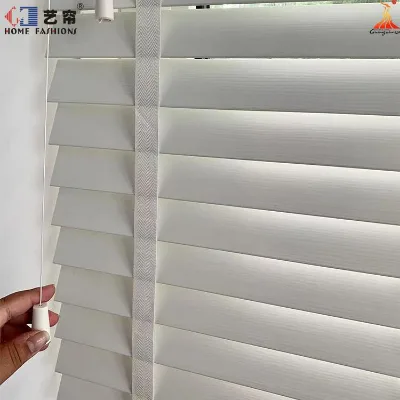


Custom Wooden Horizontal Venetian Blinds Interior Window Decoration Wood Blinds
$15.00 - $19.00
MOQ: 10 Square Meters


Fauxwood Blinds Are Durable, Moisture Resistant appearance Like Real Wood Color
$12.80 - $16.50
MOQ: 10 Square Meters


Shutters Wholesale Custom Interior Basswood Plantation Window Blinds
$71.00 - $78.00
MOQ: 1 Square Meters



Factory Wholesale Wood Slat Blinds Components PVC and Wooden Blinds for Windows
$15.00 - $25.00
MOQ: 100 Square Meters


Ventilation Dustproof Acoustic Aluminum Louver Blinds for Industrial Warehouses
$348.00 - $388.00
MOQ: 100 Square Meters

Acoustic Soundproof Louvers for Noise Reduction, Sound Insulation, Acoustic Quality Improving
$126.00 - $388.00
MOQ: 100 Square Meters

Customizable Acoustic Louver: Reduce Noise and Ventilate to Create a Quiet Space.
$348.00 - $388.00
MOQ: 10 Square Meters


$8.90 - $11.90
MOQ: 100 Square Meters


Modern Design Wooden Blind Channel Blinds Black with Built-in Installation
$26.00 - $29.80
MOQ: 100 Square Meters

Comprehensive Sourcing Guide
Customized Sound Insulation Wood Blinds Sourcing Guide
Procuring Customized Sound Insulation Wood Blinds requires a precise understanding of the specific acoustic and aesthetic requirements for interior spaces. The available market data indicates a strong focus on Venetian-style designs with modern aesthetics, suitable for living rooms, bedrooms, bathrooms, offices, and kitchens. Buyers must recognize that while the product is marketed for sound insulation, the actual performance depends heavily on the slat thickness and the density of the material used in the construction.
Sourcing decisions should prioritize suppliers who offer extensive customization options for dimensions and finishes, as the observed listings show a wide variety of sizes ranging from 20 inches to 72 inches in width. The ability to select specific colors like dark gray, chocolate, or white allows for seamless integration into existing interior decor. However, buyers must verify that the customization process includes rigorous quality checks to ensure the acoustic properties remain consistent across different batch sizes and color variations.
Product Scope and Observed Listing Signals
The product scope for these blinds encompasses a diverse range of operational types, including cordless, electric, and manual control systems. Listings frequently highlight features such as blackout or light filtering capabilities, which are critical for managing privacy and light levels in addition to acoustic performance. The observed data suggests that while many units are designed for inside mounting, the specific slat widths vary between 2 inches and 2.5 inches, directly influencing the sound dampening efficiency and the visual proportion of the window treatment.
Buyers should carefully evaluate the listed usage scenarios to ensure the selected blinds meet the specific environmental demands of the target room. The data confirms that these products are engineered to be dustproof, windproof, and insect-resistant, making them suitable for high-traffic areas like offices and kitchens. However, the variation in packing methods, from simple cartons to wood crates, indicates that shipping and handling protocols must be explicitly defined to prevent damage during transit, especially for larger custom dimensions.
Technical Specifications to Verify
Technical verification must begin with the slat dimensions and thickness, as these are primary determinants of the sound insulation and structural integrity. The observed specifications list slat thicknesses ranging from 2.5mm to 3.0mm, with widths available in 50mm and 63mm increments. Buyers should request detailed material density reports to confirm that the wood or composite material used can effectively absorb sound waves, as standard thickness alone does not guarantee acoustic performance without proper density.
Control mechanisms and mounting types also require strict validation to ensure operational reliability and safety. The market offers cord control, wand control, and motorized options, each presenting different maintenance and safety profiles for residential and commercial settings. Additionally, tolerance levels for width and thickness, observed at +/-0.5mm and +/-0.2mm respectively, must be adhered to during manufacturing to ensure a perfect fit within the window frame, preventing gaps that could compromise both sound insulation and light blocking capabilities.
Compliance and Safety Documentation
Compliance documentation is essential for verifying that the materials used in the blinds meet international safety and environmental standards. While specific certification statuses like CE or FSC are mentioned in background data, buyers must insist on seeing current, valid certificates for the specific batch of wood or composite materials being supplied. This verification ensures that the products are free from harmful chemicals and that the manufacturing process adheres to sustainable forestry practices, which is increasingly important for corporate procurement policies.
Safety regarding the control systems and mounting hardware must also be thoroughly documented, particularly for electric or motorized units. Buyers should require proof of electrical safety compliance for any motorized components to prevent fire hazards or electrical failures. Furthermore, the surface treatment and finishing processes should be documented to confirm that the blinds are resistant to moisture and wear, ensuring long-term durability in environments like bathrooms and kitchens where humidity levels fluctuate.
Cost Drivers and Commercial Terms
Cost drivers for Customized Sound Insulation Wood Blinds are heavily influenced by the complexity of the customization, including specific dimensions, slat thickness, and finish colors. The observed MOQ ranges from 50 square meters to 1000 units, indicating that economies of scale play a significant role in the final pricing structure. Buyers should anticipate higher unit costs for non-standard sizes or specialized acoustic treatments, as these require additional manufacturing steps and material sourcing that deviate from standard production lines.
Commercial terms must clearly define the payment schedule, lead times, and shipping responsibilities to avoid unexpected expenses. The observed data shows a wide price range, suggesting that buyers should negotiate based on the total order volume and the specific technical requirements of the project. It is crucial to clarify whether the quoted price includes the specialized packing materials, such as pearl cotton and wooden crates, which are necessary for protecting the blinds during international shipping and handling.
Supplier Qualification and Quality Control
Supplier qualification should focus on their manufacturing capabilities and their history of delivering customized orders with consistent quality. Buyers must verify the supplier's location, as the data indicates origins in Guangdong and Shandong, China, which are known manufacturing hubs but may have varying levels of quality control infrastructure. It is advisable to request samples of the slat thickness and finish to ensure they match the specified tolerances and acoustic performance claims before committing to a large order.
Quality control protocols must be established to monitor the production process from raw material selection to final packaging. Buyers should insist on pre-shipment inspections that verify the slat width, thickness, and color consistency against the agreed-upon specifications. Additionally, the supplier should provide a clear process for handling defects or deviations, ensuring that any issues with the sound insulation or mechanical operation of the blinds are addressed promptly and effectively.
Long-Term Procurement Checks
Long-term procurement checks should include regular audits of the supplier's ability to maintain consistent quality and delivery timelines over multiple orders. Buyers need to establish a feedback loop to monitor the performance of the blinds in their actual environments, specifically regarding their sound insulation capabilities and resistance to wear and tear. This ongoing evaluation helps identify any potential issues with material degradation or manufacturing inconsistencies that may not be apparent during the initial sampling phase.
Sustainability and supply chain resilience are also critical factors for long-term success in this category. Buyers should assess the supplier's commitment to sustainable sourcing and their ability to adapt to changes in raw material availability or regulatory requirements. By maintaining a proactive relationship with the supplier and regularly reviewing performance metrics, buyers can ensure a steady supply of high-quality, Customized Sound Insulation Wood Blinds that meet their evolving interior design and acoustic needs.
FAQs
How can I customize the size of these wood blinds?
You can customize the size by selecting from available dimensions like 20 inches wide by 48 inches long or 72 inches wide by 72 inches long. The product supports custom orders with specific width and length requirements to fit your unique window openings perfectly.
What control types are available for these blinds?
Available control types include cord control, wand control, and motorized options for electric operation. You can choose between manual systems like cords or wands, or opt for electric open types to suit your convenience and automation needs for the living room or office.
Which functions do these blinds provide for rooms?
These blinds offer sound insulation, heat insulation, insect resistance, dustproofing, and windproofing capabilities. They are designed for use in living rooms, bedrooms, bathrooms, offices, and kitchens to ensure privacy and comfort while filtering light effectively for interior decoration purposes.
Can I get these blinds in dark gray or chocolate colors?
Yes, you can select dark gray or chocolate colors for your customized blinds. The product also offers white options, allowing you to match various interior styles and color schemes while maintaining the modern aesthetic and functional benefits of the venetian design.
What is the minimum order quantity for these products?
The minimum order quantity varies, with observed ranges starting from one unit up to one thousand units. Some specific listings indicate a minimum of 50 square meters, so you should verify the exact MOQ based on the specific model and supplier you choose to contact.
How are these blinds packed for shipping?
Packaging options include cartons, pearl cotton with cardboard boxes and wood crates, or pallets depending on the specific model. This ensures safe transport of the blinds, which feature slat widths of 2 inches or 2.5 inches and thicknesses ranging from 2.5mm to 3.0mm.
Where are these blinds manufactured?
These blinds are manufactured in China, specifically in regions like Guangdong and Shandong. The products originate from these locations and are available for export, ensuring they meet international standards for customization and quality in the global market for interior decoration.